Game review
SirKwitz 2
7 / 10
- Developer
- Predict Edumedia
- Publisher
- Predict Edumedia
- Released
- 5 May 2026
- Platforms
- Windows
- Genre
- Casual, Indie, Simulation, Puzzle
- Monetisation
- Paid, one-time purchase.
- Players
- Single-player only.
The short version
SirKwitz 2 is an edutainment puzzle game from Predict Edumedia, teaching real programming concepts, sequencing, loops, functions, and conditional logic, through a charming little robot's progressively challenging puzzle journey. Its small, entirely positive English review sample praises how naturally and effectively it teaches coding logic to both beginners and experienced programmers alike, tempered by a fair, corroborated complaint about a text-heavy tutorial and a lack of any post-game scoring or replay system.
Biggest strengths
- Praised repeatedly and independently by nearly every reviewer in this sample for teaching real programming concepts, sequencing, loops, functions, and conditional logic, through a natural, well-paced progression that works for complete beginners and experienced programmers alike.
- Praised by multiple reviewers for a clean, polished interface and a likeable robot protagonist with smooth, expressive animations.
- Praised by one detailed reviewer for strong sound design and music that keeps the experience feeling "polished and fun rather than dry and academic."
Biggest weaknesses
- A fair, corroborated complaint from two independent reviewers is that the tutorial relies too heavily on slides and text rather than hands-on, interactive teaching, undercutting a game built around learning by doing.
- A fair, corroborated complaint from three independent reviewers is the absence of any points system, leaderboard, or achievements, leaving players with little incentive to optimise solutions or return once the main puzzles are solved.
- A fair complaint from one detailed reviewer is that new mechanics are explained before the level that requires them rather than at the moment they become relevant, disconnecting the lesson from its practical context.
Who it's for: Aspiring or curious programmers of any skill level who want to learn or practice coding logic through genuinely satisfying puzzle design; players wanting a hands-on tutorial from the outset or strong replay incentives should temper expectations.
Our recommendation: A genuinely effective and polished piece of edutainment that teaches real coding logic through satisfying puzzles, let down only by a dated slide-based tutorial and a lack of anything to chase once the puzzles are solved.
7 / 10
Coding lessons that don't feel like lessons
SirKwitz 2 is an edutainment puzzle game from Predict Edumedia, casting players as a charming little robot that must be guided through a series of increasingly complex challenges using real programming concepts: sequencing instructions, writing loops, defining functions, and navigating conditional logic. This review draws on an English review sample of 12 reviews at the time of research, every one of them positive, a small but uniformly favourable base.
The game's structure introduces one concept at a time, letting players internalise a single idea before layering the next on top of it, a gradual difficulty curve that reviewers in this sample return to again and again as the game's defining strength, and one that shapes nearly everything else this review found worth praising or questioning.
Praised for genuinely teaching real programming logic
Reviewers consistently and independently credit the game for succeeding at its core educational promise, from both sides of the coding-experience divide. "I was pretty excited to play this game because I'm currently learning programming, and it ended up being way more fun than I expected. The puzzles are satisfying, the level design is great, and the game does a really good job teaching programming logic without feeling intimidating," reads one review from a self-described learner. A separate reviewer who already knows how to code independently reaches the opposite-angle conclusion: "The way the game structures its puzzles mirrors how you actually think when writing real code: breaking a problem down into steps, identifying repetition, abstracting logic into reusable functions. It's not a dumbed-down simulation of programming, it's the real thought process, just wrapped in a friendly package." This review treats that as fair: reviewers approaching the game from opposite ends of programming experience, a beginner and someone who already codes, both independently praising its logic and pacing, is credible, well-corroborated evidence that the game's educational core genuinely works rather than merely appearing to.
Praised for polish, presentation, and a likeable protagonist
This review also found consistent, corroborated praise for the game's visual and audio presentation. One detailed reviewer, in a structured pros-and-cons breakdown, credits "SirKwitz is a likeable robot character with smooth and believable movement," alongside "nice animations" and "well-designed environments," concluding "overall, the game looks appealing and polished." A separate reviewer independently singles out the game's audio, noting "the sound design and music also deserve a specific mention here, because they do a lot of quiet work in making the experience feel polished and fun rather than dry and academic." This review treats that as fair: multiple reviewers praising specific, distinct elements of the game's presentation in detailed terms is credible evidence of real craft supporting the educational content rather than merely a functional wrapper around it.
A fair, corroborated complaint about a text-heavy tutorial
Set against that praise, this review found a specific, corroborated complaint about how the game introduces itself to new players. "The tutorial is the biggest [issue]. Right now it relies on slides that the player reads through, and for a game built around hands-on learning, that feels like a missed opportunity. The core of SirKwitz 2 is doing, not reading," reads the sample's most detailed review, which suggests a dedicated interactive "Level 0" as a fix. A separate reviewer, working through a structured pros-and-cons list, independently raises the same underlying concern: "relying mostly on text during onboarding can make parts of the introduction feel less polished." This review treats that as fair: two independent reviewers converging on the same specific criticism, that a game whose entire value proposition rests on learning by doing opens with a comparatively passive, reading-based tutorial, is credible, corroborated evidence of a real mismatch between the game's stated philosophy and its actual onboarding.
A fair, corroborated complaint about missing scoring and replay incentives
This review also found a repeated wish across the sample for some kind of post-game structure to chase. The pros-and-cons reviewer flags directly that there is "no points system, it does not matter if you manage to solve the puzzle in fewer steps than the maximum." A second reviewer separately wishes for "a leaderboard system," while a third simply states they "would love to see achievements or a scoring system." This review treats that as fair: three independent reviewers each raising the same underlying gap in different words is credible, well-corroborated evidence that the game's puzzle design has more optimisation depth than its current systems reward or track.
A fair complaint about mistimed mechanic introductions
The sample's most detailed reviewer also raises a more specific structural complaint: "new mechanics are shown to the player before the level that requires them, which disconnects the explanation from the actual moment of use," arguing that a mechanic should ideally be introduced "exactly when the player first encounters a situation that needs it." This review treats that as a fair, if single-sourced, account of a pacing choice that runs somewhat against the game's otherwise well-regarded gradual teaching structure, distinct from the broader tutorial-format complaint above.
Steam achievement data corroborates the missing-progression-system complaint directly
This review's own check of Steam's achievement data for SirKwitz 2 found that the game currently offers no Steam achievements at all. Rather than complicating this review's read on the sample's scoring and leaderboard complaints, that absence directly corroborates them: the reviewers asking for achievements, a points system, or a leaderboard are not describing a feature that exists but goes unused, they are describing a genuine, verifiable gap in what the finished game currently offers.
Final verdict
SirKwitz 2 is a puzzle game that this review found genuinely succeeds at its core promise, teaching real, transferable programming logic through satisfying, well-paced puzzle design, credit that held up consistently across its small, entirely positive review sample from both beginners and experienced programmers alike. That credit is tempered by fair, corroborated complaints about a text-heavy tutorial that undercuts the game's own hands-on philosophy, and a clear, repeated wish for scoring, leaderboard, or achievement systems that the game does not currently provide. For aspiring or curious programmers of any skill level looking for genuinely effective, well-crafted edutainment, it's a worthwhile pickup; players wanting a fully hands-on tutorial from the outset or strong reasons to return after finishing should temper expectations.
Pros and cons
Pros
- Praised repeatedly and independently by nearly every reviewer in this sample for teaching real programming concepts, sequencing, loops, functions, and conditional logic, through a natural, well-paced progression that works for complete beginners and experienced programmers alike.
- Praised by multiple reviewers for a clean, polished interface and a likeable robot protagonist with smooth, expressive animations.
- Praised by one detailed reviewer for strong sound design and music that keeps the experience feeling "polished and fun rather than dry and academic."
Cons
- A fair, corroborated complaint from two independent reviewers is that the tutorial relies too heavily on slides and text rather than hands-on, interactive teaching, undercutting a game built around learning by doing.
- A fair, corroborated complaint from three independent reviewers is the absence of any points system, leaderboard, or achievements, leaving players with little incentive to optimise solutions or return once the main puzzles are solved.
- A fair complaint from one detailed reviewer is that new mechanics are explained before the level that requires them rather than at the moment they become relevant, disconnecting the lesson from its practical context.
- This review's own check of Steam's achievement data found the game currently has no Steam achievements at all, directly consistent with reviewers' independent requests for exactly that kind of post-game structure.
Screenshots
-
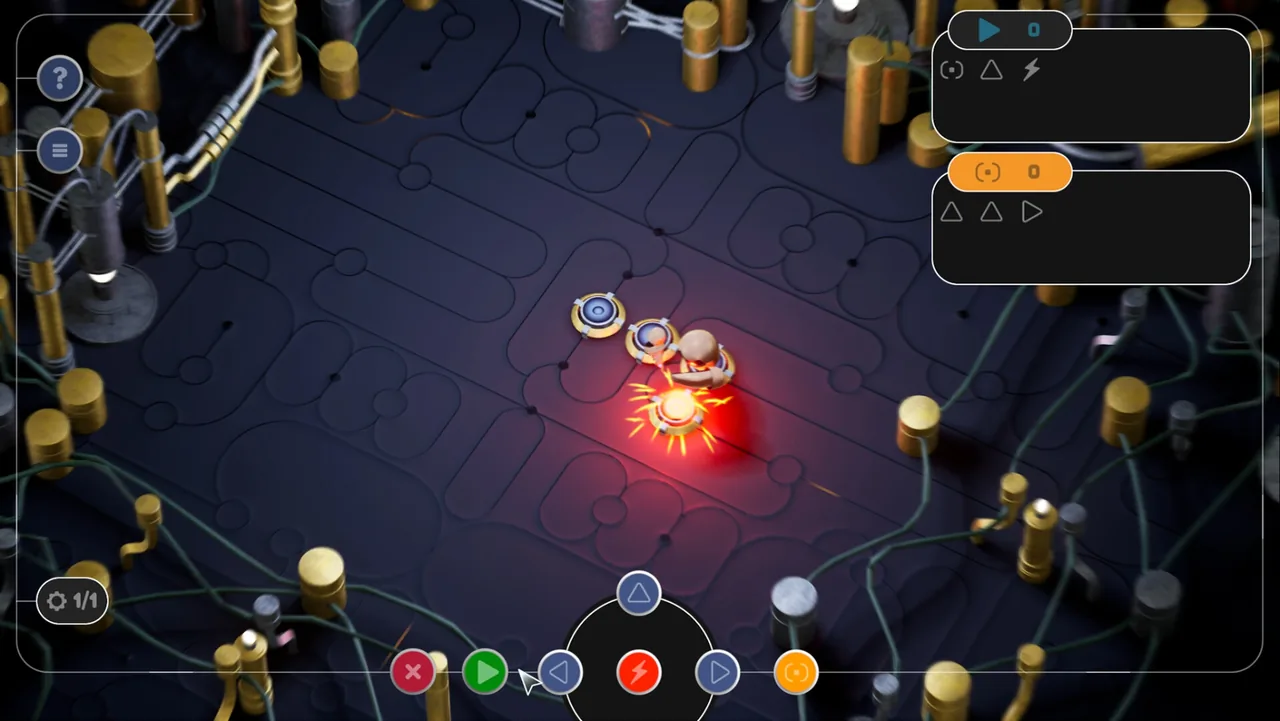
SirKwitz 2Image: Predict Edumedia via Steam -
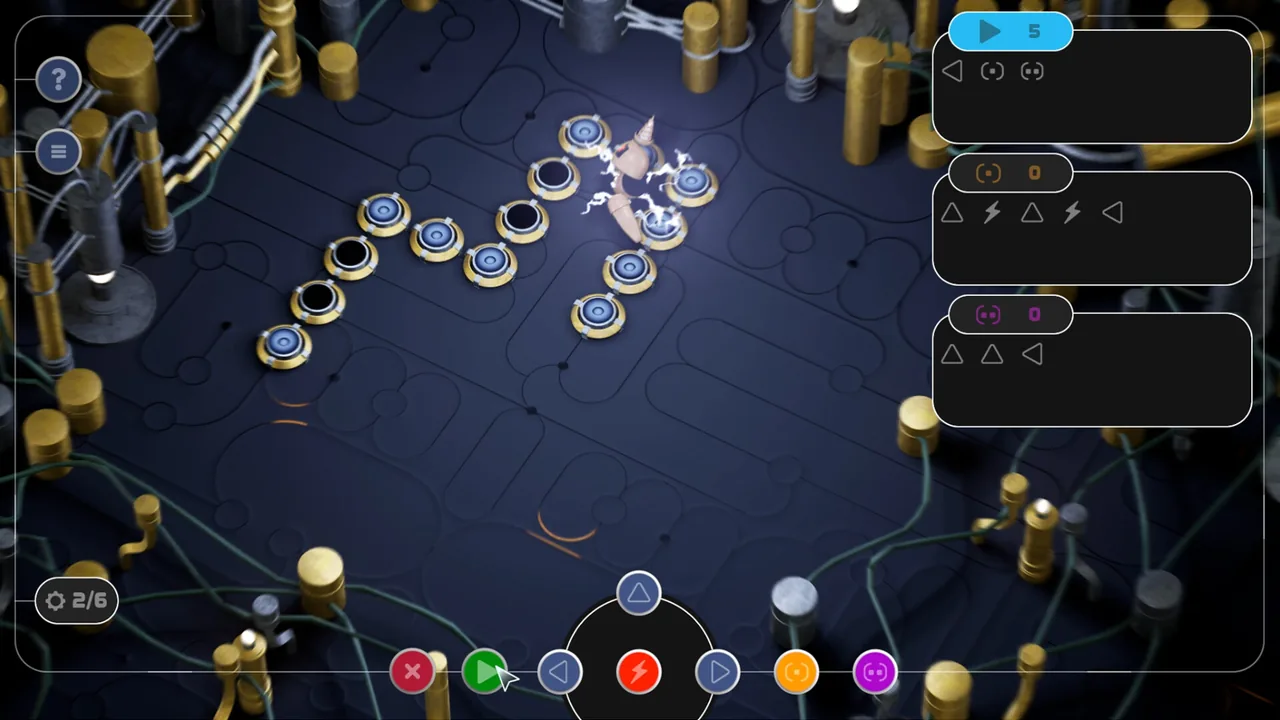
SirKwitz 2Image: Predict Edumedia via Steam -
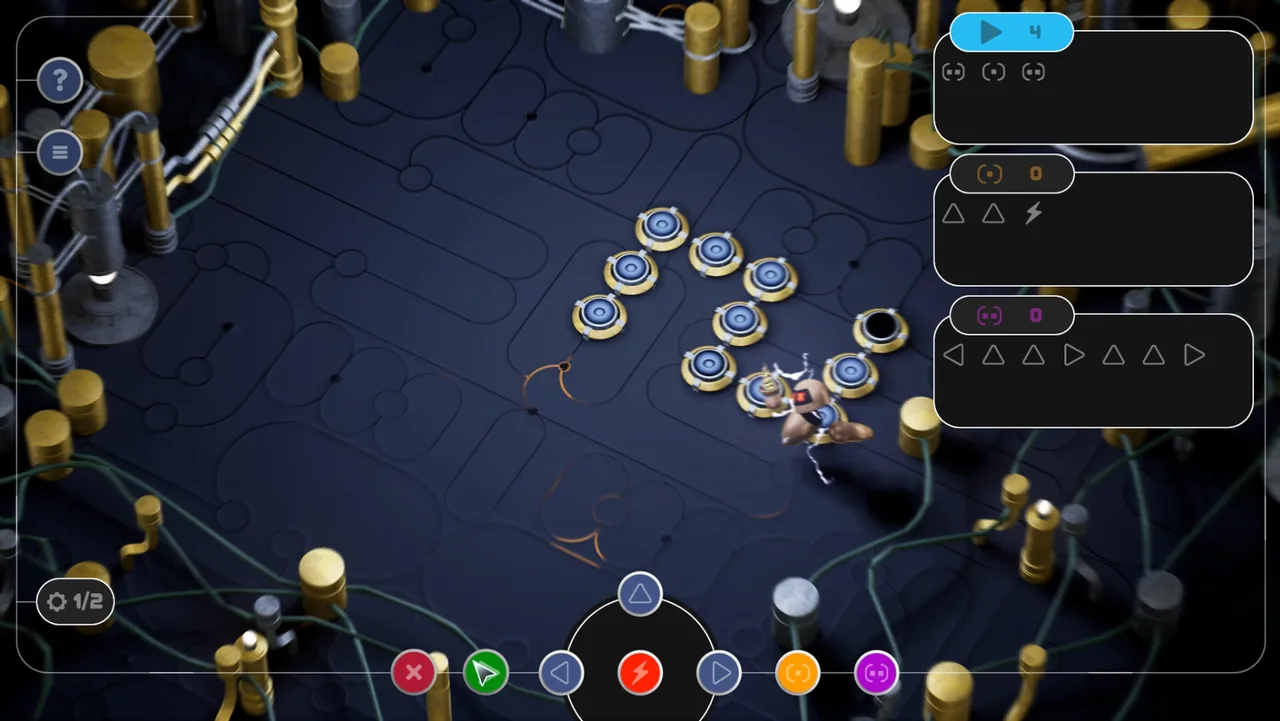
SirKwitz 2Image: Predict Edumedia via Steam -
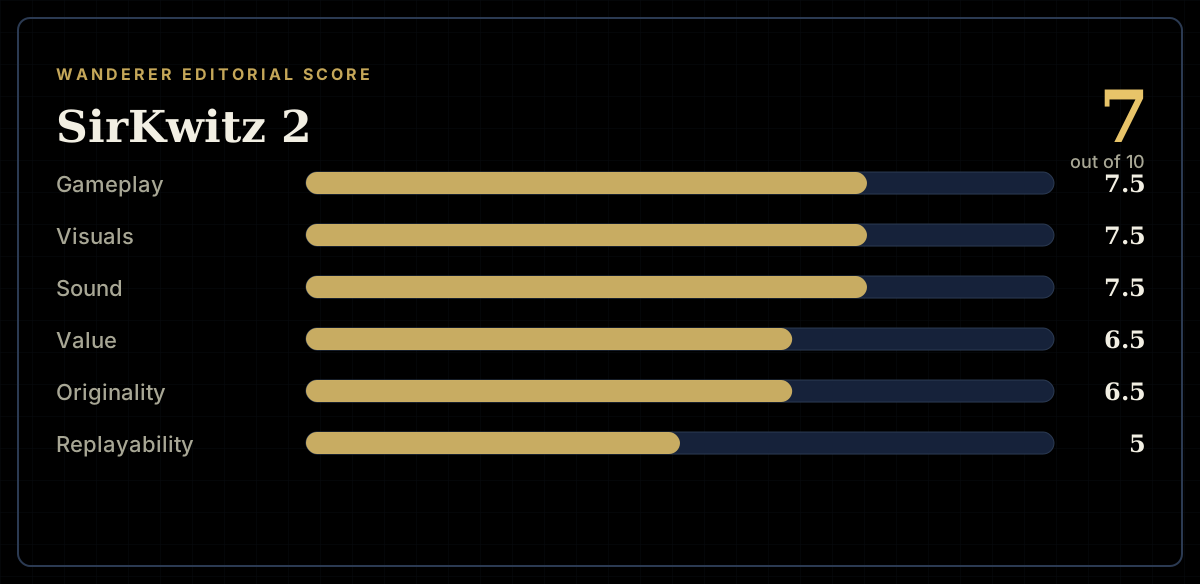
How the review scores each part of the gameWanderer Editorial -
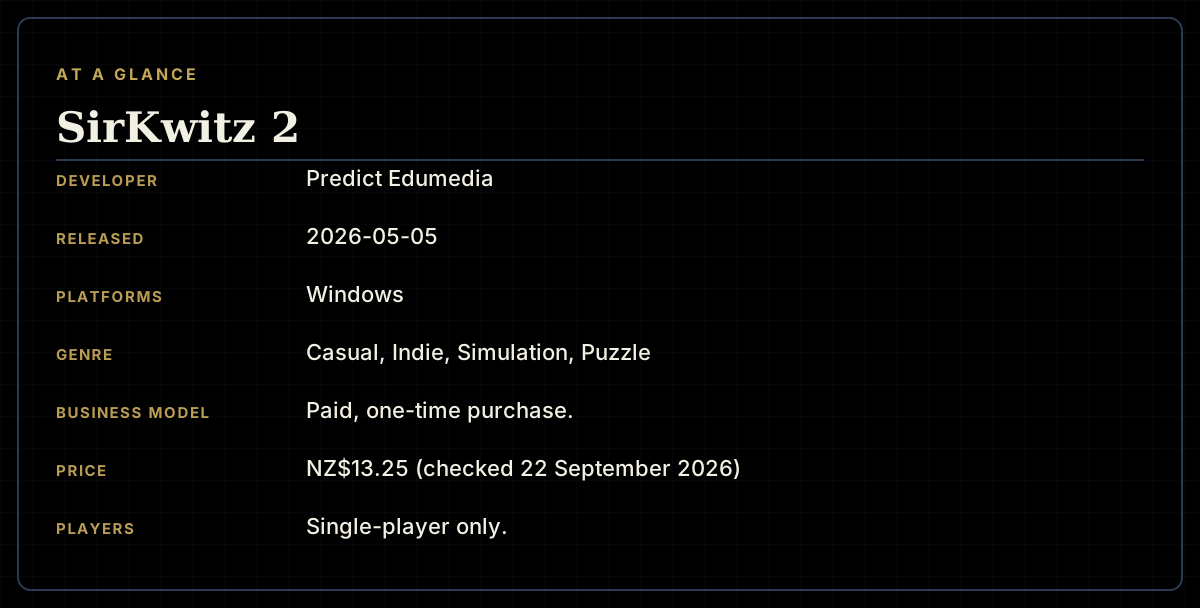
The specs at a glanceWanderer Editorial -
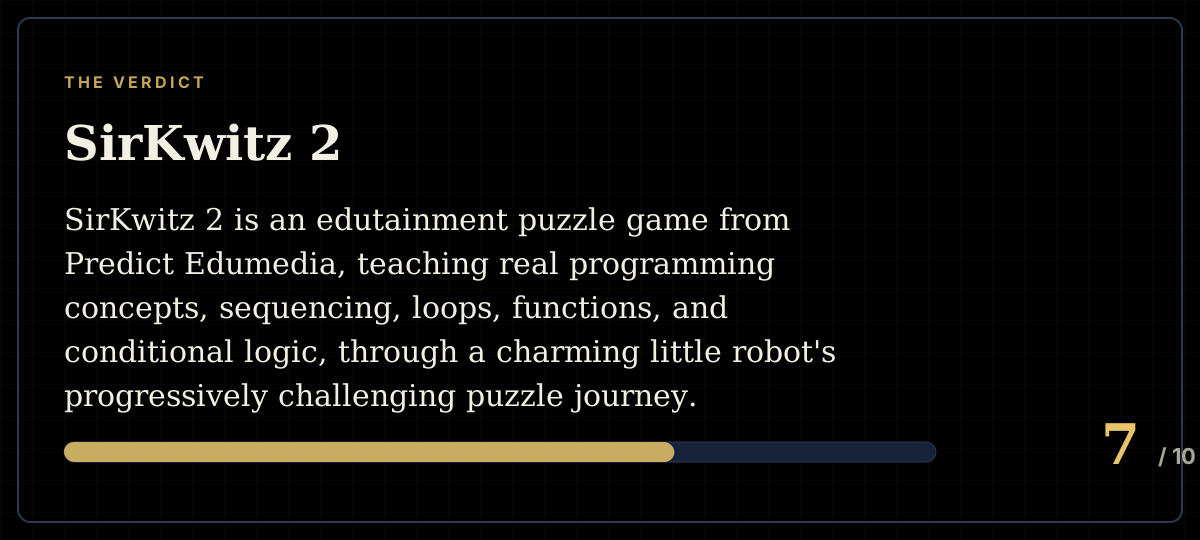
The short versionWanderer Editorial