Game review
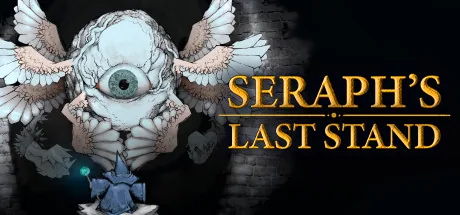
Seraph's Last Stand
6 / 10
- Developer
- Sad Socket
- Publisher
- Sad Socket
- Released
- 23 March 2022
- Platforms
- Windows
- Genre
- Action Roguelite, Bullet Heaven
- Monetisation
- One-time purchase at NZ$1.49. One optional soundtrack-style DLC, not required to play. No in-app purchases or ads.
- Players
- Single-player only
The short version
Seraph's Last Stand is a rogue-like shoot-'em-up built explicitly as a spiritual successor to Heli Attack, the Flash-era browser classic -- pick a wand, a hat and a growing pile of upgrades each wave, and try to snowball into a build absurd enough to break the game before it breaks you. At NZ$1.49 with genuine build variety and a real leaderboard chase, it's easy to see why it sits at Very Positive, 93.5% of 4,001 reviews.
The negative sample, and a meaningful minority voice inside the positive one too, converges on a single specific problem: meta-progression that a huge number of reviewers independently call glacially slow. Currency for permanent upgrades is scarce, early runs are repeatedly described as a boring slog before anything interesting happens, and several reviewers report the game simply running out of things to do somewhere between 10 and 25 hours in. It's a game whose best moments -- absurd, game-breaking builds -- are real, but arriving at them is work the design doesn't always make feel worthwhile.
Biggest strengths
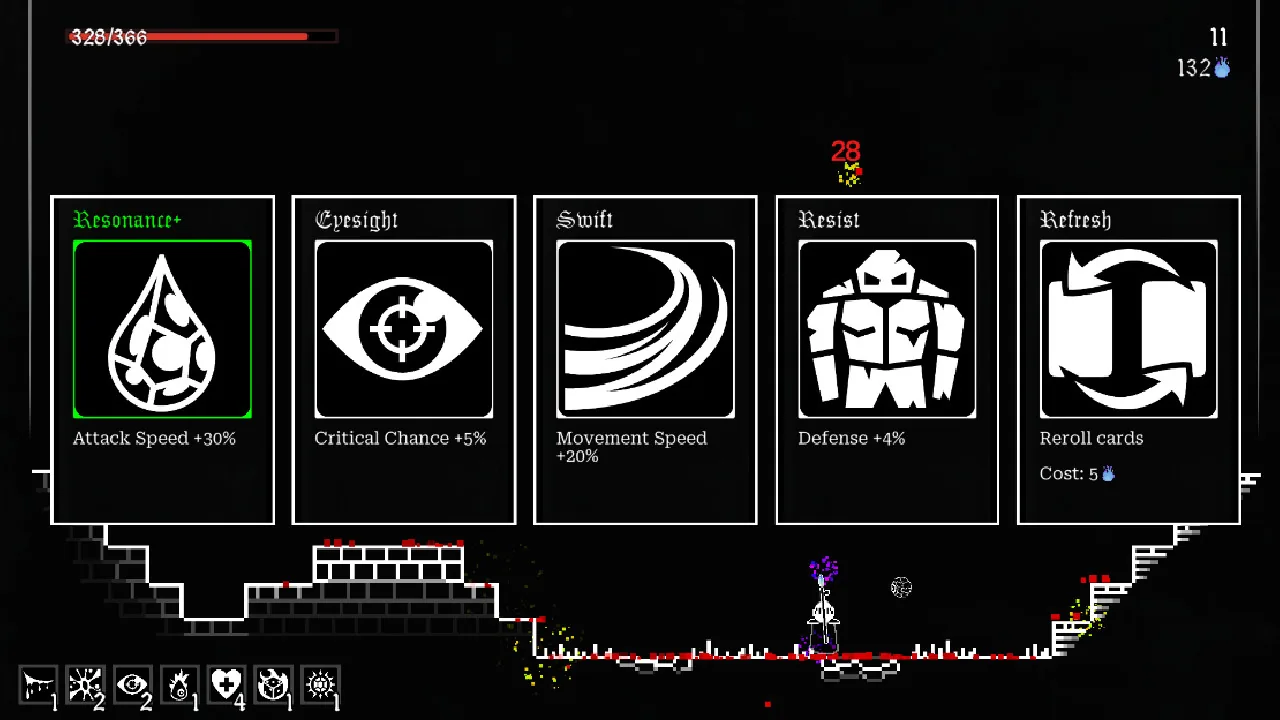
- A genuinely distinctive build-crafting hook -- 40-plus items, multiple staves and hats, and "secret" combinations discovered by stacking -- that delivers real power-fantasy moments when a build comes together
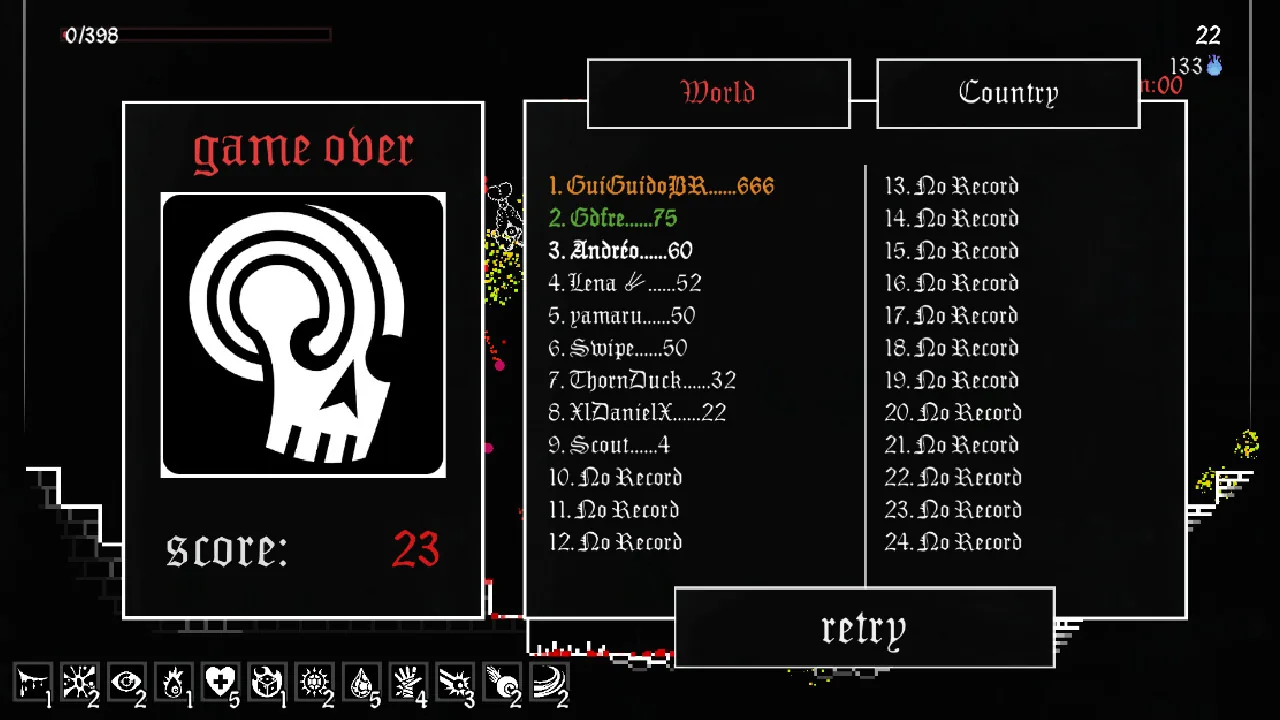
- Extremely cheap at NZ$1.49, with no in-app purchases and a real leaderboard system (world, national and local ranks) for anyone who wants competitive replay value
- A likeable, specific homage to the Flash-era shoot-'em-up Heli Attack that longtime browser- game fans call out by name and appreciate
Biggest weaknesses
- Meta-progression is repeatedly described as glacially slow, with earned currency scarce enough that multiple reviewers call the first 15-25 rounds of any given session a boring slog
- Runs lean heavily on luck rather than skill or strategy according to a large share of reviewers -- "none of your upgrades matter" is a near-verbatim complaint across several independent reviews
- Specific reported bugs: some unlockable wand upgrades reportedly don't function, audio settings don't always save correctly, and unkillable enemies can force a run restart
Who it's for: Bullet-heaven and roguelite fans looking for a genuinely cheap, short-session game with real build-crafting ideas, who don't mind a slow-burn unlock pace and can treat a run as a quick diversion rather than a long-term project. Less suited to anyone who wants their permanent progression to feel rewarding on a reasonable timescale, or who's already burned out on the wider survivors-like genre.
Our recommendation: Hard to argue with at NZ$1.49 for the first several hours alone, but temper expectations for the long game -- the meta-progression pace and repetitive early rounds are real, well-documented complaints rather than a vocal minority's gripe, and several reviewers who genuinely liked the concept still describe running out of things to do well before they expected to.
6 / 10
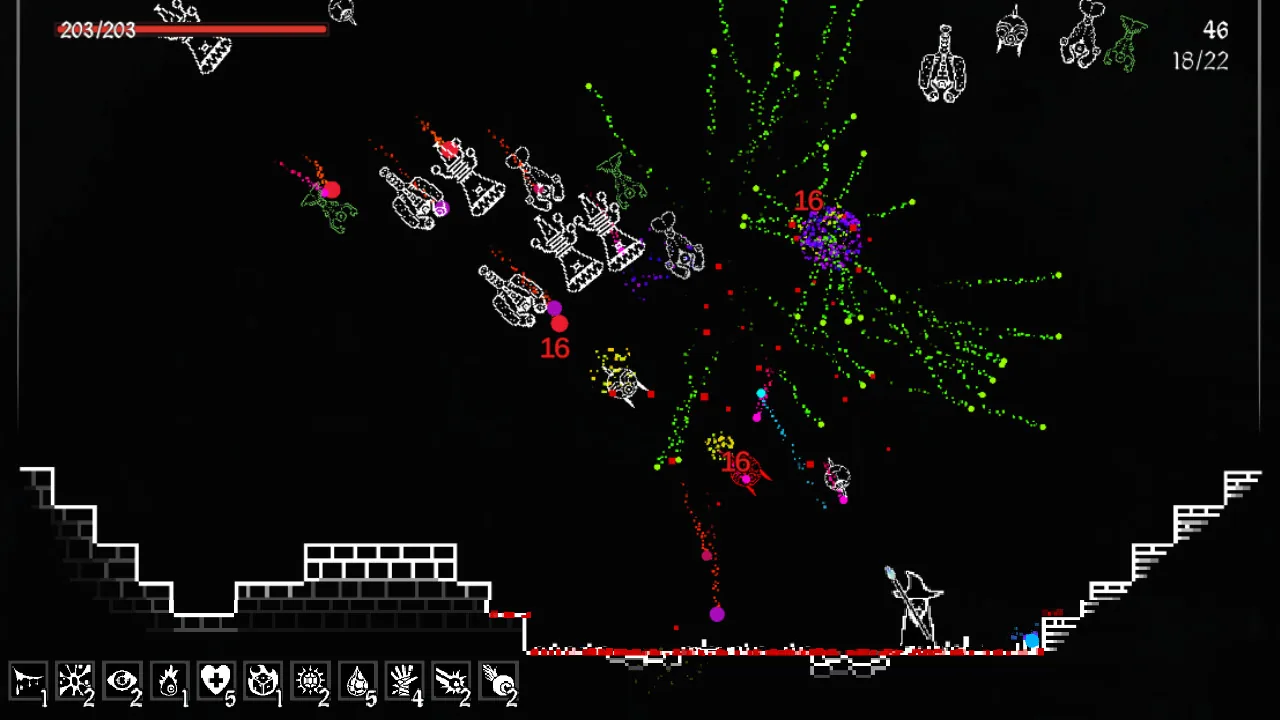
There's a specific kind of joy Seraph's Last Stand is built to deliver, and when it lands, the reviews describing it are genuinely enthusiastic. You're a wizard fending off endless waves with a growing arsenal of staves, hats and stacking upgrades, and the goal -- stated right there on the store page -- is to find a combination absurd enough to "break the game in all possible ways." One reviewer sums up the appeal in three words: "I became the grandest of wizards." It's an explicit homage to Heli Attack, the beloved Flash-era browser shoot-'em-up, and longtime fans of that lineage recognise the DNA immediately. At NZ$1.49, it's about as low-risk a way to find out if that appeals to you as Steam offers.
The grind that dominates every year of feedback
What keeps this from an easy, uncomplicated recommendation is a complaint that shows up with remarkable consistency across every year since launch, from reviewers who otherwise liked the game as much as those who didn't. "Literally just a vehicle for extremely slow metaprogression," reads a representative 2024 review. Another: "Should remove the roguelike tag from the game, this is the least roguelike game I've ever played. Grinding simulator is what it should be replaced with." A third, more measured but reaching the same conclusion: "the first 20-ish rounds are so incredibly slow I'm not entirely sure I can ever consider putting it" through to the good part. This isn't one loud complaint drowning out a quieter consensus -- it's the same observation, independently reached, by reviewers writing in English and Portuguese, across 2023, 2024, 2025 and 2026 alike, which is about as strong a signal as a review sample can offer that a specific design choice is the game's central tension rather than a one-off gripe.
Layered on top of the pacing complaint is a related one about how much your choices actually matter once a run starts. "None of your upgrades matter, not any of the staffs or hats combo really," reads one review that attributes success almost entirely to luck. Several others echo the sentiment in less absolute terms, describing the difference between a great run and a forgettable one as "you get a good lucky start you'll probably get a good run" rather than anything strategic. For a genre built around the satisfaction of assembling a build, that's a real design tension: the game wants you to feel clever for finding a broken combination, but a meaningful share of its own players report feeling like the broken combination found them instead.
Real, specific bugs behind some of the frustration
Some of what reads as balance frustration turns out to be reported malfunction rather than intended difficulty. One reviewer notes plainly that "some features do not work such as some upgrades with some unlockable wands and the upgrades that you get in between rounds have no effect" -- a serious claim if accurate, since it means at least some of the "your upgrades don't matter" feeling isn't purely a balance complaint but an actual functionality gap. Others report audio sliders that don't save correctly between the in-game and menu versions of the same setting, and multiple independent reports describe unkillable enemies appearing at certain waves, forcing a restart rather than offering a real combat decision. None of these are catastrophic on their own, but combined with the pacing complaints, they read less like isolated jank and more like a game that could use another maintenance pass its small team hasn't fully delivered.
What still works, and for how long
None of this erases the genuine appeal in the game's better moments. Positive reviews consistently praise the build variety once you're past the slow opening stretch, and the leaderboard system -- world, national and local rankings -- gives the loop real competitive purpose for players who enjoy that kind of chase. The trouble is durability: several reviewers with meaningful playtime, in the range of 10 to 25 hours, describe reaching a point where the game simply runs out of new things to offer. "Ran out of stuff to do and there are no mods," reads one such review, noting the map is small and the maxed-out upgrade options don't scale much further. At a dollar and a half, that's still arguably a fair trade -- but it's worth knowing the ceiling exists rather than assuming a cheap roguelite automatically means endless replay value.
The achievement data backs up that ceiling in a small way too: with only eight achievements total and the deepest sitting around 16.5% completion, this isn't a game built with the kind of sprawling long-tail content that keeps a dedicated minority grinding for years, the way some of its genre peers are. That's not necessarily a flaw for a NZ$1.49 game -- not every roguelite needs to be a hundred-hour project -- but it does mean the "runs out of things to do" complaint isn't an outlier misreading a deep game; the game itself is genuinely compact once you're past the early build-discovery phase.
Final verdict
Seraph's Last Stand has a real, likeable idea at its core -- a cheap, Heli Attack-flavoured build-crafting shooter with moments of genuine power-fantasy payoff -- undercut by a meta- progression pace that a striking number of its own reviewers, across four years and multiple languages, independently describe as the thing holding it back. It's not a bad game so much as an unevenly paced one, front-loaded with slog before the fun the store page promises actually shows up.
6.0 out of 10. Worth its rock-bottom price for a handful of genuinely satisfying sessions, but go in with modest expectations about the grind between them, and don't be surprised if the game runs dry on new ideas well before you've exhausted your own interest in it.
Pros and cons
Pros
- A genuinely distinctive build-crafting hook -- 40-plus items, multiple staves and hats, and "secret" combinations discovered by stacking -- that delivers real power-fantasy moments when a build comes together
- Extremely cheap at NZ$1.49, with no in-app purchases and a real leaderboard system (world, national and local ranks) for anyone who wants competitive replay value
- A likeable, specific homage to the Flash-era shoot-'em-up Heli Attack that longtime browser- game fans call out by name and appreciate
- Full controller support and Steam Cloud saves alongside the standard achievement and trading card features
Cons
- Meta-progression is repeatedly described as glacially slow, with earned currency scarce enough that multiple reviewers call the first 15-25 rounds of any given session a boring slog
- Runs lean heavily on luck rather than skill or strategy according to a large share of reviewers -- "none of your upgrades matter" is a near-verbatim complaint across several independent reviews
- Specific reported bugs: some unlockable wand upgrades reportedly don't function, audio settings don't always save correctly, and unkillable enemies can force a run restart
- Content runs out relatively fast for a game built around long-term unlocks -- several reviewers with 10 to 25 hours logged describe reaching a point where there's simply nothing new left to discover
Screenshots
-
Seraph's Last StandImage: Sad Socket via Steam -
Seraph's Last StandImage: Sad Socket via Steam -
Seraph's Last StandImage: Sad Socket via Steam -
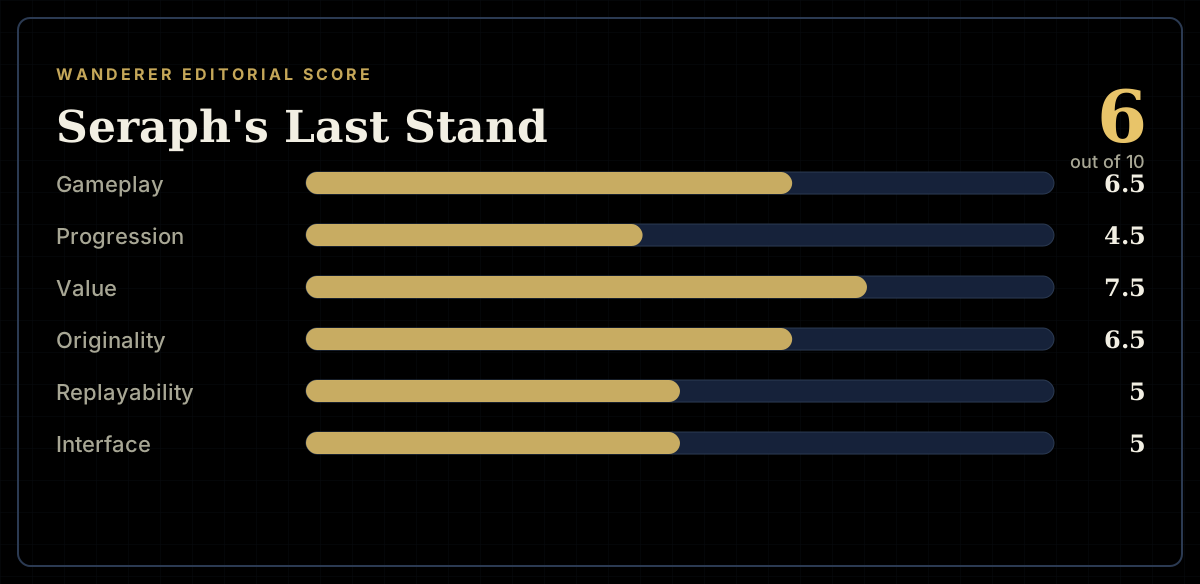
How the review scores each part of the gameWanderer Editorial -
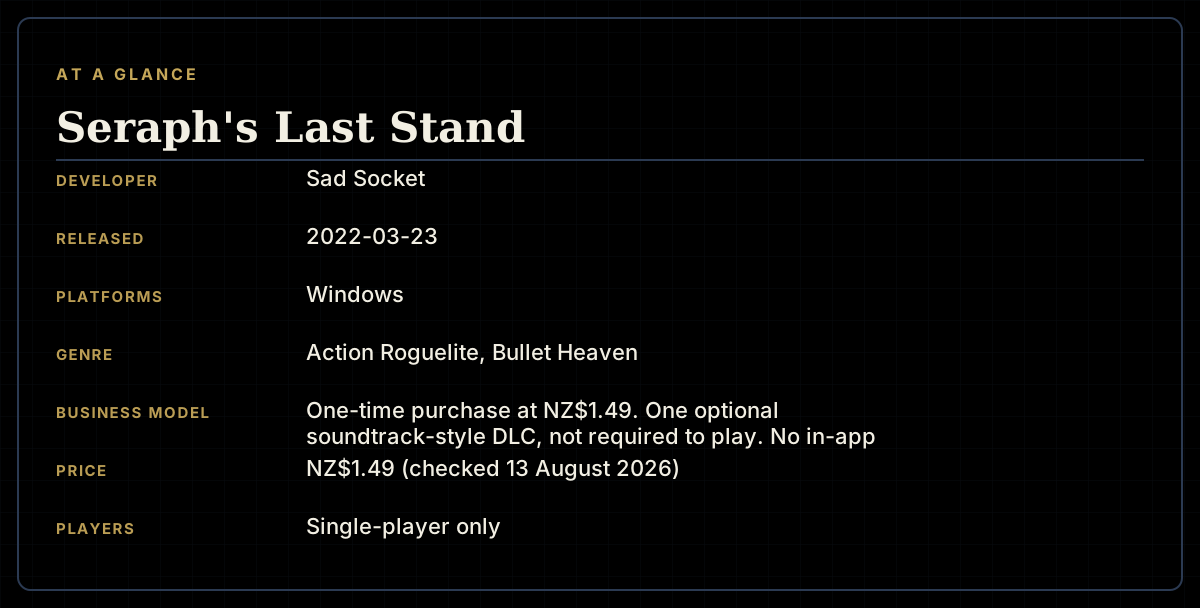
The essentialsWanderer Editorial -
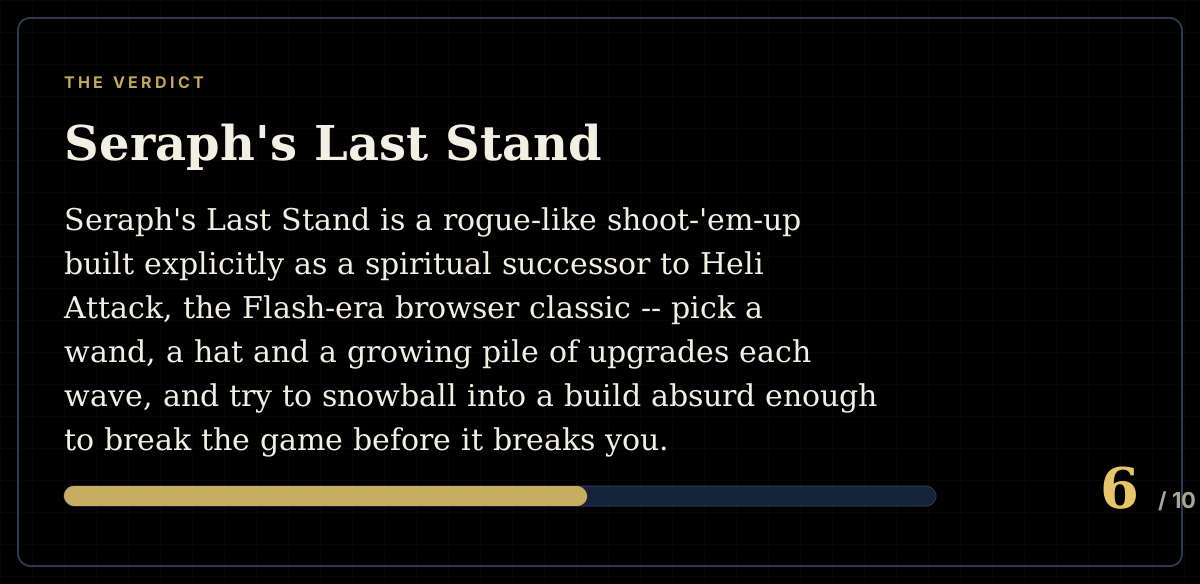
The final verdictWanderer Editorial