Game review
Scratchers
5 / 10
- Developer
- muffler
- Publisher
- muffler
- Released
- 16 June 2025
- Platforms
- Windows
- Genre
- Casual, Simulation
- Monetisation
- paid
- Players
- false
The short version
Biggest strengths
- A genuinely charming, novel premise built around lottery scratch cards, with unique hand-drawn art per card that several reviewers singled out as a real strength
- An accessible, low-pressure idle loop that a number of reviewers praised as a good background game to leave running while doing something else
- Cheap enough, and short enough, that reviewers who enjoyed it treated any flaws as forgivable given the price and the small scope of the project
Biggest weaknesses
- A widely corroborated set of severe progression-balance walls, where specific mid-game scratcher cards form a punishing, disproportionate difficulty spike before the remaining content trivializes into a quick snowball to the end
- Multiple independent reports that the store page's screenshots and trailer show more content, upgrades, and visible progress than the shipped game actually contains, including a hard cap on visible auto-scratchers well below what's depicted
- Real, repeated technical bugs including crashes that erase save progress, achievement trackers that cap below their stated targets, and mismatched preview-versus-actual prize and price values throughout the interface
Who it's for: Incremental-game fans looking for a very cheap, hour-or-two idle distraction who can tolerate rough balance and bugs, not players expecting the polish or content shown on the store page
Our recommendation: not recommended
5 / 10
Scratchers launched on Steam on June 16, 2025, a $4.99 incremental game from solo developer muffler that reframes the familiar idle-clicker loop of earning currency, buying upgrades, and unlocking new tiers of production around the hook of scratching lottery tickets. It's a clever pitch for the incremental genre, one that several reviewers noted they were surprised hadn't been done before, and it sits at a Mixed 286-to-215 across a 501-review English pool, a split that reflects a real, well-documented tension between a likeable core idea and an unusually rough execution for a genre that typically prizes careful numeric balance above almost everything else.
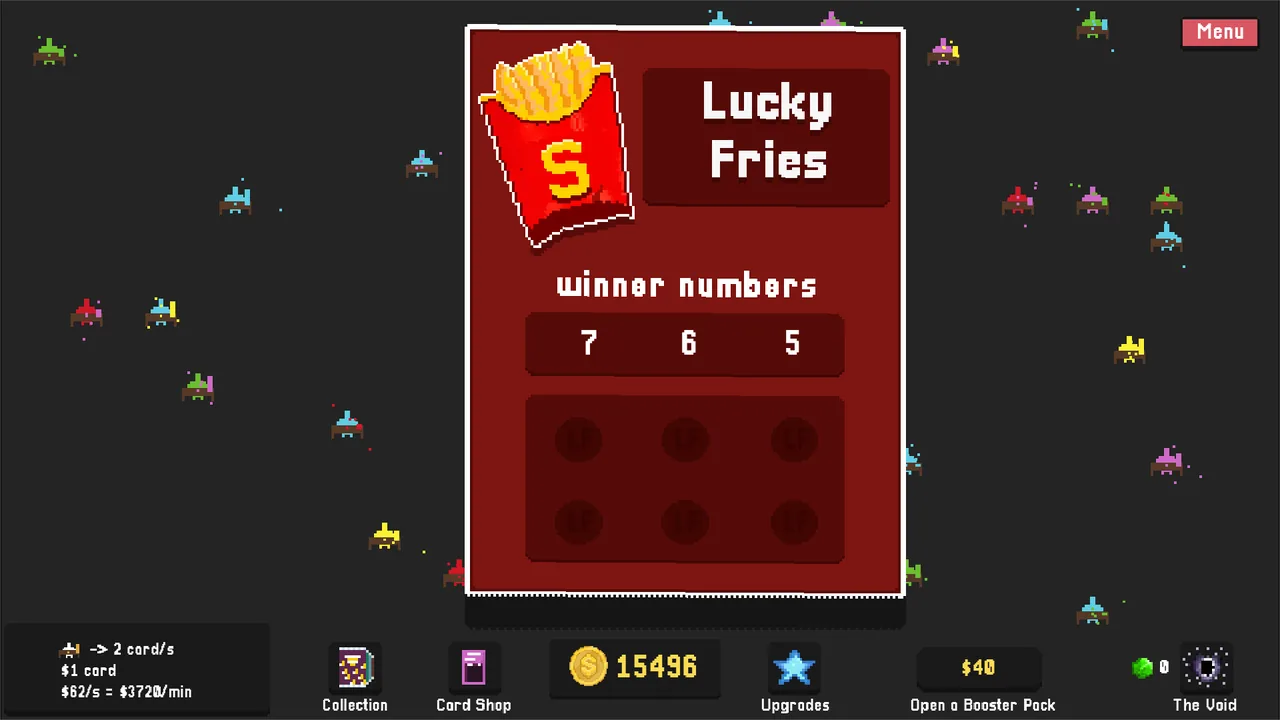
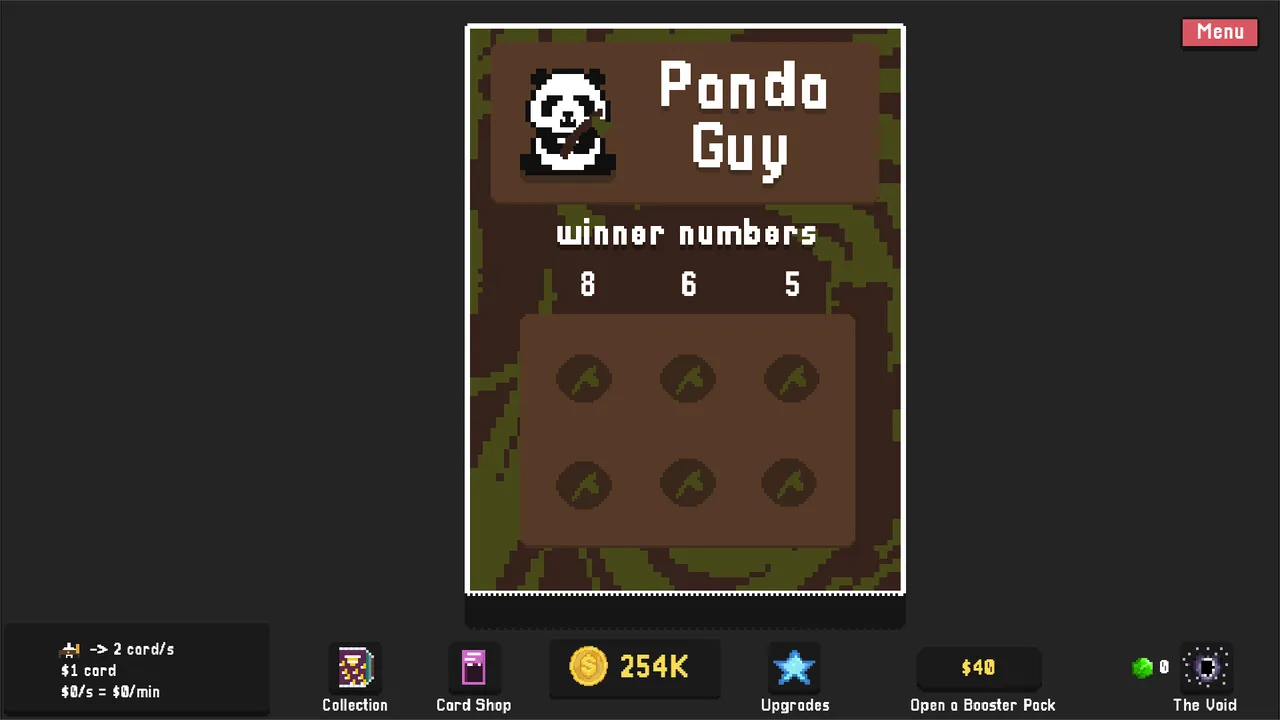
The premise itself lands for a meaningful slice of the pool. One reviewer called it "super cute" and praised it as "perfect to have running in the background while working without needing too much attention like some other idlers might need." Another reviewer who ultimately recommended the game specifically praised the unique hand-drawn art across each individual scratch card design, and a third framed the appeal succinctly: it "scratches the 'gamble-y take a risk' itch" of a scratch-card game "without the addiction in real life." Note that the single longest review sampled in this pool read as generic, feature-listing marketing copy with no specific personal details, and this lane has excluded it from quoting as a likely low-effort or AI-assisted submission rather than a genuine account of play.
Set against that goodwill, the pool's clearest and most consistently corroborated complaint concerns severe progression balance. Multiple independent reviewers, in different words, described the same core problem: specific mid-game scratcher cards form a punishing wall that stalls progress for a disproportionate amount of playtime, after which the remaining content trivializes into a rapid snowball to the end. One reviewer detailed the exact math behind it, showing that a late-game ticket costing 20 million only pays out 7 to 12 million, meaning a player has to hit the maximum jackpot twice just to break even, and that the final ticket "can't even pay for itself if you get every single square as the highest reward." A separate reviewer confirmed the same shape of problem from the opposite direction, describing "a weird wall in the middle of the progression" followed by unlocks that arrive "in a breeze" by comparison. That reviewers with wildly different total playtimes and opinions of the game converged on the identical structural flaw is what elevates this from an anecdotal complaint into a fair, well-sourced weakness.
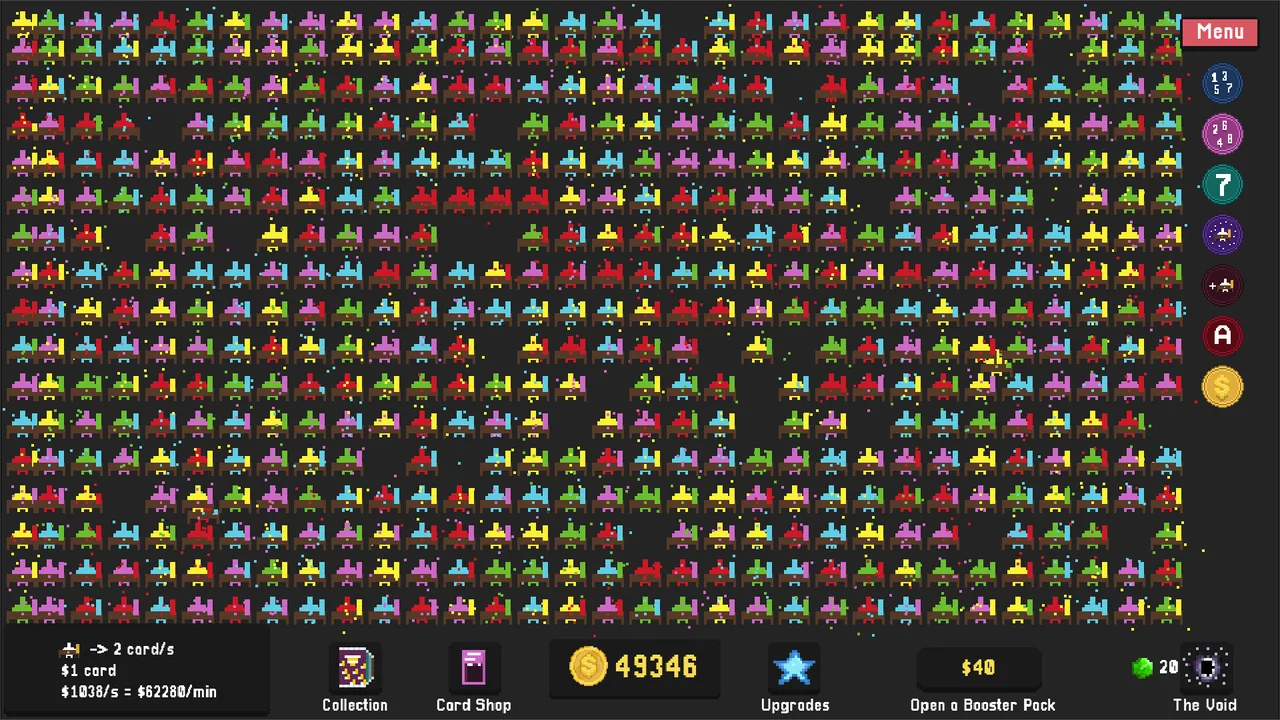
A second, distinct and also well-corroborated complaint concerns the gap between the store page's marketing and the shipped game. At least three independent reviewers separately reported that the trailer and screenshots depict a screen filled with more visible auto-scratcher workers, and more accessible upgrade options, than the actual released game allows, with one reviewer noting the true cap sits at "90" workers rather than what the marketing implies, and another reporting an even lower practical cap around 20 tied to a broken achievement. A third reviewer flagged the same discrepancy independently regarding features shown in "the void" prestige menu. Screenshots and trailers not perfectly matching a finished product is common enough in small releases, but three unconnected reviewers flagging the exact same kind of mismatch, across different specific details, suggests a genuine and persistent gap rather than a one-off misunderstanding.
A third corroborated thread concerns outright bugs. One reviewer described a crash triggered by rapidly purchasing booster packs that erased an hour of progress, while a separate reviewer reported the game's built-in "New Game" reset function failing to fully clear old data, alongside an achievement tracker permanently capped below its stated target regardless of resets. A third reviewer catalogued mismatched preview-versus-actual prices throughout the interface, on top of a prestige upgrade they found actually lowered passive income rather than raising it. These are specific, reproducible-sounding complaints rather than vague dissatisfaction, and their recurrence across independent reviewers is difficult to dismiss as isolated hardware trouble.
It's worth noting the defenders of the game aren't wrong that it's cheap and short by design, and reviewers who went in expecting exactly that, a few hours of low-stakes idle distraction for under five dollars, mostly came away satisfied even while acknowledging the rough edges. One reviewer pushed back directly on the negative reception, arguing the game "knows its ceiling and knows what it does" for the price asked. That's a fair framing for a small solo project, but it doesn't fully offset the specific, recurring complaints about balance walls and store-page accuracy that a meaningful share of the pool experienced as more than minor jank.
A smaller, less-corroborated complaint worth separating out concerns the game's overall length. Several reviewers reported finishing the entire game, achievements included, in under two hours, with one clocking a full 100% completion at 80 minutes. For an incremental game specifically, where the genre often measures satisfying playtime in days or weeks of gradual growth, this reads to some reviewers as a genuine shortfall in value, though others explicitly argued the reverse, that a tight one-sitting length paired with a low price is a reasonable trade rather than a flaw. Unlike the balance-wall and marketing-mismatch complaints above, this one splits opinion within the pool rather than converging on a shared verdict, so it's fairer to treat it as a matter of taste than as an objective weakness.
Taken together, Scratchers has a genuinely appealing hook that a portion of the incremental-game audience clearly connected with, but the Mixed score reflects real, specific, and independently corroborated problems: brutal and inconsistent progression pacing, marketing that oversells what the finished game delivers, and bugs serious enough to cost players their save progress. For a few dollars and an idle afternoon, some players will still find it worth a try, but it's difficult to recommend without flagging these issues clearly upfront.
Pros and cons
Pros
- A genuinely charming, novel premise built around lottery scratch cards, with unique hand-drawn art per card that several reviewers singled out as a real strength
- An accessible, low-pressure idle loop that a number of reviewers praised as a good background game to leave running while doing something else
- Cheap enough, and short enough, that reviewers who enjoyed it treated any flaws as forgivable given the price and the small scope of the project
Cons
- A widely corroborated set of severe progression-balance walls, where specific mid-game scratcher cards form a punishing, disproportionate difficulty spike before the remaining content trivializes into a quick snowball to the end
- Multiple independent reports that the store page's screenshots and trailer show more content, upgrades, and visible progress than the shipped game actually contains, including a hard cap on visible auto-scratchers well below what's depicted
- Real, repeated technical bugs including crashes that erase save progress, achievement trackers that cap below their stated targets, and mismatched preview-versus-actual prize and price values throughout the interface
- A prestige and booster-pack system that multiple reviewers found functionally pointless once auto-scratchers outpace any benefit they provide, undermining the game's own core \"scratching\" hook
Screenshots
-
ScratchersImage: muffler via Steam -
ScratchersImage: muffler via Steam -
ScratchersImage: muffler via Steam