Game review
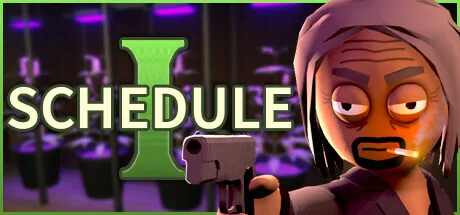
Schedule I
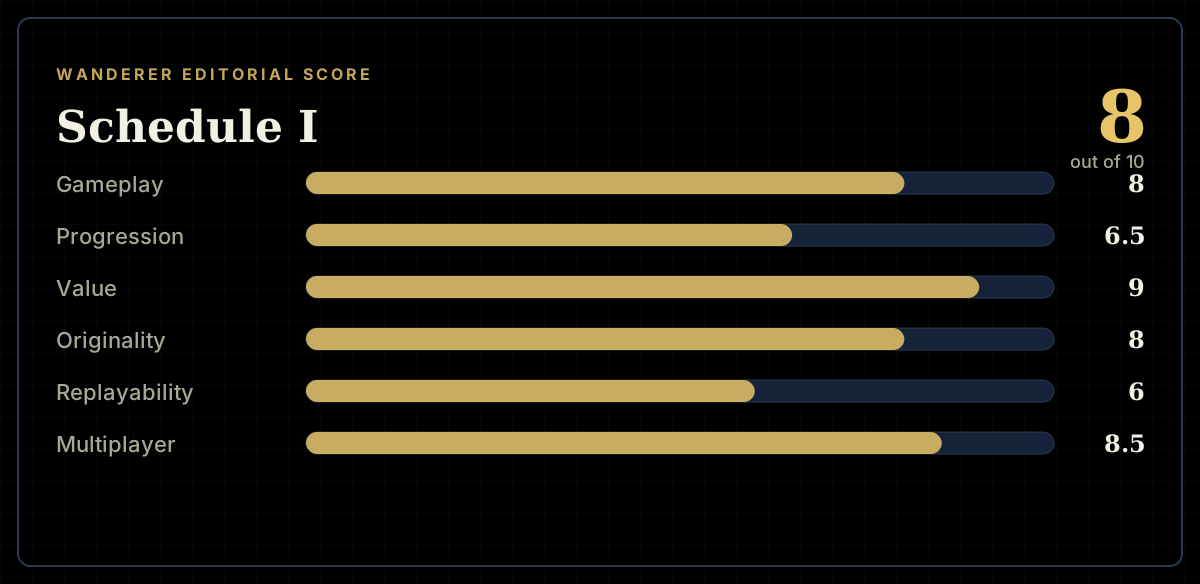
8 / 10
- Developer
- TVGS
- Publisher
- TVGS
- Released
- 24 March 2025
- Platforms
- Windows
- Genre
- Business Sim / Crime Sim
- Monetisation
- Premium, one-off purchase — no in-game purchases
- Players
- Single-player or online co-op
The short version
Schedule I takes the small-time-dealer-to-kingpin arc everyone knows from Breaking Bad and turns it into a genuinely excellent co-op business sim: growing and cutting product, discovering better recipes, hiring dealers and staff, laundering the proceeds, and dodging both the cops and a rival cartel while you do it. Built overwhelmingly by a tiny team around a single core developer, it's become one of the biggest word-of-mouth Early Access hits in years, and 310,000-plus reviews at 97.8% positive say the opening dozens of hours earn every bit of that reputation.
The complaint that follows almost everywhere in the review corpus is the same one: once your empire is built and the production chain runs itself, there's currently very little waiting at the top. This is a review of a genuinely great foundation with a real, well-documented ceiling — not a finished game yet, but one worth playing today regardless.
Biggest strengths
- The production loop — growing, curing, cutting and packaging drugs, then discovering better recipes for higher-value variants — is deep enough to reward real experimentation
- Building out a fully automated supply chain, from hired dealers to suppliers to laundering, is one of the most satisfying "watch the machine run itself" moments in the genre
- Genuinely excellent in co-op, with reviewers consistently citing splitting roles with friends as the best way to experience it
Biggest weaknesses
- Once the production chain is running and the five properties are bought out, there is currently very little end-game content or escalating challenge to chase
- Law enforcement and rival cartel threats are widely reported as posing little real danger once a player is established, undercutting the "dangerous underworld" half of the pitch
- The core loop of growing, cutting and selling becomes repetitive for a meaningful share of players well before the 20-hour mark, by their own account
Who it's for: Co-op groups who want a Breaking Bad-flavoured business sim to grow together, and anyone who enjoys the specific pleasure of an automated production chain clicking into place — tempered by knowing the current endgame won't hold a completionist's attention past the 30-to-50-hour mark.
Our recommendation: Buy it — at this price, even 30 hours of genuinely great co-op business-building is an easy recommendation, and the developer's post-launch track record on adding content is strong. Just go in knowing the current Early Access ceiling is real, and treat anything past building a full, automated empire as a bonus rather than the point.
8 / 10
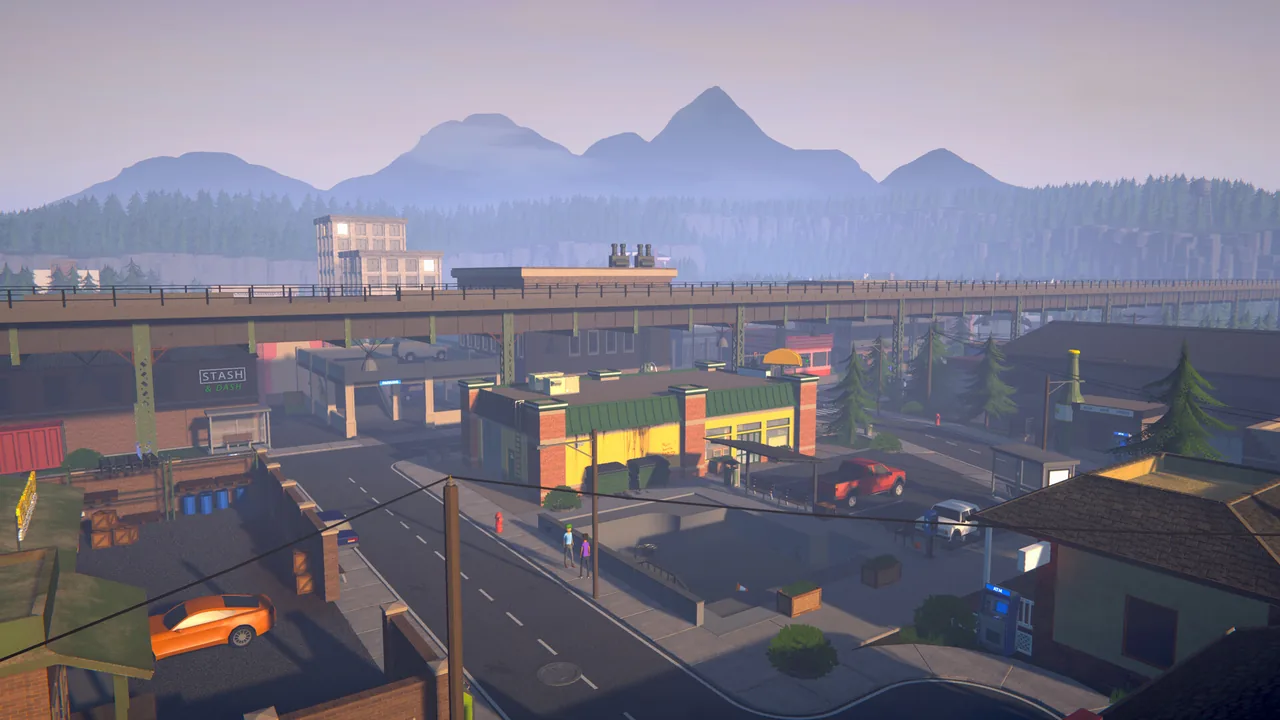
The name is a small joke with real teeth behind it — "Schedule I" is the DEA's own classification for substances with "no currently accepted medical use and a high potential for abuse," and this game asks you to build an empire selling exactly that. You arrive in the grungy west-coast city of Hyland Point with no cash, no product and no connections, and the entire arc from there — small-time dealer to underworld kingpin — is the one anyone who's watched Breaking Bad already knows. What's remarkable is how much of that arc a small team, built overwhelmingly around one core developer, managed to turn into a genuinely great business sim rather than just a reference.
Growing an empire, one recipe at a time
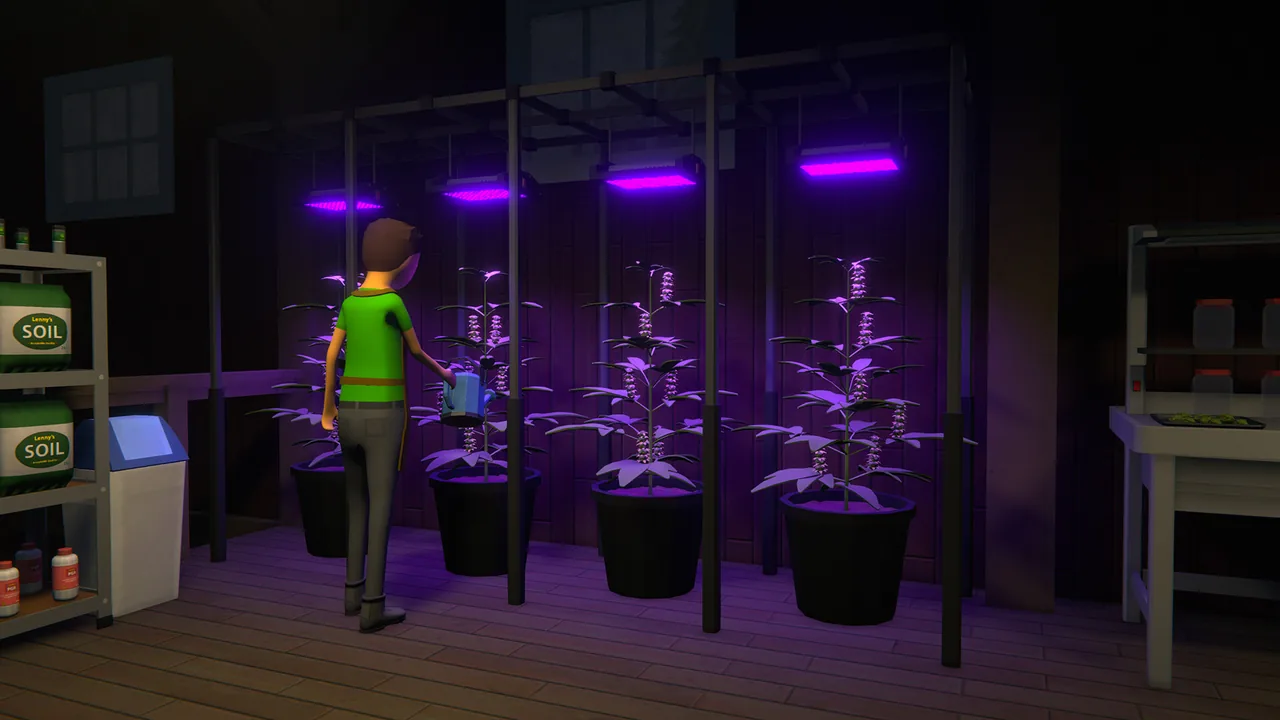
The heart of Schedule I is production, and it's more textured than the pitch suggests. Each drug has its own distinct process — growing and curing product, mixing in ingredients to discover new variants with different effects and street values, refining your setup as you learn what actually sells. Getting product to customers starts as something you do yourself, on foot, by skateboard or by car, and gradually becomes something you delegate: hire dealers to handle distribution, bring on suppliers, and eventually wire together a production-and-distribution chain that runs with minimal input from you. That specific pleasure — watching a system you built by hand start running itself — is the game's best trick, and it's the moment reviewers across the review corpus point to most often as the thing that hooked them.
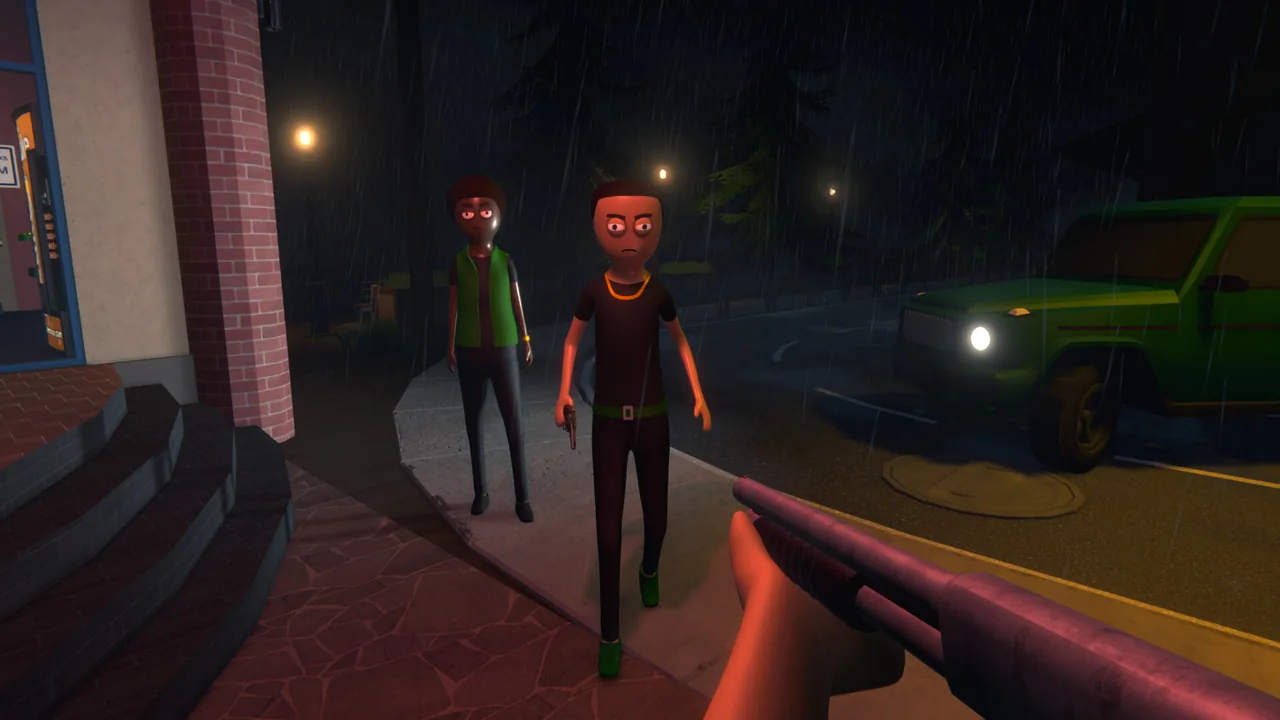
Money laundering, property acquisition and staff management round out the business side, while the underworld half supplies the tension: law enforcement escalates as your operation grows, and a rival cartel is a standing threat rather than set dressing. You can fight, with fists, melee weapons or firearms, when things go wrong. All of it is playable solo or in online co-op, and it's in co-op specifically where the loop sings — splitting roles between growing, distribution and laundering with friends is consistently the setup reviewers recommend over playing alone.
A word-of-mouth hit that's held its reception
Schedule I didn't arrive with a marketing budget behind it; it arrived on word of mouth and grew into one of the largest Early Access success stories in recent memory, currently sitting at Overwhelmingly Positive across more than 310,000 reviews. What makes that figure more meaningful than most is its stability — pulling the most recent 100 English reviews shows 96 positive, almost exactly mirroring the lifetime score rather than the more common pattern of a strong launch fading under later scrutiny. A year and a half after release, players are still recommending it at essentially the same rate they did at launch, which is a genuinely rare shape for a live, still-growing Early Access title to hold.
Where the empire runs out of road
The complaint that recurs constantly, independent of who's writing it, is about what happens once you've actually built the empire the game asks you to build. Once the five properties are bought, the production chain is automated and the recipes are dialled in, a large share of long-time players report there's currently very little left to chase — no meaningful escalation in difficulty, no deeper systems waiting past full automation, and a law-enforcement threat that several reviewers describe as barely registering once you're established, undercutting the "dangerous underworld" half of the pitch. One vivid description making the rounds compares the late game to a chore performed on autopilot rather than a climax; less colourfully, dozens of reviews converge on the same specific ask: more zones, deeper late-game systems, and real consequences for getting big enough to attract real attention.
Steam's own achievement data backs this up cleanly rather than contradicting it. Early and mid-game milestones — recruiting your first dealer, surviving law enforcement's first real crackdown, becoming a functioning businessman — sit at 53 to 88% of the playerbase. The top-tier milestones, the ones tied to fully building out the endgame, cluster at 5 to 10%. Because Schedule I shipped with its achievements from the start rather than adding them later, this curve isn't a late-add distortion — it's a fairly direct picture of how many players are reaching content that reviewers themselves describe as thin once they get there, which is a more useful signal than either the achievement numbers or the reviews would be alone.
Repetition sets in before the ceiling does, for some
A second, related thread is pacing rather than content volume specifically: several reviewers report the core loop of growing, curing and selling becoming repetitive well before the 20-hour mark, independent of whether they'd built out a full empire yet. That's a different complaint from "there's no endgame" — it's closer to "the middle stretch needs more variety in what a session actually asks you to do," and it shows up often enough alongside the endgame complaint to be worth treating as its own, smaller issue rather than folding it into the same story.
Excellent value regardless
None of that changes the calculus on price. Reviewers with 40, 50, even 100-plus hours logged routinely describe the game as worth many multiples of its asking price, and it's hard to disagree — a genuinely engrossing co-op business sim that comfortably delivers 30 to 50 hours before the well-documented ceiling kicks in, at a price well under most premium releases, is a strong deal by any measure the value category in this review normally applies. The developer's continued, post-launch content cadence is the other reason to be optimistic rather than simply patient: this is a team that's kept shipping since a launch that could easily have been treated as a finish line.
Final verdict
Schedule I earns its reputation as one of the best co-op business sims currently on Steam, and its 310,000-review, 97.8%-positive standing over a year and a half is exactly the kind of sustained, stable reception that separates a genuine hit from a launch spike. It settles at eight rather than higher because the well-documented endgame ceiling is real, corroborated independently by achievement data and a large, consistent share of its own reviews, and because the middle stretch can wear thin before a player even gets there. None of that erases what's already here: a genuinely great production-and-distribution loop, real co-op chemistry, and extraordinary value for the asking price, with a developer who has kept building rather than walking away.
Price and review data checked 5 August 2026.
If you'd rather your empire kept growing while you were away from the keyboard instead of demanding your constant attention, Wanderer is built around that slower, more forgiving kind of progression instead.
Pros and cons
Pros
- The production loop — growing, curing, cutting and packaging drugs, then discovering better recipes for higher-value variants — is deep enough to reward real experimentation
- Building out a fully automated supply chain, from hired dealers to suppliers to laundering, is one of the most satisfying "watch the machine run itself" moments in the genre
- Genuinely excellent in co-op, with reviewers consistently citing splitting roles with friends as the best way to experience it
- Extraordinary value — 30 to 50-plus hours of praised gameplay at a modest indie price, built largely by one core developer who has continued shipping content post-launch
- Consistent, stable reception over a year and a half rather than a launch spike that faded — recent review sentiment mirrors the lifetime score almost exactly
Cons
- Once the production chain is running and the five properties are bought out, there is currently very little end-game content or escalating challenge to chase
- Law enforcement and rival cartel threats are widely reported as posing little real danger once a player is established, undercutting the "dangerous underworld" half of the pitch
- The core loop of growing, cutting and selling becomes repetitive for a meaningful share of players well before the 20-hour mark, by their own account
- Achievement data shows the endgame-tier milestones completed by only 5-10% of players, which lines up with reviewer reports rather than contradicting them
Screenshots
-
Schedule IImage: TVGS via Steam -
Schedule IImage: TVGS via Steam -
Schedule IImage: TVGS via Steam -
How the review scores each part of the gameWanderer Editorial -
The short versionWanderer Editorial