
Game review
Samawa Idle
6 / 10
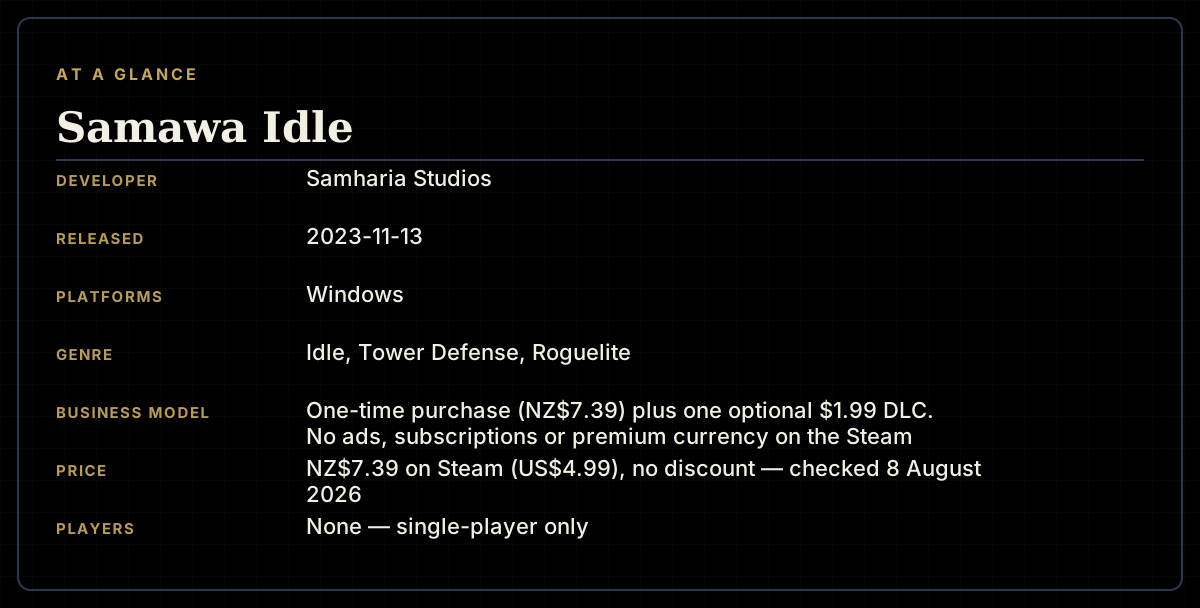
- Developer
- Samharia Studios
- Publisher
- Samharia Studios
- Released
- 13 November 2023
- Platforms
- Windows
- Genre
- Idle, Tower Defense, Roguelite
- Monetisation
- One-time purchase (NZ$7.39) plus one optional $1.99 DLC. No ads, subscriptions or premium currency on the Steam release — a separate mobile version does carry gem microtransactions
- Players
- None — single-player only
The short version
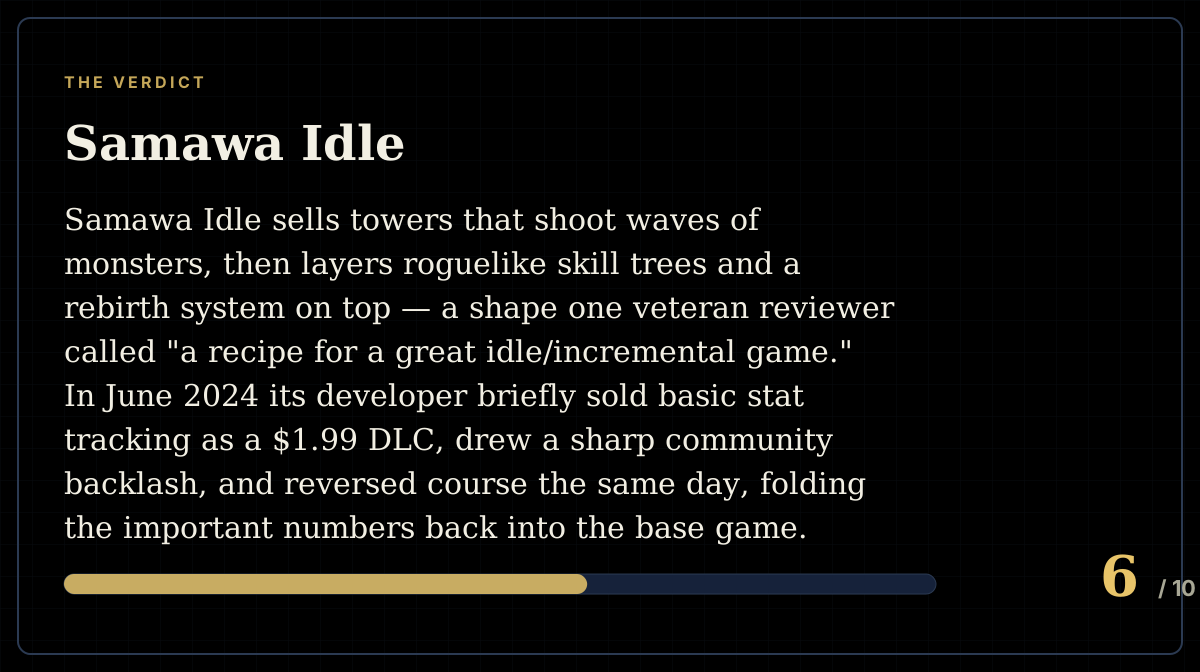
Samawa Idle sells towers that shoot waves of monsters, then layers roguelike skill trees and a rebirth system on top — a shape one veteran reviewer called "a recipe for a great idle/incremental game." In June 2024 its developer briefly sold basic stat tracking as a $1.99 DLC, drew a sharp community backlash, and reversed course the same day, folding the important numbers back into the base game. That fast response is to the developer's credit; what it can't undo is a harder, better-argued complaint from the genre's most experienced players: the 2024 expansion's ascension system gates true automation behind roughly ten hours of post-reset grinding and ties further progress to random shard drops, which several detailed reviews say fights the entire point of an idle game.
Biggest strengths
- A tower-and-skill-tree loop several long-time idle players call more interesting than the genre's usual template, with rarity-modified towers adding real build variety
- The developer responded to the paid-stats backlash within roughly a day, publishing an "Apology: Important Stats Now in Base Game" post and folding the DLC's core information into the free release
- Genuinely high engagement on both sides of the review split — negative reviewers log a median 43.5 hours before souring, positive reviewers a median 63.7 hours, several past 300
Biggest weaknesses
- A $1.99 "More Stats & Visuals" DLC originally sold a damage meter and detailed statistics separately from the base game — several reviewers call the practice "scummy" and unprecedented for the genre, even though it was substantially reversed the same day
- One of the most detailed reviews in the sample, from a player citing extensive experience with NGU Idle, Idle Wizard and Clicker Heroes, alleges the developer solicited Discord members to post reviews after the apology "to drown out the backlash" — a single, unverified account rather than an independently corroborated pattern
- The 2024 "Expansion 2.0" ascension system locks true idle automation behind roughly ten hours of active post-reset grinding, and further progress depends on a random shard-drop system several reviewers call luck-gated rather than skill- or time-gated
Who it's for: Idle and roguelite fans who enjoy tower-defense positioning decisions and don't mind active early hours before the automation opens up — not players who specifically want a hands-off, purely passive idler from the first session.
Our recommendation: A fair buy at NZ$7.39, especially on sale — the opening 30-40 hours are widely praised, the DLC controversy is resolved, and the developer's Discord is described as active. Go in expecting the post-ascension endgame to feel more like a design compromise than a reward.
6 / 10
Good bones, and a controversy the developer actually fixed
Samawa Idle's premise earns real praise from players who've tried a lot of idle games: place towers with randomised rarity modifiers, let them grind through waves of monsters, spend XP on a skill tree that adds crits, projectile bounces and other build-shaping effects. "The systems and style of the game as laid out are a recipe for a great idle/incremental game," wrote one reviewer with over 1,500 hours logged. Another compared it favourably to a genre landmark: "If this was 2017 it would stand on its own next to Clicker Heroes."
In June 2024, alongside a major "Expansion 2.0.0," the developer shipped a $1.99 DLC called "More Stats & Visuals" that bundled a damage meter and detailed statistics — information most idle games give players for free — behind a separate purchase. The backlash was immediate and specific: "We already paid for the game and now useful information requires further investment," read the sample's top-voted negative review. "I don't think I ever seen this tactic before in an idle game." What happened next is worth crediting: the same day, the developer published a post titled "Apology: Important Stats Now in Base Game" and folded the core information back into the free release, keeping only cosmetic extras — new backgrounds and some flavour stats — behind the paid DLC. That's a fast, largely substantive walk-back, not a token gesture.
One detail complicates the credit, and this review treats it as exactly what it is — a single, detailed account rather than an established fact. The same top-voted reviewer alleges the developer "asked the community members on Discord to leave reviews after making the apology post," calling it an attempt to "drown out the backlash from the community" with a wave of positive reviews. Nothing else in the sample read for this review corroborates that specific claim, so it's reported here as one experienced player's characterisation, not as a verified account of what happened.
The complaint that survived the apology
The DLC backlash faded; a harder complaint from the same review and several others didn't. Once a player reaches the post-2.0 "ascension" system, multiple detailed reviews argue the design actively works against the genre's central promise — that the game keeps producing progress while you're not actively playing it. "It also lacks the idle factor for the entire beginning of the game," the top-voted reviewer wrote. "Ten hours after ascending, I had just unlocked the idle abilities to upgrade towers, tier the towers up, and purchase tower upgrades... And that's after having played the game for 50 hours beforehand." A second reviewer, a self-described 60-hour 100%-achievement completionist, reached the same conclusion independently: "for an idler, the automation system here is REALLY bad."
The same review lays out a specific, quantified design flaw worth repeating in full because it's the kind of claim this library can check the logic of rather than just the sentiment: pushing to harder zones after ascending, the game's stated way to earn more of its "Valor" prestige currency, turned out to be slower than simply repeating an easy early zone. "It took me over 10 hours to push my way to zone 370 for a mere 6 of the ascension currency," the reviewer wrote. "You can rush to zone 100 in about 20 minutes to get 1 Valor. So in the 10 hours I spent... I could have just farmed zone 100 and obtained over 30 Valor." Layered on top is a shard system gating further buffs behind random drops — "you can spend hours farming for a 20% chance to receive a shard per 100 zones... progression will come down to RNG" — which the same reviewer argues should be redesigned around guaranteed, chosen stats rather than luck.
The playtime numbers back up "it hooks you before it disappoints you"
What keeps Samawa Idle from reading as simply a bad game is how long even its critics stick around. The 42 negative reviews sampled here carry a median logged playtime of 43.5 hours; the 58 positive ones sit at 63.7 hours, with individual accounts past 300, 500, 600 and even 1,400 hours. That's an unusually high floor for a Mixed-rated release in this genre — this isn't a corpus of players bouncing off a rough tutorial, it's one of players who invested seriously and then split on whether the back half of the game honoured that investment. Steam's achievement curve tells a similar story: 99.1% clear the opening milestone, a healthy 58.6% median across all 50, and even the fourth rebirth tier — deep into exactly the system the detailed critics target — still clears for 23.4% of owners. People are reaching the contested endgame; they're just not all agreeing it was worth reaching.
Final verdict
Samawa Idle is a case of good instincts undercut by two different kinds of overreach — one the developer caught and largely reversed within a day, one that's still shaping the reviews of its most experienced players nearly two years later. The tower-and-skill-tree loop, the rarity-modified building system and a developer that responds fast to a monetisation misstep are all real strengths for NZ$7.39. Set against that: a post-ascension automation gate that several detailed reviewers say breaks the idle promise for its first ten hours, a shard system that ties further progress to luck rather than play, and a studio that hasn't patched this game since October 2024 while launching three others. 6.0 reflects a genuinely well-built opening thirty-plus hours that a meaningful share of its most invested players say the second half doesn't live up to.
Pros and cons
Pros
- A tower-and-skill-tree loop several long-time idle players call more interesting than the genre's usual template, with rarity-modified towers adding real build variety
- The developer responded to the paid-stats backlash within roughly a day, publishing an "Apology: Important Stats Now in Base Game" post and folding the DLC's core information into the free release
- Genuinely high engagement on both sides of the review split — negative reviewers log a median 43.5 hours before souring, positive reviewers a median 63.7 hours, several past 300
- No ads, subscriptions or premium currency in the Steam release, and no other paid DLC beyond the one that was walked back
Cons
- A $1.99 "More Stats & Visuals" DLC originally sold a damage meter and detailed statistics separately from the base game — several reviewers call the practice "scummy" and unprecedented for the genre, even though it was substantially reversed the same day
- One of the most detailed reviews in the sample, from a player citing extensive experience with NGU Idle, Idle Wizard and Clicker Heroes, alleges the developer solicited Discord members to post reviews after the apology "to drown out the backlash" — a single, unverified account rather than an independently corroborated pattern
- The 2024 "Expansion 2.0" ascension system locks true idle automation behind roughly ten hours of active post-reset grinding, and further progress depends on a random shard-drop system several reviewers call luck-gated rather than skill- or time-gated
- A detailed calculation from one veteran reviewer shows repeatedly farming an early zone yields more prestige currency per hour than pushing to harder zones — a "noob trap" that rewards players for not engaging with the game's stated progression path
- The developer's last update to Samawa Idle itself was an October 2024 bugfix; the same news feed has since announced three unrelated new games from the studio
Screenshots
-
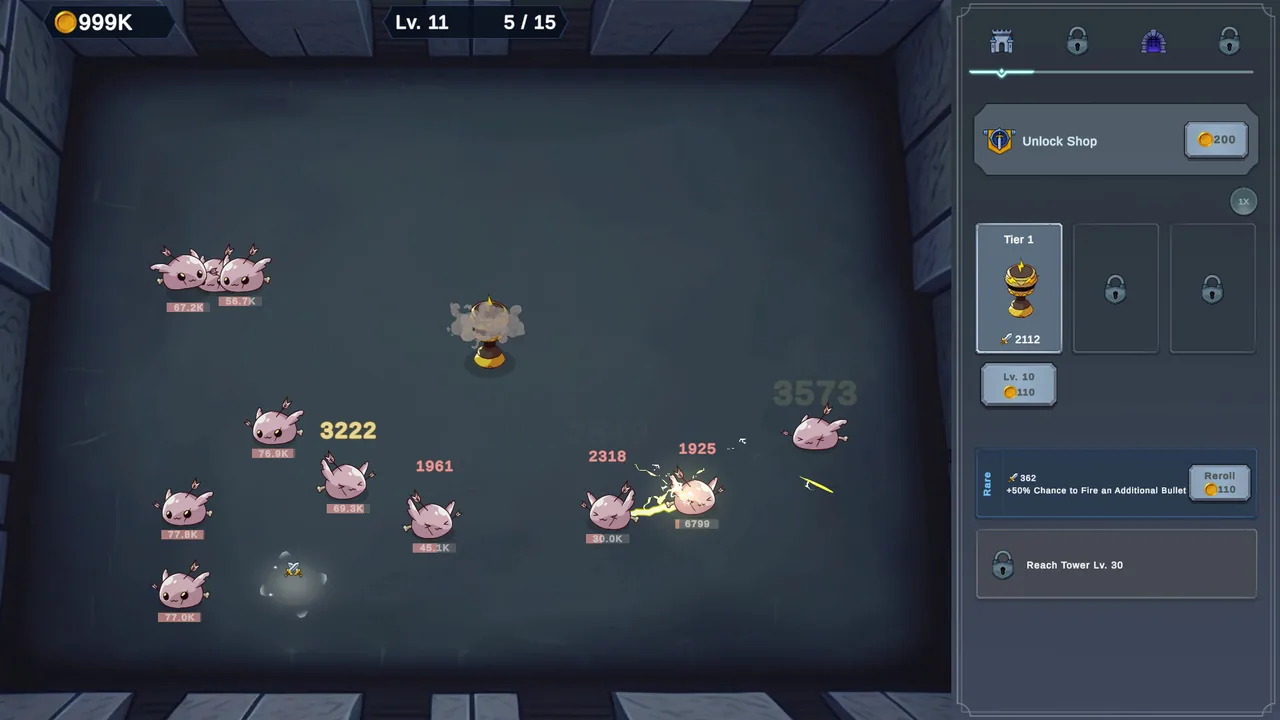
Samawa IdleImage: Samharia Studios via Steam -
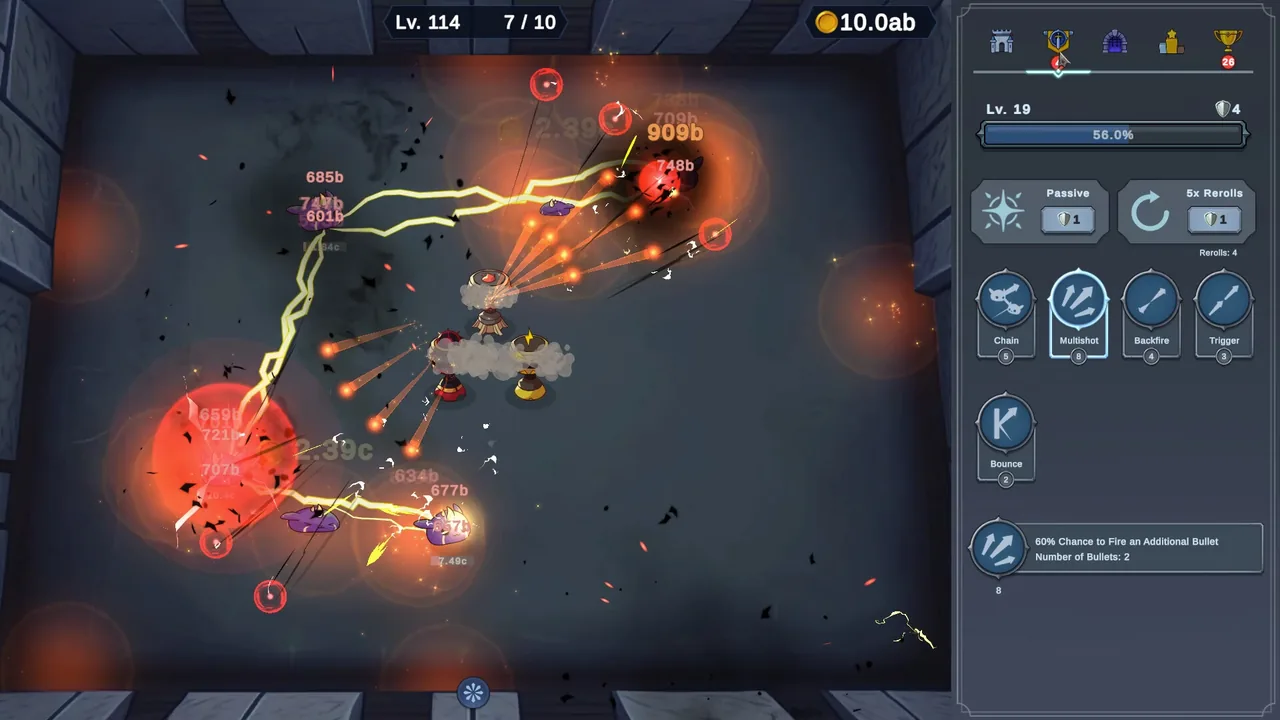
Samawa IdleImage: Samharia Studios via Steam -
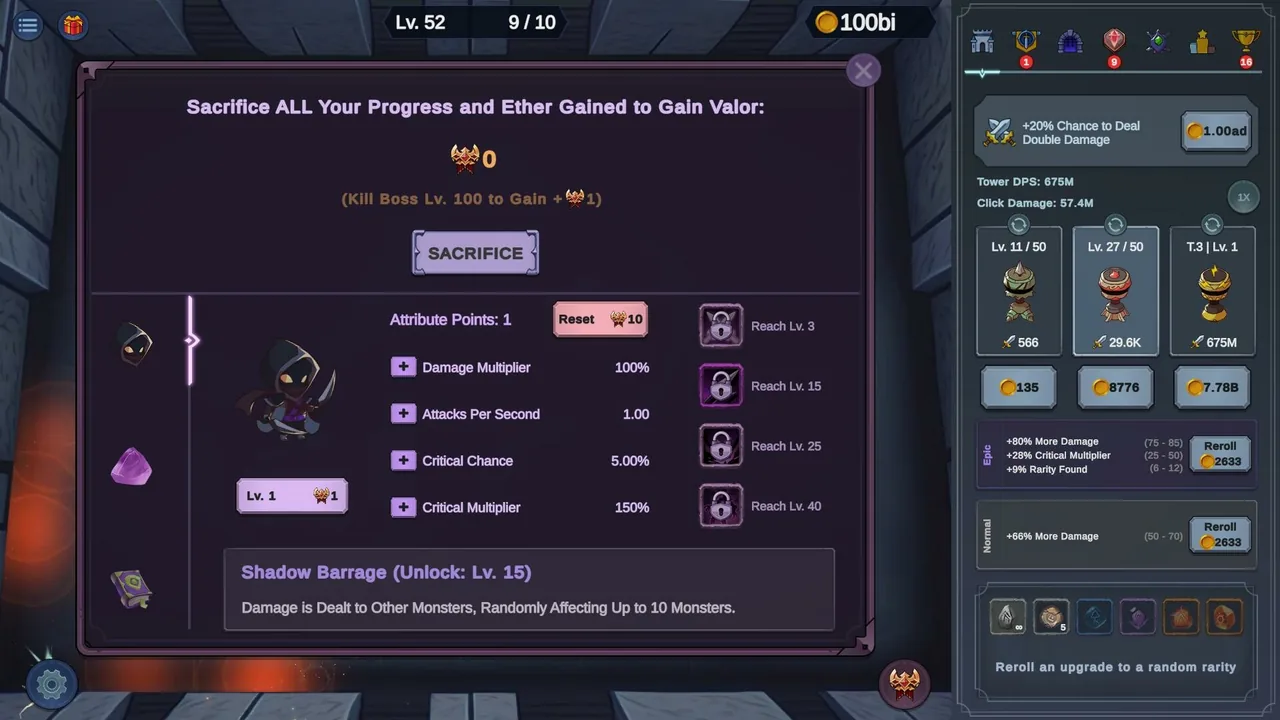
Samawa IdleImage: Samharia Studios via Steam -
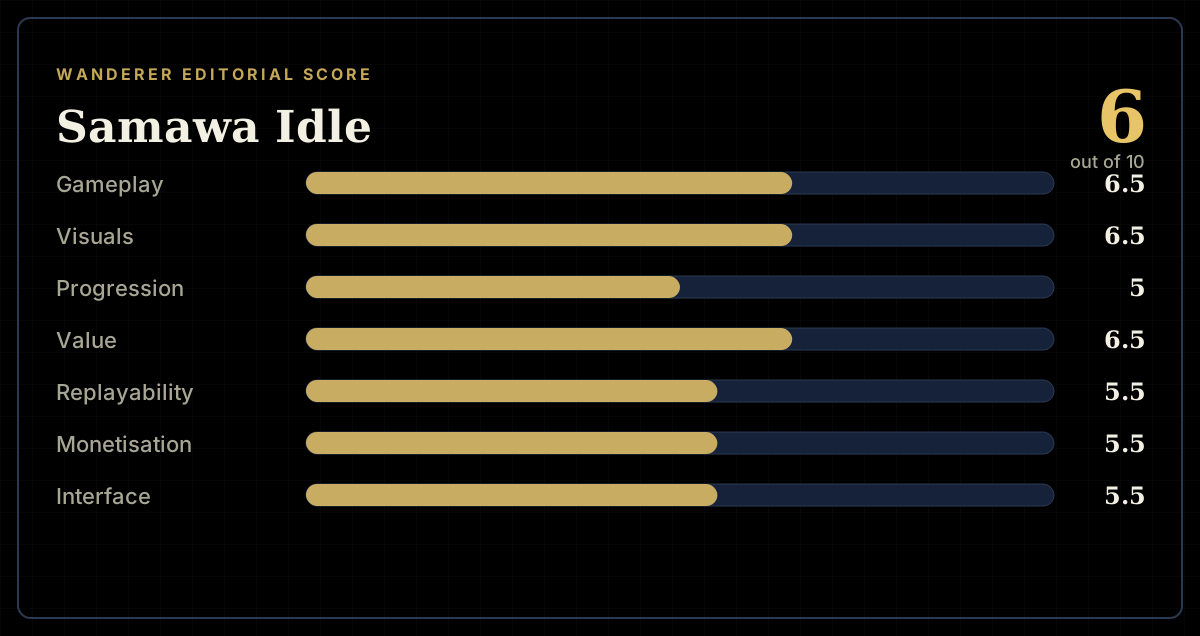
How the review scores each part of the gameWanderer Editorial -
Samawa Idle at a glanceWanderer Editorial -
The short versionWanderer Editorial