Game review
Room 713 Review: An Anomaly-Spotter With a Shining-Sized Mystery Underneath
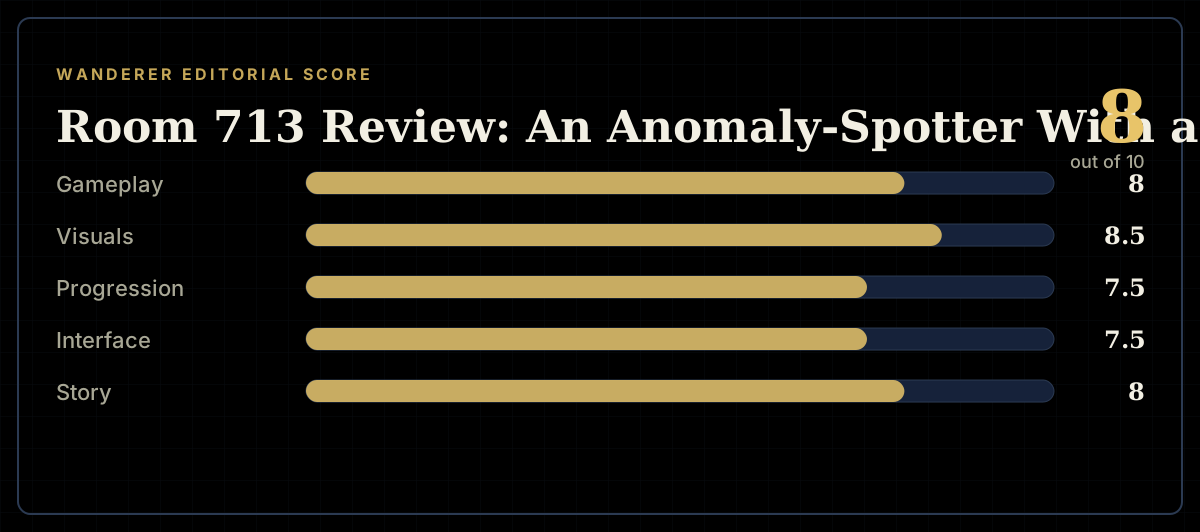
8 / 10
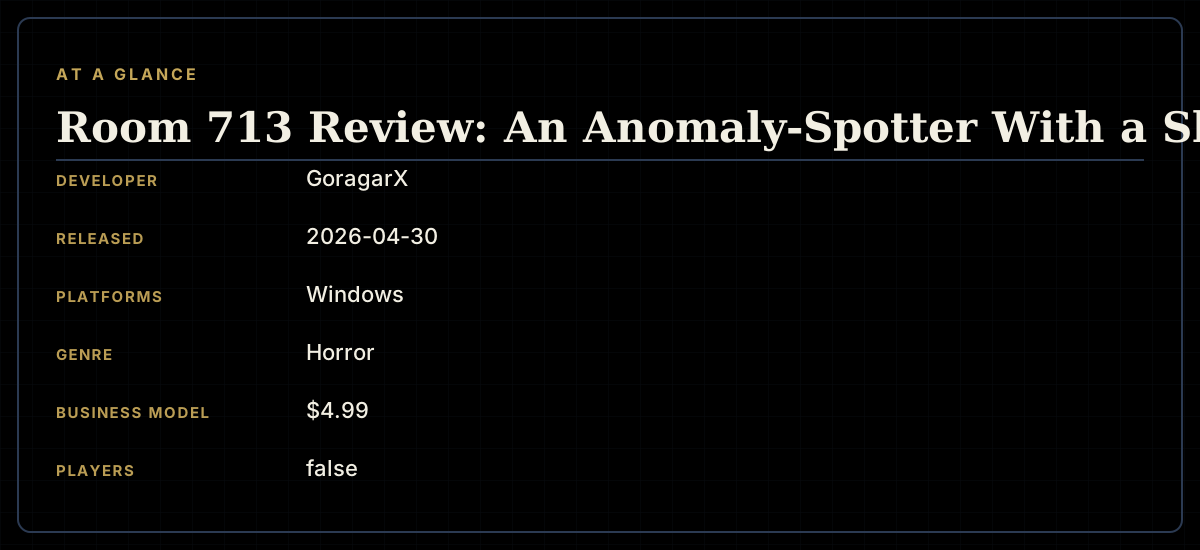
- Developer
- GoragarX
- Publisher
- GoragarX
- Released
- 30 April 2026
- Platforms
- Windows
- Genre
- Horror
- Monetisation
- $4.99
- Players
- false
The short version
Room 713 takes a genre that could easily feel oversaturated and adds enough atmosphere, story, and puzzle-solving depth to stand out, delivering a genuinely unsettling, Shining-inspired hotel mystery that reviewers overwhelmingly consider one of the best anomaly-spotting games available.
Biggest strengths
- Significantly more depth than a typical anomaly-spotting game, with an actual murder mystery narrative, interactive puzzles, collectible items, and multiple distinct endings
- A strong, consistently praised atmosphere with explicit and well-executed nods to The Shining, built around a 1978 hotel setting that reviewers say sustains genuine dread
- An unusually large and varied set of over 40 anomalies, ranging from subtle environmental changes to unsettling lore-driven moments and the occasional joke, that reviewers say rarely feel repetitive
Biggest weaknesses
- A detailed critical review argues the anomaly-hotel setting itself is now overcrowded, with at least four similar games already covering the same basic formula, regardless of how well this particular one executes it
- A small but present minority of the sample found the core loop generically boring, echoing the broader genre-fatigue concern from a harsher angle
- At least one reviewer reports the game failing to launch entirely on an AMD RX 9070 XT GPU, while working fine on another card, pointing to a specific and unresolved compatibility issue
Who it's for: Best for fans of anomaly-hunting horror games like Exit 8 who want more story and puzzle depth than the genre usually offers; a poor fit for players already burned out on the hotel/corridor anomaly subgenre or wanting fast, jump-scare-heavy horror.
Our recommendation: Buy it
8 / 10
A tape recorder, a room number, and a long night ahead
Room 713 opens in May 1978: after a long night's drive, the player arrives at an empty hotel lobby where a lone tape recorder delivers a single message — "Your room is 713." From there, the game settles into a familiar rhythm for anyone who's played Exit 8 or its many imitators: walk a loop of hotel corridors and rooms, spot anything that's changed since the last pass, and choose to go left if something's wrong or right if everything checks out. Get it right enough times and you climb a floor; get it wrong and you're sent back to the start.
More game than the formula suggests
What separates Room 713 from the wave of anomaly-spotters it clearly draws from, according to reviewers, is how much is layered on top of that core loop. Reviewers repeatedly describe finding interactive puzzles, collectible items, locked trunks and number-locked doors, and a genuine murder mystery narrative that unfolds as players progress, delivered partly through the hotel environment and partly through radio broadcasts. One detailed review compares its inspection and interaction systems favorably to Resident Evil 7, arguing the game earns comparisons well beyond its genre's usual scope.
The Shining is doing a lot of the atmospheric heavy lifting
Multiple reviewers explicitly call out strong The Shining influences, from the hotel's isolated 1978 setting to specific room and bathroom moments several reviewers describe as giving them "PTSD" in a complimentary sense. That atmosphere is consistently cited as the game's standout achievement, with reviewers praising sustained dread built through sound design and environmental storytelling rather than relying on frequent jump scares, though a handful of scares are present and effective enough to catch even confident players off guard.
Over 40 anomalies, and reviewers say they rarely repeat themselves
The sheer variety of the game's more than 40 anomalies draws specific praise across the sample: subtle changes that require careful attention, unsettling lore-tied moments tied to the murder mystery, and the occasional intentionally goofy or joke anomaly for tonal variety. Reviewers who've played several other games in the genre specifically call out how creative and memorable individual anomalies feel compared to more repetitive competitors, with more than one reviewer singling out a mannequin-head anomaly as a personal favorite.
A crowded genre is still a real headwind
Not every reviewer is sold, and the sample's most detailed critical review makes a genre-fatigue argument rather than a quality one: the hotel-corridor anomaly setting has already been used by at least four other games the reviewer can name, and no amount of individual execution fully escapes that sense of familiarity for players who've already worn out the format. A smaller handful of more blunt negative reviews echo the same underlying complaint in simpler terms, describing the core loop as boring regardless of the narrative dressing around it.
A couple of technical rough edges
Reviewers report two distinct technical issues worth flagging. One Korean-language reviewer says the game fails to launch entirely on an AMD RX 9070 XT graphics card while working normally on a different GPU, an unresolved compatibility problem for at least that specific hardware configuration. Separately, more than one reviewer, including one specifically testing on a powerful PC, reports small stutters when the game streams hotel-level geometry in and out during play — a minor but repeated complaint rather than an isolated report.
Built for more than one playthrough
Room 713 ships with multiple distinct endings, extra game modes including a speedrun mode, and enough hidden detail that several reviewers explicitly describe continuing to play well past reaching a first ending in pursuit of the rest. Reviewers who admit to being easily scared describe working up the courage to fully explore rooms rather than rushing past them, framing the game's replay incentives as a meaningful strength rather than padding, and multiple reviewers note it runs well on Steam Deck for anyone wanting a portable session.
A demo that earned patient goodwill
Room 713 ran a public demo well ahead of its April 30 launch, with reviewers specifically recalling having stumbled onto it, enjoying it, and waiting for the full release with genuine anticipation. That pre-launch runway appears to have paid off in the sample's reception: several reviewers frame the full game as a clear improvement on what the demo showed, and the developer's willingness to keep iterating publicly, including addressing feedback and removing AI-generated placeholder content along the way per the game's own patch notes, is cited approvingly by reviewers who followed the project's development.
A game built to be watched, not just played
A large share of the sample links out to their own YouTube or Twitch playthroughs, and several reviewers frame Room 713 explicitly as a game they'd recommend playing with friends or watching streamed, citing the tension of arguing over which door to pick and the shared payoff of piecing the mystery together as a group. One reviewer specifically recommends it to both casual solo players and streamers alike, suggesting the game's mix of accessible anomaly-spotting and a genuinely rewarding deeper mystery gives it appeal on both sides of the screen.
Verdict
Room 713 takes on a genre that risks feeling exhausted and, per its review sample, largely succeeds anyway, using a strong Shining-inspired atmosphere, a genuine murder mystery, and an unusually large, creative pool of anomalies to distinguish itself from its many imitators. A vocal minority's genre fatigue and a couple of specific technical issues are worth going in aware of, but at under five dollars, it's an easy recommendation for anyone still willing to give the format one more shot.
Pros and cons
Pros
- Significantly more depth than a typical anomaly-spotting game, with an actual murder mystery narrative, interactive puzzles, collectible items, and multiple distinct endings
- A strong, consistently praised atmosphere with explicit and well-executed nods to The Shining, built around a 1978 hotel setting that reviewers say sustains genuine dread
- An unusually large and varied set of over 40 anomalies, ranging from subtle environmental changes to unsettling lore-driven moments and the occasional joke, that reviewers say rarely feel repetitive
- Impressive visual and audio polish for a solo-developed $4.99 release, with several reviewers specifically noting it avoids the generic asset-flip feel common in the genre
Cons
- A detailed critical review argues the anomaly-hotel setting itself is now overcrowded, with at least four similar games already covering the same basic formula, regardless of how well this particular one executes it
- A small but present minority of the sample found the core loop generically boring, echoing the broader genre-fatigue concern from a harsher angle
- At least one reviewer reports the game failing to launch entirely on an AMD RX 9070 XT GPU, while working fine on another card, pointing to a specific and unresolved compatibility issue
- Minor performance stutter is reported when the game streams parts of the hotel level in and out, even on capable PCs, according to more than one reviewer
Screenshots
-
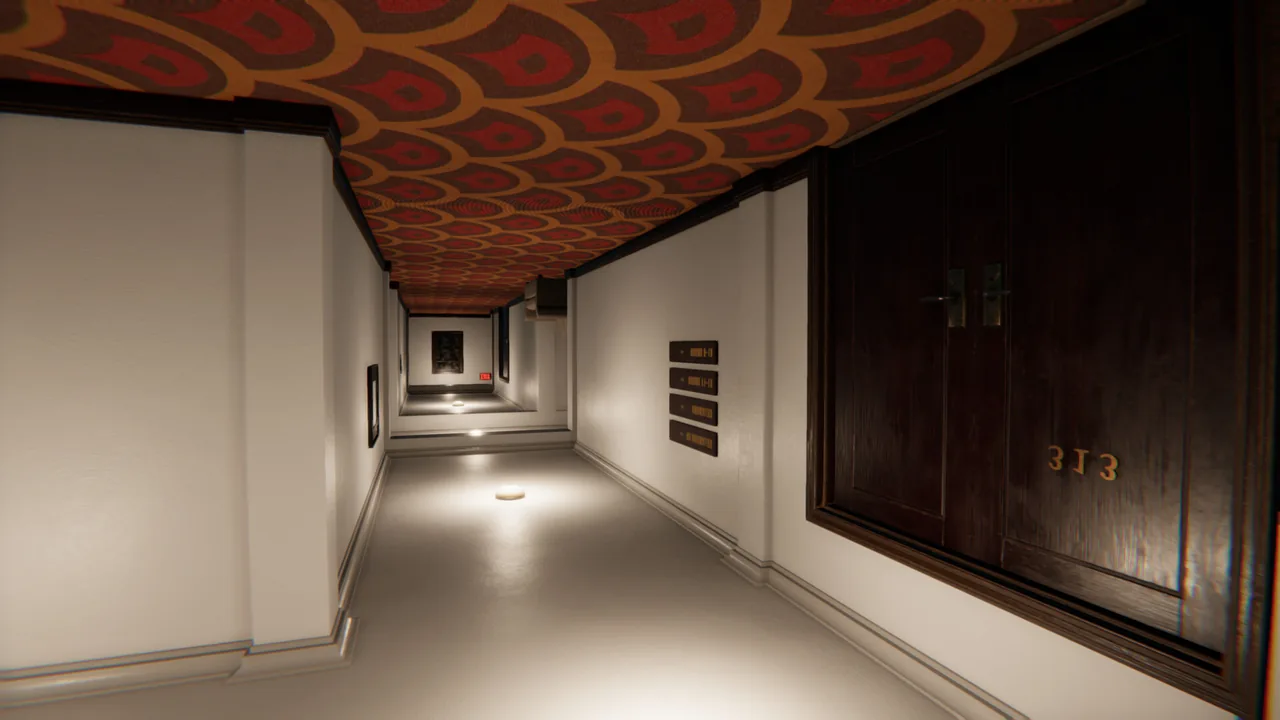
Image: GoragarX via Steam -
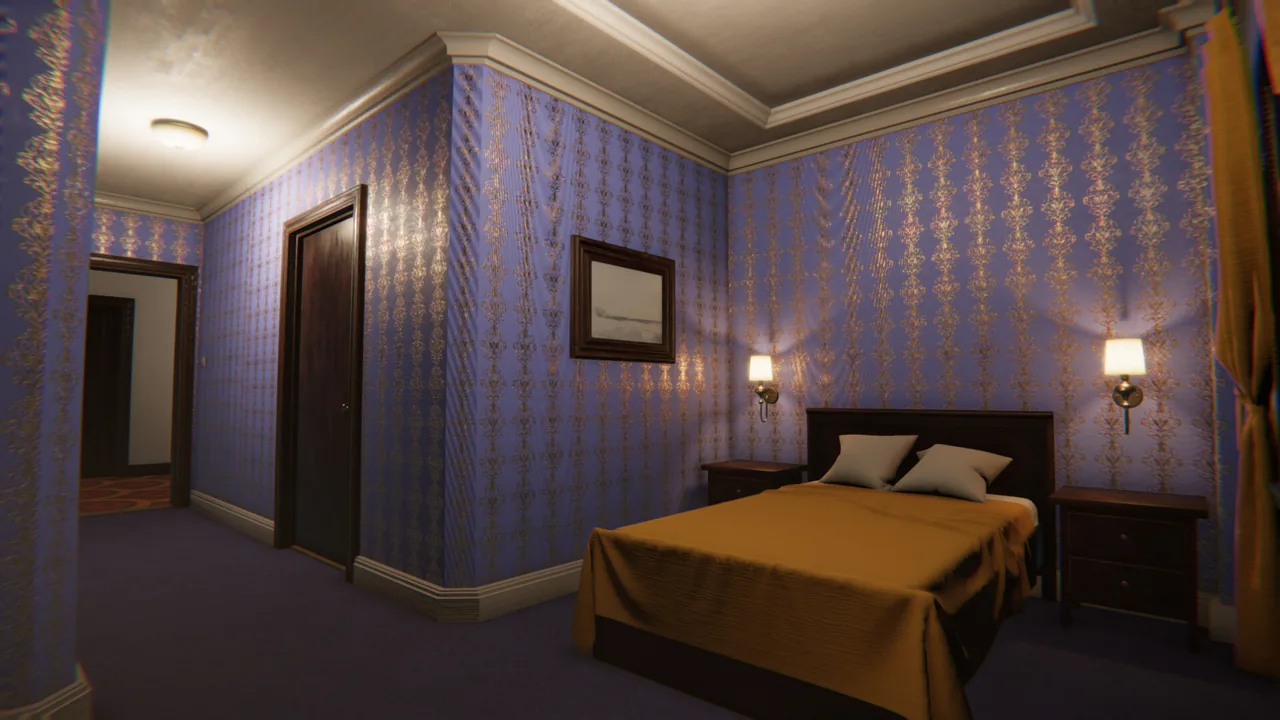
Image: GoragarX via Steam -
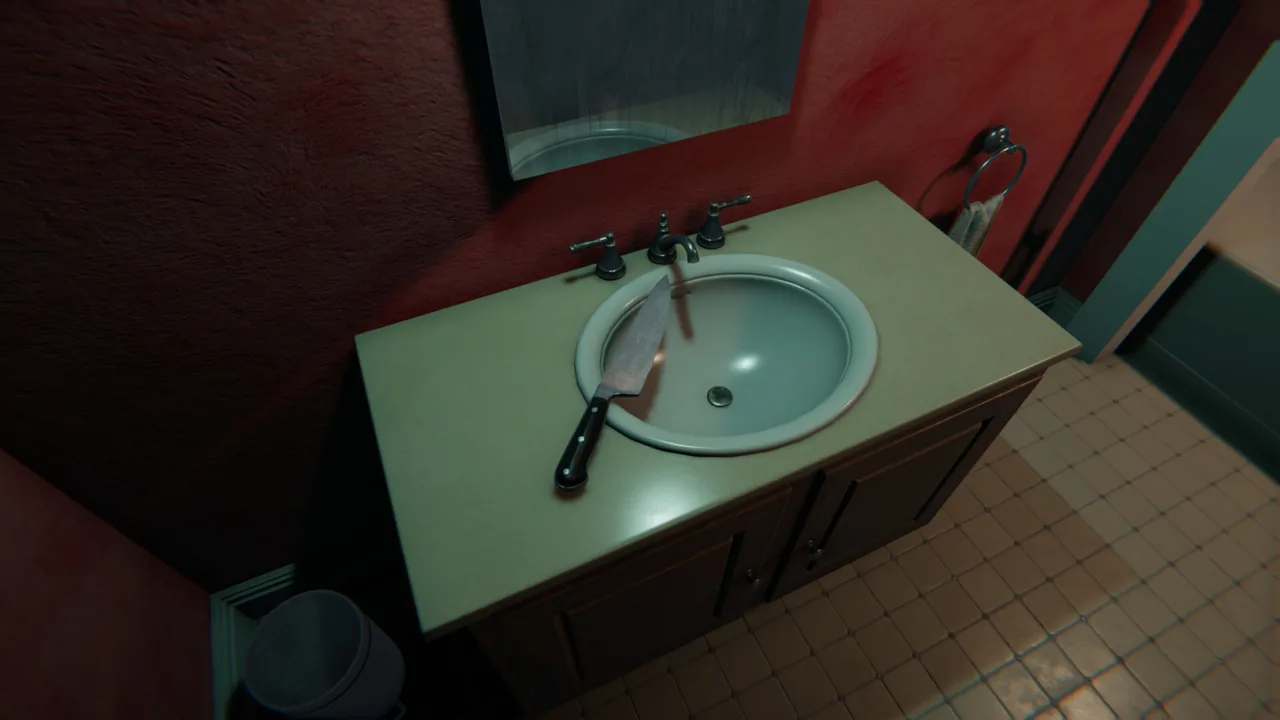
Image: GoragarX via Steam -
Wanderer Editorial -
Wanderer Editorial -
Wanderer Editorial