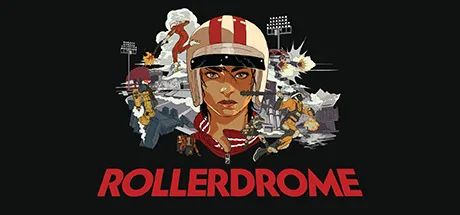
Game review
Rollerdrome
8 / 10
- Developer
- Roll7
- Publisher
- 2K
- Released
- 16 August 2022
- Platforms
- Windows
- Genre
- Action, Sports, Shooter
- Monetisation
- One-time purchase, no DLC, no in-app purchases
- Players
- Single-player only, with online leaderboards
The short version
Rollerdrome fuses trick-scoring rollerskating with bullet-time gunplay in a retro-dystopian arena shooter, chaining tricks, dodges and headshots into a single combo system across a score-chasing campaign. Developed by Roll7 — the studio behind the OlliOlli series — and published by 2K, it released 16 August 2022 and sits at Very Positive, 89.4% across 1,899 English-language reviews. The gameplay itself draws exceptional, specific praise, and the game went on to win a BAFTA award. Since early 2025, however, this game's review page carries a second, separate story: parent company Take-Two Interactive shut down Roll7 entirely as part of roughly 600 industry-wide layoffs, and a large, growing share of both positive and negative reviews now explicitly recommend against purchasing the game at all, since none of the revenue reaches the people who made it. This review scores the game on its own merits and reports the labour dispute as a separate, serious fact readers should weigh for themselves.
Biggest strengths
- The core hybrid of trick-scoring skating and bullet-time gunplay is widely and specifically praised as genuinely original, with reviewers repeatedly struggling to find a clean comparison and settling on mashups of Tony Hawk's Pro Skater, Max Payne, Jet Set Radio and SUPERHOT
- A striking 70s European comic-book art style paired with a dystopian krautrock-inspired soundtrack draws wide, specific praise for tying the whole aesthetic together
- A robust set of built-in accessibility options — invincibility, unlimited ammo, adjustable slow-motion and damage, and the ability to skip individual challenges — genuinely lets players tailor the experience rather than simply lowering a single difficulty slider
Biggest weaknesses
- The game is genuinely, sometimes severely difficult, and several reviewers report press coverage describing it as breezy and immediately rewarding set expectations the actual campaign doesn't match, leading to real frustration for players who didn't anticipate a demanding skill curve
- The campaign structure requires replaying earlier levels to grind out challenges before progressing, which multiple reviewers single out as the most frustrating structural choice in an otherwise excellent game
- Since early 2025, Take-Two Interactive has shut down Roll7 entirely as part of a roughly 600-job industry-wide layoff round, confirmed by multiple independent games-press outlets; the game was briefly delisted from storefronts as a result and has since returned
Who it's for: Fans of stylish, skill-based arcade action who want something genuinely unlike anything else available; readers should also weigh the studio-closure situation described below before deciding whether and how to buy.
Our recommendation: One of the most inventive, best-executed action games of its year, now inseparable from a serious question about where your money actually goes — read the whole review before deciding how to act on that.
8 / 10
Introduction
Rollerdrome sends a lone rollerskater into a retro-futuristic gladiatorial arena, chaining tricks and headshots into a single fluid combo system where landing a jump refills ammunition, dodging in slow motion opens up precise shots, and style is inseparable from survival. Developed by Roll7 — best known for the OlliOlli skateboarding series — and published by 2K, it released 16 August 2022 and sits at Very Positive, 89.4% across the 1,899 English-language reviews this review draws from. On pure craft, this is one of the most distinctive, well-executed action games this library has covered, and its reception reflects that. But this review needs to do something unusual: separate two questions that this game's own Steam page has, since early 2025, made impossible to read independently of each other.
A genre mashup that earns every comparison it invites
Start with what makes Rollerdrome work, because the praise here is unusually specific and consistent. The core loop — skating through an arena, chaining grinds and airs into a trick-and-ammo economy, slowing time to line up precise shots mid-combo — draws reviewers into genuinely creative comparisons rather than lazy ones. One reviewer described it as what happens when "Jet Set Radio, Tony Hawk's Pro Skater, and SUPERHOT had a threesome and produced this magnificent masterpiece." Another called it "Max Payne if he were a playable character in Tony Hawk," relocated to a 2030s dystopia where park security carries guns. A third combined three touchstones at once: "Max Payne, Ultrakill and Tony Hawk's Pro Skater had a child and gave it a 70's European comic book aesthetic with a dystopian krautrock-inspired soundtrack." These aren't lazy genre tags — they're specific, considered attempts to locate something that doesn't map cleanly onto anything else available, and the fact that reviewers keep reaching for three-way mashups rather than a single comparison is itself a strong signal of how original the design actually is. The soundtrack and 70s-comic art style draw their own wide, specific praise for tying that identity together rather than just decorating it.
A real, and sometimes misleadingly framed, difficulty
Set against that acclaim is a genuine, specific complaint about difficulty and how it was communicated before launch. A detailed 434-vote review — the single most-upvoted in the entire sample — described going in expecting an accessible, feel-good experience based on outside coverage, quoting a review that called it "an easy game to play that makes you feel awesome while you're playing it." The reviewer's own experience, reaching the campaign's semi-finals and finding no realistic path to improve further, directly contradicted that framing, and they were careful to note this wasn't a complaint about the game being bad — it was a complaint about mismatched expectations set by outside coverage rather than the storefront itself. It's worth noting directly, because other reviewers push back on this specific point: a 90-vote review pointed out that the game ships with a genuinely robust accessibility toolkit — invincibility, unlimited ammunition, adjustable slow-motion duration, adjustable damage taken, and the ability to skip individual challenges outright — arguing that reviewers calling the game "too hard" often hadn't checked the options menu. Both points can be true at once: the default campaign is genuinely demanding, and the tools to soften that exist and are comprehensive, but a player who doesn't know to look for them will have a very different experience than one who does.
A second, more structural complaint concerns the campaign's pacing: several reviewers single out being required to replay earlier levels to grind out challenges before progressing as the most frustrating design choice in an otherwise excellent game, arguing it interrupts the flow-state scoring loop that makes Rollerdrome distinctive in the first place.
The situation this review can't leave out
Here is the part of this review that matters as much as anything above it. Since early 2025, Take-Two Interactive — 2K's parent company — shut down Roll7 entirely, alongside Intercept Games, as part of a round of layoffs affecting roughly 600 jobs company-wide. This is not an unverified allegation from a Steam review: it's confirmed independently across multiple games-press outlets, and the closure had a direct, checkable consequence — Rollerdrome and OlliOlli World were both temporarily removed from digital storefronts in early 2025 before later returning. Reading this game's Steam reviews from that point forward means reading a genuinely bifurcated corpus: reviewers routinely rate the game itself as excellent — "fantastic," "one of the coolest games I've ever played," "some of the most fun I've had in recent years" — while simultaneously and deliberately recommending against buying it. One reviewer wrote plainly: "Rollerdrome is fantastic! That said your money is only going to the publisher not a single developer will receive a cent from your purchase as they were laid off after creating an absolute masterpiece." Another, more bluntly: "Do you make it make sense?" Several go further, explicitly suggesting readers acquire the game through unofficial means specifically so that 2K doesn't profit from work its own decisions ensured the original creators would never see further compensation for.
This review's position is the same one it takes on every genuine consumer-conduct dispute: report the shape of it accurately, cite what's independently verifiable, and let the reader decide how to act on it rather than dictating a conclusion. What's verifiable here is straightforward: Roll7 no longer exists as a studio, the closure was part of a large corporate layoff round rather than the game's commercial failure — reviewers repeatedly note the game won a BAFTA and was critically acclaimed at the time of the shutdown — and a substantial, growing share of this game's review base has organised around that fact strongly enough to shape how they discuss the product at all. Whether that changes how you choose to experience Rollerdrome is a decision this review leaves with you, stated as clearly as the evidence supports.
Where the achievement data lands
Steam's own numbers corroborate the difficulty conversation above: the easiest achievement sits at 90.7%, but completion drops sharply after the campaign's opening stretch, with the hardest, completionist-tier achievements sitting under 1.5% — a genuinely steep curve consistent with both readings of this game's difficulty debate: broadly approachable at the start, and demanding real mastery to see everything it has to offer.
Final Verdict
As a piece of game design, Rollerdrome earns its acclaim: a genuinely original fusion of skating and bullet-time gunplay, styled and scored with real conviction, that plenty of reviewers describe as unlike anything else they've played. Real accessibility options exist for players who find the default difficulty too steep, even though outside coverage arguably undersold how demanding the core campaign is. None of that changes the second fact this review can't set aside: the studio that made this game no longer exists, shut down by its publisher's parent company in a large layoff round, and a meaningful and growing share of this game's own community has organised its reviews around making sure other players know that before they spend money here. Rate the game on its craft, and it's excellent. Decide how you want to actually experience it, and that's a call this review trusts you to make with the full picture in front of you.
Pros and cons
Pros
- The core hybrid of trick-scoring skating and bullet-time gunplay is widely and specifically praised as genuinely original, with reviewers repeatedly struggling to find a clean comparison and settling on mashups of Tony Hawk's Pro Skater, Max Payne, Jet Set Radio and SUPERHOT
- A striking 70s European comic-book art style paired with a dystopian krautrock-inspired soundtrack draws wide, specific praise for tying the whole aesthetic together
- A robust set of built-in accessibility options — invincibility, unlimited ammo, adjustable slow-motion and damage, and the ability to skip individual challenges — genuinely lets players tailor the experience rather than simply lowering a single difficulty slider
- Runs flawlessly on Steam Deck according to multiple reviewers, with the score-chasing loop described as ideal for handheld sessions
Cons
- The game is genuinely, sometimes severely difficult, and several reviewers report press coverage describing it as breezy and immediately rewarding set expectations the actual campaign doesn't match, leading to real frustration for players who didn't anticipate a demanding skill curve
- The campaign structure requires replaying earlier levels to grind out challenges before progressing, which multiple reviewers single out as the most frustrating structural choice in an otherwise excellent game
- Since early 2025, Take-Two Interactive has shut down Roll7 entirely as part of a roughly 600-job industry-wide layoff round, confirmed by multiple independent games-press outlets; the game was briefly delisted from storefronts as a result and has since returned
- A large and growing share of this game's reviews, both positive and negative, now explicitly urge readers not to pay for the game because none of the revenue reaches Roll7's former developers, some going so far as to recommend acquiring it through unofficial means instead
Screenshots
-
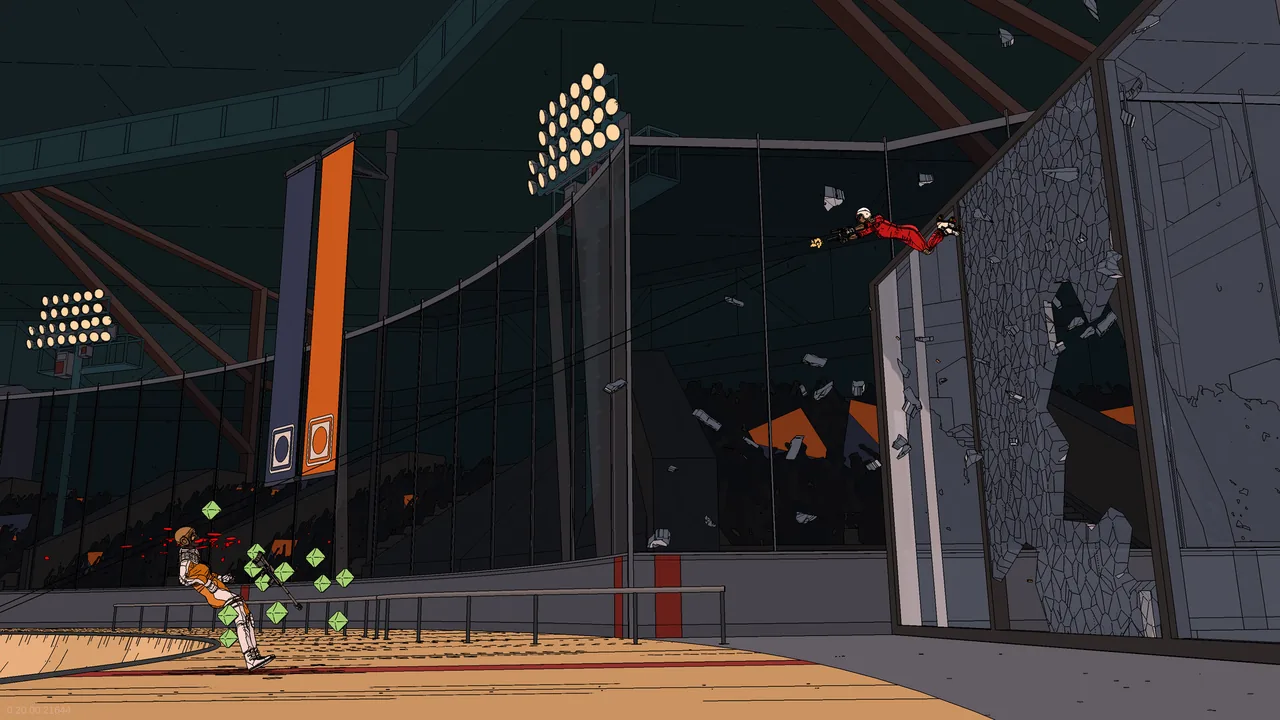
RollerdromeImage: 2K via Steam -
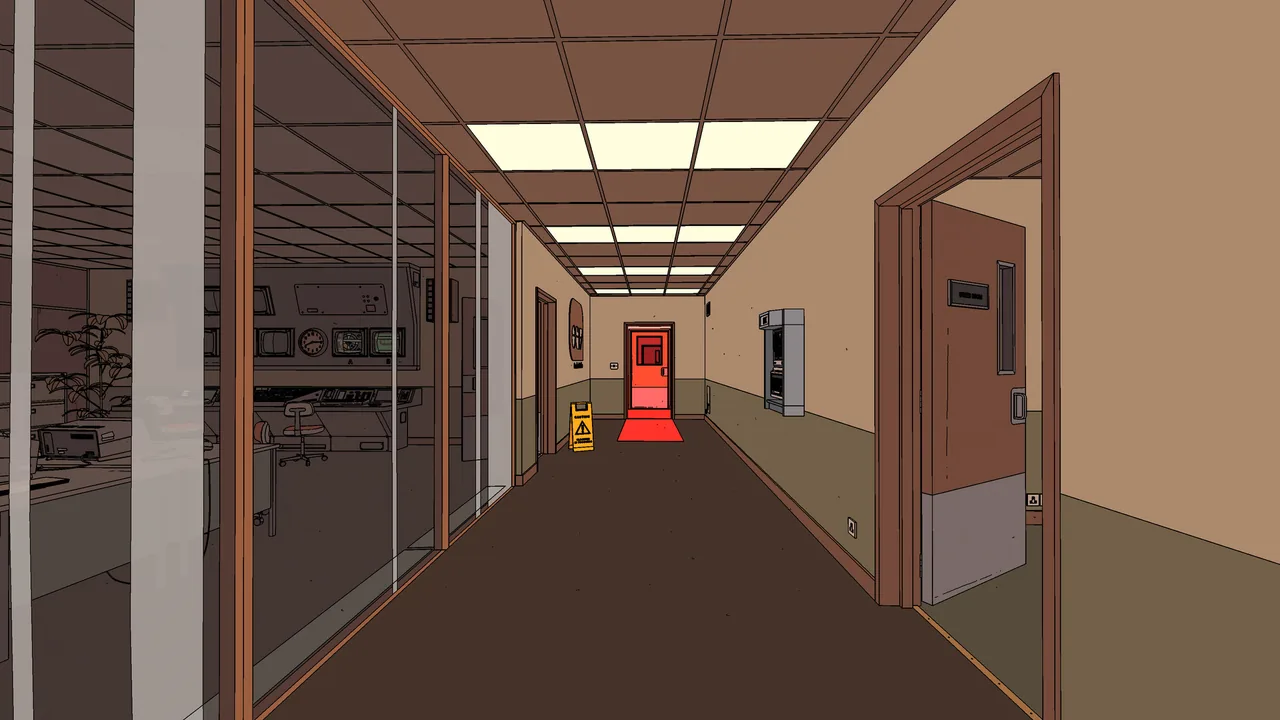
RollerdromeImage: 2K via Steam -
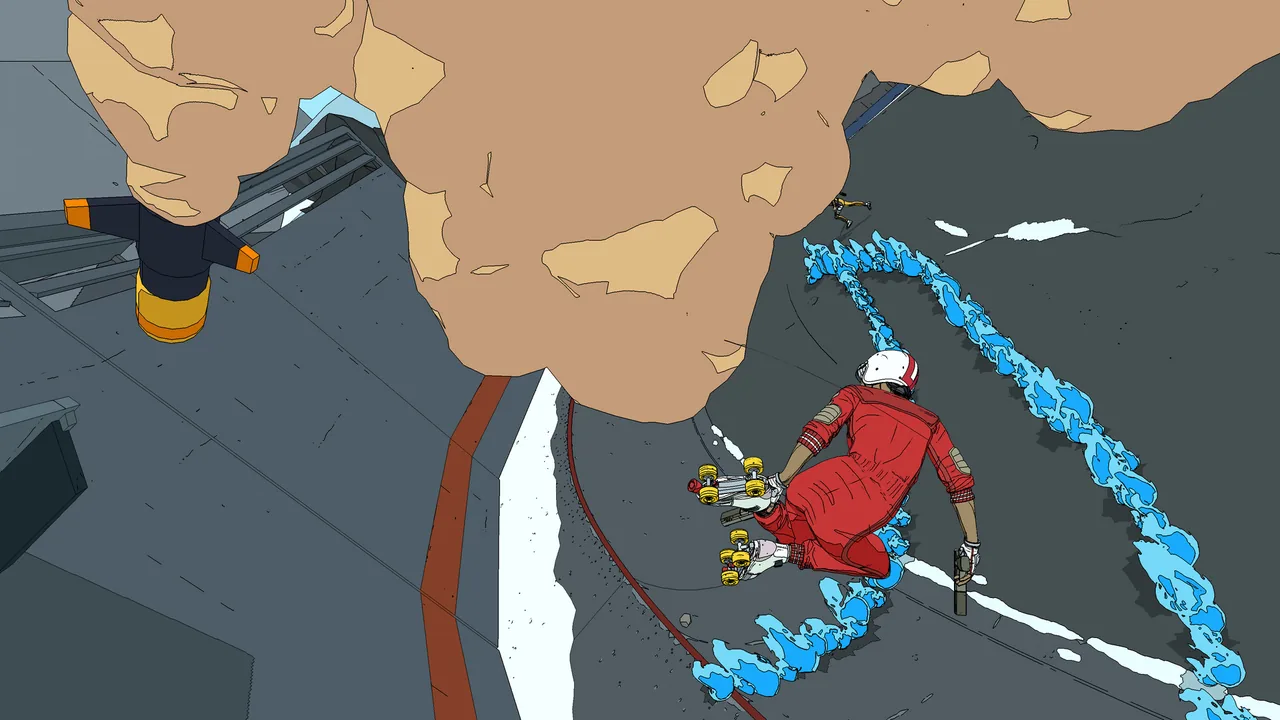
RollerdromeImage: 2K via Steam -
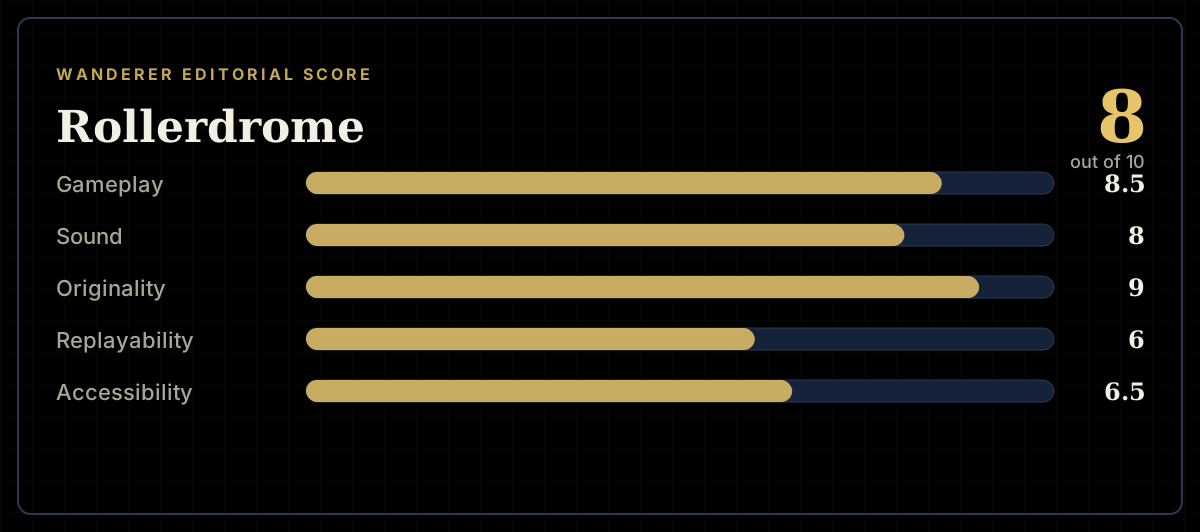
How the review scores each part of the gameWanderer Editorial -
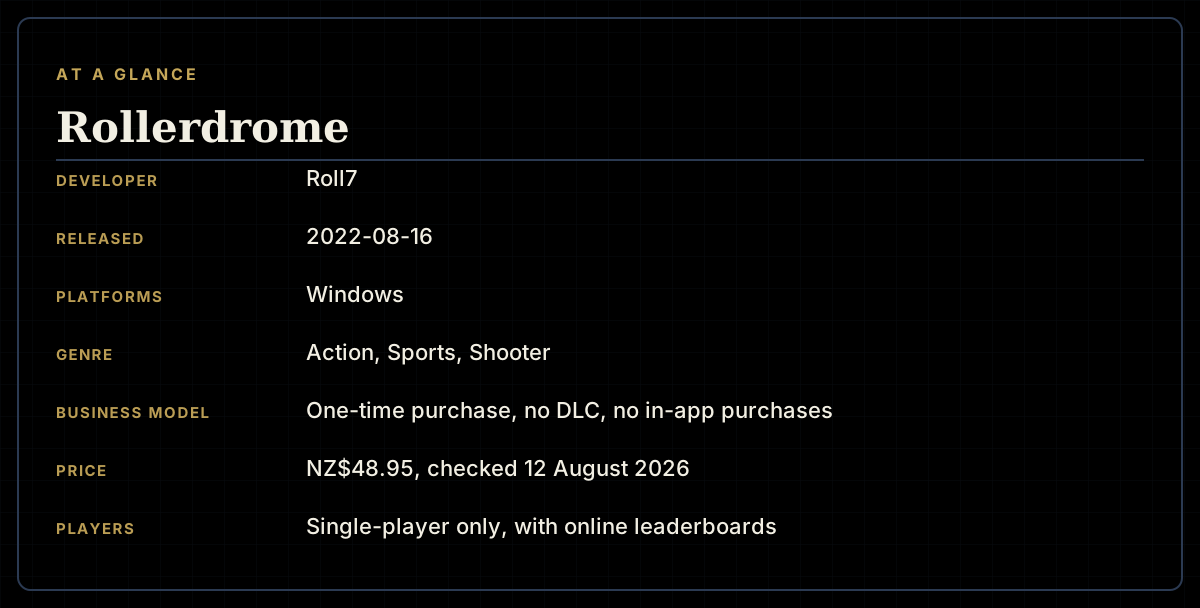
The essentials at a glanceWanderer Editorial -
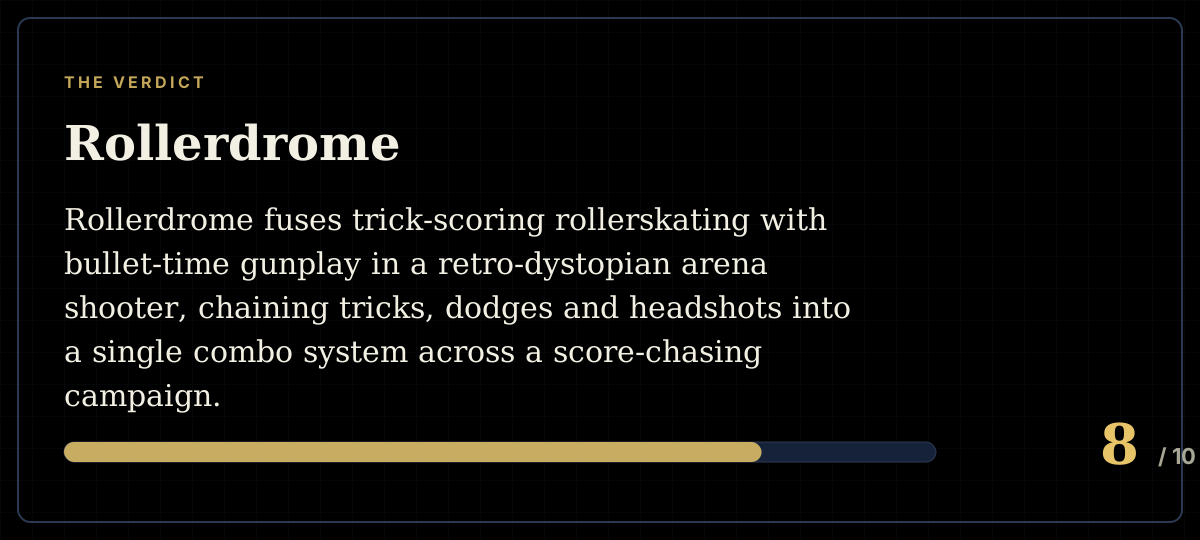
The short versionWanderer Editorial