
Game review
PsyUp: A Psychological Physics Puzzle
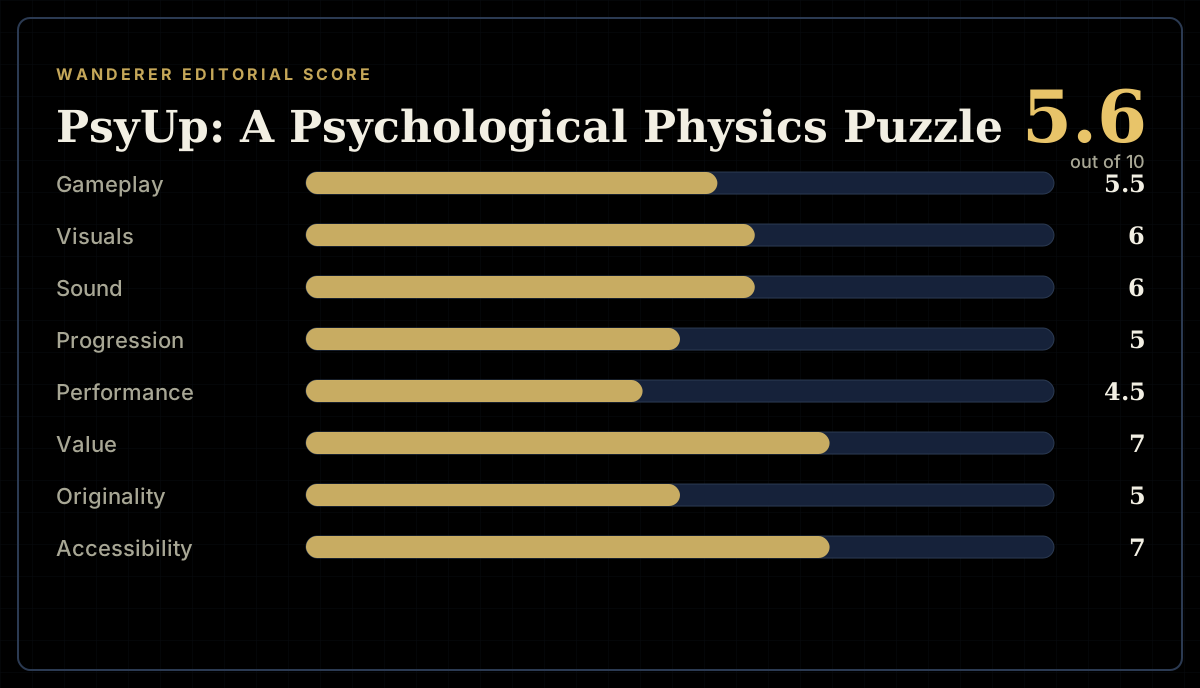
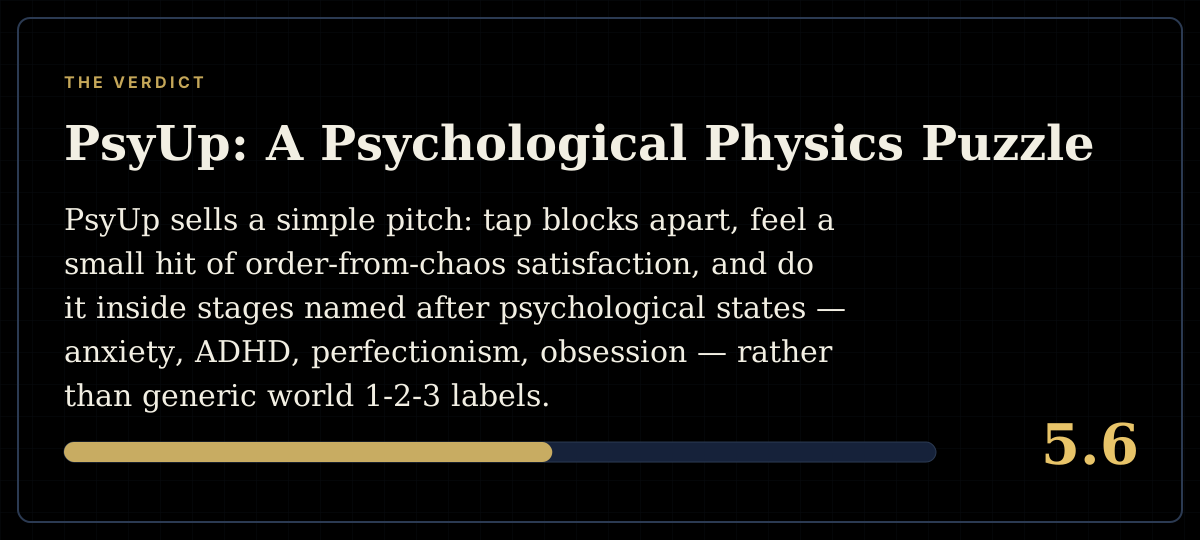
5.6 / 10
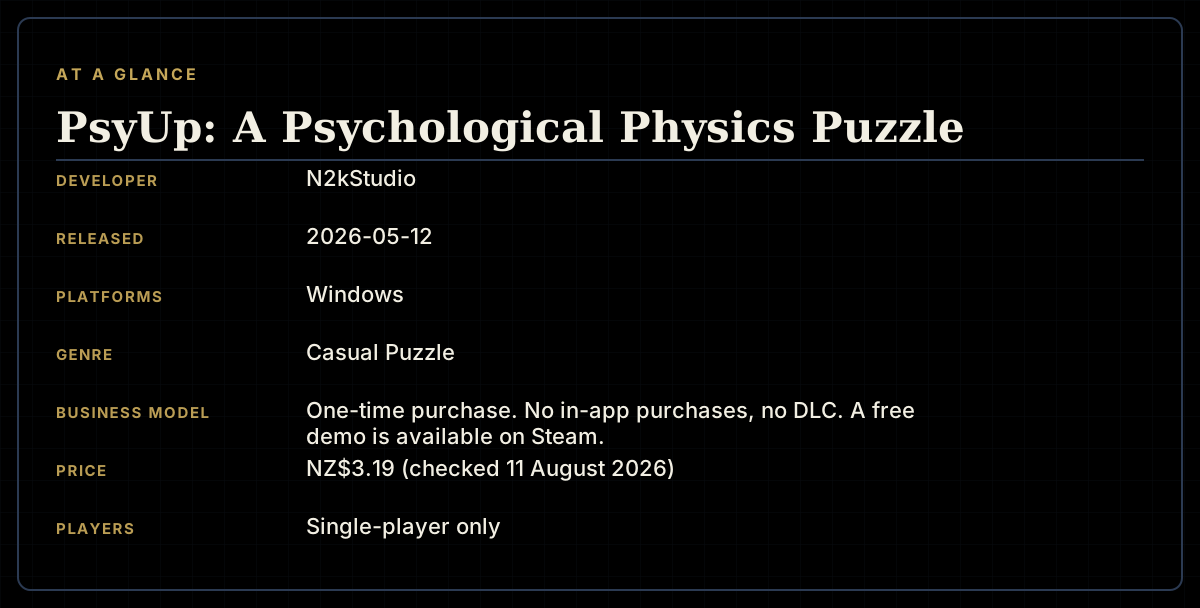
- Developer
- N2kStudio
- Publisher
- N2kStudio
- Released
- 12 May 2026
- Platforms
- Windows
- Genre
- Casual Puzzle
- Monetisation
- One-time purchase. No in-app purchases, no DLC. A free demo is available on Steam.
- Players
- Single-player only
The short version
PsyUp sells a simple pitch: tap blocks apart, feel a small hit of order-from-chaos satisfaction, and do it inside stages named after psychological states — anxiety, ADHD, perfectionism, obsession — rather than generic world 1-2-3 labels. The block-breaking itself is exactly as described, a light, short-session physics toy with no real difficulty ceiling. What's much less certain is whether the "psychological" half of the pitch means anything beyond a naming scheme, because the only reviewer who wrote more than a one-liner about it says plainly that the connection between level and disorder doesn't hold up under scrutiny.
This is also a release with almost no public record to check that against. Three months after launch, PsyUp has exactly two Steam reviews — one recommending it, one not — and Steam's own achievement data shows a game that keeps most players for its first couple of stages and then bleeds them steadily for the rest of its length. At NZ$3.19, with a free demo sitting right there on the store page, the downside of trying it is small. The upside is a pleasant but unremarkable half-hour, possibly interrupted by the bugs the one detailed negative review describes in some detail.
Biggest strengths
- Extremely cheap at NZ$3.19, with a free demo available so nobody has to buy blind
- The core loop — tap, break, watch blocks fall into place — is simple enough to pick up instantly and does not gate itself behind reflexes or timers
- Genuinely strong accessibility profile: Steam lists playable at your own pace, playable without timed input, save anytime, mouse-only and touch-only options, and custom volume controls
Biggest weaknesses
- The only detailed review on either side of the split reports it as "sporadically glitchy"; the negative review goes further, describing enough bugs that it feels unfinished
- The central hook — stages modelled on named psychological phenomena — reads as thinner than advertised to the one reviewer who actually engaged with it: "I absolutely fail to see the connection"
- Achievement data shows a steep player drop-off: roughly 96% of players clear the first stage, but only around 1 in 9 reach the game's final achievements
Who it's for: Anyone who wants a cheap, low-stakes physics fidget-toy for short sessions and doesn't need the "psychological" framing to hold up to scrutiny to enjoy breaking blocks.
Our recommendation: Try the free demo first. The price is low enough that the demo, not the review score, should be what decides this one.
5.6 / 10
Introduction
PsyUp: A Psychological Physics Puzzle is a budget indie release from N2kStudio, published on Steam on 12 May 2026 at NZ$3.19. Its pitch, straight from the store page, is disarmingly small: "every block you break feels like taking a weight off your mind." There's no combat, no story cutscenes, no meta-progression tree — just short physics stages where blocks tumble apart under gravity and the player's taps, wrapped in a framing device where each world corresponds to a "personality": fast like anxiety, chaotic like ADHD, rigid like perfectionism. It's a tiny game by any measure, and three months after release it has attracted a correspondingly tiny public record — this review draws on Steam's storefront data, its achievement statistics, and both of the two user reviews the game has received, because there simply isn't a third one to read.
Gameplay
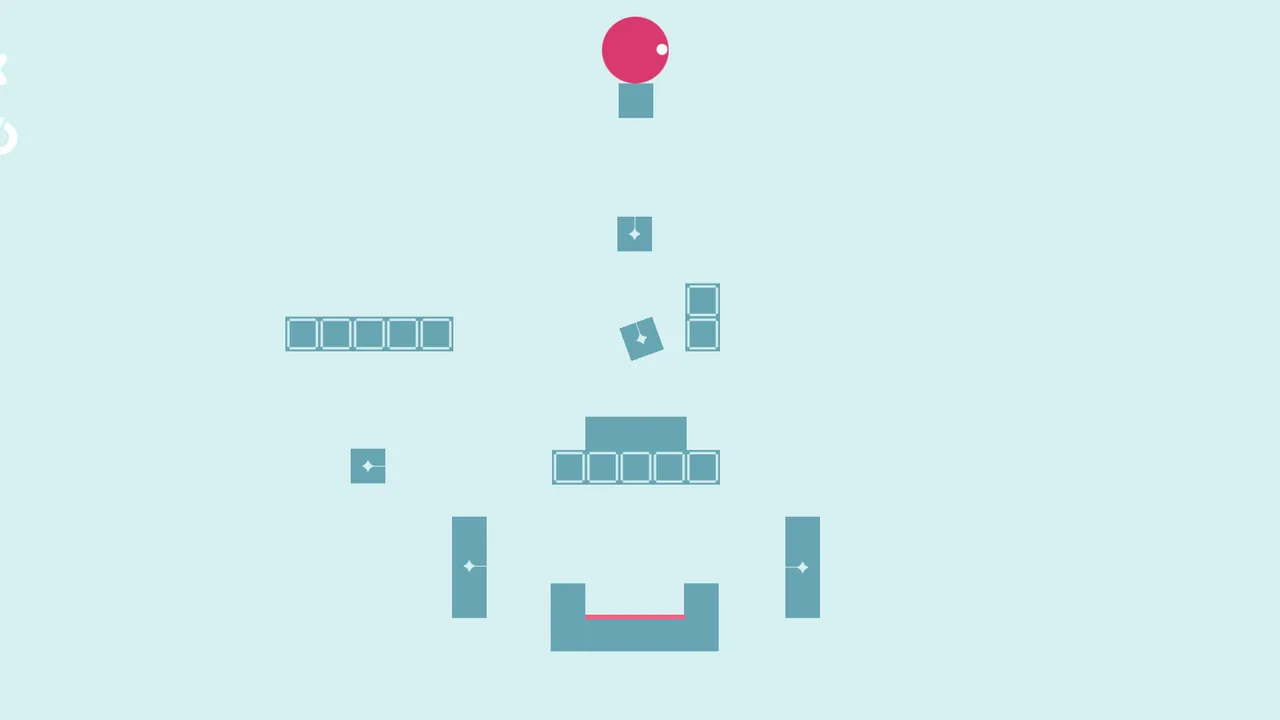
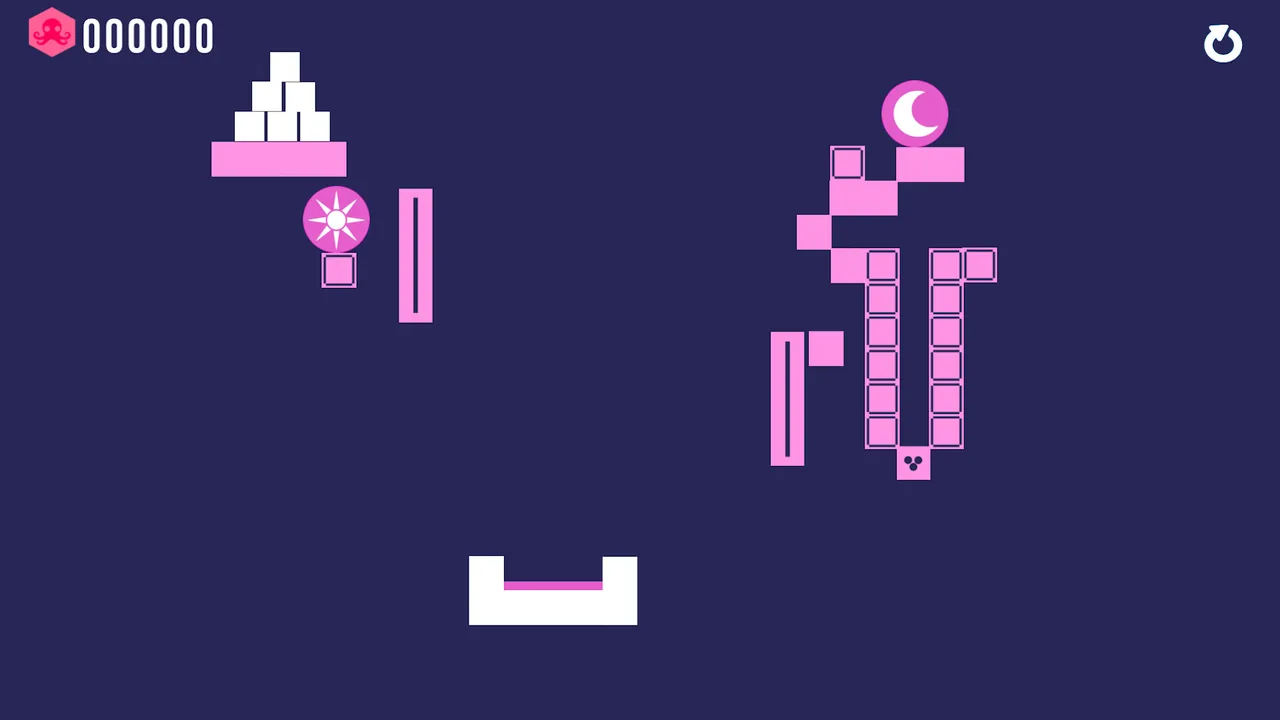
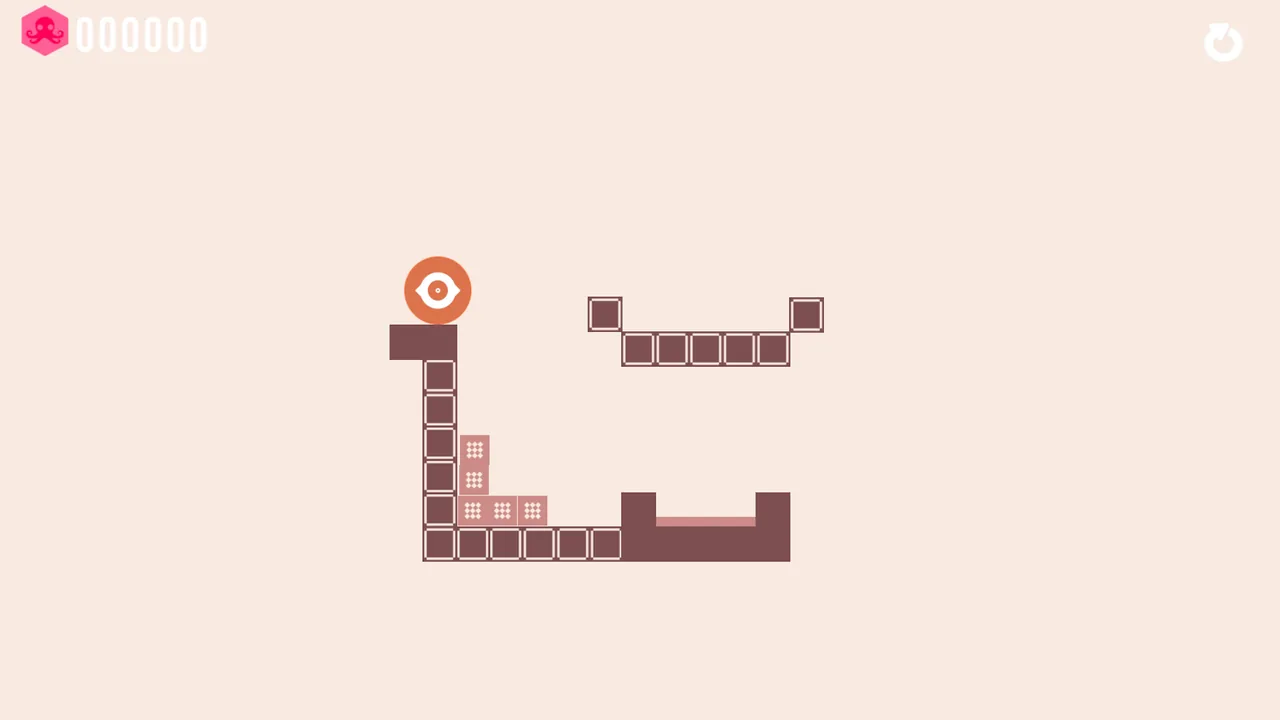
The loop the store page describes is deliberately uncomplicated: tap or click to break physics blocks apart, level by level, with "instant feedback" and no explicit fail state getting in the way of what the developer calls "that irresistible just one more feeling." Categories on the Steam listing back that framing up mechanically — the game is tagged playable at your own pace, playable without timed input, and save anytime, none of which suggest anything resembling pressure or a difficulty curve with teeth. The one reviewer who left more than a one-line verdict confirms the shape of it: a "nice" puzzle game, short, and — in their words — "a quite quick one to 100%." That combination, low difficulty and a short achievement list, points at a game designed to be finished in an afternoon rather than one built for long engagement, which tracks with everything else on the store page.
Where the same reviewer pulls back is reliability: they call it "sporadically glitchy" even while recommending it. The negative review is far less generous, describing "so many bugs" that the game reads as an early alpha rather than a finished product, and singling out the level design as "abhorrend" on top of it. Two data points don't establish a pattern, but it's notable that even the review recommending the game doesn't claim it runs cleanly — which is the one thing both reviews, for all their disagreement, actually agree on.
The psychological framing
The "psychological" half of the title is the one thing that separates PsyUp from any other cheap block-breaker on Steam, and it's also the part that draws the most scepticism from the only player who engaged with it seriously. Steam's own achievement list, once decoded, spells the theming out plainly: alongside sequential stage achievements, the end-game achievements include names that translate from Portuguese as "daily life," "anxiety" and "OCD" — internal names that, together with Portuguese being one of only two languages (Brazilian and European) explicitly called out ahead of most of the rest of the supported-language list, suggest the game may have been conceived for a Portuguese-speaking audience before this English-first Steam release. Whatever the origin, the pitch is that each stage's physics — its speed, its chaos, its rigidity — is meant to model the psychological state it's named after.
The one reviewer to comment on it directly isn't convinced it works: "I'm just not sure why the devs chose to name the levels after mental disorders - as a layman in psychology, I absolutely fail to see the connection." That's a single opinion, not a verdict, but it's the only first-hand account of whether the theming actually reads as intended during play, and it lands closer to "marketing hook" than "designed connection." The negative review goes further and more bluntly, doubting a psychologist was involved in the level design "at all." Readers should weigh that against the fact that this entire section rests on two Steam reviews and the developer's own store copy — there simply isn't enough independent testimony yet to say definitively whether the theming lands for most players or only a few.
Progression and the achievement curve
With so few written reviews, Steam's global achievement percentages are the most useful signal this game has generated. The pattern is a familiar one for short, cheap puzzle games: 96.1% of players who have earned any achievement have cleared the first two stages, a number close enough to universal that it mostly measures who bought and briefly opened the game. From there the curve falls steadily rather than cliff-diving — 80.7% by stage three, 69.2% by stage four, roughly halving again by the high teens and low twenties, down to around 19% for several of the later numbered stages. By the achievements tied to the game's ending, completion sits around 11.5%, including the achievement for finishing the game outright and the one tied to the OCD-themed closing stage.
Read generously, that's a normal shape for a low-price puzzle game bought on impulse: plenty of players sample it, a shrinking core sees it through, and roughly one in nine finish it entirely — not dissimilar to completion curves for other short indie puzzle titles at this price point. Read less generously, it's consistent with a game that loses a clear majority of its audience somewhere in the middle third, which lines up with the "abhorrend" level-design complaint from the negative review, even if a bug-driven exodus and a boredom-driven one would produce a similar-looking curve and there's no way to distinguish them from achievement data alone.
Presentation and accessibility
The store page frames the presentation in exactly the terms you'd expect from a relaxation-first puzzle game — "soft sounds, a calm rhythm, and clean visuals" designed so "nothing clutters the screen" and "nothing rushes you." None of that is independently verified here, but it's consistent with the game's genre tags (Casual, Indie) and with a minimum spec so light — a dual-core 2.0GHz processor and Intel HD integrated graphics — that it will run on essentially anything built in the last fifteen years. One line in the official system requirements lists minimum memory as "2 MB RAM," which is almost certainly a typo for gigabytes rather than a real spec, but it's the kind of detail that shows up on store pages that haven't had much editorial polish applied to them.
Where PsyUp is genuinely strong, on paper, is accessibility. Its Steam category list includes custom volume controls, mouse-only and touch-only input options, playable without timed input, playable at your own pace, and save-anytime — a combination that removes reflex demands, input flexibility issues, and session-length pressure all at once. For a game explicitly marketed as a stress-relief tool, that list of categories actually supports the pitch, regardless of what one reviewer's bug reports say about its polish.
Reception
The entirety of PsyUp's public reception, three months after launch, is two Steam reviews: one recommending it, one not, with no aggregate rating tier because Steam requires more than a handful of reviews before it assigns one. That is about as thin a sample as a review can honestly work from, and it means every claim above about bugs, level-design quality or the psychological framing rests on one or two voices rather than a consensus. The positive review's own hedging — "not sure how to feel about this one" — is arguably the most representative single sentence available for how this game has landed with the small number of people who've actually written about it.
Final verdict
PsyUp is a small, cheap, low-risk puzzle game whose most interesting idea — physics stages tuned to feel like specific psychological states — is also the part with the least evidence behind it. The mechanical core, tap-and-break physics puzzling with no real difficulty wall, does what the store page says it does. The framing that's supposed to make it more than a generic block-breaker draws a shrug from the only player who wrote about it in any detail, and the same review — plus a considerably harsher second one — both flag bugs as a real problem rather than a minor one. At NZ$3.19 with a free demo sitting on the same store page, there's little reason to trust a review score over ten minutes with the demo yourself. As a rating, though, this sits in solidly mixed territory: a functional, accessible, disposable puzzle toy that hasn't yet proven its bigger idea works, sold at a price where that's a forgivable gamble rather than a costly one.
Pros and cons
Pros
- Extremely cheap at NZ$3.19, with a free demo available so nobody has to buy blind
- The core loop — tap, break, watch blocks fall into place — is simple enough to pick up instantly and does not gate itself behind reflexes or timers
- Genuinely strong accessibility profile: Steam lists playable at your own pace, playable without timed input, save anytime, mouse-only and touch-only options, and custom volume controls
- Minimal system requirements mean it will run on almost anything with a screen
- The one player who wrote a substantive review still recommended it, calling it "a quite quick one to 100%"
Cons
- The only detailed review on either side of the split reports it as "sporadically glitchy"; the negative review goes further, describing enough bugs that it feels unfinished
- The central hook — stages modelled on named psychological phenomena — reads as thinner than advertised to the one reviewer who actually engaged with it: "I absolutely fail to see the connection"
- Achievement data shows a steep player drop-off: roughly 96% of players clear the first stage, but only around 1 in 9 reach the game's final achievements
- Windows only, no Mac or Linux build
- The public review record is close to nonexistent three months post-launch — two reviews total, split one and one — so almost nothing here is independently confirmed by more than a single voice
Screenshots
-
PsyUp: A Psychological Physics PuzzleImage: N2kStudio via Steam -
PsyUp: A Psychological Physics PuzzleImage: N2kStudio via Steam -
PsyUp: A Psychological Physics PuzzleImage: N2kStudio via Steam -
How the review scores each part of the gameWanderer Editorial -
The game at a glanceWanderer Editorial -
The short versionWanderer Editorial