Game review
Primal Reign: The Age of New Kings Review
3.5 / 10
- Developer
- The Games Shed
- Publisher
- The Games Shed
- Released
- 5 January 2026
- Platforms
- ["Windows"]
- Genre
- Action
A Premise Bigger Than the Execution
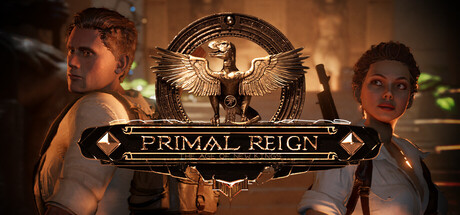
Primal Reign: The Age of New Kings has, on paper, one of the more delightfully absurd pitches to hit VR this year: archaeologist Harriet Edwards and her partner Ronnie Smith are dragged into a 1942 Egyptian dig site that spirals into a three-way collision between Nazi soldiers, reanimated mummies, and rampaging dinosaurs, all while chasing a weapon that could rewrite the war. It's Indiana Jones by way of Jurassic Park with a Wolfenstein chaser, built by a two-person team as a genuine labour of love, entering early access back on January 5th with a free demo attached and reaching what the developers call its biggest milestone, a fully playable start-to-finish campaign, by September. That's a real underdog story. Unfortunately, the game currently in players' hands doesn't yet live up to the pitch, and the early reviews make that painfully clear.
Combat That Fights the Player, Not Just the Enemies
The most damaging complaints leveled at Primal Reign aren't about content volume, they're about basic VR interaction feel, and they're specific enough to take seriously. One detailed review walks through the weapon-handling scheme in granular detail: the grab button picks up a gun, but for some reason the pointing button is what grabs magazines, which then only actually insert when the button is released rather than when physically slotted in, while the bolt racks itself automatically and spent magazines fall out on their own. The reviewer describes being forced to essentially shoot one-handed, cowboy-style, because the intended two-handed grip doesn't function as expected. On top of that, they report enemies absorbing an entire magazine at close range while standing their ground. When the core verb of a WWII-and-dinosaurs shooter is shooting, and the shooting itself is the thing reviewers are singling out as broken, that's about as serious a red flag as a VR action game can raise. It's also a genuinely fixable class of problem rather than a fundamental design failure, the kind of input-mapping and enemy-feedback tuning that a small team can iterate on directly once it's been identified this clearly, but until it is fixed it's hard to recommend spending real money to experience it firsthand.
Short, and Still Finding Its Legs
A second reviewer picked the game up specifically because they'd played the earlier free demo, and reports finding barely ten more minutes of new content once the free portion ends, at only 37 minutes of total playtime logged. That's a rough state for a $9.99 release to be in, even acknowledging that the developers themselves have been transparent about the "full campaign" milestone only just having been reached after a long early-access stretch built, in their own words, "during long evenings and around the edges of everything else." The same reviewer isn't entirely dismissive, though, calling it "one of the goofiest VR experiences" they've had and drawing a genuinely funny comparison to a three-way mashup of Return to Castle Wolfenstein, Tomb Raider, and Serious Sam 2, saying they'd recommend it once there's a couple of hours of content and basic graphics options in the first room. That's a reviewer rooting for the game to get there, not one dismissing the concept outright.
Presentation That Doesn't Quite Land Either
A third review is more blunt, describing the graphics as merely "nice... for an average vr game" with some decent dynamic simulation work and explosions, but calling the overall playability "TERRIBLE" and pointing to Pavlov VR as an example of a studio that has actually nailed the physical-interaction fundamentals this genre depends on. That's a fair comparison to invite, and an uncomfortable one for a small two-person team to be measured against, but it underlines the same throughline running across all three reviews currently on the store page: the ambition and tone are landing, the moment-to-moment mechanics aren't. Pavlov VR is a demanding yardstick to hold any small studio to, built as it is by a much larger and more established team, but the comparison is telling precisely because it's the reviewer's own instinct, not a critic's, reaching for it.
To the Developers' Credit, They're Still Building
It would be unfair to write this off as an abandoned project. The developers have been consistently shipping updates since the January early-access launch, including a same-window fix for a Meta controller bug that was flipping controllers upside down during XR runtime updates, and September's milestone post frames the newly completed campaign as a genuine turning point rather than a finish line, explicitly describing the road so far as built around a day job rather than full-time development. For a two-person passion project with this much scope ambition, that kind of transparency about where the game currently stands, warts and all, is worth acknowledging even while the reviews reflect real, current frustration.
Verdict
Primal Reign: The Age of New Kings has an appealingly ridiculous premise and a development team that's clearly emotionally invested in seeing it through, but right now the actual moment-to-moment VR shooting, the single most important system in a first-person combat game, is reported as fighting the player rather than serving them, and the campaign itself remains short even after its "complete" milestone. At $9.99, this is a title to wishlist and watch rather than buy today; if the weapon-handling gets sorted out and the campaign fills out further, the goofy WWII-mummies-and-dinosaurs concept underneath could genuinely be worth the price of admission. As it stands, the three reviews currently up all point in the same discouraging direction, and that consensus, thin as the sample is, deserves to be taken seriously.
Screenshots
-
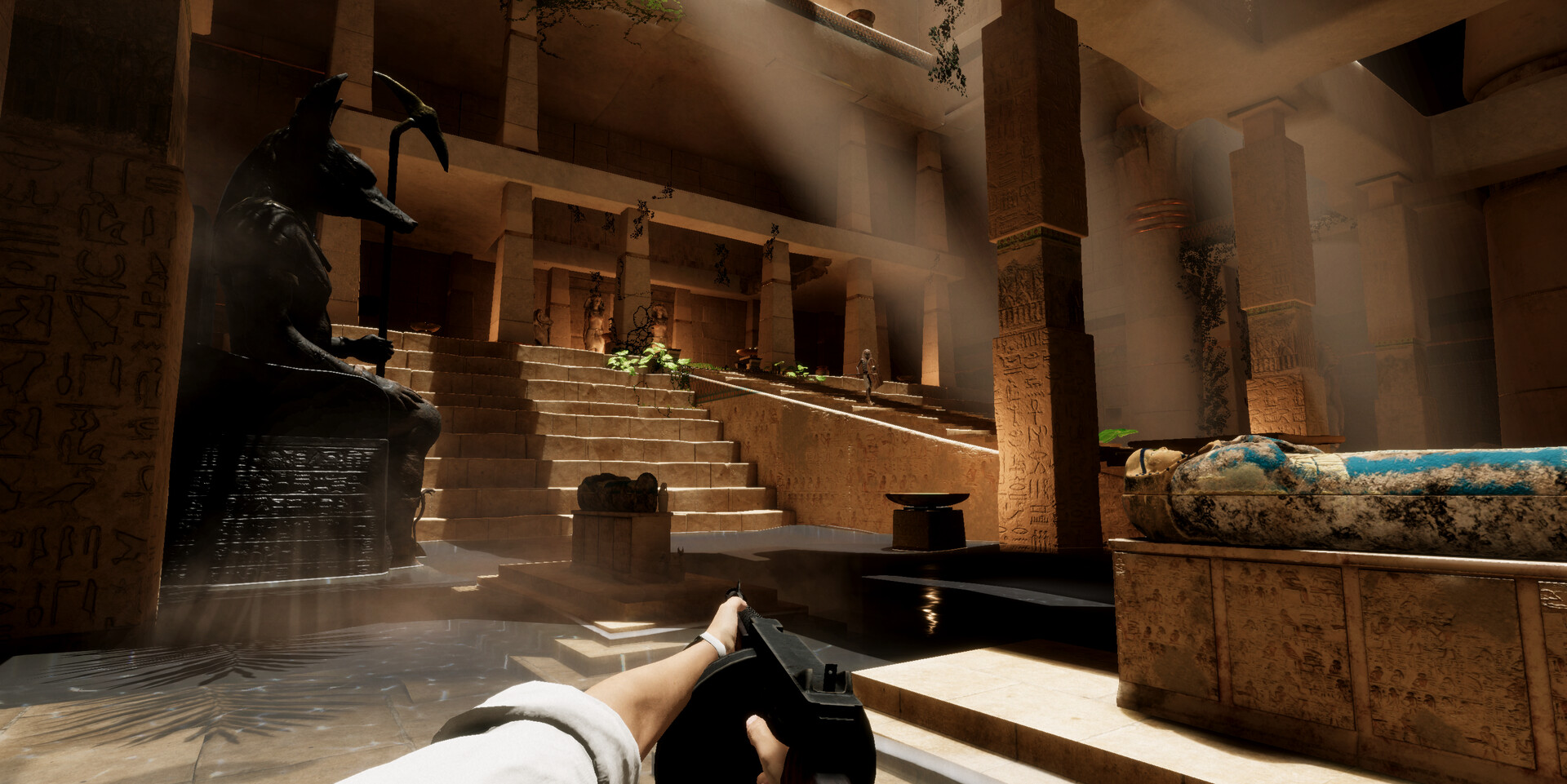
Weapon in hand, exploring an Anubis-guarded chamber deep beneath the sands.Image: The Games Shed via Steam -
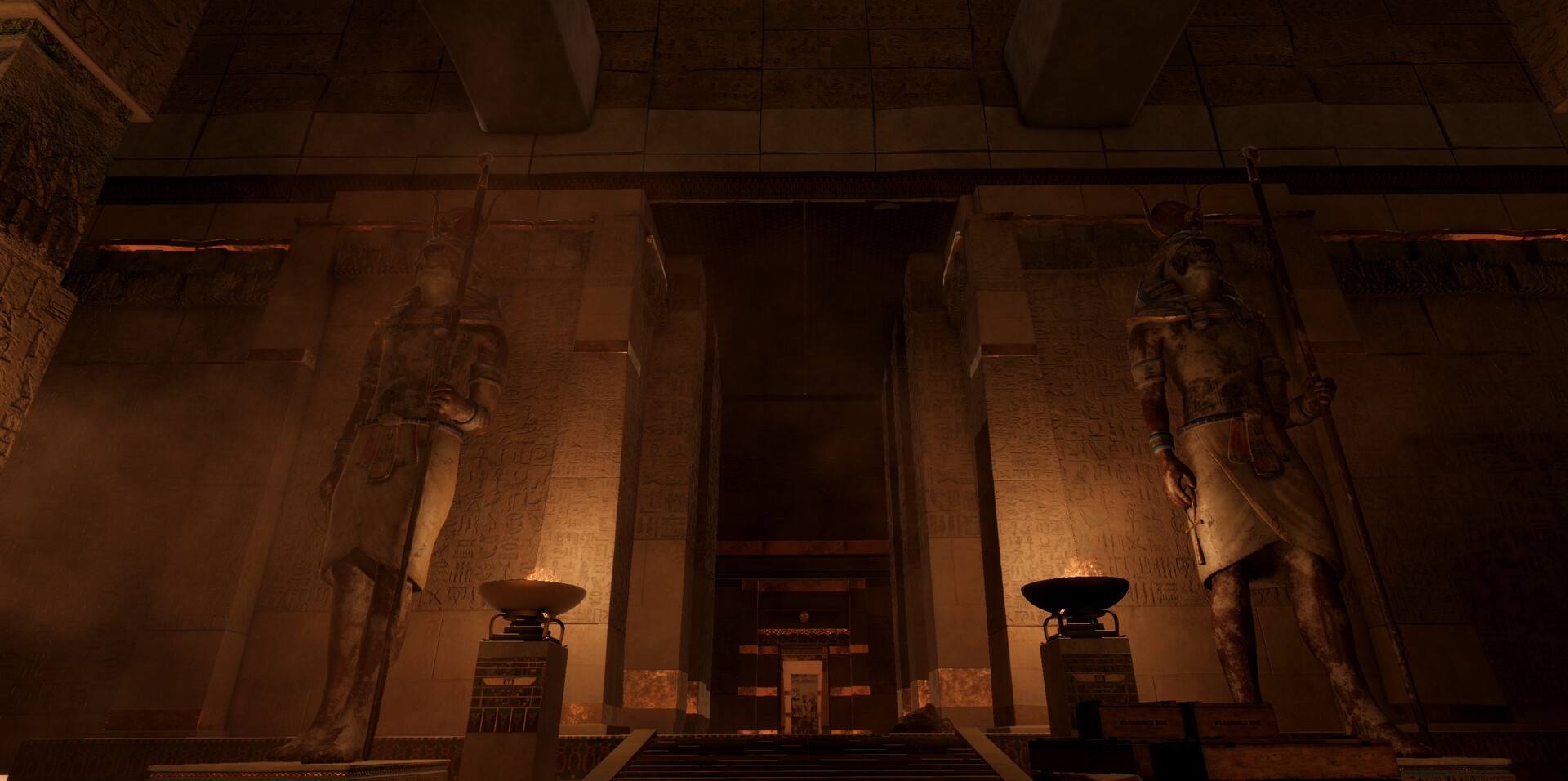
One of the tomb's ceremonial halls, guarded by towering carved sentinels.Image: The Games Shed via Steam -
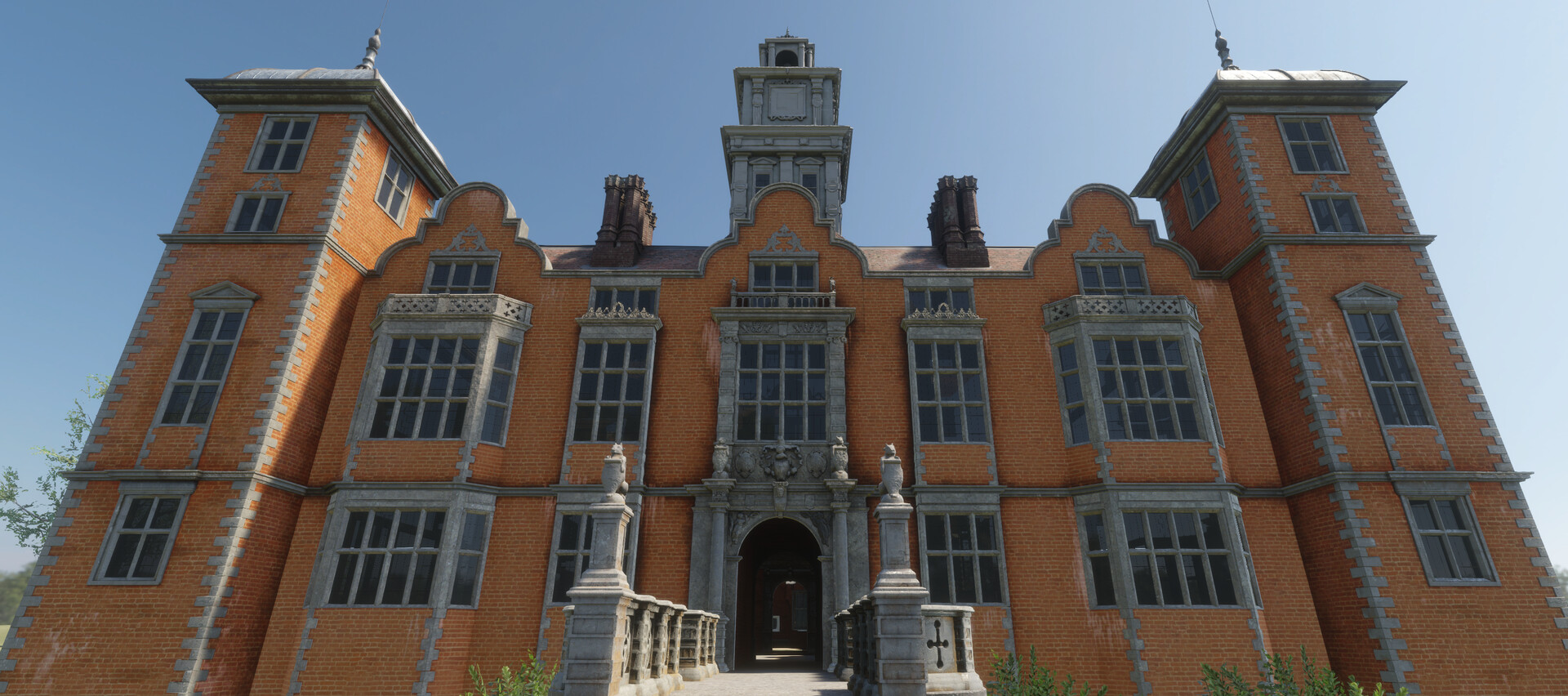
The story's WWII half grounds the adventure in a very different setting: a grand English manor far from the desert sands.Image: The Games Shed via Steam