Game review
Port Authority
7 / 10
- Developer
- NFold Games
- Publisher
- NFold Games
- Released
- 14 May 2026
- Platforms
- Windows
- Genre
- Simulation
- Monetisation
- Paid, one-time purchase.
- Players
- Single-player only.
The short version
Port Authority is a harbor-traffic management game from solo studio NFold Games, tasking players with drawing routes and guiding ships through increasingly chaotic ports before collisions or timers end the run. Its Positive rating across a small English review sample reflects genuine, repeated enthusiasm for its addictive, escalating difficulty and calming minimalist presentation, with this review finding a fair, specific complaint about unclear critical-timer feedback and a widely echoed request for a more forgiving casual mode.
Biggest strengths
- Widely and repeatedly praised as an excellent entry in the Mini Metro/Mini Motorways mould, with several reviewers naming it a new favourite in the genre.
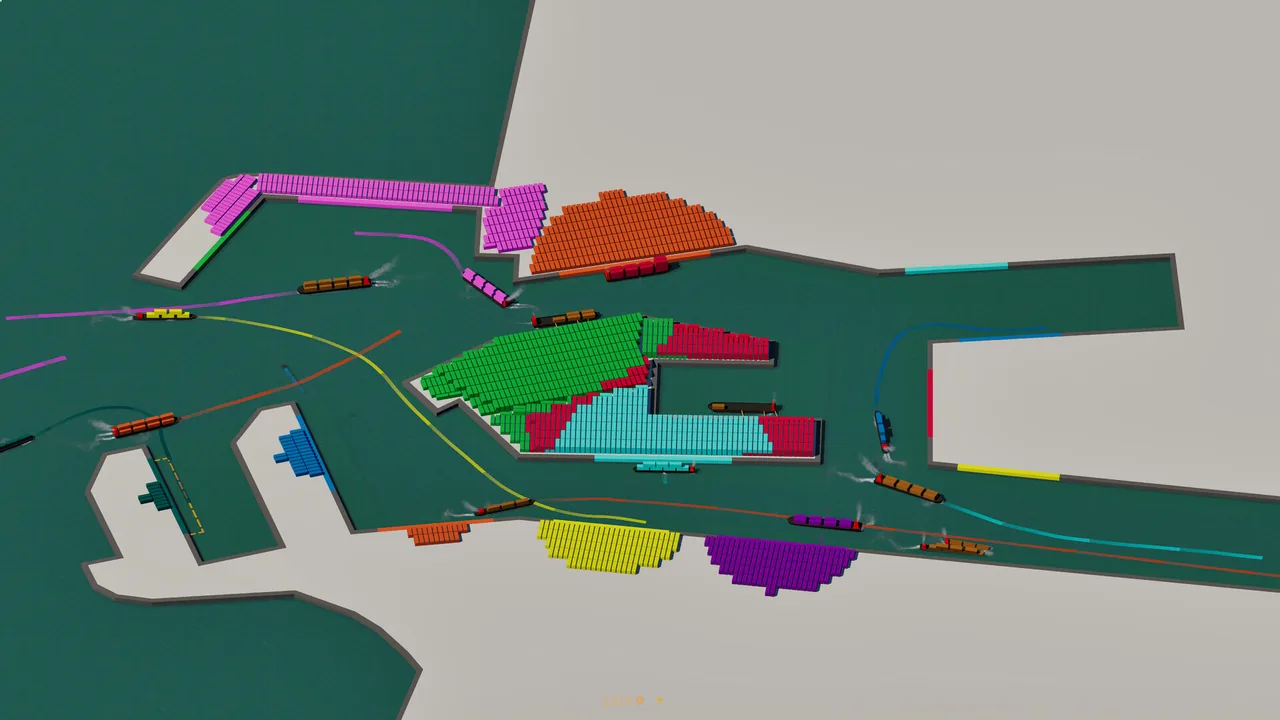
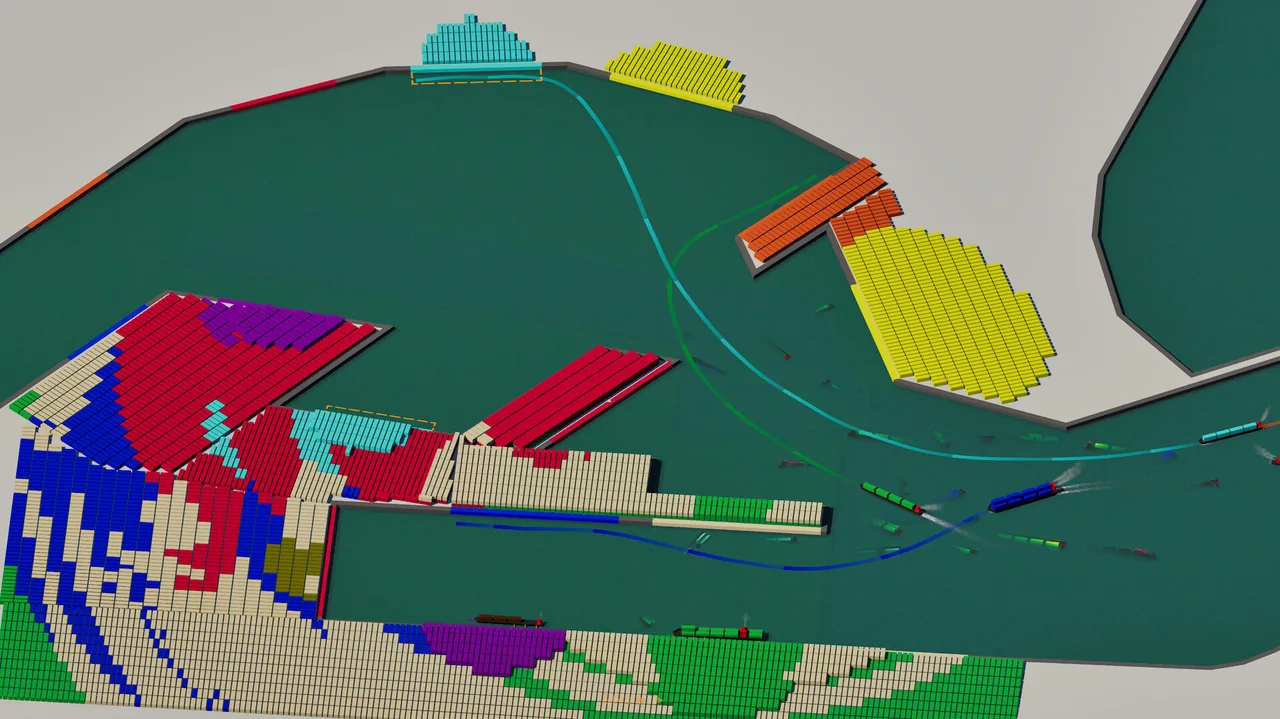
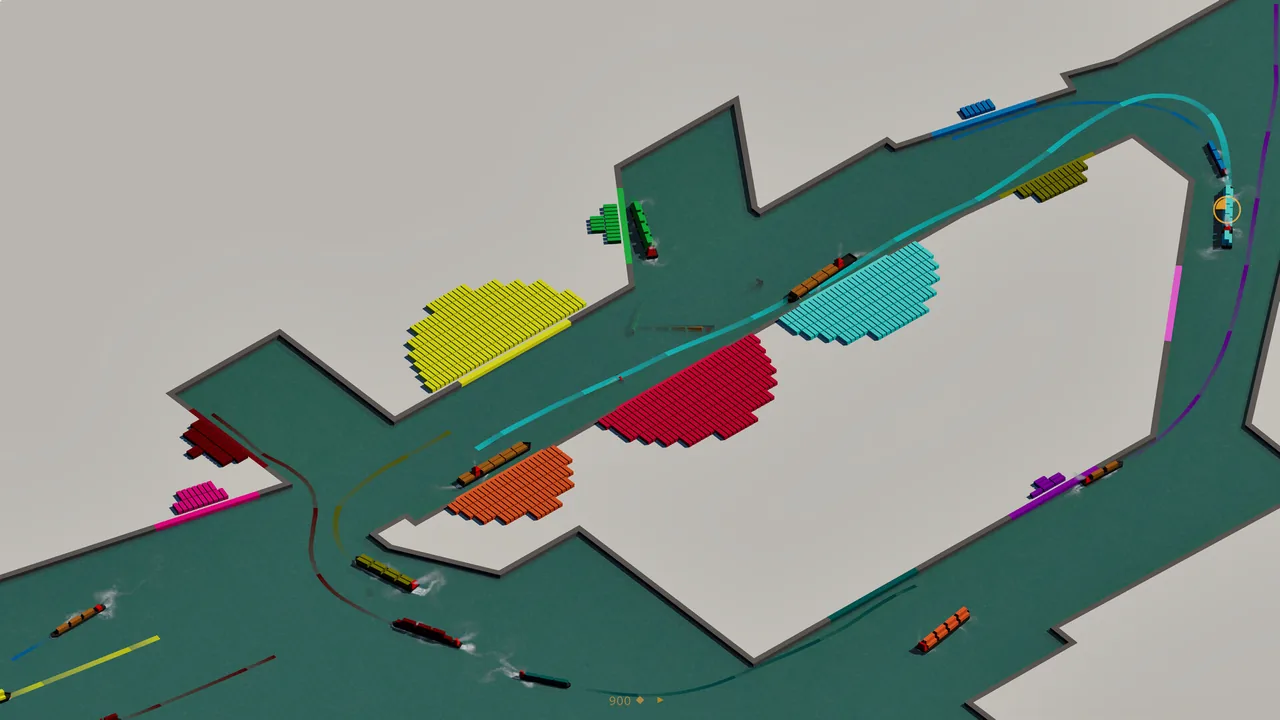
- Praised for genuinely varied, distinct port layouts, with reviewers specifically noting each map introduces its own quirks and challenges rather than reskinning the last.
- Praised as addictive and replayable, easy to pick up for a few minutes or sink hours into chasing a high score.
Biggest weaknesses
- A fair, specific complaint reports the game gives no clear indication of critical time remaining before a route fails, making losses feel sudden and unclear rather than earned.
- A fair, repeated request reports players want a casual mode without escalating timers, for a calmer experience closer to what the presentation initially suggests.
- A fair complaint reports exit arrows can be hard to see on some later, more visually busy maps.
Who it's for: Fans of Mini Metro, Mini Motorways, and similar minimalist route-management puzzlers who enjoy a steep, escalating difficulty curve; players who want a relaxed, timer-free way to unwind may find the late-game pressure more stressful than intended.
Our recommendation: A well-designed, addictive traffic-management puzzler that wears its Mini Metro influences openly, let down slightly by unclear critical feedback and a difficulty curve some players find punishing rather than relaxing.
7 / 10
A strong entry in the Mini Metro mould
Port Authority earns its Positive rating first through repeated, specific comparisons to genre landmarks. "This feels very Mini Metro/Mini Motorways! It is a really well-designed, simple game about managing the travel paths for boats at different port layouts around the world. I like the visual design and colors, as well as the calming soundtrack. Definitely a new favorite of mine, and worth the money!" reads one detailed review. A separate, lengthier review makes the same comparison while arguing the game earns its place alongside them: "I want to preface by saying that I love Mini Metro and Motorways but this feels just a little more special... each level has some sort of quirk." A third simply states: "Really good Mini Metro-like. Has that casual-to-intense growing feeling." This review treats those comparisons as fair and meaningful: reviewers reaching for the same specific, well-regarded genre touchstones, and in one case arguing this game improves on them, suggests real quality rather than simple imitation.
Genuinely varied port layouts
Beyond the core loop, this review found reviewers praising the specific design of individual maps. The same detailed review above elaborates: "The first level is a great tutorial with multiple exits and wide passages. The next I chose had really tight almost parking space sized docks that required a lot more thought to get the boats out and to an exit. Then the next level I played was boxed in, one exit route." A separate reviewer, comparing it to another genre entry, writes: "Essentially, you manage a port and do everything in your power to both unload ships on time and prevent them from sinking. Although it sounds simple, in reality, it's far from it. As your port expands... you realize that the real struggle for survival is just beginning." This review treats that praise as fair: reviewers describing specific, contrasting layout challenges rather than a single repeated formula points to genuine level-design effort across the game's map roster.
Addictive, replayable sessions at either length
This review also found reviewers repeatedly praising the game's flexibility as a time-filler or a deeper session. "Great concept of a game for a quickie or a 4 hour marathon run going for a high score," reads one review. A separate reviewer admits losing track of time entirely: "I don't usually write reviews but I just lost 4 hours to this and it felt like minutes." A third, more succinctly: "A super fun little time burner. Worth the price." This review treats that praise as fair: a game reviewers describe as equally satisfying in five-minute and four-hour doses is a genuine structural strength, and this review's own replayability score reflects that flexibility directly.
A fair, specific complaint about unclear critical-timer feedback
Set against that praise, this review found a fair, specific complaint about the game's core failure feedback. "Good potential, bad UI (you can't see problems coming, couse there is no indication of critical time left. You're loosing couse there's no indication about timers," reads the sample's one negative review. This review treats that complaint as fair and worth taking seriously despite coming from a single review: a design that routinely fails players without clear warning is a real usability problem in a genre built around reading escalating pressure at a glance, and it is consistent with a separate, milder complaint elsewhere in the sample about exit arrows being hard to spot on busier maps.
A fair, repeated request for a more forgiving casual mode
This review also found more than one reviewer, even among strongly positive reviews, asking for a gentler way to play. "I... LOVE this game. And I do not say this about too many games. I only wish there were a 'Casual' mode, where I did not have to compete with decreasing timers as traffic increased," reads one detailed review. A separate reviewer raises a related frustration about collision leniency: "Sometimes the tighter ports are a bit frustrating where you can only really try reverse the ship out and then it touches the side and sinks... Maybe it could be slightly more lenient on the collision to the actual port." This review treats that request as fair: reviewers who clearly love the game are still asking for an option to soften its escalating pressure, suggesting the calming presentation and the actual difficulty curve pull in somewhat different directions for a meaningful share of players.
A frustrating but acknowledged difficulty spike
Beyond the specific requests for a casual mode, this review found reviewers describing genuine frustration with the late-game difficulty, tempered by self-aware acknowledgment that it may be intentional. "This game is absolutely infuriating. I can't give it a thumbs down since it does what it says on the tin... but you're going to throw your laptop out a window when some janky supertanker decides to go sideways. You've been warned. It's fun, and your cortisol will spike," reads one review. A separate reviewer frames a similar experience more charitably: "I seem to be doing something wrong though, I can only get about 1.5 stars on each map before failing on Standard mode. Probably a skill issue." This review treats that tension as fair to report plainly: the difficulty curve is steep enough to genuinely frustrate committed players, even those who ultimately recommend the game anyway.
Achievement data confirms an accessible start with a real skill ceiling
This review's own check of Steam's global achievement data shows 90.5% of players earning an early milestone tied to route alignment, with 82.8% reaching a first upgrade tier, before the curve falls away steeply through individual port-specific high-score achievements, several of which sit below 3% and a handful below 1% for the hardest named ports. That spread corroborates reviewer accounts directly: nearly everyone who starts Port Authority clears its opening layouts comfortably, but genuinely mastering its harder, more constrained maps at a high score is a real, narrow achievement that only a small fraction of the playerbase reaches.
Final verdict
Port Authority succeeds as a well-designed, genuinely addictive entry in the Mini Metro lineage, earning real, specific praise for its varied port layouts and flexible session length at either a five-minute or four-hour sitting. Its clearest weaknesses are a fair, specific complaint about unclear critical-timer feedback and a fair, repeated request from reviewers who otherwise love the game for a more forgiving casual mode to soften its escalating difficulty. For fans of minimalist route-management puzzlers looking for a fresh, cheap addition to the genre, this is an easy recommendation; players wanting a purely relaxed, low-pressure experience should expect the late game to test their patience.
Pros and cons
Pros
- Widely and repeatedly praised as an excellent entry in the Mini Metro/Mini Motorways mould, with several reviewers naming it a new favourite in the genre.
- Praised for genuinely varied, distinct port layouts, with reviewers specifically noting each map introduces its own quirks and challenges rather than reskinning the last.
- Praised as addictive and replayable, easy to pick up for a few minutes or sink hours into chasing a high score.
- This review's own check of achievement data shows a strong majority of players clearing early milestones before a steep drop-off on the hardest individual ports, corroborating reviewer accounts of an accessible start with a genuinely difficult skill ceiling.
Cons
- A fair, specific complaint reports the game gives no clear indication of critical time remaining before a route fails, making losses feel sudden and unclear rather than earned.
- A fair, repeated request reports players want a casual mode without escalating timers, for a calmer experience closer to what the presentation initially suggests.
- A fair complaint reports exit arrows can be hard to see on some later, more visually busy maps.
- A fair complaint reports collision detection on tight ports can feel unforgiving, though several reviewers who raised it acknowledged it may partly be a skill issue.
Screenshots
-
Port AuthorityImage: NFold Games via Steam -
Port AuthorityImage: NFold Games via Steam -
Port AuthorityImage: NFold Games via Steam -
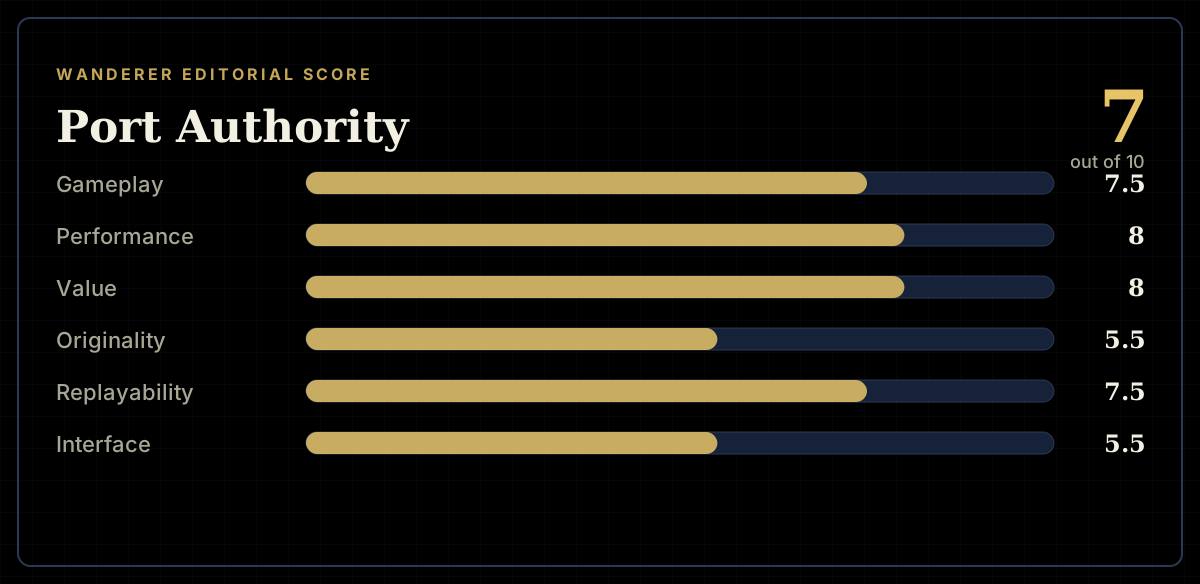
How the review scores each part of the gameWanderer Editorial -
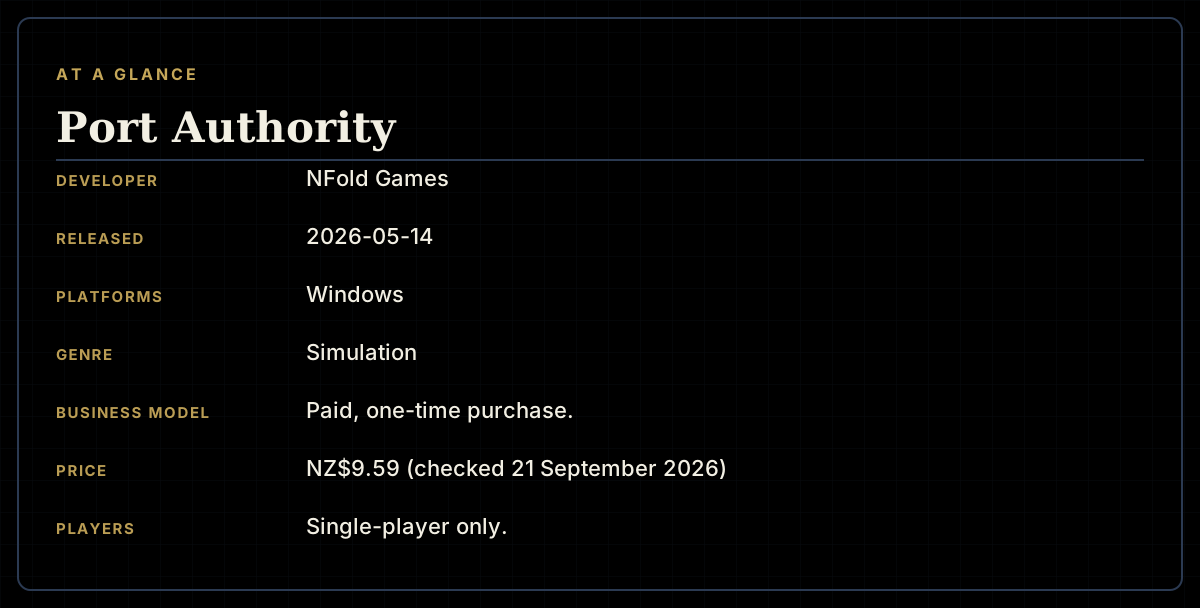
The specs at a glanceWanderer Editorial -
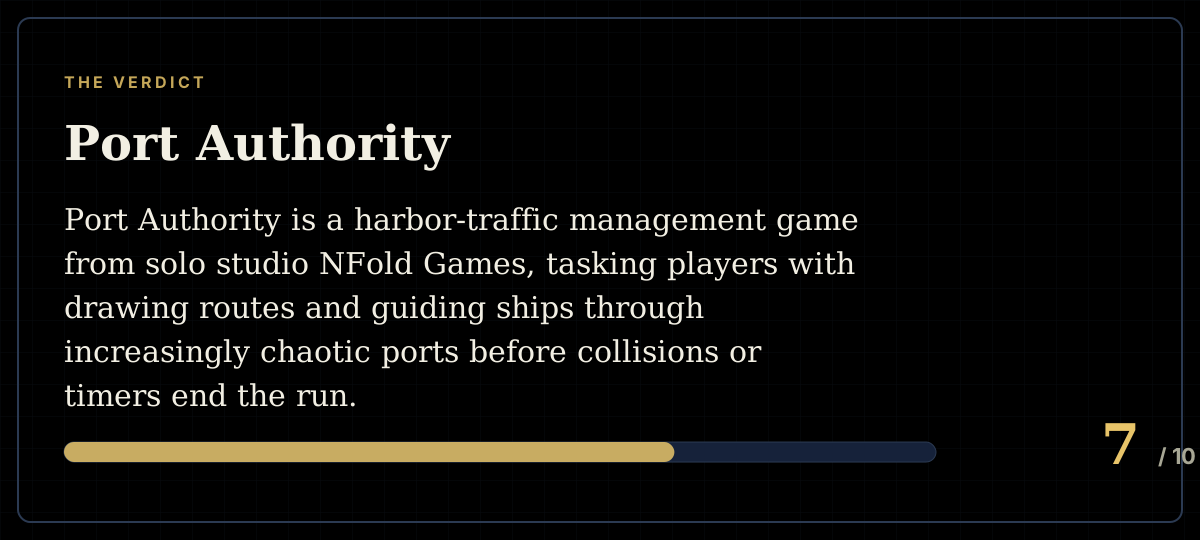
The short versionWanderer Editorial