Game review
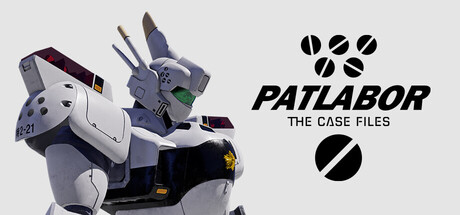
PATLABOR the Case Files Review
5.6 / 10
- Developer
- Chime
- Publisher
- GOOD SMILE COMPANY
- Released
- 17 September 2026
- Platforms
- ["Windows"]
- Genre
- Action
A PS2-Era Licensed Game, On Purpose
PATLABOR the Case Files wears its influences on its sleeve, and its influence is unmistakably the licensed anime tie-in action game of the early-to-mid 2000s: short missions, blocky exposition dumps between fights, deliberately unglamorous menus, and combat that trades smoothness for a very specific kind of mechanical heaviness. Developer Chime and publisher GOOD SMILE COMPANY aren't chasing a modern character-action game here. They're chasing the feeling of booting up a PS2 disc based on your favorite show in 2003, and by most accounts from players who grew up on exactly that kind of game, they've nailed the texture of it almost too well.
Mobile Police Patlabor is, for anyone coming in cold, a beloved mecha franchise about a police unit that pilots labor-class mechs, and one that's always been more interested in bureaucracy, city-infrastructure damage control, and mundane workplace politics than in giant-robot power fantasy. That distinction matters enormously to how this game plays, and multiple reviewers make a point of it: this isn't Gundam, and the developers clearly know that. Labors move like the heavy, deliberate industrial machines they're meant to be. Aiming takes a beat. Switching weapons takes a beat. Stopping takes a beat. If you're expecting a hero shooter, this will feel broken. If you're expecting a lumbering, careful vehicle-piloting sim wearing an action-game skin, it mostly delivers on that promise.
Combat That Divides Its Own Fans
The most consistent thread across nearly every review, positive and negative, is that the combat is rough — the disagreement is entirely about whether that roughness is a deliberate, faithful design choice or a genuine flaw. Several players compare it unfavorably to Armored Core, saying the Labors "steer like a helium balloon battle tank," that hitboxes don't always land cleanly, that parries and dodges don't reliably open enemies up to punishment, and that combo chains sometimes simply fail to trigger. One reviewer who otherwise likes the game bluntly calls the moment-to-moment gameplay loop "unfun" as a result, despite loving everything surrounding it.
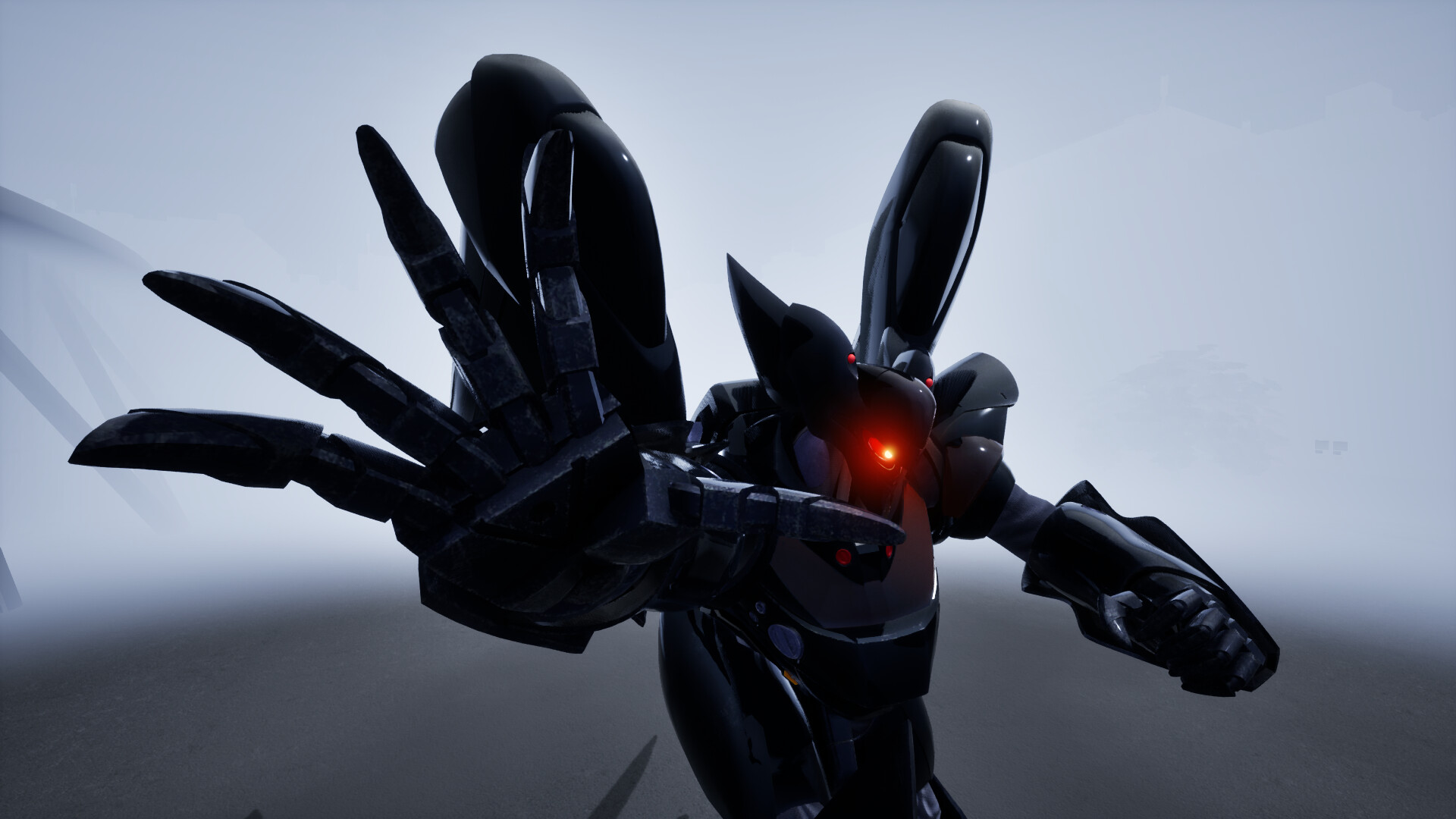
Others frame the exact same friction as the point. The learning curve is described as genuinely steep, with players needing several attempts just to clear early missions on higher difficulties, and more than one reviewer argues that the "clunky" label misses what the game is actually going for: a fantasy of piloting heavy, imperfect industrial machinery rather than a nimble mech suit. Enemy variety does the combat few favors regardless of which camp you fall in — several players note that most missions are fought almost entirely against the same "blue Boxor" enemy type, despite other Labor models from the show visibly standing idle, unanimated, in the background of levels the whole time, which more than one reviewer reads as a clear sign of a rushed or under-budgeted production.
Mission length compounds the issue. Individual missions frequently run just two to five minutes, and one player who timed a full playthrough — main story plus every side mission and a good chunk of the Simulator challenges — clocked in at two hours and forty-five minutes, calling that "not a great length of a game" for a $34.99 asking price. Several reviewers describe mission pacing as padded rather than substantial, with cutscenes covering trivial actions like opening a door in a way that feels, as one put it, like "trying to fill a word count on an essay you left last minute."
The Fan Service Actually Lands
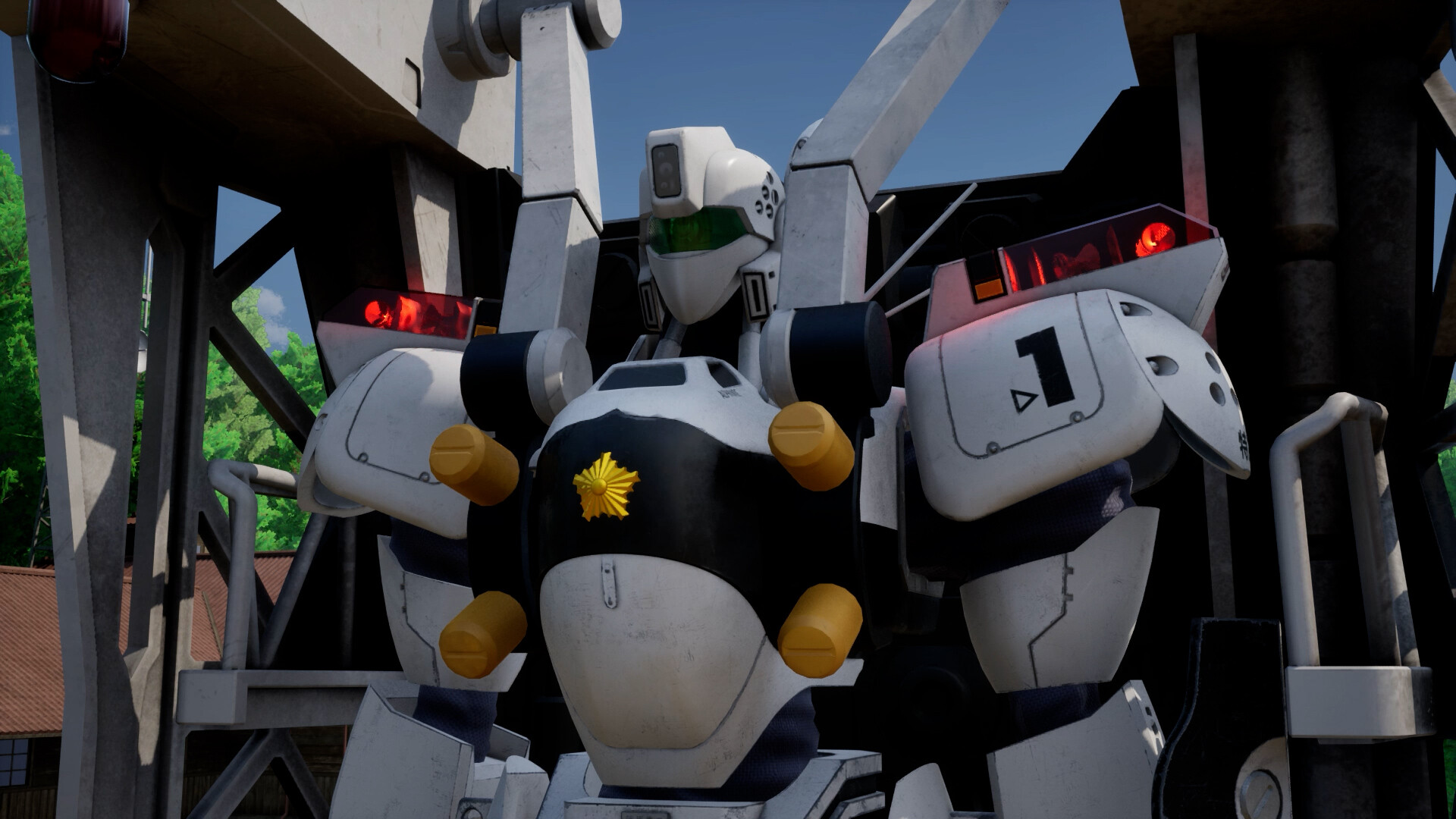
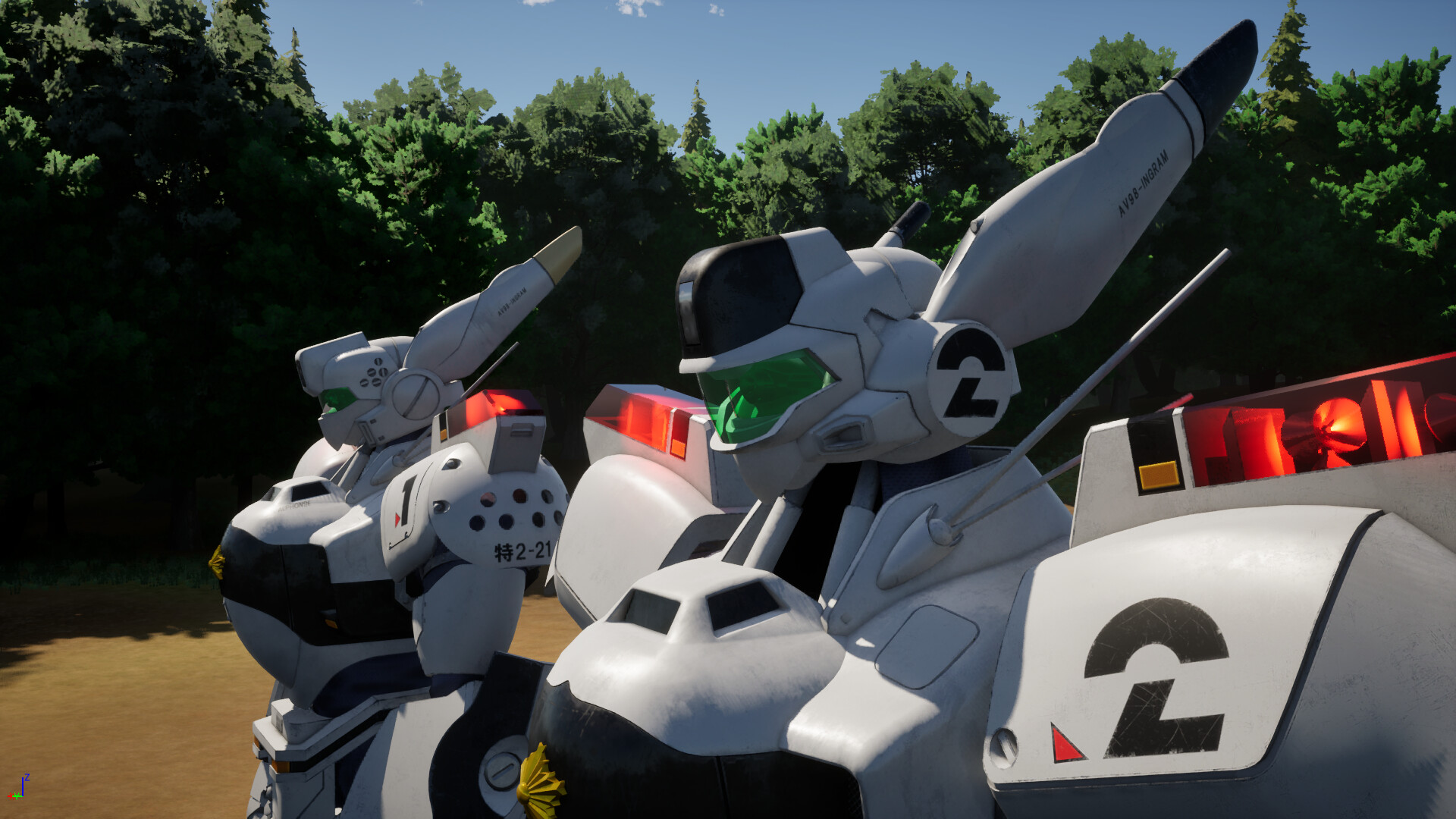
Where PATLABOR the Case Files consistently earns praise is in its presentation and its evident respect for the source material. The Labor models themselves are singled out repeatedly as the game's clear visual centerpiece — high-fidelity, carefully detailed, and rendered with what multiple reviewers describe as real affection for the mechanical designs from the show. Identical unit types get distinct animations tied to the specific pilot characters fans recognize, a detail one reviewer calls out as the kind of small touch that only a genuinely invested team bothers to include. The soundtrack draws consistent praise as well, though several players warn that the audio mix badly favors the music over dialogue and recommend turning the volume down before starting.
The story restages major beats from the TV series and films — including, per one reviewer, a recreation of the Schaft Arc — through a mix of animated cutscenes for mech action and visual-novel-style static portraits for human dialogue scenes. Opinions split on whether that VN-style presentation is a cost-saving shortcut or an acceptable trade-off; at least one reviewer specifically wanted fuller 3D character scenes at this price point and didn't get them. Voice acting is Japanese-only with no dub, which multiple reviewers praise for quality while noting it may be a barrier for some players.
A Full-Price Tag on a Short, DLC-Bound Campaign
The value proposition is where even sympathetic reviewers start to hedge. A full clear of the main story, every side mission, and a good portion of the VR-style Simulator challenges adds up to well under three hours for most players, at a $34.99 asking price that several reviewers explicitly flag as too high — one suggests $25 would feel fair, another simply advises waiting for the game to drop to $15-20. That math gets harder to defend given that a DLC expansion covering the later "Patlabor EZY" continuity was already announced ahead of release, a decision one otherwise-positive reviewer calls "a real stinker" given how much of the base game's own pacing and content already feels unfinished or reused. It's the classic tie-in-game trade-off in its purest form: the asking price assumes a fuller game than what's actually on offer, and the people most willing to forgive that are, unsurprisingly, the ones who came in already loving the source material.
Verdict
PATLABOR the Case Files is a game built almost entirely for an audience that already loves Mobile Police Patlabor, and it mostly succeeds at being exactly that: a loving, low-to-mid-budget recreation of the show's iconography wrapped around combat that's deliberately, sometimes frustratingly, heavy. Fans of the franchise consistently report getting real enjoyment out of recognizing faithfully restaged scenes and lovingly modeled Labors, even through stiff controls and a thin enemy roster. Newcomers expecting a polished modern mech-action game, or anyone hoping the $34.99 price buys more than a two-to-three-hour campaign padded with short missions, are far more likely to bounce off it. If you know the source material and can meet the combat's demanding, unglamorous learning curve on its own terms, there's a genuine, well-intentioned tie-in game here. Everyone else should wait for a deep sale, which is exactly what a large share of the game's own fans are already recommending.
Pros:
- Genuinely detailed, loving recreations of the Patlabor Labor designs
- Faithfully restages major scenes and arcs from the source anime
- Deliberately heavy, weighty piloting feel that fans of the tone appreciate
- Strong Japanese voice acting and a well-regarded soundtrack
- Runs well technically, notably better than some higher-budget UE5 releases
Cons:
- Combat feels inconsistent — hitboxes, parries, and combos don't always register cleanly
- Very short missions and a roughly 2.5-3 hour full campaign at a $34.99 price
- Heavy reuse of one enemy type despite other unused Labor models sitting idle on-screen
- Human character scenes rely on static VN-style portraits rather than full animation
- DLC already announced before launch, before base-game issues were addressed
Screenshots
-
The Labor models are the game's clear visual centerpiece, modeled with real fidelityImage: GOOD SMILE COMPANY via Steam -
Unit 1 and Unit 2's Ingrams share a chassis but carry distinct pilot-specific detailsImage: GOOD SMILE COMPANY via Steam -
Boss and antagonist Labors break up the otherwise repetitive enemy rosterImage: GOOD SMILE COMPANY via Steam -
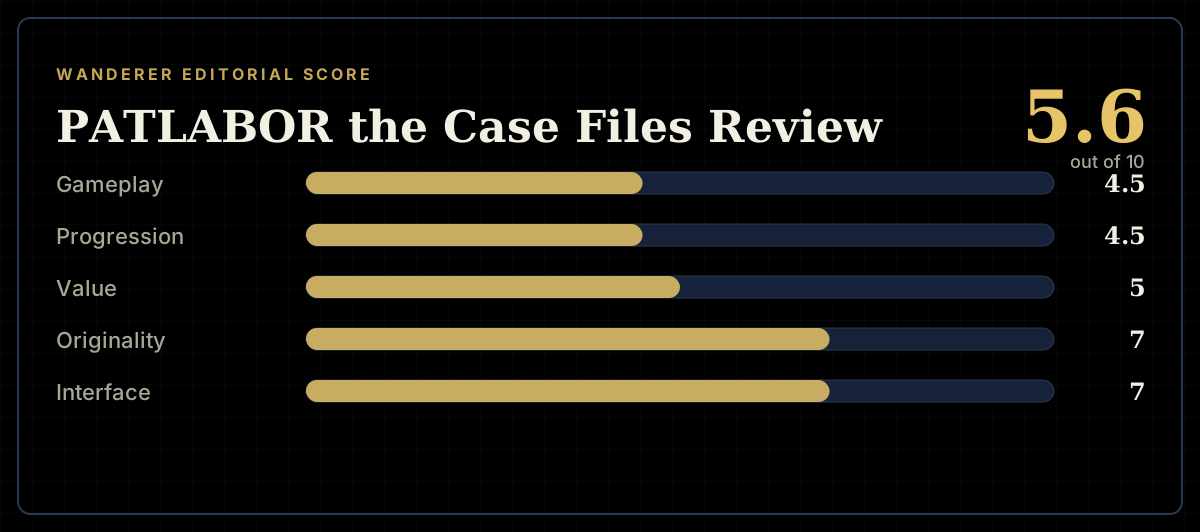
How the review scores each part of the gameWanderer Editorial -
The short versionWanderer Editorial