Game review
Parallel Experiment
7 / 10
- Developer
- Eleven Puzzles
- Publisher
- Eleven Puzzles
- Released
- 5 June 2025
- Platforms
- Windows
- Genre
- Adventure, Indie
- Monetisation
- paid
- Players
- true
The short version
Biggest strengths
- A genuinely clever asymmetric co-op puzzle structure, where each player sees different information and must describe it clearly to their partner, which reviewers consistently called the series' strongest hook
- The most ambitious and longest entry in the series so far, adding minigames, dialogue choices, and a navigable overworld on top of the core puzzle-solving loop
- A distinctive, novel Kraków setting and comic-panel visual style that reviewers repeatedly praised, alongside a full voice-acted cast and a genuinely useful, achievement-safe hint system
Biggest weaknesses
- A widely corroborated complaint from longtime series fans that the heavier focus on cutscenes, dialogue, and an increasingly supernatural, off-the-rails plot came at the direct expense of puzzle quality and density
- Real, repeated technical problems including connection drops during co-op sessions, mini-game freezes requiring restarts, and at least one puzzle reported to have no reset option if a player gets permanently stuck
- A frequent complaint that the game constantly introduces new, one-off mechanics and minigames that several reviewers found tedious, unintuitive, or poorly explained compared to the more focused puzzle design of the earlier games
Who it's for: Pairs of players looking for a communication-driven co-op puzzle game to play together, especially returning fans of the Cryptic Killer series who don't mind a heavier story focus this time
Our recommendation: recommended
7 / 10
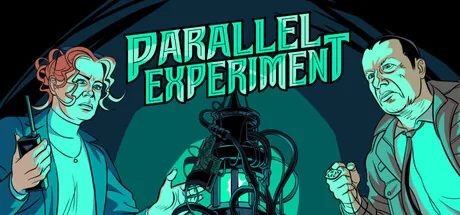
Parallel Experiment released on Steam on June 5, 2025, a $9.99 co-op detective puzzle game from Eleven Puzzles, the third full entry in what fans call the Cryptic Killer series, following Unsolved Case and Unboxing the Cryptic Killer. The core hook hasn't changed across the series: two players, each seeing different information on their own screen, must describe what they're looking at clearly enough for their partner to piece together the solution neither of them can see alone. A 448-review English pool sitting at a strongly Very Positive 394-to-54 confirms the format still works, though a specific and well-documented slice of longtime fans felt this particular entry pushed the formula in a direction that cost it something valuable.
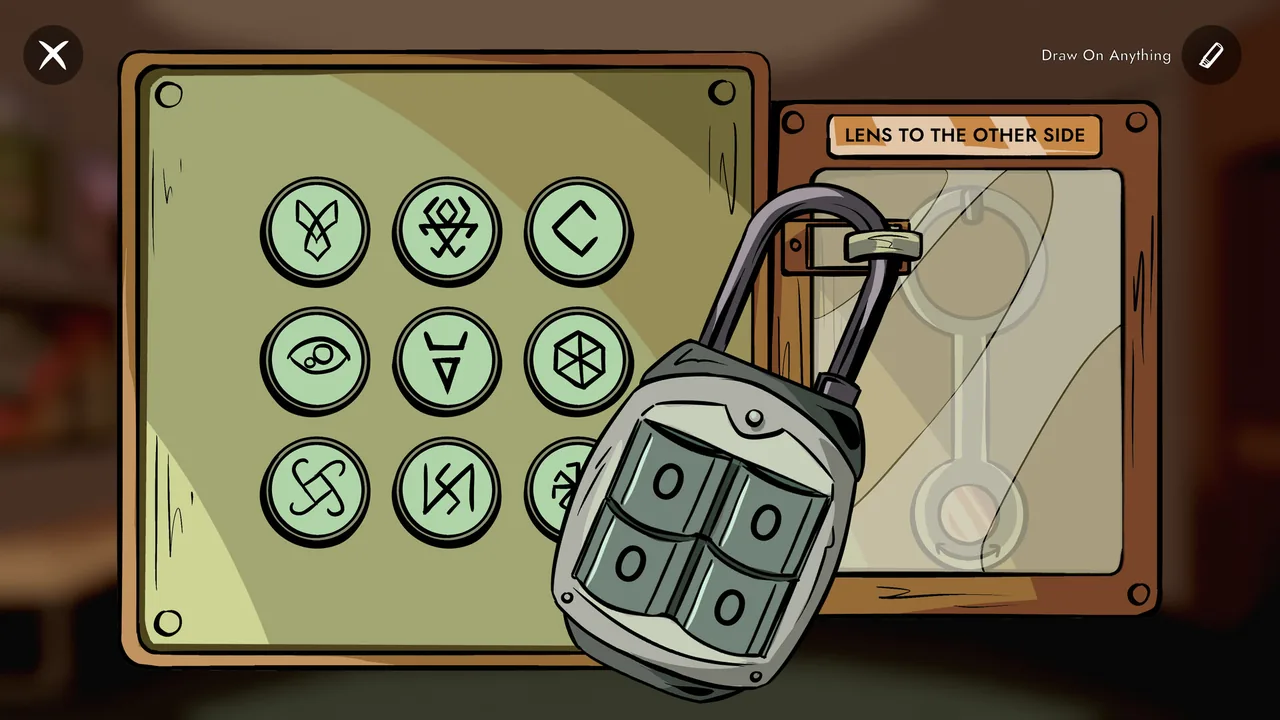
The central communication-puzzle mechanic remains the clearest and most consistently praised element of the experience. One reviewer described the format precisely: "each partner being in a different room and not being able see what they're doing," forcing players to combine partial clues into a shared answer, which "can create some very interesting situations with well thought out puzzles." Another reviewer captured the appeal even more directly, describing the recurring "eureka moments" that come from thirty minutes of frustrated back-and-forth suddenly resolving when one partner mentions a detail they'd left out of their initial description. This is a difficult design problem to solve well, and the strong overall review score suggests the developer has consistently nailed it across all three entries.
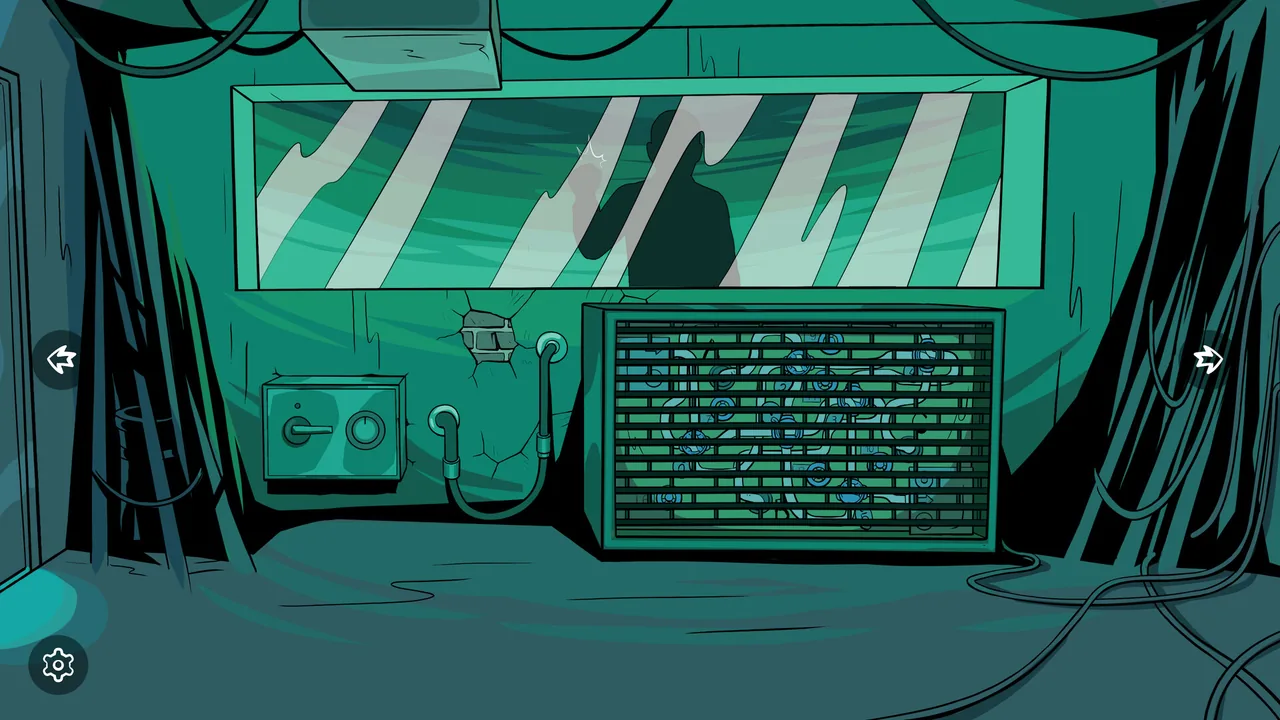
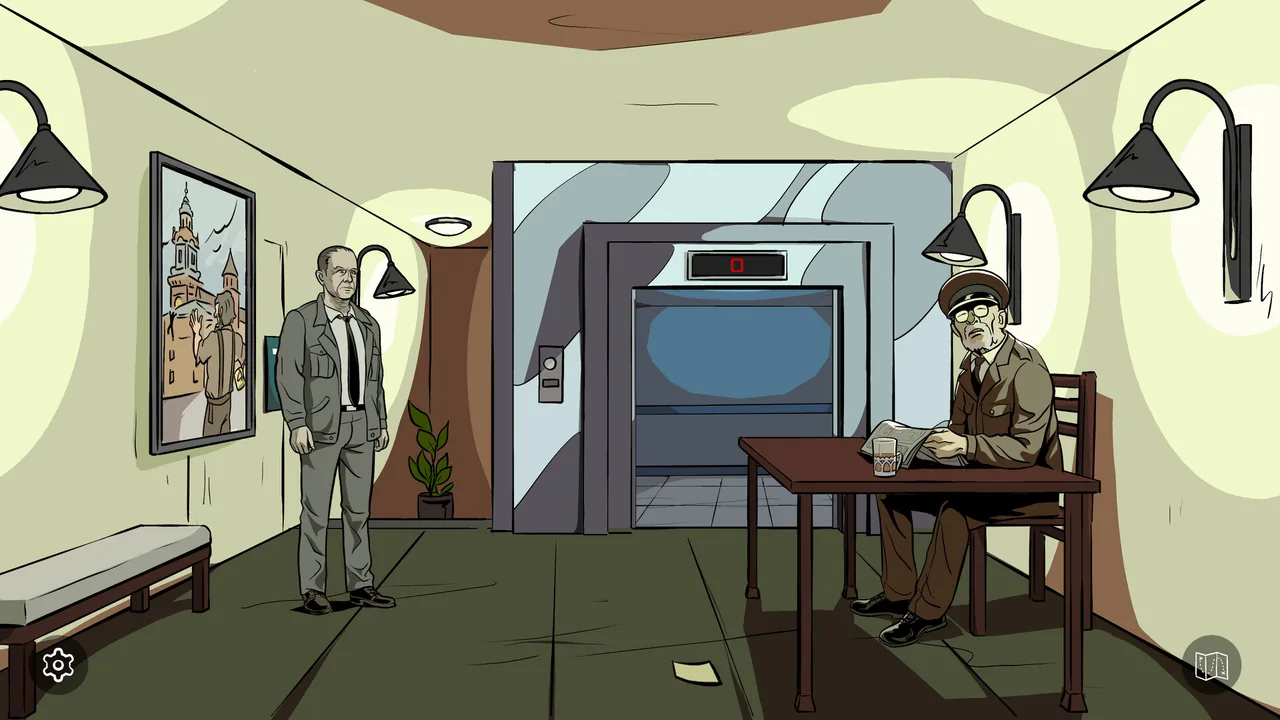
This third installment is also, by a wide margin, the series' most ambitious in scope. Reviewers who'd played the earlier games noted a genuine step up: a navigable map with fast travel between locations, multiple new minigame types layered on top of the core puzzle-solving, dialogue choices, and a substantially longer runtime, with one reviewer reporting a full 12-hour 100% completion compared to the shorter, single-screen focus of the previous two games. Several reviewers specifically praised the developer for trying to expand the format rather than simply repeating what worked before, and the distinctive Kraków setting and comic-panel visual presentation drew repeated, specific praise as a refreshing change of scenery within the puzzle genre.
Set against that ambition, the pool's clearest and most consistently corroborated criticism is that the expanded scope came at the direct expense of what made the earlier games work. One detailed negative review argued plainly that the developers "don't trust their own skill, their genre or their audience," listing tedious, buggy minigames and long-winded dialogue as symptoms of a game trying to be too many things at once. A separate reviewer reached an almost identical conclusion from a different angle, writing that the co-op puzzles — "the whole reason you'd buy this game" — took a back seat to what felt like "a visual novel with lots of long and honestly boring exposition," estimating more than half of a given session was spent skipping dialogue rather than solving anything. A third reviewer specifically called out the plot's turn toward supernatural and increasingly convoluted territory as feeling like "a cop-out rather than a meaningful twist." That three or more otherwise-positive, longtime fans of the series independently converged on this same story-versus-puzzle imbalance is what makes it a fair, well-sourced criticism rather than an outlier complaint.
A second, distinct and also well-corroborated cluster concerns technical stability during co-op sessions specifically. One reviewer described repeated server connection issues serious enough to require restarting the application entirely, while a separate reviewer reported minigames freezing outright, forcing the pair to reset levels "a lot" and ultimately downgrading an otherwise-enjoyed playthrough to a negative recommendation because of it. A third reviewer flagged a more specific structural problem: at least one puzzle offered no way to reset once a player got stuck, turning what should be a solvable challenge into a permanent block. Because these are co-op-specific technical failures rather than single-player bugs, they carry extra weight — a connection drop or freeze doesn't just interrupt one person's session, it interrupts a shared experience two people carved out time for together.
A smaller, more specific complaint worth flagging concerns accessibility. One detailed reviewer, while praising the game's hint system overall, raised a genuine concern about timed puzzles being difficult to concentrate on for players with certain neurodivergences, along with a related complaint about characters talking loudly over the exact moments players are meant to be communicating with each other — a design choice that reviewer suggested actively worked against the core co-op mechanic rather than supporting it. That's a specific, actionable piece of feedback rather than a broad dismissal, and worth taking seriously for any group considering the game who might be affected.
It's also worth noting a handful of reviewers objected to the game requiring two full copies to play, since it's unplayable solo, calling the lack of a free-companion-pass option a real barrier compared to other co-op titles in the genre that have adopted that model. That's a reasonable commercial critique rather than a quality complaint, and doesn't reflect on the game itself, but it's useful information for anyone budgeting a co-op session with a friend.
Taken together, Parallel Experiment is a confident, ambitious entry in a genuinely clever co-op puzzle format, and most players, especially newcomers without the earlier games' tighter focus to compare it against, will likely find it a satisfying five-to-thirteen-hour shared experience. Longtime series fans should go in aware that this entry trades some of the earlier games' puzzle density for story and variety, a tradeoff a meaningful and vocal portion of the existing fanbase didn't love, and the connection and softlock issues are worth watching for during a co-op session. For a couple or pair of friends looking for something to solve together, it remains an easy recommendation overall.
Pros and cons
Pros
- A genuinely clever asymmetric co-op puzzle structure, where each player sees different information and must describe it clearly to their partner, which reviewers consistently called the series' strongest hook
- The most ambitious and longest entry in the series so far, adding minigames, dialogue choices, and a navigable overworld on top of the core puzzle-solving loop
- A distinctive, novel Kraków setting and comic-panel visual style that reviewers repeatedly praised, alongside a full voice-acted cast and a genuinely useful, achievement-safe hint system
- A well-designed shared experience for a five-to-thirteen-hour playthrough, widely described as an excellent date-night or long-distance-friend activity at a reasonable price
Cons
- A widely corroborated complaint from longtime series fans that the heavier focus on cutscenes, dialogue, and an increasingly supernatural, off-the-rails plot came at the direct expense of puzzle quality and density
- Real, repeated technical problems including connection drops during co-op sessions, mini-game freezes requiring restarts, and at least one puzzle reported to have no reset option if a player gets permanently stuck
- A frequent complaint that the game constantly introduces new, one-off mechanics and minigames that several reviewers found tedious, unintuitive, or poorly explained compared to the more focused puzzle design of the earlier games
- No option to add a second player for free, requiring both participants to own a full copy despite the game being unplayable solo, a friction point several reviewers flagged directly
Screenshots
-
Parallel ExperimentImage: Eleven Puzzles via Steam -
Parallel ExperimentImage: Eleven Puzzles via Steam -
Parallel ExperimentImage: Eleven Puzzles via Steam