Game review
Osta Review
7 / 10
- Developer
- Cup
- Publisher
- Cup
- Released
- 29 July 2026
- Platforms
- ["Windows"]
- Genre
- Simulation
A Metal-Detecting Sim With Almost No Competition
Osta released on Steam on July 29, 2026, from solo developer and publisher Cup, for $13.99. It casts you as a militaria collector who metal-detects, digs, buys, and auctions your way to a house full of restored guns, helmets, and other relics from WWI, WWII, and the Cold War. Reviewers repeatedly point out there's essentially nothing else like it on Steam beyond one older, largely abandoned metal-detecting title, and that novelty is doing real work here: the response sits at Very Positive with 234 of 264 reviews recommending it, a strong showing for a one-person project's debut release. What's notable about the sample is how consistent the shape of the praise and the complaints both are, this is a game with a clear, addictive core idea wrapped in genuinely rough, first-release execution, and reviewers are largely happy to say both things in the same breath.
Dig, Clean, Assemble, Repeat, and Somehow It Works
The core loop, sweep a location with a metal detector, dig up corroded parts, haul them home, scrub off the rust, and slot them together into a complete, sellable or displayable object, is simple almost to a fault, and reviewers say it shouldn't be as compelling as it is. Multiple reviews describe losing entire afternoons to it, with one logging over 270 hours and another over 230, numbers that are hard to fake for a game this unpolished. The appeal isn't really about winning anything; it's about the specific, tactile satisfaction of identifying a rusted lump as a match for a part you already own and hearing it click into place. Reviewers with a genuine background in militaria collecting or military history describe the level of research behind the item roster, differentiating between near-identical rifle models, as far beyond what they expected from a small team, and several say that authenticity is the single biggest reason the loop holds up as long as it does.
The Book-Based Identification System Is the Sample's Sharpest Complaint
If there's one mechanic reviewers converge on criticizing, it's how you're expected to identify what you've dug up. Osta requires carrying specific reference books out into the field and using the correct one on an unidentified item, and the sample is close to unanimous that this is more tedious than clever: books can't be "learned" so you stop needing to carry them, there's no way to organize or track which books cover which items, and new players are left cycling through their whole collection by trial and error. One detailed negative review that otherwise credits the developer's evident historical research still calls the authenticity-checking system, which flags certain part combinations as inauthentic without explaining why, the single biggest time sink in the game, since neither the books nor the tutorial ever connect a part to the specific rifle it belongs on. A second widely-echoed request is simpler: let players buy and permanently "learn" a book's contents instead of hauling paper around the forest forever.
Hunger, Thirst, and Shovel Durability Add Friction Without Adding Depth
The second cluster of complaints centers on systems reviewers feel were bolted onto the loop rather than designed into it. A daily hunger-and-thirst mechanic shows up in a large share of reviews as pure busywork, since it doesn't meaningfully constrain play and mostly just nudges you to spend a little money each day; multiple reviewers ask for it to be removed outright or replaced with something like a rent or utilities cost that would at least tie into the game's actual economy. Shovels wearing out with no durability indicator, restoration chemicals running dry with no usage counter, and an inventory that can't hold long gun parts without them clipping through the world all draw similar frustration. None of these are described as game-breaking, but taken together they're the reason several reviewers who otherwise love the concept stop short of a full-throated recommendation, framing their complaints as fixable QOL gaps rather than fundamental design flaws.
Bland Maps and a Literal Void at the Edges
Presentation earns mixed but specific notes rather than a blanket pass or fail. The forests and fields you search are functional but repetitive, distinguished mostly by which tree texture is in use, and the single most repeated visual complaint in the entire sample is that the playable area simply stops at an unmarked edge, dropping off into a flat, empty white void with no skybox transition or invisible-wall dressing to soften it. Reviewers otherwise call the item models themselves well made for a solo project, and several specifically praise how satisfying it feels to arrange a finished collection inside your house, effectively turning your home into a personal museum. Requests for background ambiance, NPCs to populate the markets, and simply more visual variety between locations recur often enough to read as the clearest roadmap for where presentation should go next.
A Solo Developer's First Release, Patched Fast and Often
Cup's status as a one-person team comes up constantly, and almost always in the developer's favor. Reviewers note active, responsive communication on the game's Discord, and the record backs that up: five patches and a content update landed within three weeks of launch, including a hotfix issued and reverted within hours on the very first weekend. One long, thoughtful negative review makes a point of noting the developer's gaps in development activity line up with military service rather than lost interest, and frames its own "not recommended" verdict as being about the game's current $13.99 asking price relative to its 0.1-numbered internal build, not about doubting the project's future. That kind of good faith, holding the price to a full-release standard while still expecting continued support, runs through nearly the entire sample, positive and negative alike.
Verdict
Osta is a genuinely novel, addictive collecting sim built on a premise almost nobody else has attempted, undercut at launch by an unexplained identification system, a handful of busywork mechanics, and presentation that doesn't yet match the depth of its item roster. None of that stopped 234 of 264 reviewers from recommending it, and for $13.99 from a solo developer who's already three patches deep into fixing the rough edges, Osta earns real credit for filling a niche nothing else occupies, even as it still has clear, specific ground to cover before it's the polished version of itself that its own fans keep describing.
Screenshots
-
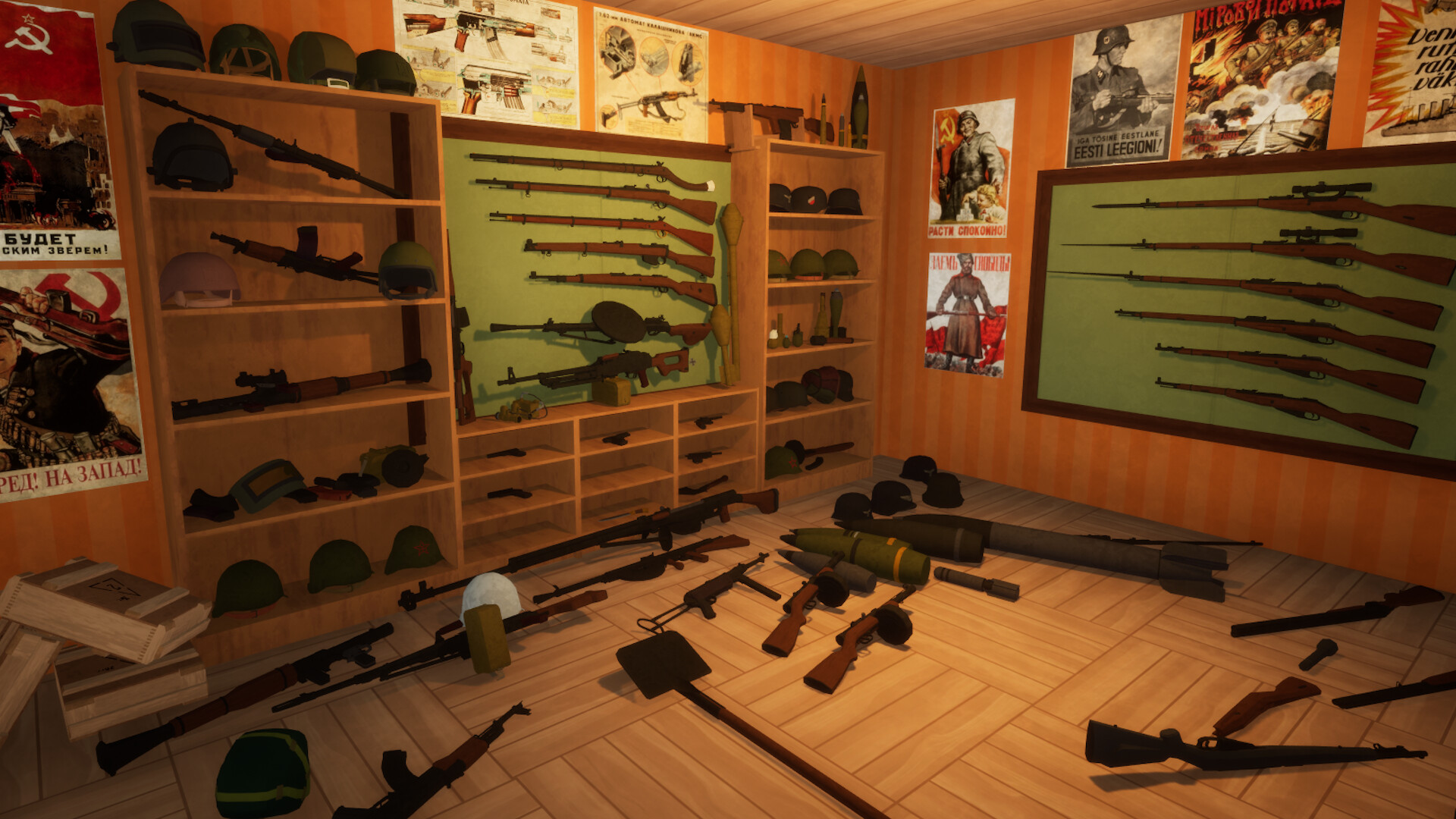
A player's display room, the kind of personal militaria museum reviewers say they spend hours arranging.Image: Cup via Steam -
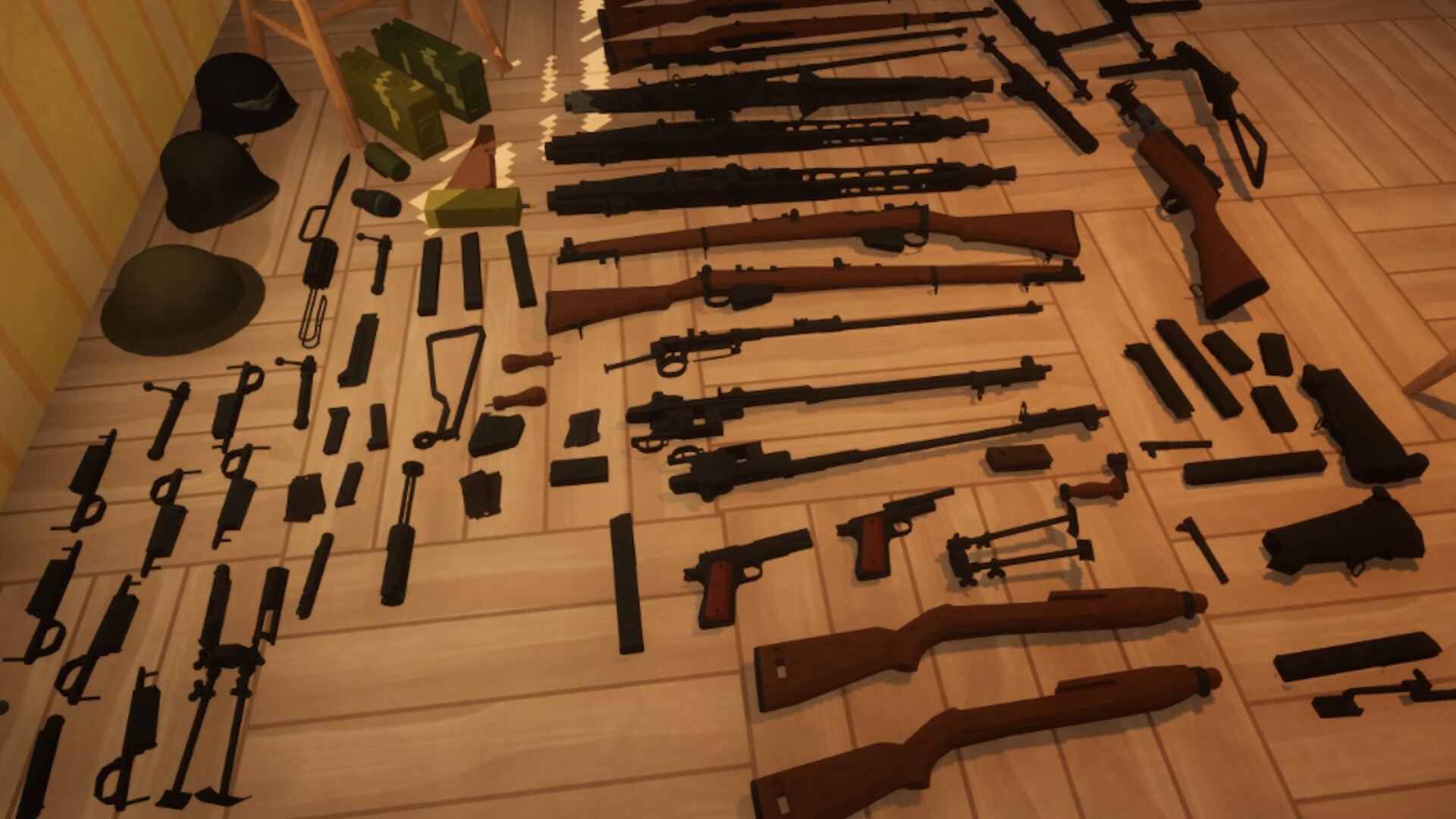
Sorting a haul of collected parts, the kind of identification puzzle reviewers say the book system makes needlessly tedious.Image: Cup via Steam -
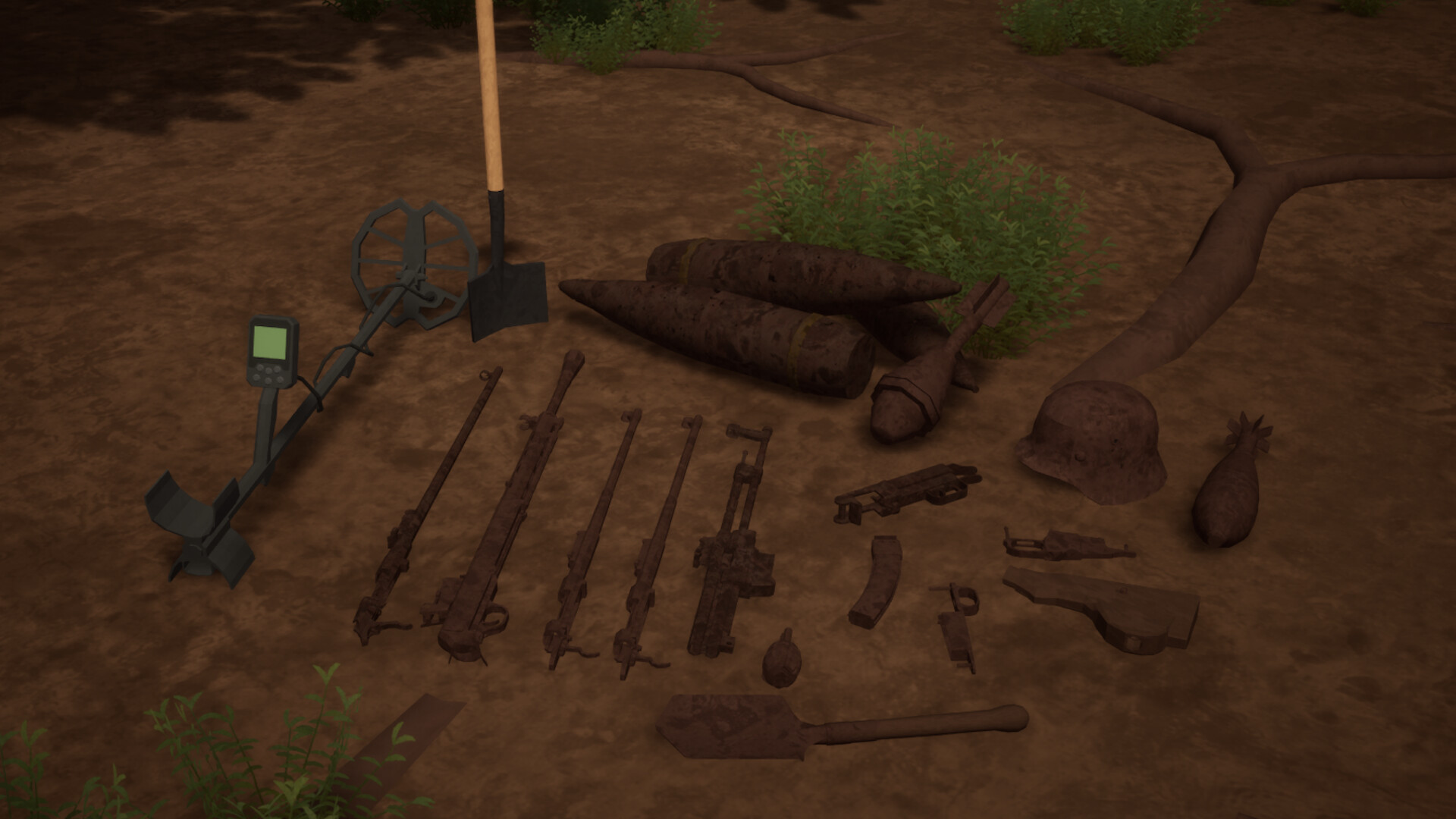
A fresh dig site, the corroded rifles and ordnance reviewers say are strangely satisfying to identify and restore.Image: Cup via Steam