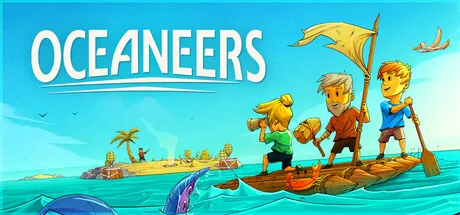
Game review
Oceaneers
7.5 / 10
- Developer
- Barrel Smash Studios
- Publisher
- Barrel Smash Studios
- Released
- 13 April 2026
- Platforms
- Windows
- Genre
- Survival Crafting Colony Sim
- Monetisation
- Premium, one-off purchase, no in-game purchases
- Players
- Single-player
The short version
Oceaneers takes the well-worn survival-colony formula and gives it a genuinely unsettling twist: the ground under your feet can sink. Islands built from scavenged Float-Tech decay and eventually drop into the sea, forcing the same kind of constant, low-grade triage that made Rimworld click with players who like watching a fragile system nearly fall apart and hold together anyway. Rafts built for expeditions, a colony that needs feeding and placating in equal measure, and bunkers that slowly unpack a corporate-collapse backstory give the loop real shape for a two-person studio's first Early Access release.
It's still an Early Access release, though, and it shows in the places you'd expect: a slow opening stretch where quest direction isn't always clear, crafting chains that ask for more raw grinding than the systems around them justify, and performance that has needed patching in specific biomes since launch. None of that is unusual for a survival sim a few months into Early Access, but it does mean the game is currently better suited to players willing to ride out some rough edges for an idea with real promise.
Biggest strengths
- The sinking-islands mechanic turns ordinary colony maintenance into a genuine ticking clock, rather than a cosmetic threat that never actually costs you anything
- Rimworld-style toggles for weather frequency, shark aggression and overall difficulty let the same core loop serve both newcomers and players who want the game to fight back
- Sending rafts out on expeditions ties resource runs to recruitment and story progress at the same time, instead of treating exploration as a detour from the "real" base-building game
Biggest weaknesses
- The opening hours move slowly, and quest direction is not always clear about what the game wants you to do next
- Several crafting recipes demand long, repetitive material-gathering stretches that outlast the systems they're feeding into
- Ocean tessellation and rendering load have caused reported performance drops in specific biomes, requiring post-launch patching
Who it's for: Survival-crafting and colony-sim players who liked what Rimworld or Frostpunk did with slow-building pressure and want that pressure applied to a flooded, half-sunk world instead of a frozen or agrarian one, and who are comfortable buying into an Early Access game that is still finding its final shape.
Our recommendation: Worth buying now if you enjoy watching an Early Access survival sim grow, especially given the two-person team's visible commitment to patching and expanding it. Players who want a complete, polished endgame today should wait for a few more content passes.
7.5 / 10
Most survival-colony games give you a plot of land and ask you to defend it. Oceaneers gives you a plot of land and quietly starts taking it away. Barrel Smash Studios' Early Access debut is set in a flooded sci-fi world where the last dry ground is a patchwork of unstable islands kept afloat by scavenged Float-Tech, and the central threat isn't raiders or hunger alone — it's the very real possibility that the floor your colony is standing on will eventually sink into the sea. That single premise does more to distinguish Oceaneers from the crowded survival-crafting shelf than any amount of crafting-tree padding could.
A colony sim that can't sit still
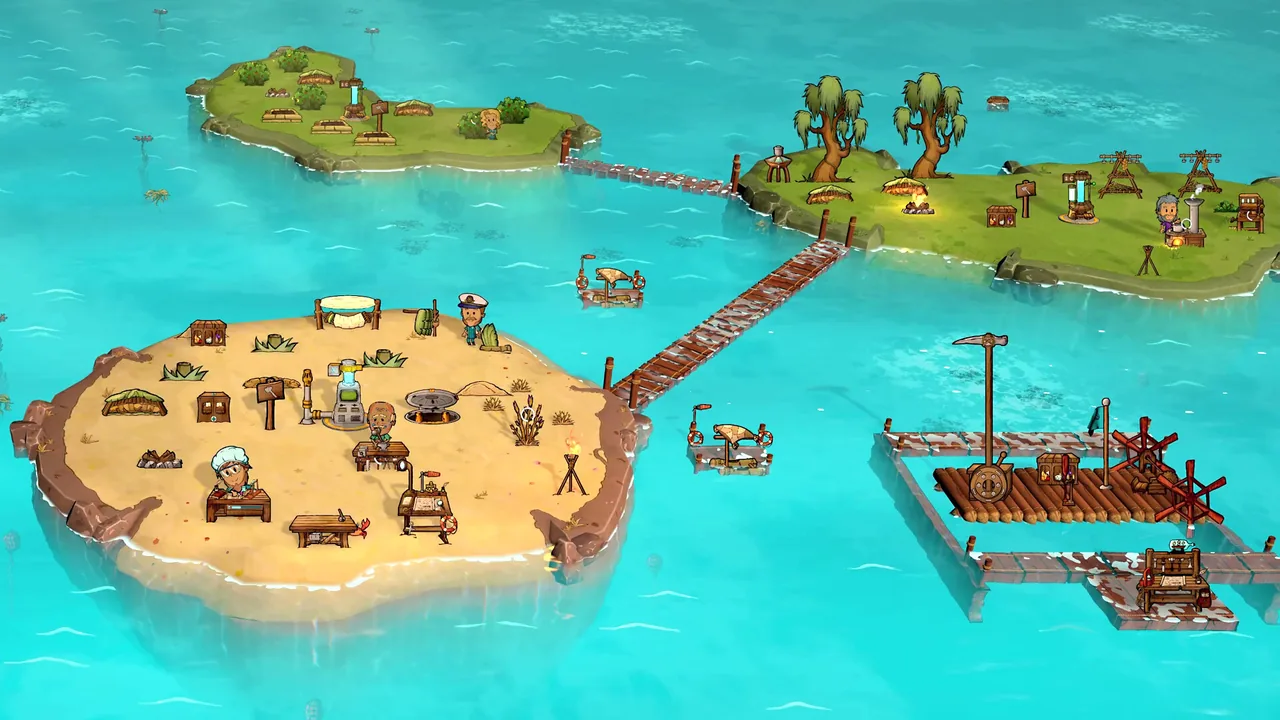
The core loop will be instantly familiar to anyone who has put time into Rimworld or a Frostpunk-style settlement builder: scavenge resources, keep survivors fed and content, expand the base, research better technology, and manage the slow accumulation of threats that never fully go away. What Oceaneers adds is instability as a first-class resource. Islands degrade over time, and losing one means losing whatever you've built on it, which turns ordinary base-planning decisions — where to put the granary, how much to invest in a given plot — into calculations with a real expiry date attached. It's a smart reframing of colony-sim tension: instead of an external siege you can eventually out-build, the ground itself is the thing wearing down, and no amount of turret spam fixes that.
Layered on top of the core management is the raft system, which does double duty as both the game's exploration mechanic and its recruitment pipeline. Building a basic raft and sending survivors out to chart nearby map sectors returns resources, new colonists, and pieces of the story in the same trip, which gives expeditions a purpose beyond simply refilling a stockpile. It's a smarter design than the usual "send a scavenging party, collect loot, repeat" survival-game standby, because the payoff isn't just materials — it's the colony's actual population and its understanding of what happened to the world before the floods arrived.
Survivors, sharks and dialling in your own difficulty
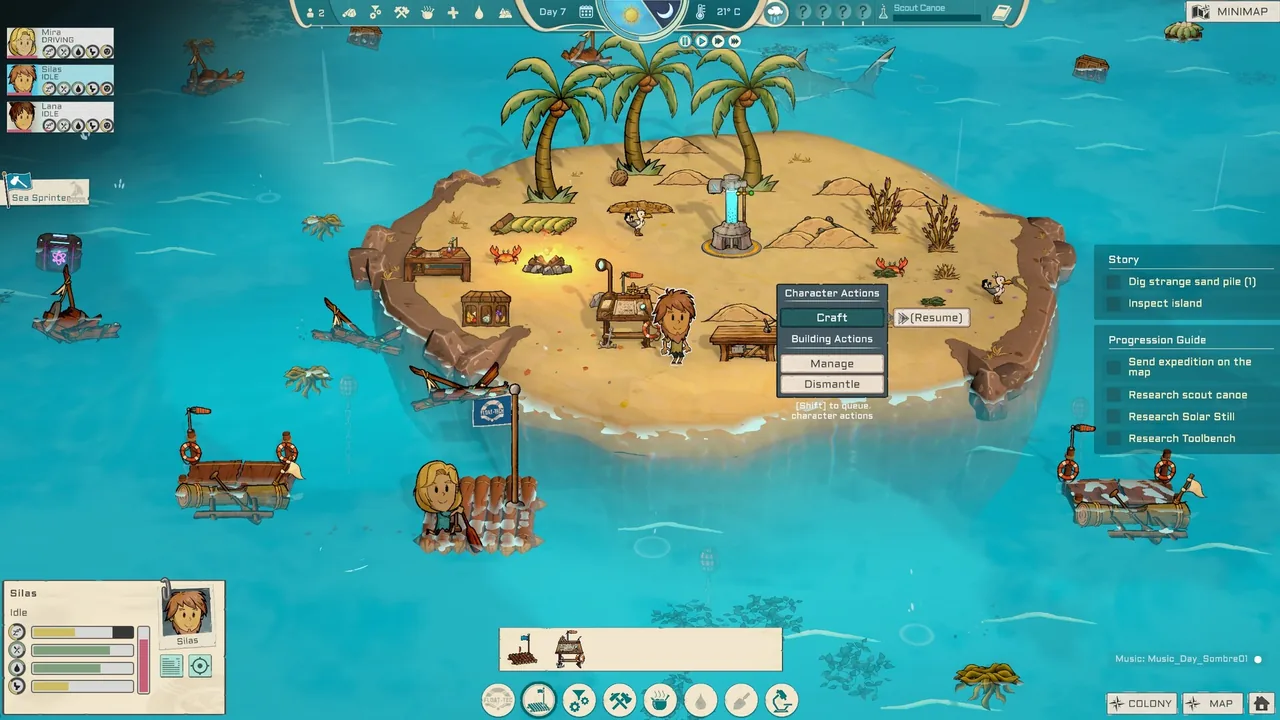
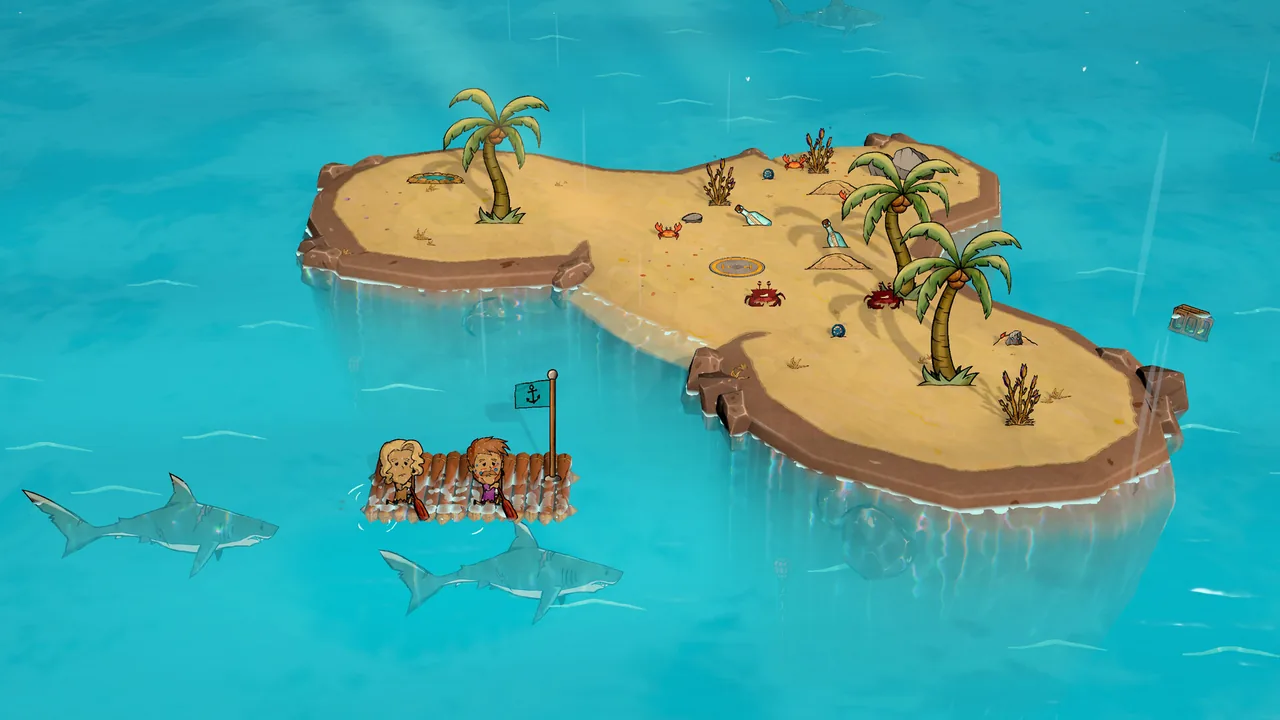
Colony management here leans on survivor happiness and health as parallel pressure gauges, which rewards the kind of attentive, personality-driven micromanagement that made Rimworld's colonist systems addictive without demanding quite that level of obsessive detail. Threats come from the expected directions — weather, hostile wildlife, and sharks that make expeditions and shoreline work genuinely risky — but Oceaneers gives players unusually granular control over how hard those threats push back. Weather frequency, shark aggression and overall difficulty are all independently adjustable, which is the right call for a genre that lives or dies on whether a new player can find their footing before the systems start compounding against them. Veterans who want the full survival squeeze can turn everything up; newcomers easing into the colony-sim genre for the first time can turn it down without feeling like they're playing a different, worse version of the game.
The bunkers scattered across the map are where Oceaneers earns its sci-fi label rather than just wearing it as set dressing. Exploring them uncovers the wreckage of an old-world corporation and the Float-Tech it left behind, giving the campaign a narrative through-line that's actually tied to mechanical progression rather than sitting off to the side as flavour text. It's not a heavily written story, but it gives expeditions a reason to keep pushing outward that goes beyond "there might be more scrap over there."
Where Early Access still shows
None of this is delivered as a finished product, and it shouldn't be judged as one. The opening stretch is slower than it needs to be, and the game isn't always clear about what it wants a new player to do next — a problem that's common in Early Access survival sims still tuning their tutorial pacing, but a real friction point all the same. Several crafting chains ask for more raw material gathering than the payoff justifies, turning what should be a quick equipment upgrade into a longer fetch quest than the moment-to-moment gameplay is built to sustain. Basic rafts currently support only a couple of buildings each, which caps how much players can actually customise their early expedition loadouts before better raft tiers presumably arrive later in development.
Performance has also needed real attention. Reports of frame drops tied to ocean tessellation and rendering load in specific biomes surfaced after launch, and the developers have been patching those issues on a public test branch rather than letting them sit — a reasonable response from a two-person team, but one that means players jumping in on launch week and players jumping in now may have noticeably different experiences depending on which patches have landed.
Value and what buying in now actually gets you
At US$24.99 for a premium, one-time purchase with no microtransactions, energy systems or premium currency, Oceaneers prices itself honestly for what it currently offers: a genuinely inventive core loop, several biomes' worth of content, and the understood risk that comes with any Early Access purchase. The developers have said they expect roughly a year in Early Access, with scope depending on player feedback, which is a fair framing for what's here now — a strong foundation with visible gaps rather than a complete game with a few rough edges.
That two-person origin is worth keeping in mind when weighing the criticisms above. The pacing issues, the grindier crafting chains and the biome-specific performance problems are all the kind of thing a small team fixes over months of patches rather than years, and the discussion boards show a studio that's actually doing that rather than going quiet after launch.
Final verdict
Oceaneers' sinking-islands hook is the rare Early Access idea that's genuinely distinctive rather than a reskin of an established formula, and the raft-expedition loop backs it up by tying exploration, recruitment and story together instead of treating them as separate systems bolted onto the same base. The slow opening hours, occasional lack of direction, over-long crafting chains and patch-in-progress performance keep it out of the genre's top tier for now, but none of those problems look structural — they look like the normal growing pains of a small team's first Early Access release. Buy in now if you want to watch that growth happen and don't mind some friction along the way; wait for a content pass or two if you'd rather meet the game once it's closer to finished. Players who like a colony that keeps ticking along even when they've stepped away from it, rather than one that only exists while they're actively steering it, may also want to take a look at Wanderer.
Price and Steam review figures checked 31 July 2026.
Pros and cons
Pros
- The sinking-islands mechanic turns ordinary colony maintenance into a genuine ticking clock, rather than a cosmetic threat that never actually costs you anything
- Rimworld-style toggles for weather frequency, shark aggression and overall difficulty let the same core loop serve both newcomers and players who want the game to fight back
- Sending rafts out on expeditions ties resource runs to recruitment and story progress at the same time, instead of treating exploration as a detour from the "real" base-building game
- Survivor happiness and health add a management layer that rewards attention without becoming a full second job
- A clean one-time price with no in-app purchases, premium currency or energy systems to work around
Cons
- The opening hours move slowly, and quest direction is not always clear about what the game wants you to do next
- Several crafting recipes demand long, repetitive material-gathering stretches that outlast the systems they're feeding into
- Ocean tessellation and rendering load have caused reported performance drops in specific biomes, requiring post-launch patching
- Early rafts support only a couple of buildings apiece, which limits how much of the expedition loop players can meaningfully customise this early in Early Access
- Windows-only, with no stated plans yet for Mac, Linux or Steam Deck support
Screenshots
-
OceaneersImage: Barrel Smash Studios via Steam -
OceaneersImage: Barrel Smash Studios via Steam -
OceaneersImage: Barrel Smash Studios via Steam -
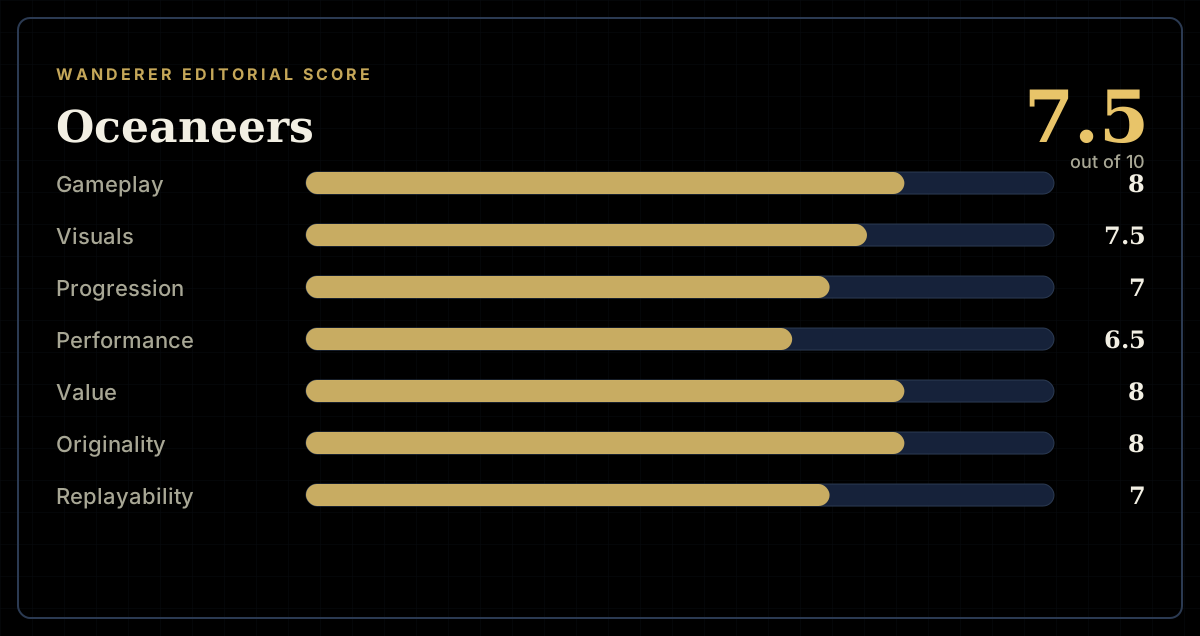
How the review scores each part of the gameWanderer Editorial -
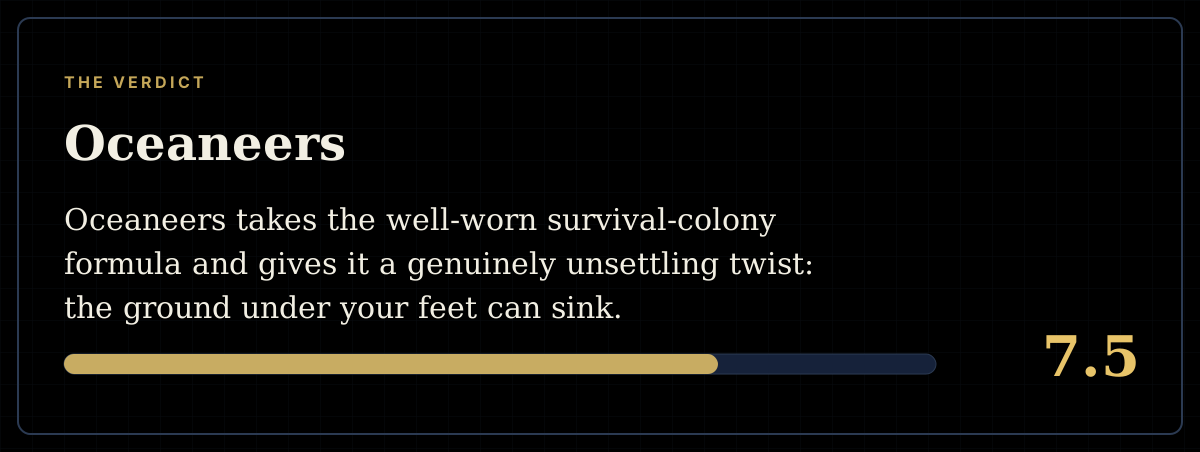
The short versionWanderer Editorial