Game review
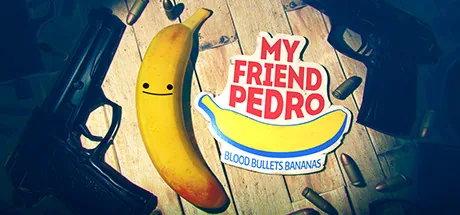
My Friend Pedro
7.5 / 10
- Developer
- DeadToast Entertainment
- Publisher
- Devolver Digital
- Released
- 20 June 2019
- Platforms
- Windows
- Genre
- Comedy Action Platformer
- Monetisation
- One-time purchase at NZ$28.99, no discount active as of 13 August 2026. No DLC or microtransactions.
- Players
- Single-player only
The short version
My Friend Pedro is Victor Ågren's solo-developed follow-up to his own 2014 Flash cult hit -- a side-scrolling bullet-time shooter where you dual-wield pistols, split bullets by shooting through frying pans, and take narration advice from a sentient banana named Pedro. It shipped through Devolver Digital on 20 June 2019 after five years of development, sold 250,000 copies in its first week, and landed at Metacritic 81. Steam agrees seven years later: Overwhelmingly Positive, 95.5% of 28,437 reviews.
A 100-review negative sample shows a remarkably consistent shape to the criticism, though: reviewers across the entire seven-year span agree the opening levels are excellent, and just as consistently describe a back half that leans on one-off gimmick mechanics -- a "dreamland" detour, mine-cart and vehicle sections, an unpopular final boss -- rather than deepening the core gun-fu loop. A short runtime (commonly 1.5-3 hours), imprecise platforming controls, and a punishing style-meter completion system round out the steadiest complaints, alongside frequent, often unfavorable comparisons to genre-mates Hotline Miami and Katana ZERO.
Biggest strengths
- A genuinely inventive, stylish core loop -- bullet-time gun-fu with ragdoll physics, wall-runs and bullet-splitting tricks -- that draws consistent praise across the entire seven-year review history, positive and negative alike
- A distinctive comic tone anchored by Pedro, a talking banana narrator, that gives the game a dark-comedy identity few genre peers attempt
- Real commercial and critical success backing up the Steam score -- 250,000 copies in its first week and a Metacritic 81 -- for what began as a beloved 2014 Flash cult hit
Biggest weaknesses
- A back half that a real, consistent share of reviewers say runs out of ideas, leaning on one-off gimmick sections -- a dreamland detour, vehicle and mine-cart segments -- rather than building on the strong opening's core gunplay
- A short campaign, commonly finished in 1.5 to 3 hours, that draws real value complaints at the current NZ$28.99 asking price
- Platforming-focused controls draw steady criticism as imprecise or "floaty," a specific problem given how much of the back half leans on platforming over gunplay
Who it's for: Fans of tight, stylish action games who want a short, high-energy few hours rather than a long campaign, and who can tolerate the back half leaning harder on gimmicks than the strong opening promises. A weak fit for players chasing S-rank completion, which the achievement data shows very few actually reach.
Our recommendation: A genuinely fun, distinctive few hours best enjoyed for the spectacle and dark comedy rather than deep mechanical mastery -- an easy recommendation on a sale, a fair but less clear-cut one at full price given how short it runs.
7.5 / 10
Victor Ågren made My Friend Pedro twice. The first version was a Flash game he started as a school project, shelved for six or seven years while working at Media Molecule, and finally finished and released through Adult Swim Games in 2014, where it became a genuine cult favourite. The second version — a fuller, heavily remade 2.5D commercial release, still built almost entirely by Ågren under the name DeadToast Entertainment — took another five years and shipped through Devolver Digital on 20 June 2019. It moved 250,000 copies in its first week alone and settled at a Metacritic 81, a genuinely strong launch by any measure. Seven years on, Steam's audience agrees even more emphatically: Overwhelmingly Positive, 95.5% of 28,437 reviews.
Gun-fu, bananas, and a first half almost nobody argues with
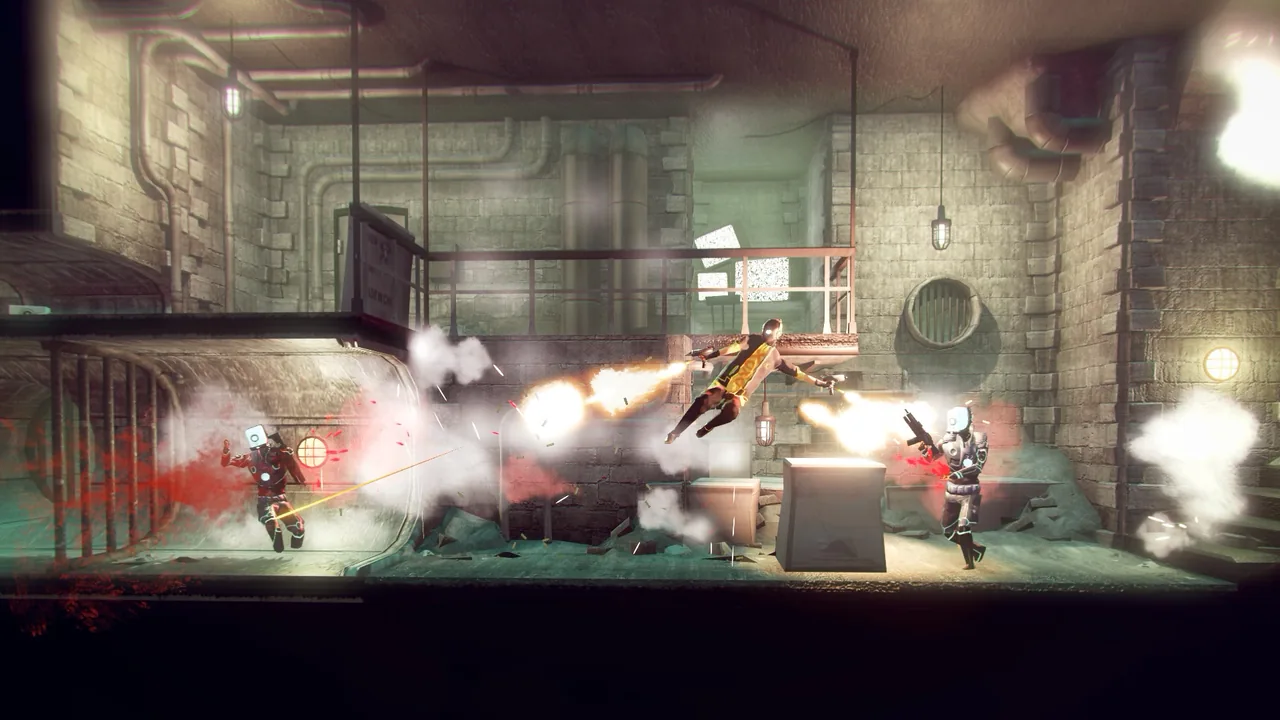
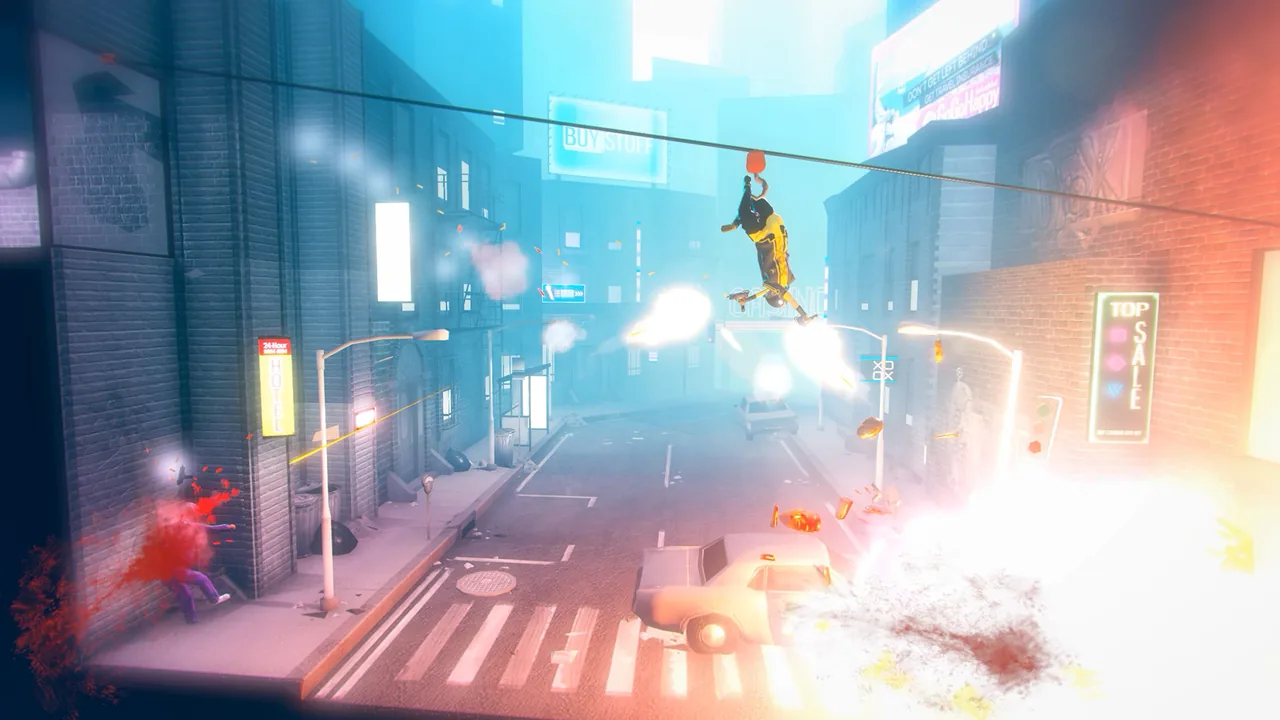
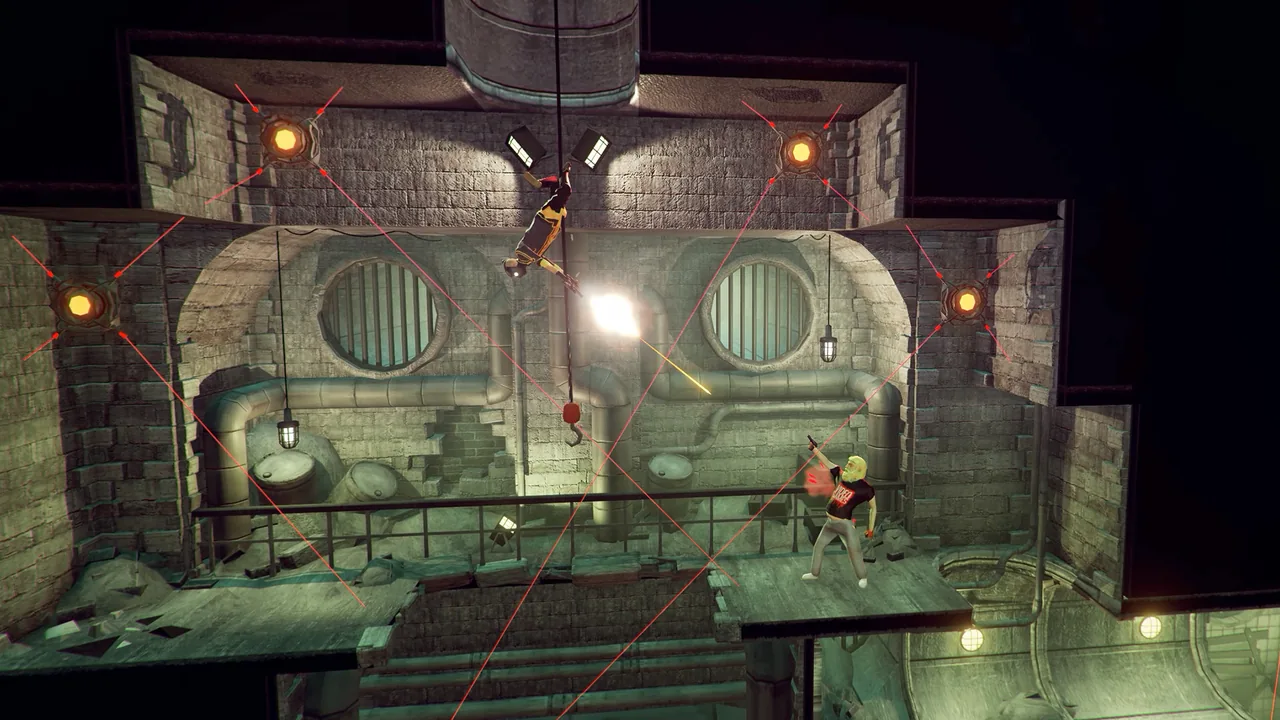
The pitch is simple and immediately legible: you're an amnesiac assassin guided by Pedro, a sentient, occasionally unhinged banana, through side-scrolling levels built around slow-motion gunplay — dual-wielding pistols while diving, wall-running and spinning through the air, splitting bullets by firing through frying pans, and chaining kills into a style score that the game constantly measures and rewards. It's a loop that draws close to unanimous praise across the entire review history checked for this piece, in positive and negative reviews alike — even reviewers who go on to detail a long list of complaints about the rest of the game routinely open by crediting the core shooting and movement as genuinely excellent. The distinctive psychedelic art style and Pedro's dark, absurdist narration give the game a comic identity that's rare in the genre, and that combination — inventive mechanics plus a genuinely funny, odd tone — is clearly what carried the game to its commercial and critical success at launch.
A back half that runs on gimmicks, according to a consistent chorus
What's striking about the negative-review sample, spanning July 2024 through August 2026, is how narrowly and consistently it converges on one specific structural complaint: the game's second half. "The beginning of the game is great, the levels are diverse and fun, but the remaining half of the game feels as if they just ran out ideas," reads one representative 2026 review — a sentence that could be swapped almost word-for-word with dozens of others across the sample. Reviewers repeatedly point to specific detours — a surreal "dreamland" sequence, vehicle and mine-cart sections, a series of one-off gimmick mechanics introduced and then dropped rather than built upon — as the moment the game shifts from confident gun-fu into something closer to, as one reviewer puts it, "Mario with guns." It's a genuinely unusual pattern to see this consistent across years of independent reviews: not a single controversial patch or update people are reacting to, but a structural pacing decision baked into the original 2019 release that's drawn the same specific criticism, in the same specific terms, from players writing years apart.
Platforming control feels like the mechanical seam where this shows most directly. Several reviewers describe the movement as "clunky" or "floaty" specifically in the sections that lean hardest on precision jumping rather than shooting — a real problem given how much of the back half asks players to do exactly that. "The controls are clunky and character feels too floaty for the amount of platforming," reads one; "half the game is doing bad platforming and puzzles, gunplay is good tho," reads another, capturing the same split concisely.
Short, divisive to fully master, and constantly measured against its peers
Length draws a real, if secondary, complaint. Most reviewers report finishing the campaign in somewhere between ninety minutes and three hours, and a meaningful share explicitly weigh that against the current NZ$28.99 price and come away feeling it's thin — "it does everything well but it isn't really an experience that is worth 20 whole dollars when I finished the game in around 3 hours," reads one blunt example (reflecting an earlier, lower US price point, though the point about runtime-versus-cost stands regardless of currency). Set against that, the game's style-meter completion system — chasing S-ranks across every level — is explicitly designed to extend playtime for players chasing full mastery, and the achievement data shows just how far that divides the audience: 82.2% of players earn the game's first milestone achievement, but the hardest, most completion-focused achievements sit under 3%, evidence that the S-rank chase genuinely works as intended for a small, dedicated slice of players while remaining out of reach or simply uninteresting for the large majority who finish the story once and move on.
The game also lives constantly in the shadow of its genre neighbours, invoked by name in a real share of the negative sample — Hotline Miami and Katana ZERO both come up repeatedly, almost always as an unfavorable comparison point rather than a compliment. "Play Katana Zero instead, much much MUCH better," reads one blunt review. It's worth noting this is partly an accident of timing and genre crowding rather than a fair reflection of quality on its own — My Friend Pedro's Flash-game roots predate both of those comparisons by years — but it's a real, consistent headwind in how current reviewers frame their expectations, and worth knowing about if you've already played either of those games and are wondering how this one stacks up.
Verdict
My Friend Pedro earned its commercial and critical success honestly: a genuinely inventive, stylish gun-fu loop, a distinctive comic voice built around a talking banana, and roots in a beloved cult Flash game that a solo developer spent five years turning into something more substantial. What's kept a real, consistent slice of its audience from a cleaner recommendation, across the entire span since launch, is a specific and remarkably stable complaint: a first half that nearly everyone agrees is excellent, and a back half that leans on gimmick detours rather than deepening what worked. Combined with a short runtime and platforming controls that draw steady criticism, it adds up to a game that's genuinely worth playing for its best moments — but one whose own community has been remarkably consistent, for seven years running, about exactly where those best moments stop.
7.5 out of 10. A stylish, inventive shooter with one of the strongest openings in its genre, let down by a back half that a consistent chorus of players say never quite lives up to the promise of the first hour.
Pros and cons
Pros
- A genuinely inventive, stylish core loop -- bullet-time gun-fu with ragdoll physics, wall-runs and bullet-splitting tricks -- that draws consistent praise across the entire seven-year review history, positive and negative alike
- A distinctive comic tone anchored by Pedro, a talking banana narrator, that gives the game a dark-comedy identity few genre peers attempt
- Real commercial and critical success backing up the Steam score -- 250,000 copies in its first week and a Metacritic 81 -- for what began as a beloved 2014 Flash cult hit
- A visually distinctive, psychedelic art style that draws approving comments even from reviewers otherwise critical of the level design built around it
Cons
- A back half that a real, consistent share of reviewers say runs out of ideas, leaning on one-off gimmick sections -- a dreamland detour, vehicle and mine-cart segments -- rather than building on the strong opening's core gunplay
- A short campaign, commonly finished in 1.5 to 3 hours, that draws real value complaints at the current NZ$28.99 asking price
- Platforming-focused controls draw steady criticism as imprecise or "floaty," a specific problem given how much of the back half leans on platforming over gunplay
- The style-meter S-rank completion system is punishing enough that global achievement data shows the hardest completion achievements earned by under 3% of players, versus 82.2% for the game's first milestone
Screenshots
-
My Friend PedroImage: Devolver Digital via Steam -
My Friend PedroImage: Devolver Digital via Steam -
My Friend PedroImage: Devolver Digital via Steam -
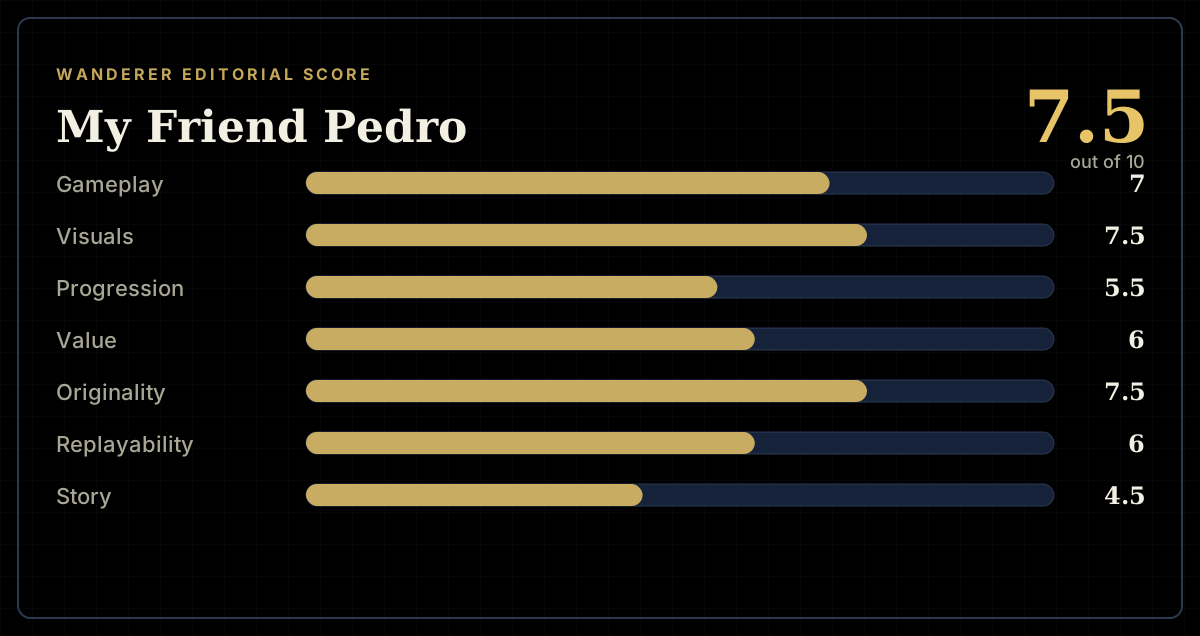
How the review scores each part of the gameWanderer Editorial -
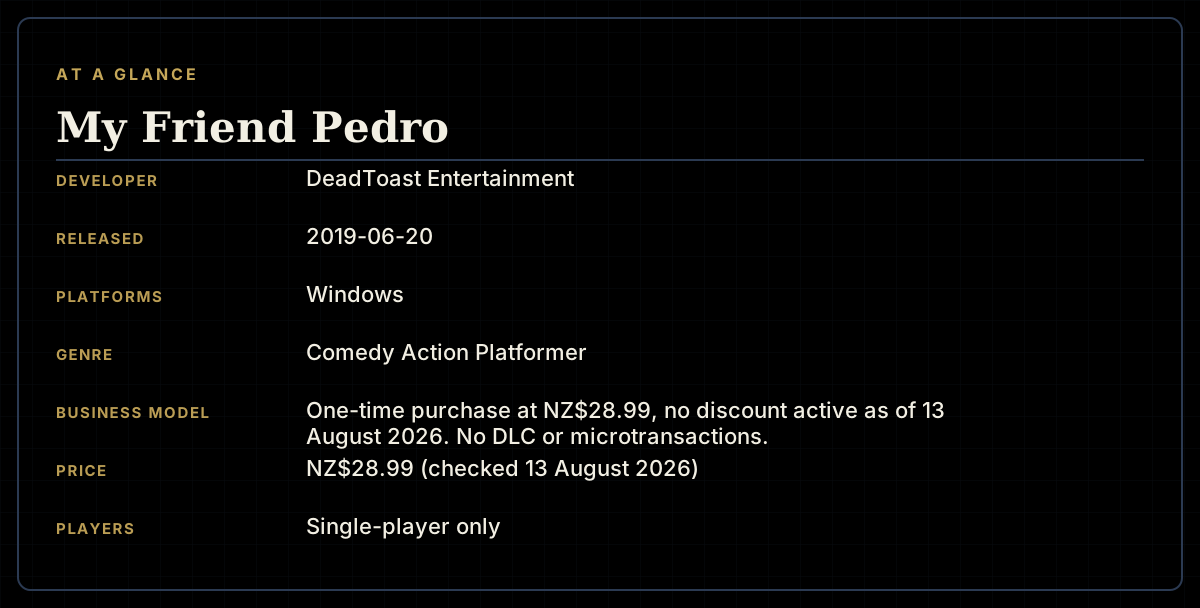
The essentialsWanderer Editorial -
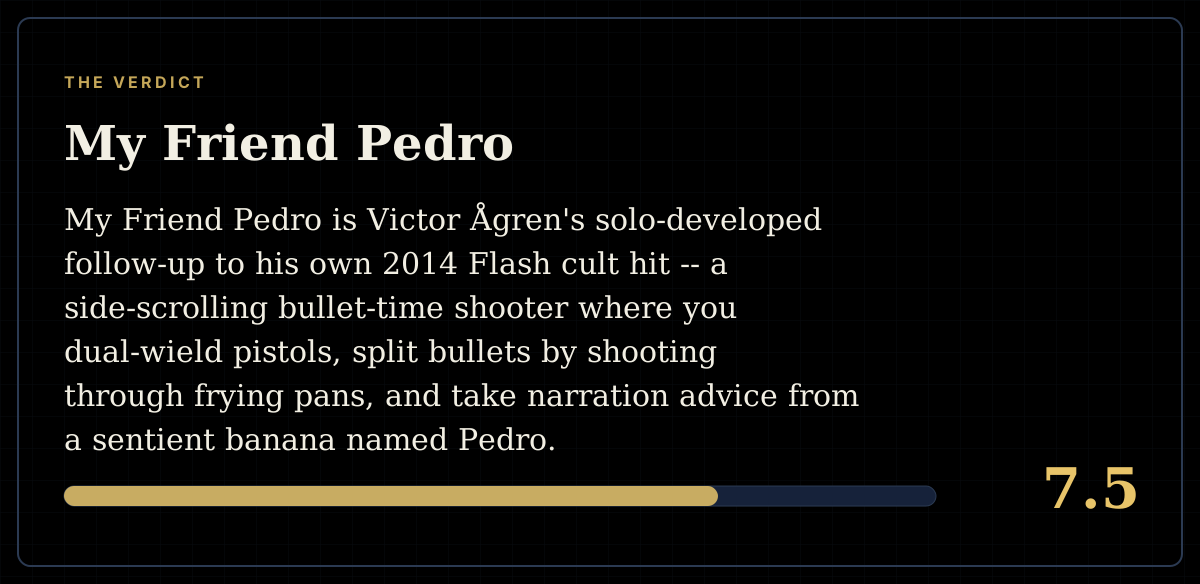
The short versionWanderer Editorial