Game review
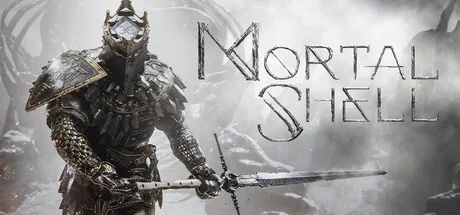
Mortal Shell
7 / 10
- Developer
- Cold Symmetry
- Publisher
- Playstack
- Released
- 18 August 2021
- Platforms
- Windows
- Genre
- Action RPG Soulslike
- Monetisation
- One-off premium purchase, with one optional DLC expansion; no in-app purchases and no premium currency
- Players
- None. Single-player only, with no leaderboard, co-op or shared-progress feature
The short version
Mortal Shell asks a simple but genuinely distinctive question: what if a soulslike protagonist had no character of their own to build, and instead possessed the remains of fallen warriors, each shell granting a different playstyle? It's a real hook, and it's earned the game a devoted following willing to defend it fiercely — "I find it very hard to believe that some of the people who left a negative review on this game have ever played or finished a Dark Souls game," one representative fan writes. Steam's own rating, sitting right at the edge of Mixed at 67.9% across more than 10,000 reviews, tells a more complicated story: a remarkably consistent critical thread describes the game as content-thin — three areas, one meaningfully more developed than the others — with little incentive to fight regular enemies since there's no levelling to reward it, compounded by bugs and clunky AI several reviewers report remain unfixed years after launch. With sequel Mortal Shell II releasing 6 August 2026, just days after this review, understanding exactly what the original delivered and where it fell short is timelier than it's been in years.
Biggest strengths
- A genuinely inventive core mechanic — occupying dead warriors' "shells" rather than building a single character — that draws sustained praise as a real, distinctive contribution to the soulslike genre rather than a reskin
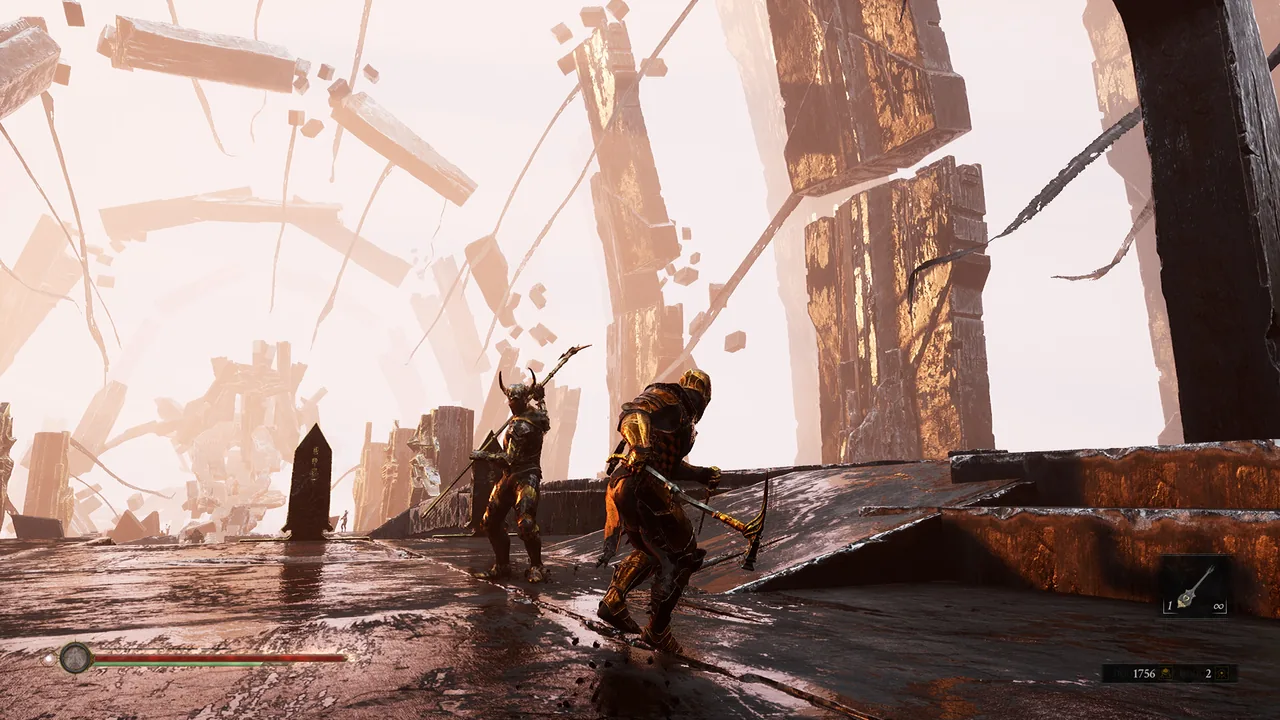
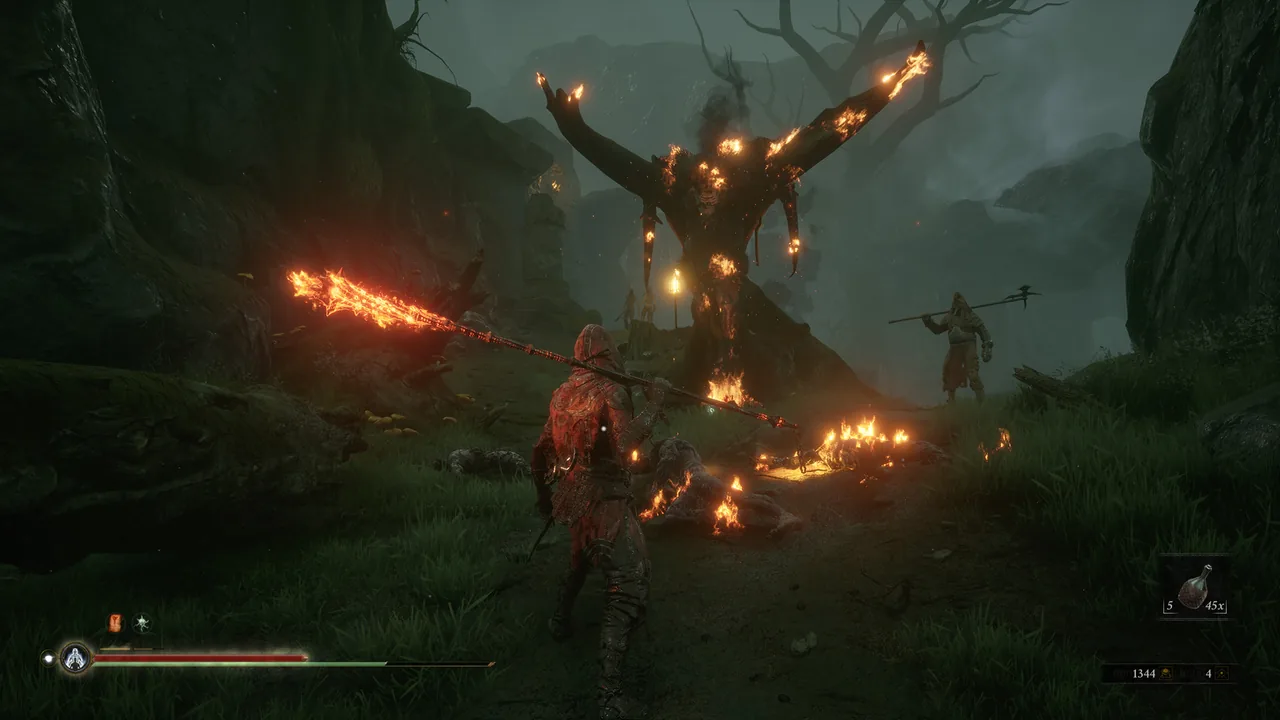
- Atmosphere and visual design draw consistent, strong praise, with a gloomy, well-realised dark fantasy world that reviewers describe as punching well above the game's budget
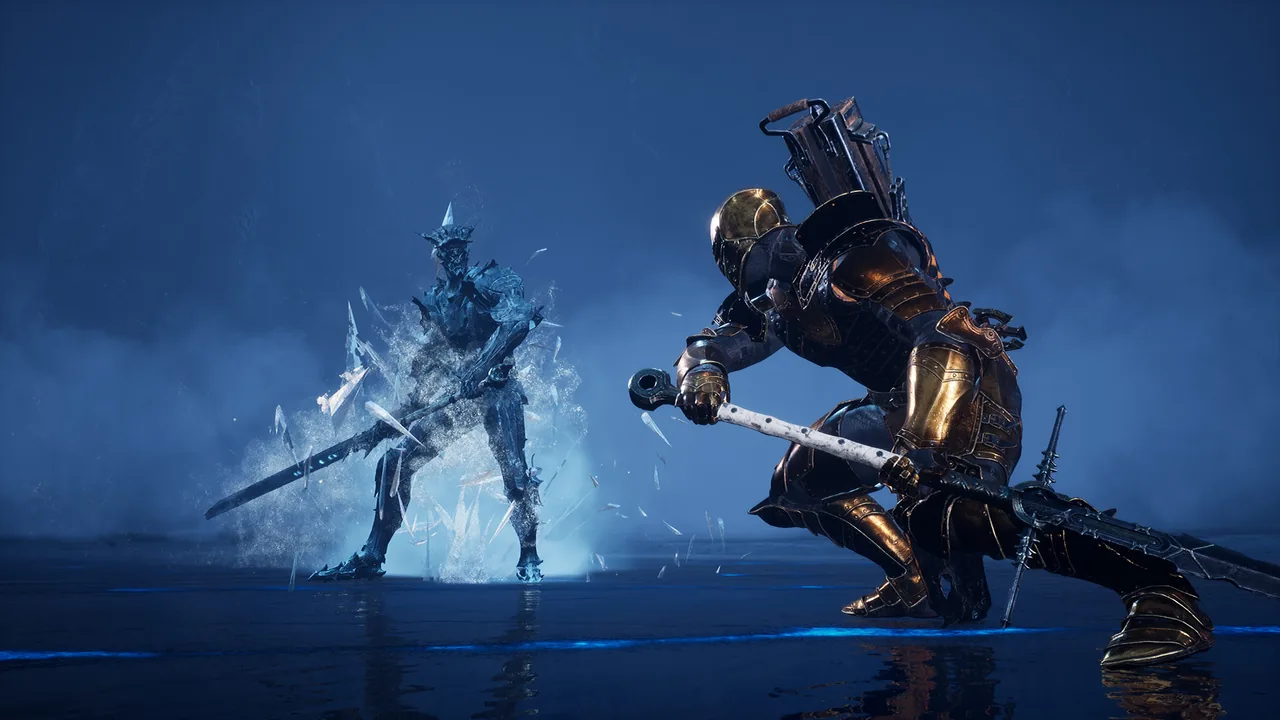
- Boss encounters and the "harden" defensive mechanic — temporarily turning to stone to block attacks or add weight to a counterattack — are singled out repeatedly as genuinely satisfying, distinctive combat tools
Biggest weaknesses
- A remarkably consistent complaint describes the game as content-thin, with only three explorable areas — one noticeably more developed than the others — leading several reviewers to describe it as feeling like a fraction of a complete game
- There is little mechanical incentive to fight regular enemies, since defeating them grants no levelling or meaningful reward, a structural gap several reviewers argue undermines the core soulslike tension of risk versus reward
- Persistent bugs and inconsistent enemy AI are reported by multiple reviewers as remaining unfixed years after launch, with the developer's public attention having moved on to the sequel without further patching the original
Who it's for: Souls-like fans specifically curious about a distinctive body-swapping mechanic, and players comfortable treating a roughly 15-to-20-hour game as complete rather than expecting the scope of a full-priced AAA soulslike, especially at its frequent deep discounts.
Our recommendation: Worth playing at a discount for the distinctive core mechanic and atmosphere, with clear-eyed expectations about its thin content scope and persistent, unresolved bugs — a good primer before the sequel, not a full-priced must-own on its own merits.
7 / 10
Soulslikes live and die on whether they bring a genuinely new idea to a genre that's absorbed countless imitators since Dark Souls redefined it. Mortal Shell, from the small studio Cold Symmetry, has one real idea, and it's a good one: rather than building a single character across a playthrough, you inhabit the "shells" of dead warriors, each granting different stats, moveset options and a distinct playstyle you can swap between at will. Five years after its Steam release — and originally released a year earlier as an Epic Games Store exclusive — the game sits at a Mixed 67.9% across more than 10,000 Steam reviews, a score that undersells how devoted a real slice of its fanbase remains, and how consistently specific the critical case against it has stayed since launch. With sequel Mortal Shell II arriving 6 August 2026, just two days after this review, there's never been a more relevant moment to look honestly at what the original actually delivered.
A genuinely distinctive core idea
The shell mechanic is the thing Mortal Shell's defenders return to again and again, and it's easy to see why. "I want to start this review off by saying that I find it very hard to believe that some of the people who left a negative review on this game have ever played or finished a Dark Souls game," one representative positive review opens, before praising how the shell-swapping system lets a single playthrough offer real build variety without a traditional levelling system. Another describes the appeal precisely: "Blocking by hardening your entire body was a very unique aspect I've not seen in a souls-like before." That "harden" mechanic — temporarily turning to stone to block an incoming attack, or timing it to add brutal weight to your own counterattack — is singled out by multiple reviewers as the game's standout combat contribution, a genuinely different defensive tool from the parries and dodges the genre typically relies on.
Presentation draws similarly strong, consistent praise. "Visually impressive — the weapons & armour look like something an actual person could realistically use, but stylised enough to make you feel like you're on a powermetal album cover," one review states, capturing the game's gloomy, well-realised dark fantasy tone. For a studio working with a fraction of a AAA soulslike's budget, reviewers repeatedly note the atmosphere and boss encounters punch well above what the price and team size would suggest — several specifically call out individual boss fights as genuine highlights on par with far more expensive genre entries.
Where the criticism has stayed remarkably consistent
What keeps this review from simply celebrating that distinctive core idea is how specifically and persistently a large share of the negative sample identifies the same structural problems, across reviews written years apart. "It is really long list of all that have been buried inside this game," one review states, describing Mortal Shell as "a graveyard of unfinished ideas and not developed mechanics." Content scope draws the most concrete, repeatable complaint: "There are only 3 areas out of which only one feels slightly more fleshed out," one detailed review notes, a claim echoed almost verbatim across the sample. A particularly blunt assessment puts it starkly: "Honestly, it's more like 1/4 of a game." That's not a subjective quibble about pacing — it's a specific, verifiable claim about the game's actual explorable content, and it recurs too often across independent reviewers to dismiss as an outlier take.
A related, more mechanically specific complaint concerns the absence of any real incentive to engage with regular enemies. "After realizing that there is no sense in killing normal monsters, since you can't level up or buy useful stuff, you just skip" past them, one review explains — a genuine structural gap, since the tension between risking a fight for a reward and simply avoiding it is central to how soulslikes typically build dread and pacing. Without that incentive structure, several reviewers describe combat outside boss encounters as feeling optional in a way that undercuts the genre's usual rhythm.
Bugs and inconsistent enemy AI draw the sample's most persistent complaint of all, precisely because reviewers keep raising it years apart with no indication it's been resolved. "As much as I like the game, I wish I refunded it simply because of all the bugs that are in the game and I mean constantly bugs out in some way. Along with the funky bad AI, takes the game from good to borderline unplayable at times," one review states. Another, writing in June 2025 — nearly four years after the Steam release — puts the underlying tension bluntly: "This game still has a lot of bugs that have gone unfixed for years and they just announced a sequel. What is this industry?" Checking the game's own Steam news feed confirms the pattern independently: there's no record of substantive post-launch bug-fix patches in recent years, only sale announcements and, increasingly, marketing for Mortal Shell II — evidence that Cold Symmetry's active development attention has genuinely moved on rather than continuing to maintain the original.
A game whose timing has become its own selling point
There's a genuinely interesting pattern in more recent reviews: players trying Mortal Shell for the first time specifically because of excitement for its sequel. "WARNING: This is not like the second game!!! I played the open BETA Demo of Mortal Shell 2 and loved it a lot. So I thought it would be a great idea to try the first one. It's baaaaaad, very clanky and rough," one June 2026 review states — a useful, if blunt, data point that the sequel appears to represent a meaningful mechanical evolution rather than simply more of the same. That context is worth knowing directly: Mortal Shell II is positioned by its own marketing and beta reception as a substantially more polished, ambitious successor, and going in expecting the original to match that polish is likely to set newcomers up for disappointment regardless of how they feel about the underlying ideas.
Where this leaves a buyer
At full price, Mortal Shell's real, persistent content-thinness and unresolved technical issues are hard to fully recommend around — a genuinely distinctive core mechanic and strong atmosphere don't fully compensate for a game a meaningful share of its own reviewers describe as unfinished in specific, concrete ways that have gone unaddressed for years. At the deep discounts it regularly sees in Steam sales, though, the calculation shifts considerably: a roughly 15-to-20-hour experience built around a genuinely original idea, with some of the genre's more memorable boss encounters, is easy to recommend as a low-risk curiosity rather than a full-priced must-own. With Mortal Shell II due to release just two days after this review, players curious about the series' roots — or specifically wanting context for how far the sequel has evolved the formula — have good reason to finally give the original a look now, provided expectations for its scope and polish are set accordingly.
Pros and cons
Pros
- A genuinely inventive core mechanic — occupying dead warriors' "shells" rather than building a single character — that draws sustained praise as a real, distinctive contribution to the soulslike genre rather than a reskin
- Atmosphere and visual design draw consistent, strong praise, with a gloomy, well-realised dark fantasy world that reviewers describe as punching well above the game's budget
- Boss encounters and the "harden" defensive mechanic — temporarily turning to stone to block attacks or add weight to a counterattack — are singled out repeatedly as genuinely satisfying, distinctive combat tools
- Frequently available at very steep discounts (80-90% off in seasonal sales), making it a low-risk way to experience its distinctive mechanics even for skeptical buyers
Cons
- A remarkably consistent complaint describes the game as content-thin, with only three explorable areas — one noticeably more developed than the others — leading several reviewers to describe it as feeling like a fraction of a complete game
- There is little mechanical incentive to fight regular enemies, since defeating them grants no levelling or meaningful reward, a structural gap several reviewers argue undermines the core soulslike tension of risk versus reward
- Persistent bugs and inconsistent enemy AI are reported by multiple reviewers as remaining unfixed years after launch, with the developer's public attention having moved on to the sequel without further patching the original
- The lack of traditional character building or class specialisation, while praised by some as a fresh structural choice, draws criticism from others as removing a core part of what makes the genre's builds and replayability compelling
Screenshots
-
Mortal ShellImage: Playstack via Steam -
Mortal ShellImage: Playstack via Steam -
Mortal ShellImage: Playstack via Steam -
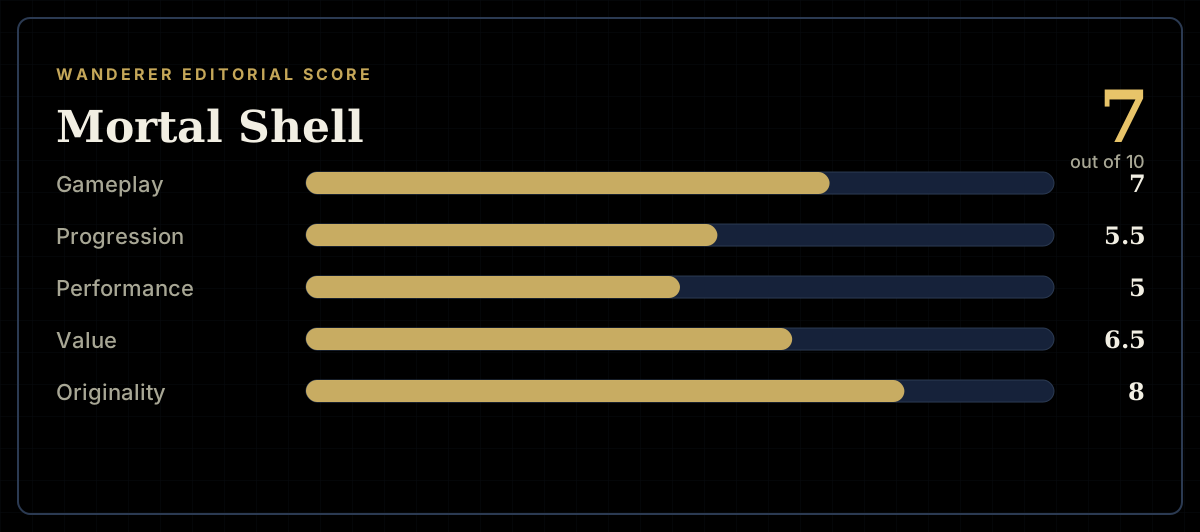
How the review scores each part of the gameWanderer Editorial -
The short versionWanderer Editorial