Game review
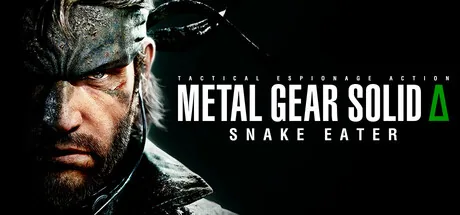
METAL GEAR SOLID Δ: SNAKE EATER
7 / 10
- Developer
- KONAMI
- Publisher
- KONAMI
- Released
- 28 August 2025
- Platforms
- Windows, PlayStation 5, Xbox Series X|S
- Genre
- Stealth Action
- Monetisation
- One-time purchase, with a Digital Deluxe Edition. No in-game purchases.
- Players
- Single-player campaign, plus the separate 12-player Fox Hunt online mode
The short version
Snake Eater is a masterpiece and this remake is faithful to it — the story, the boss fights, the jungle, the original voice cast, and Cynthia Harrell returning to record a new version of the theme. If you have never played it, the thing underneath all this is one of the finest games of its era and remains so.
What Konami added is new graphics; what they added along with them is an Unreal Engine 5 build that a great many players cannot hold at 60fps on hardware far beyond the recommended spec, plus motion artefacting and no ultrawide support. Patches stopped in January 2026 with the complaints unresolved. It launched at NZ$114.99 and sells today at 60% off, which is the market's own review.
Biggest strengths
- It's Snake Eater — one of the best-structured stealth games ever made, faithfully preserved
- The original voice cast returns, and the re-recorded theme is a genuine highlight
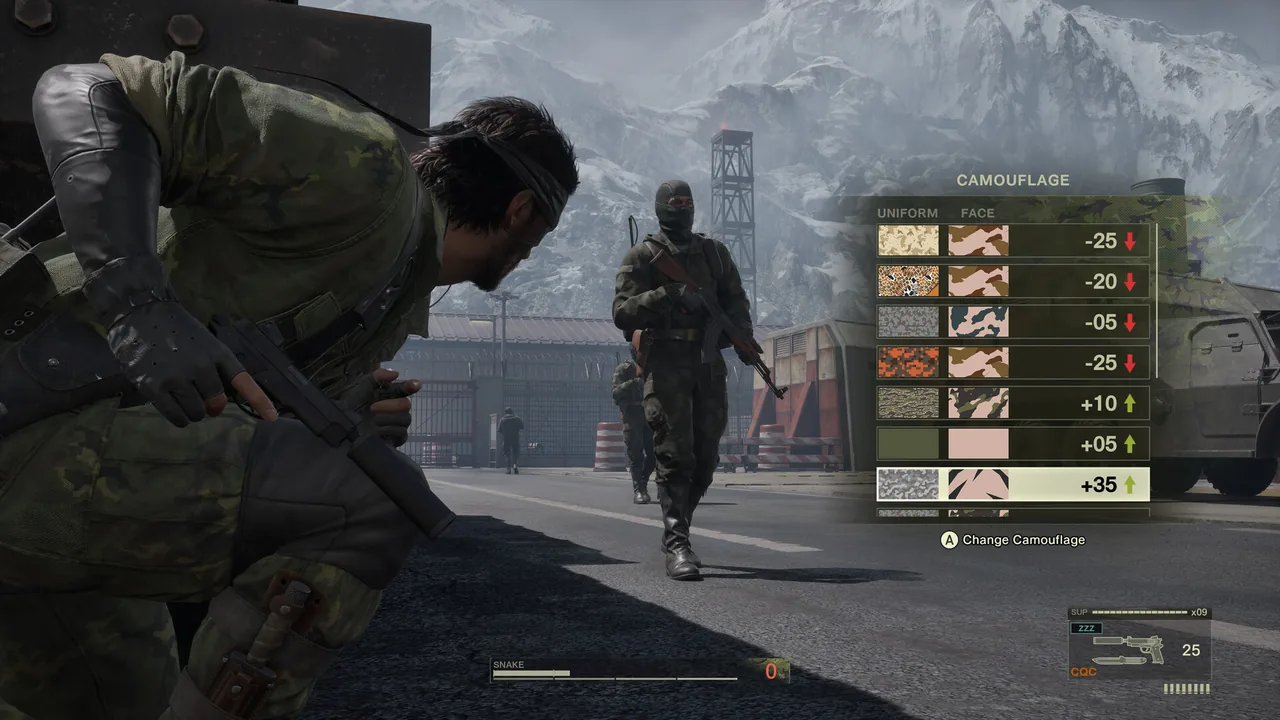
- Real quality-of-life improvements, including swapping camouflage from the d-pad instead of pausing into menus
Biggest weaknesses
- Performance is the dominant complaint across every month since launch, on hardware well above spec
- Many players report the frame rate capped at 60 and still dipping into the 40s and 50s
- Visible ghosting and motion artefacting, and no ultrawide monitor support at launch
Who it's for: Newcomers who want to experience MGS3 with modern presentation and can tolerate an inconsistent frame rate — or series veterans who specifically want the original with better lighting. Anyone sensitive to stutter should read the recent reviews before paying.
Our recommendation: Worth buying at the current 60% discount, not at list price. The game inside is superb and unchanged; you're paying for a visual layer that performs worse than a decade-old Metal Gear on the same hardware.
7 / 10
Konami had the easiest brief in games. The cutscenes were directed twenty years ago. The script was written. The boss fights — The End, The Sorrow, the final duel in a field of white flowers — are already among the most celebrated set pieces the medium has produced. Metal Gear Solid 3 didn't need reinventing. It needed rendering.
They did that, faithfully and with obvious respect. And then they shipped it in a state that a sizeable portion of the audience can't run properly, at NZ$114.99, and stopped patching in January.
The remake is a good remake
Start with what's right, because a lot is.
This is a shot-for-shot reconstruction. The story is intact, which matters because MGS3's story — a Cold War tragedy about loyalty, mentorship and being ordered to destroy the person who made you — is the best in the series and holds up completely. The original voice cast returns. Cynthia Harrell came back to record a new version of the title theme, and the most-upvoted critical review in the game's history stops mid-complaint to say it's "REALLY GOOD," which tells you something.
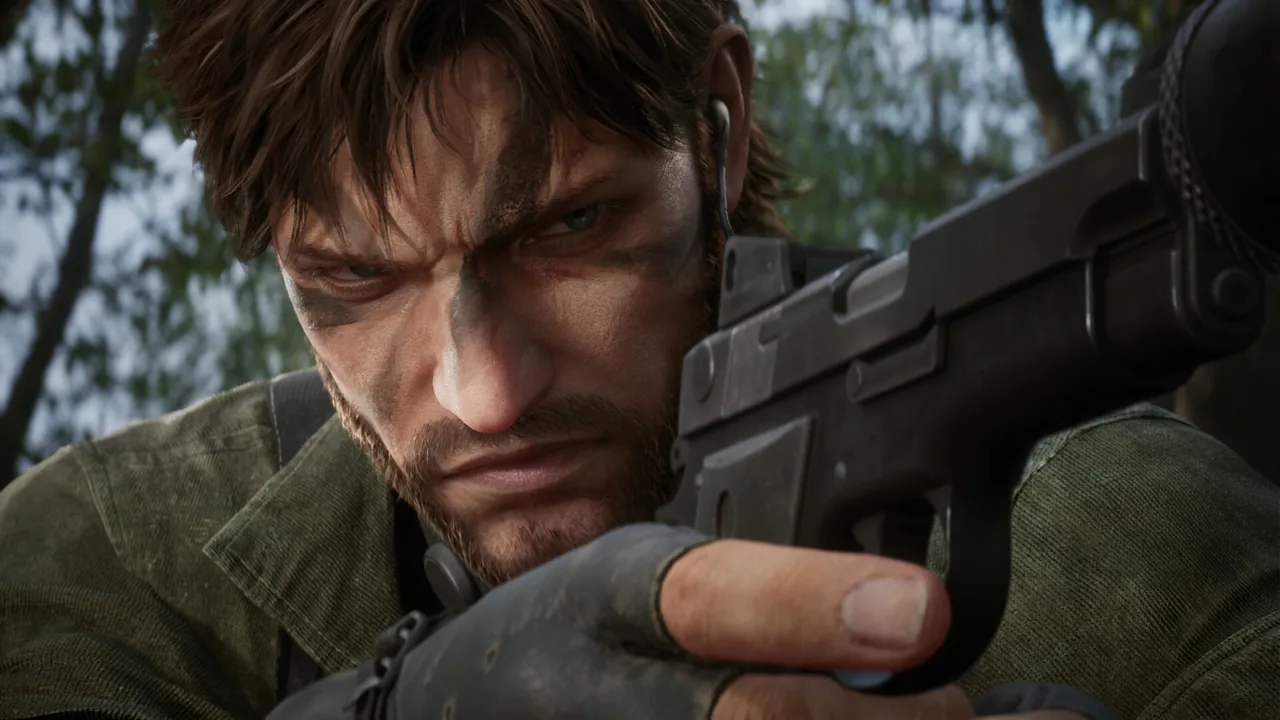
The quality-of-life work is thoughtful rather than cosmetic. You can swap camouflage from the d-pad instead of pausing into a menu every time you change terrain, which removes the single biggest friction point of the 2004 version. Gun handling is improved. There's a modern control scheme alongside the original, so purists and newcomers are both served.
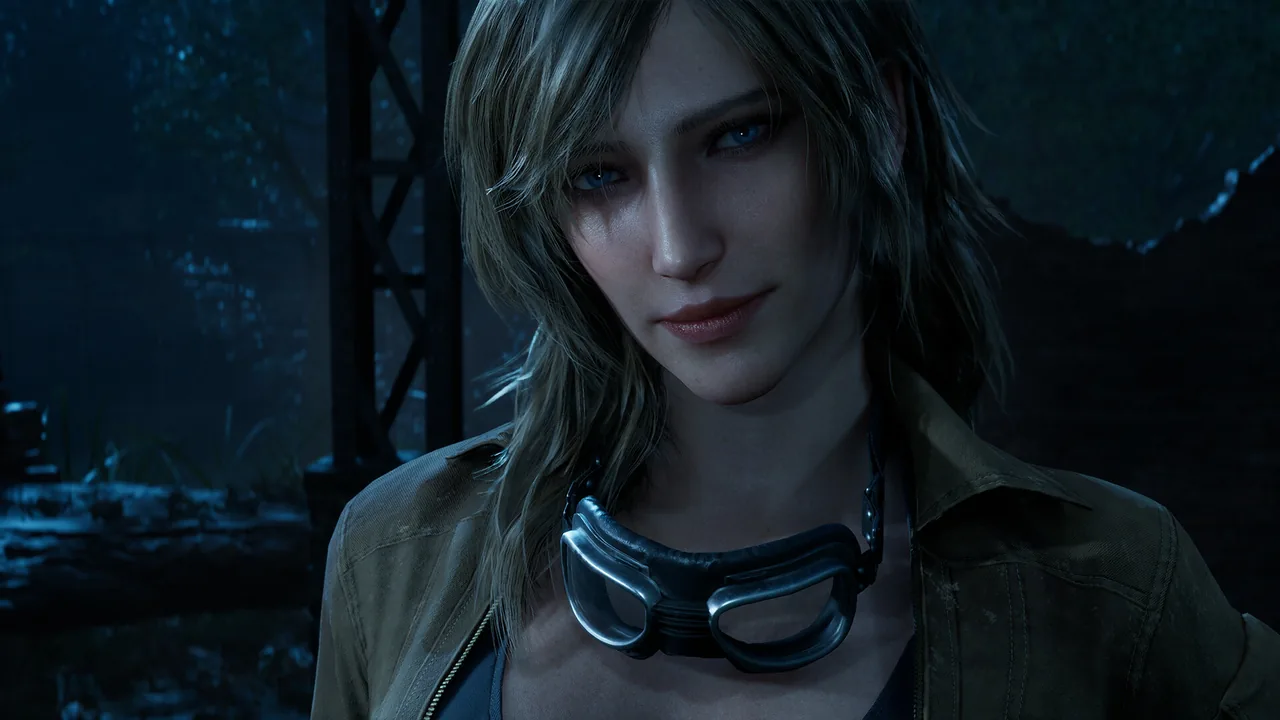
The jungle itself is the showpiece. As a still image this is a beautiful game, and the 3D audio work genuinely improves an experience that was always partly about listening.
And in October 2025 Konami added Fox Hunt, a 12-player online hide-and-seek mode, free. It's an odd side dish, but it was given away rather than sold, which deserves noting in a year of paid everything.
Then the frame rate
Read the negative reviews and one subject swallows the rest. Of the hundred most-helpful English negatives, 42 mention fps, 39 mention 60, 32 mention performance, 25 mention optimisation and 23 name Unreal Engine 5 specifically.
The reports are consistent and they come from people with capable hardware. A player with a 4070 reports "sub 40 fps on medium." A more recent one lists an i7-14700K, a 5070 Ti and 64GB of RAM and describes "some of the worst performance stutter I've seen in a long time," adding that changing graphics settings makes no difference. Multiple reviewers state the frame rate is capped at 60 and still dips into the 40s and 50s. Another notes the game shipped without ultrawide support in 2025.
There's a second, subtler complaint that recurs: motion. "As a still image the game looks great," writes a 24-hour reviewer. "Once you start moving it falls apart" — ghosting during movement, distracting enough to notice while crawling, which in a stealth game is most of the time.
The comparison the audience keeps reaching for is damning and fair: Metal Gear Solid V is a decade old, runs beautifully, and looks close enough that people are asking why the new one costs more and performs worse.
What happened next: nothing
Konami patched at a reasonable clip for a while — 1.2.1 with Fox Hunt at the end of October 2025, 1.2.2 and 1.2.3 in November, 1.2.4 in January 2026. Then the update notices stop.
Seven months later the complaints have not. Negative reviews continue at a steady trickle through 2026 — five in June, three in July — and they say the same thing they said in September. A player with 99 hours logged put it plainly back in November: "The frame-rate and graphics problems still persist many months after release. Cannot recommend until Konami decides to value my dollar."
The clearest evidence is what recent sentiment is doing. Lifetime, this sits at a comfortable 84.9% in English. Of the last hundred English reviews, posted over five days in early August 2026, 77 are positive — a game drifting downward rather than recovering, which is the opposite of what Starfield and Once Human managed with sustained work.
The price tells its own story
MGS Delta launched at NZ$114.99. It was 30% off by Black Friday, discounted again over Christmas, 40% off in March 2026 to mark two million sales, 40% off again in April, and sits at 60% off as I write this, eleven months after release.
Two million copies is a respectable number, and this is not a commercial disaster. But a publisher confident in its pricing does not cut 60% inside a year, and the discount pattern reads as an acknowledgement that NZ$114.99 was never the right number for a faithful remake with a rough port. At NZ$45.99 the calculation changes completely.
The awkward question about remakes
There's a fair argument in the negative reviews that deserves airing rather than dismissing: what exactly are you paying for?
The design is Kojima Productions' work from 2004. The direction, the script, the encounter design, the pacing — all inherited. What's new is a rendering layer, some control improvements and a multiplayer mode. Several reviewers call it lazy on that basis; one says Konami "literally had the easiest job in the world."
I'd put it less harshly. Faithfulness in a remake is a legitimate goal, and the restraint not to "improve" a classic is itself a decision. Resident Evil 4 shows the other approach — reworking systems substantially — and both are valid. But when the one thing you added is the one thing that doesn't work properly, the criticism lands harder than it otherwise would.
The verdict
Metal Gear Solid Δ: Snake Eater earns a 7. The game inside is a 9.5 and always was; this review's score is about the object Konami sold, not about MGS3.
What you get is the best story in the series, preserved with care and real affection, wrapped in a presentation layer that stutters on modern hardware, ghosts in motion, launched without ultrawide support, capped where it shouldn't be, and stopped receiving fixes seven months ago. Recent players are recommending it less often than early ones did, which after a year of patches should have gone the other way.
Buy it at 60% off, where it's an easy recommendation and one of the great stealth games at a fair price. Don't buy it at list. And if you already own the original in the Master Collection, know that what you're upgrading is the lighting, not the game.
Pros and cons
Pros
- It's Snake Eater — one of the best-structured stealth games ever made, faithfully preserved
- The original voice cast returns, and the re-recorded theme is a genuine highlight
- Real quality-of-life improvements, including swapping camouflage from the d-pad instead of pausing into menus
- Improved gun handling and a modern control option alongside the original scheme
- Fox Hunt, a free 12-player online mode, was added two months after launch at no cost
Cons
- Performance is the dominant complaint across every month since launch, on hardware well above spec
- Many players report the frame rate capped at 60 and still dipping into the 40s and 50s
- Visible ghosting and motion artefacting, and no ultrawide monitor support at launch
- Patching appears to have stopped at version 1.2.4 in January 2026 with the issues open
- A NZ$114.99 launch price for a shot-for-shot remake, now routinely discounted 40-60%
Screenshots
-
METAL GEAR SOLID Δ: SNAKE EATERImage: KONAMI via Steam -
METAL GEAR SOLID Δ: SNAKE EATERImage: KONAMI via Steam -
METAL GEAR SOLID Δ: SNAKE EATERImage: KONAMI via Steam -
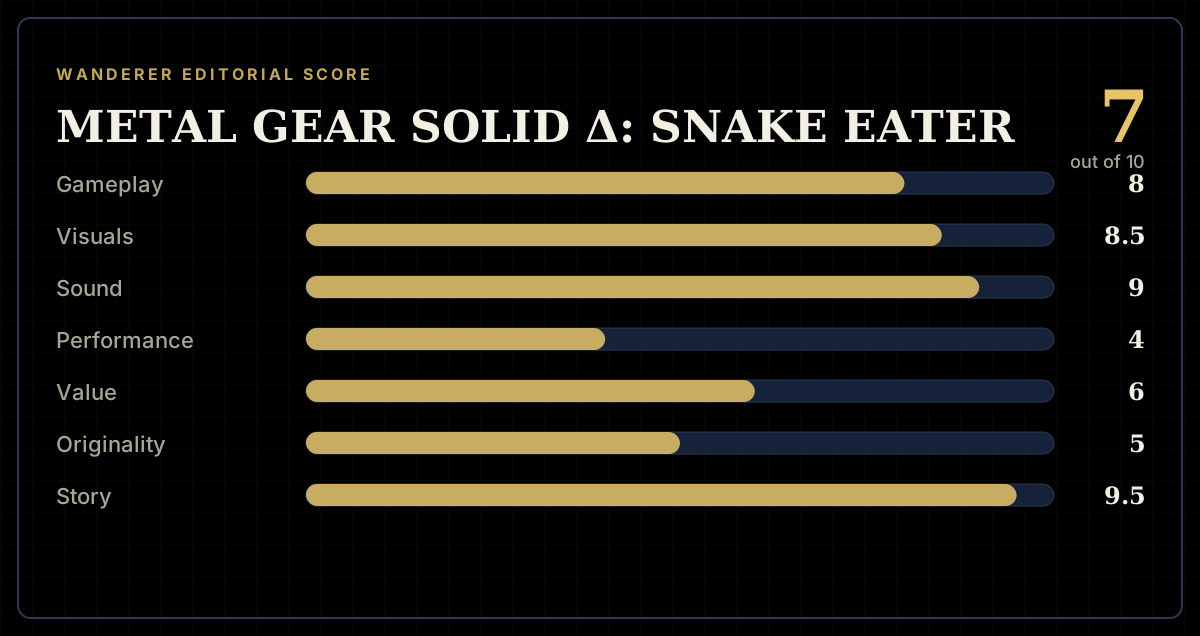
How the review scores each part of the gameWanderer Editorial -
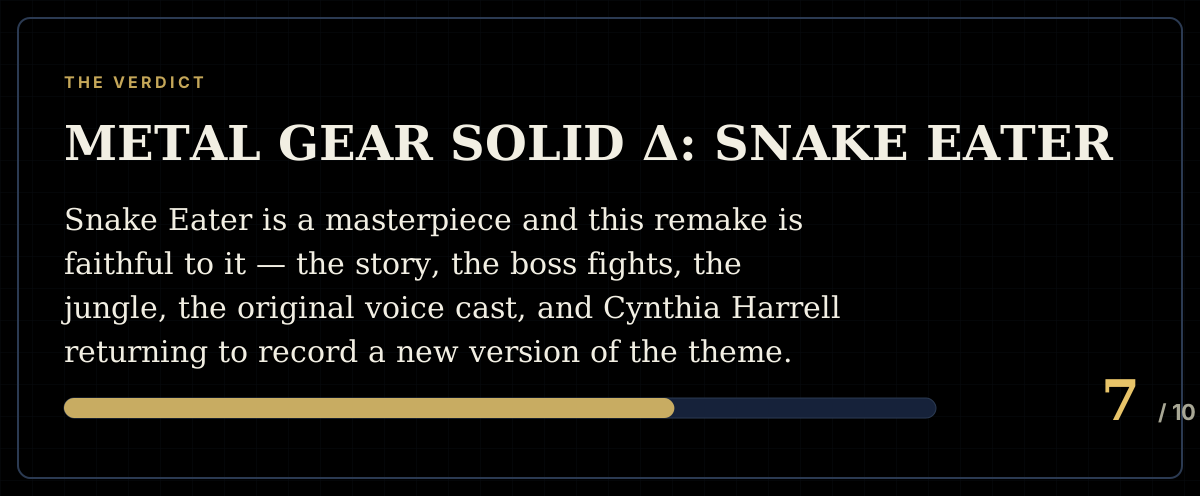
The short versionWanderer Editorial