Game review
Marvel Rivals
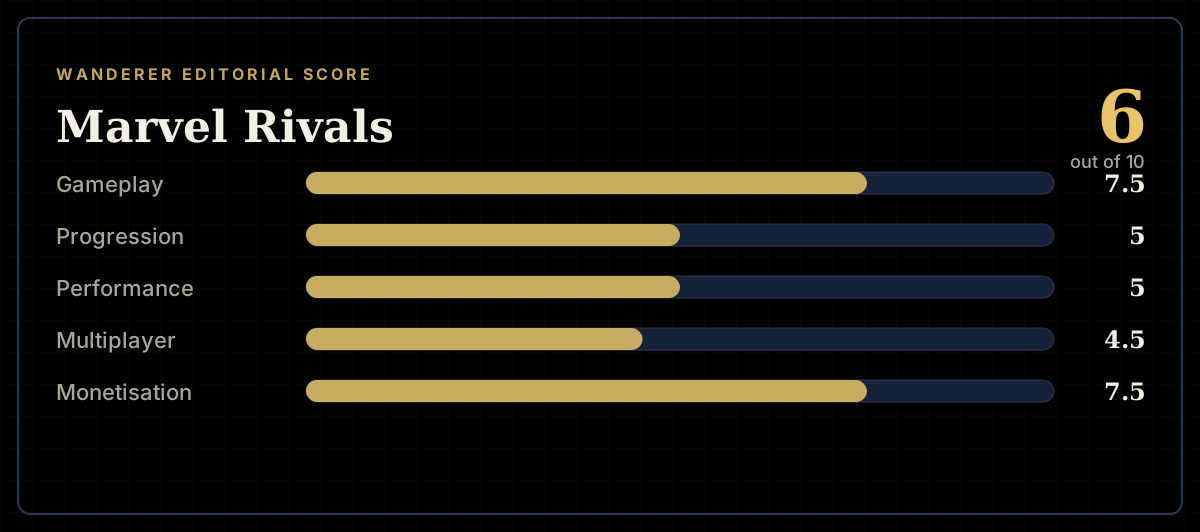
6 / 10
- Developer
- NetEase Games
- Publisher
- NetEase Games
- Released
- 5 December 2024
- Platforms
- Windows
- Genre
- Hero Shooter
- Monetisation
- Free-to-play, with all 40-plus heroes unlocked from the start, a cosmetics-focused premium currency, and a battle pass reviewers widely credit for not expiring, unlike most competitors' seasonal passes
- Players
- Online team-based PvP for up to 12 players (6v6), including Quick Match and Ranked Competitive modes, with no offline or single-player option
The short version
Marvel Rivals dropped players into 6v6 team battles across a growing roster of more than 40 Marvel heroes and villains, wrapped around destructible environments and hero-specific Team-Up abilities. Mostly Positive across more than 405,000 Steam reviews, the review sample opens with genuine, specific praise rarely afforded free-to-play live-service shooters: every hero unlocked at launch, a battle pass multiple reviewers explicitly credit as never expiring, and a 1:1 premium-to-earned currency conversion one widely-endorsed review calls something that "should be the new industry standard." What has come to dominate the sample since, described in remarkably specific, technical, near-identical language by reviewers spanning from a few hundred to nearly 6,000 hours of playtime, is a complaint about "Engagement Optimized Matchmaking," or EOMM — a widely-repeated theory that the game's matchmaking deliberately engineers extended win and loss streaks to maximise playtime rather than deliver fair, skill-based matches. This review cannot independently confirm EOMM as NetEase's actual, deliberate design intent — no developer statement addressing the term directly appears in the game's own patch communications — but the sheer consistency and technical specificity of the complaint across such a broad range of dedicated, high-investment players is itself a significant, reportable finding. Separately, this review can confirm a real, documented cheating problem covered directly by press linked in NetEase's own news feed, alongside a genuine, specific complaint about the game's install size ballooning from roughly 40GB at launch past 110GB within about a year.
Biggest strengths
- The free-to-play economic model draws sustained, specific praise as unusually generous, with every hero unlocked from launch and a battle pass multiple reviewers confirm does not expire
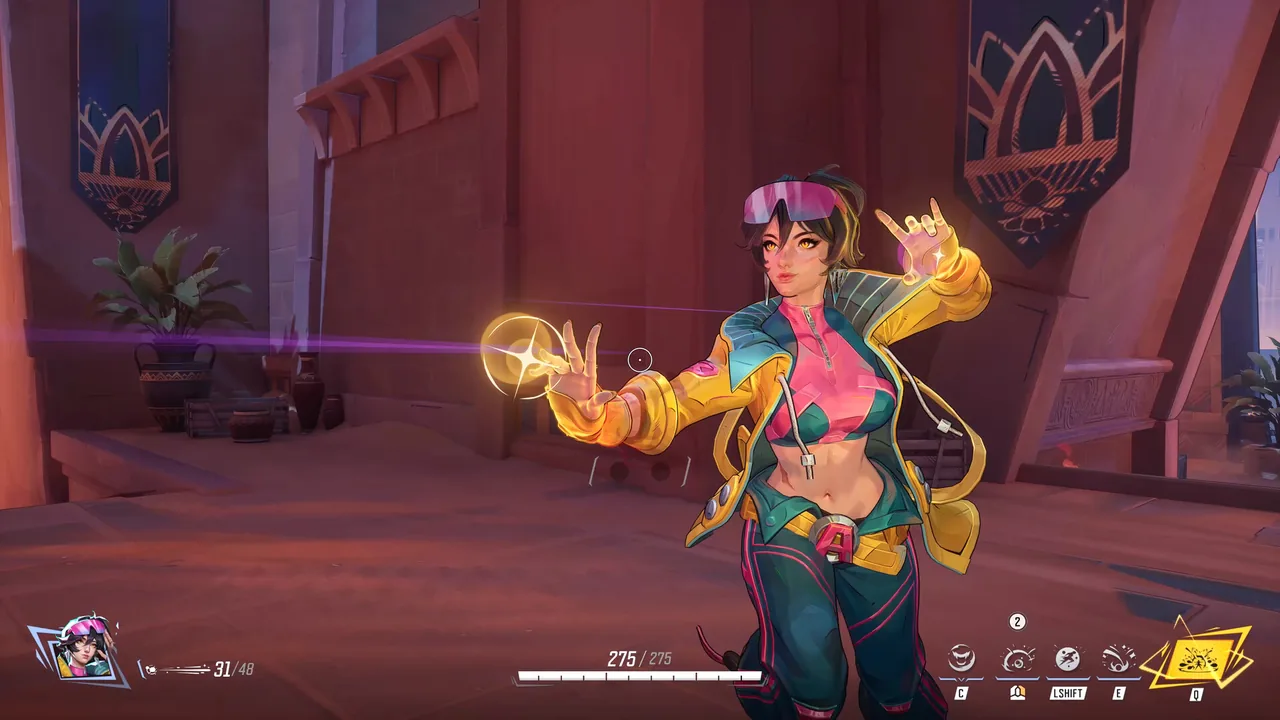
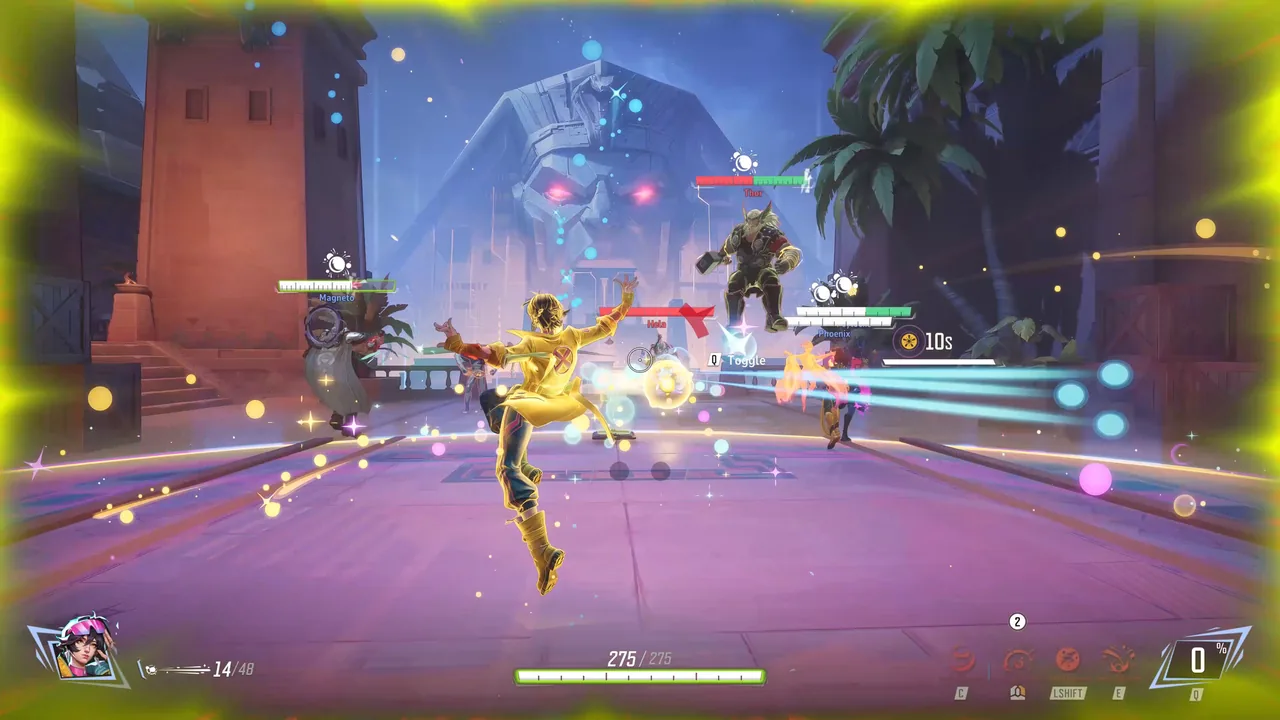
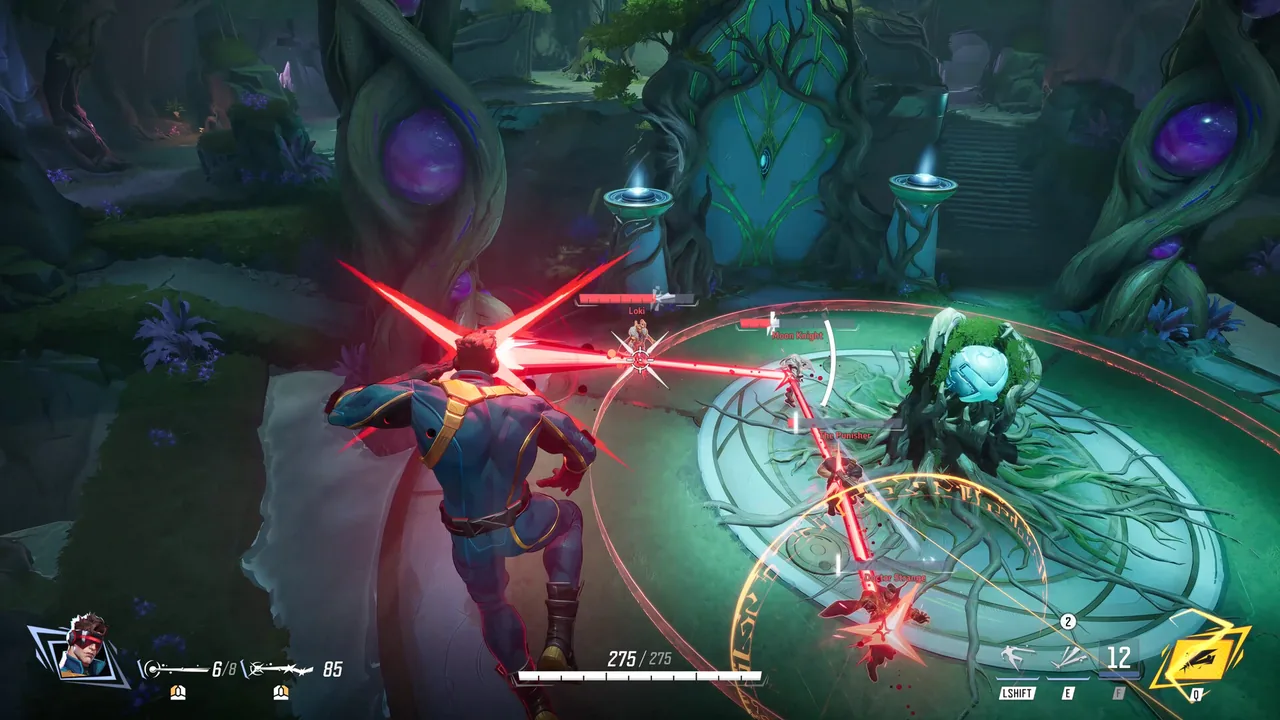
- Hero design, ability variety and destructible, ever-changing battlefields draw consistent credit for genuinely fun, fast-paced team-based combat independent of the matchmaking debate
- NetEase has sustained an unusually active live-service cadence, shipping near-weekly balance updates and patches alongside major seasonal content drops well over a year after launch
Biggest weaknesses
- A remarkably consistent, technically specific complaint — described as "Engagement Optimized Matchmaking" by reviewers with anywhere from a few hundred to nearly 6,000 hours of playtime — describes matches deliberately skewed toward extended win or loss streaks rather than fair, skill-based pairing; this review can report the pattern's consistency but cannot independently confirm it as NetEase's stated design intent
- This review can confirm a real, press-documented cheating problem, including a widely-covered weekend where NetEase's own bans (485 accounts, just 3 hardware bans) drew visible player frustration as insufficient
- A specific, recurring complaint describes the game's install size growing from roughly 40GB at launch to more than 110GB within about a year, without corresponding optimisation
Who it's for: Hero-shooter and Overwatch-style team-PvP fans drawn to the Marvel roster and willing to treat Quick Match as the primary mode, with real reservations recommended for anyone prioritising a fair, purely skill-based Ranked ladder.
Our recommendation: A genuinely generous, player-friendly free-to-play model wrapped around fun, well-designed hero kits — undercut for a meaningful, vocal share of its most dedicated players by a specific, widely and consistently described matchmaking complaint worth understanding before investing serious time in Ranked.
6 / 10
Marvel Rivals launched free-to-play on 5 December 2024 into a hero-shooter genre many players considered stagnant, and its opening pitch was specific and immediately credible: every character unlocked from day one, a battle pass that doesn't expire, and premium and earned currencies that convert one-to-one. Mostly Positive across more than 405,000 Steam reviews well over a year later, the game's reception has settled into something more complicated than simple genre-refresh enthusiasm — a real, technically specific complaint about its matchmaking system has become the dominant thread in player discussion, described independently and consistently by reviewers with staggering amounts of invested time.
A genuinely generous free-to-play model
The review sample's praise for Marvel Rivals' economic structure is specific rather than the generic "it's free, that's nice" framing common to the genre. "Making all 30+ characters available at launch, non-FOMO battlepass systems (THE BP WILL NEVER EXPIRE), being able to convert the in-game currencies 1:1 (premium and free) should be the new industry standard!" one of the sample's most-endorsed reviews states, a sentiment echoed by dozens of others independently praising the same specific choices. Another reviewer, comparing directly against the genre's dominant incumbent: "Whoever green lit this game to launch at this state deserves an enormous raise... Feels like what Overwatch 1/2 should have been. All characters are available at the start, the battle pass system is legitimately innovative." That specificity — naming the exact mechanisms rather than vague goodwill — recurs often enough to treat as a genuine, structural strength distinct from typical free-to-play marketing.
Hero design and moment-to-moment combat draw their own sustained, independent praise. "Character synergies and breakable environments are great additions to the gameplay style. Maps are well laid out and look fantastic," one review states, while server reliability earns specific, repeated credit: "I've not been disconnected once since launch. Great job," one detailed early review notes — a genuinely notable claim in a genre where competitors have struggled with server stability at launch.
A specific, remarkably consistent matchmaking complaint
What complicates a straightforwardly positive picture is a complaint that recurs across the sample with unusual technical specificity and, notably, from reviewers with extraordinary amounts of invested playtime rather than disgruntled newcomers. "Marvel Rivals uses engagement-optimized matchmaking (EOMM), which means the game doesn't prioritize giving you fair matches but matches that are most likely to keep you playing," one widely-endorsed review states, a claim echoed almost verbatim by numerous other reviewers independently, several using the exact same "EOMM" terminology and near-identical explanations of the underlying theory. What makes this complaint worth treating seriously rather than dismissing as typical competitive-shooter frustration is who's making it: one detailed review carries 5,969 hours of recorded playtime, another 5,095 hours, another 3,105 hours — players who have stayed with the game for years, by any measure deeply invested, still describing the same specific grievance in detail. "This system is designed to keep players playing as much as possible, without necessarily concerning itself with keeping matchmaking balanced," one such review states, describing a deliberate design pattern rather than ordinary matchmaking variance.
This review can report the remarkable consistency and specificity of that complaint across a very large, independent, high-investment slice of the sample as a genuine, significant finding in its own right. What this review cannot do is independently confirm EOMM as NetEase's actual, stated design intent — no statement addressing the term or the underlying allegation appears anywhere in the developer's own extensive patch communications, which instead focus heavily on hero balance and seasonal content. The fairest, most accurate framing is this: a large, detailed, technically literate and highly invested share of this game's own player base believes, based on their own repeated, extensive play experience, that its matchmaking is engineered around engagement rather than fairness — a belief this review can verify is widespread and specific, without being able to verify it is correct.
A real, documented cheating problem
Separate from the matchmaking debate, this review can confirm a genuine, press-documented cheating issue directly from NetEase's own news communications. A PC Gamer report linked from the developer's own Steam feed describes a specific, bad weekend in which "a slew of cheaters actually took to streaming their crimes... to a sizeable audience, promoting their software, and dunking on high elo players," followed by NetEase issuing 485 account bans but only 3 hardware bans, a response press coverage explicitly frames as visibly insufficient to the community. NetEase's own subsequent introduction of an "Anti-Cheat Rank Compensation System," refunding ranked points lost to reported cheaters, is a real, dateable, direct response to that problem worth crediting alongside the criticism — a genuine acknowledgment even if the underlying cheating problem itself remains only partially addressed.
Real, specific complaints about size and role balance
A recurring, very specific complaint concerns the game's install footprint: "Had to uninstall due to the insane storage requirement, for a game like this to go from 40 gigs to well over 100 and counting in the span of a single year is ridiculous, optimize your game," one review states, a complaint echoed by several others independently citing the same rough figures. A separate, structural complaint concerns the Vanguard tank role specifically: "The devs clearly know there is a problem of no one wanting to play vanguard, but instead of incentivising the players to play tank they make the tanking an awful experience," one detailed review states — a specific, mechanical critique distinct from general balance grumbling, echoed by others describing the role as actively unrewarding to play relative to Duelist or Strategist characters.
Where this leaves a player
At no cost to try, Marvel Rivals delivers a genuinely fun, well-designed hero shooter with an economic model this review's sample consistently, specifically credits as more generous than genre norms — free heroes at launch, a non-expiring battle pass and fair currency conversion are real, verifiable strengths worth crediting plainly. The honest, necessary context concerns a widespread, technically specific, remarkably consistent complaint from the game's own most dedicated players about engagement-optimised matchmaking — one this review can confirm is genuinely, broadly held, without being able to independently verify as confirmed developer policy — alongside a real, documented cheating problem and a specific, sustained complaint about ballooning install size. Players primarily interested in Quick Match, hero variety and casual team-based combat are likely to find real, generous value here. Players planning to invest serious time chasing a fair, purely skill-based Ranked ladder should go in aware of just how consistently, and how specifically, a large share of this game's most experienced players describe that expectation going unmet.
Pros and cons
Pros
- The free-to-play economic model draws sustained, specific praise as unusually generous, with every hero unlocked from launch and a battle pass multiple reviewers confirm does not expire
- Hero design, ability variety and destructible, ever-changing battlefields draw consistent credit for genuinely fun, fast-paced team-based combat independent of the matchmaking debate
- NetEase has sustained an unusually active live-service cadence, shipping near-weekly balance updates and patches alongside major seasonal content drops well over a year after launch
- Server stability and connection reliability draw specific, repeated praise from reviewers, several explicitly contrasting it favourably against genre rival Overwatch 2
Cons
- A remarkably consistent, technically specific complaint — described as "Engagement Optimized Matchmaking" by reviewers with anywhere from a few hundred to nearly 6,000 hours of playtime — describes matches deliberately skewed toward extended win or loss streaks rather than fair, skill-based pairing; this review can report the pattern's consistency but cannot independently confirm it as NetEase's stated design intent
- This review can confirm a real, press-documented cheating problem, including a widely-covered weekend where NetEase's own bans (485 accounts, just 3 hardware bans) drew visible player frustration as insufficient
- A specific, recurring complaint describes the game's install size growing from roughly 40GB at launch to more than 110GB within about a year, without corresponding optimisation
- Community toxicity and a recurring complaint that the Vanguard tank role is deliberately made unrewarding to play recur across a meaningful share of the sample
Screenshots
-
Marvel RivalsImage: NetEase Games via Steam -
Marvel RivalsImage: NetEase Games via Steam -
Marvel RivalsImage: NetEase Games via Steam -
How the review scores each part of the gameWanderer Editorial -
The short versionWanderer Editorial