Game review
Counter-Strike 2
7.5 / 10
- Developer
- Valve
- Publisher
- Valve
- Released
- 21 August 2012
- Platforms
- Windows, Linux
- Genre
- Competitive Shooter
- Monetisation
- Free to play, funded by weapon cases opened with purchased keys, a third-party skin market, and esports sticker sales.
- Players
- Online only — ranked Premier, competitive, casual and community servers
The short version
As a competitive shooter, Counter-Strike remains the benchmark — the economy round, the spray control, the map knowledge, twenty-five years of refinement into something no imitator has matched. It's free, it's updated constantly, and it's the backbone of an esport.
Two things stop this being a straightforward 9. The first is cheating, which appears in 67 of the hundred most-helpful English negative reviews and comes from players with a median of 2,108 hours. The second is that its 86% Very Positive badge is not a verdict on this game: Valve replaced CS:GO with CS2 on the same store entry in 2023, so a decade of reviews for the previous game are folded into the score. Judged on its own era, it runs closer to two-thirds positive.
Biggest strengths
- The finest competitive shooting model in the genre, refined over twenty-five years
- Free, with no paid advantage of any kind — every purchasable item is cosmetic
- Relentless update cadence, including map pool rotations and balance changes through 2026
Biggest weaknesses
- Cheating is the dominant complaint by a wide margin, and comes from very high-playtime players
- The lifetime rating is inherited from CS:GO and materially overstates CS2's own reception
- Features and modes that existed in CS:GO were missing at the CS2 transition
Who it's for: Anyone who wants the purest competitive FPS ever made and is willing to accept an imperfect anti-cheat situation. Free, so the only real cost is your patience.
Our recommendation: Play it — it costs nothing and it's the best version of this genre. Go in expecting to meet cheaters at some rate, treat the case system as something to look at rather than open, and ignore the lifetime score entirely.
7.5 / 10
The most-upvoted negative review of Counter-Strike 2, with 11,636 helpful votes, is not about guns. It reads: "However you feel about the update to CS2, CS:GO should not have been de-listed. Also, merging reviews of GO into 2's is very dishonest, if EA and Ubisoft would get [criticised] for it, why shouldn't Valve?"
That reviewer identified, in September 2023, the single most important fact about reading this game's store page — and it's still true today.
The score belongs to a different game
Counter-Strike 2's Steam entry reports 86.0% positive across 9,769,104 reviews and a release date of 21 August 2012. Neither describes Counter-Strike 2. That's CS:GO's release date and CS:GO's review history, because Valve didn't launch CS2 as a new product — they replaced Global Offensive with it on the same app in September 2023, delisting the old game.
Every review written between 2012 and 2023 counts toward CS2's badge. Here's what that does. Sorting the hundred most-helpful English negative reviews by year: one in 2013, and one to five per year all the way through 2022. Then 17 in 2023, 17 in 2024, 28 in 2025, 16 in 2026. Seventy-eight of the hundred most-substantial criticisms belong to the CS2 era — an era covering under three of the fourteen years in the sample.
The cleanest read on CS2's own reception is the recent window: of the 100 most recent English reviews, 67 are positive. That's a nineteen-point drop from the badge, and it's the number a prospective player should be looking at.
None of this is a scandal in the sense of anything hidden — Valve are open about the transition. But it means the store page is doing something no reader would expect, and it's why this review leads with a methodology note rather than a gun.
What's still magnificent
Set the numbers aside, because the game itself is extraordinary.
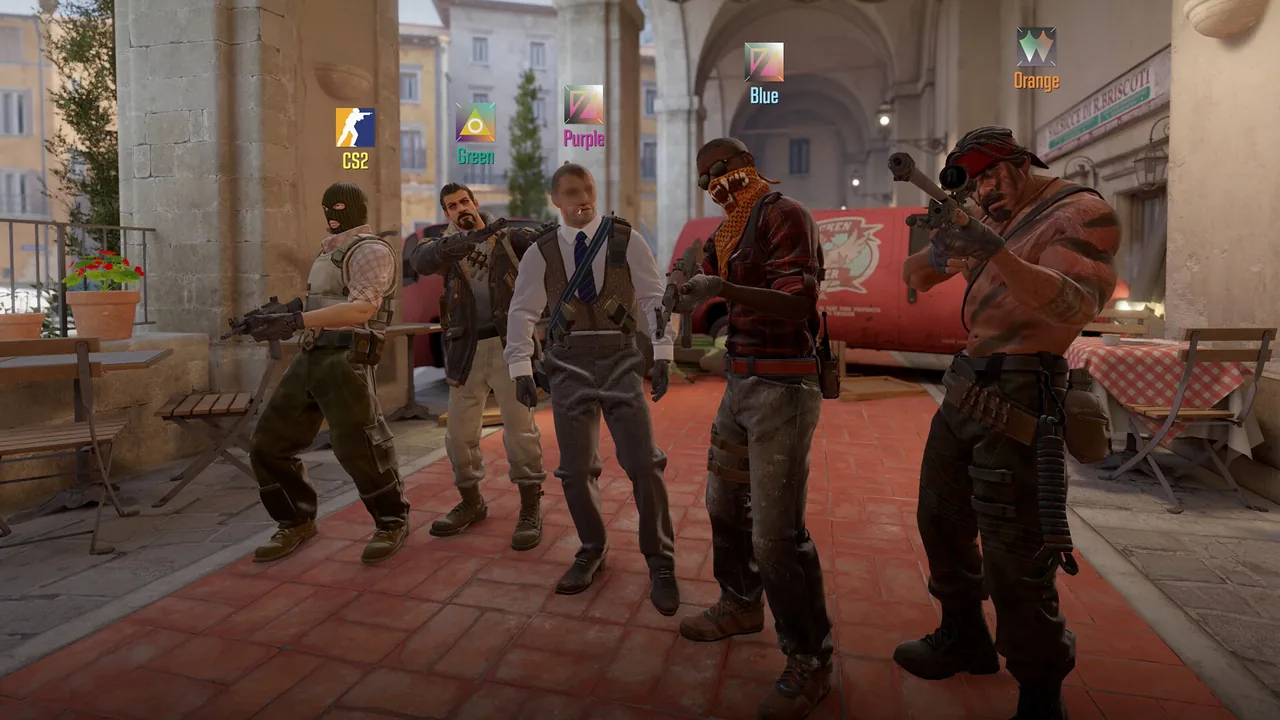
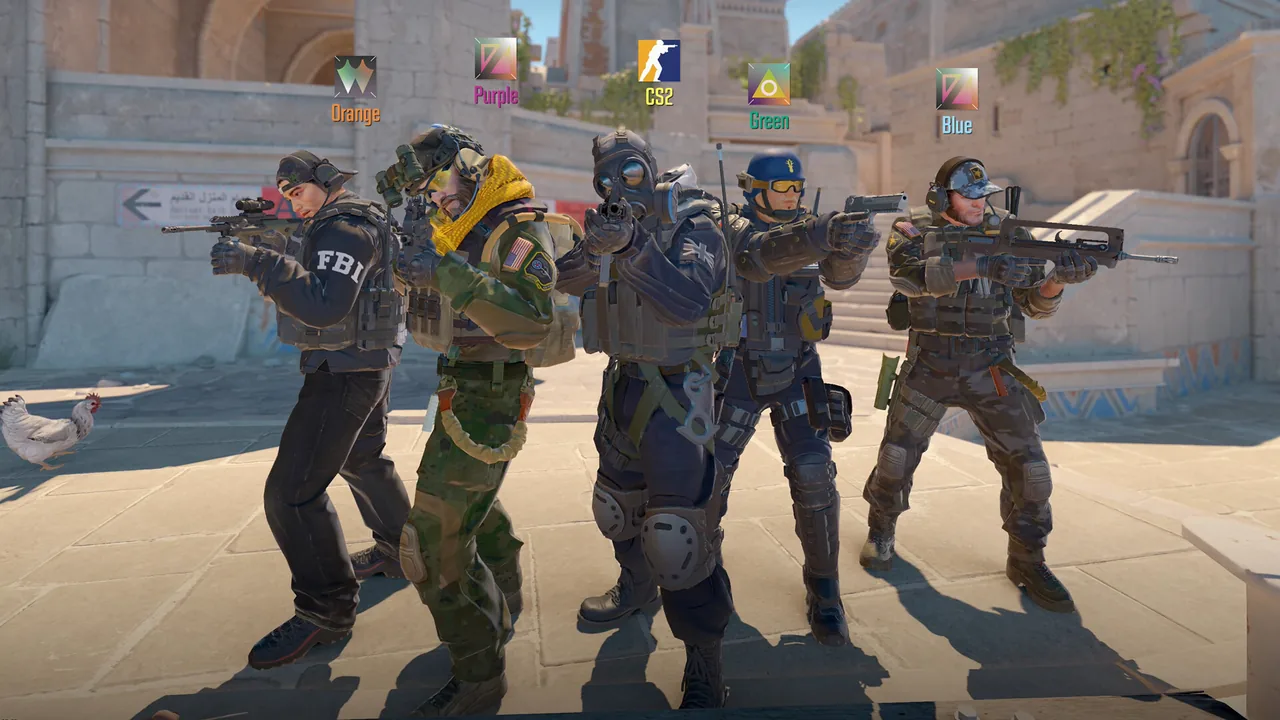
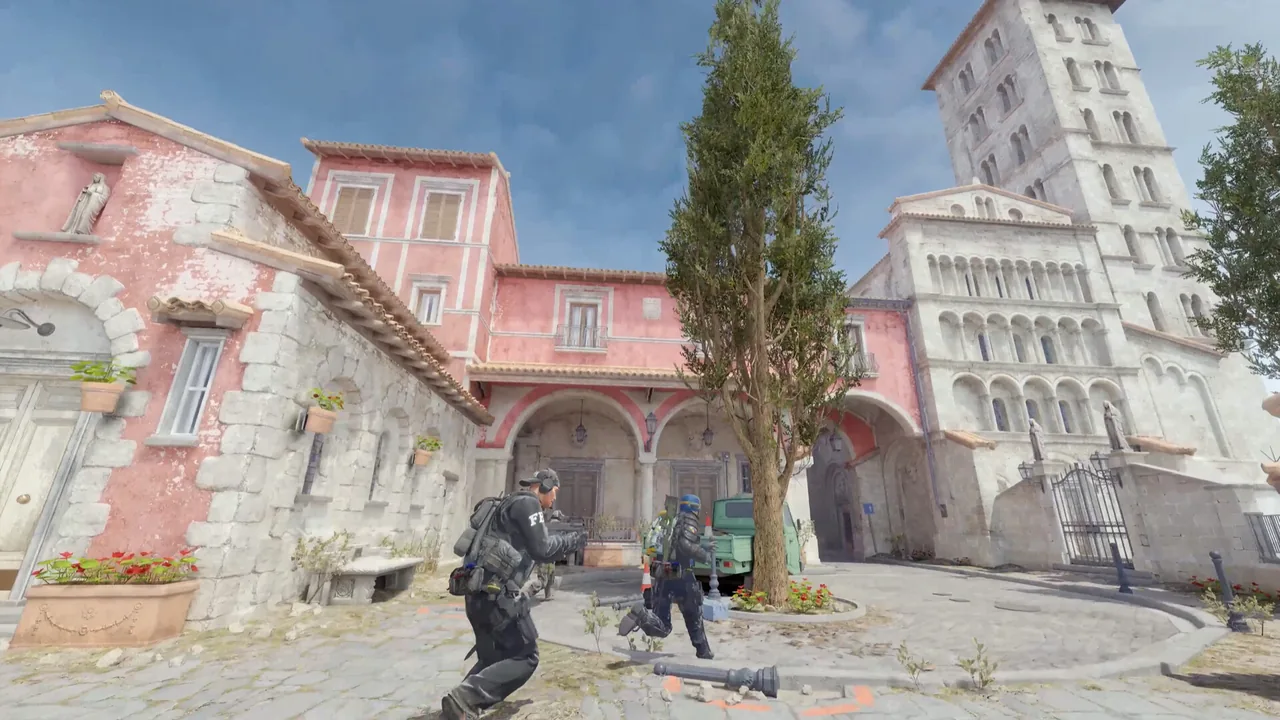
Counter-Strike is the most refined competitive shooter ever made. The round economy — buy, save, force — is a strategy layer no other shooter has replicated. Recoil patterns you learn with your hands. Maps whose every angle has been argued over for two decades. Five-on-five, one life per round, no respawns, no gadgets to bail you out. It's austere and it's still the best.
And every purchasable thing is cosmetic. In a year where I've reviewed a NZ$70 fighting game that added a shop after launch and a buy-to-play RPG that sells storage by subscription, Counter-Strike selling nothing but appearances is worth stating plainly.
Valve's update cadence remains serious: Premier Season Five began in July 2026, Cache returned to the Active Duty map pool and Overpass rotated out, C4 damage mechanics were reworked, community workshop maps get official updates, and the Cologne 2026 sticker series shares 50% of royalties with players, teams and organisations.
Cheating
Now the complaint that actually defines the CS2 era. Cheat appears in 67 of the hundred most-helpful English negatives. Anti-cheat appears in 23, VAC in 18, bans in 18, hacks in 13.
The playtimes attached to those reviews are the highest I have encountered anywhere: a median of 2,108 hours, and a maximum of 25,761. These are people with a decade inside this game, and among the most recent negatives are players with 3,613 and 3,686 hours writing that Valve "doesn't seem to be addressing it fast enough."
A related grievance, from a 170-hour reviewer with 2,665 votes, is that enforcement misfires in both directions: "people are getting false bans for high sensitivity/AMD drivers/console commands while real cheaters are not getting banned." It's the mirror image of the Delta Force situation — there, players objected to an invasive kernel-level anti-cheat that didn't stop cheating; here they object to a less invasive one that doesn't either.
The third thread is what the 2023 transition cost. A 613-hour reviewer with 1,907 votes catalogued the losses: War Games and their maps gone, Danger Zone gone, local bots missing. Some has returned; the point stands that CS2 shipped as a smaller game than the one it replaced.
The cases
Weapon cases drop free but require a purchased key to open, and their contents are randomised, which feeds an enormous third-party market in skins. Cases appear in 13 of the hundred negatives and skins in 18 — a smaller share than I expected, and worth reporting honestly rather than amplifying.
Players have been arguing about this model for over a decade, and reasonable people land in different places. What I'd say for a reader deciding today: nothing in a case affects how you play, you can ignore the entire system permanently, and the game remains completely free if you do.
The verdict
Counter-Strike 2 earns a 7.5. The shooting is a 9 and probably always will be — no game has ever done this better, and it costs nothing.
It lands at 7.5 because the experience of playing it in 2026 is meaningfully shaped by how often you suspect the person who just killed you, and because the people best placed to judge — thousands of hours deep, many of them since CS:GO — are saying so at a rate the lifetime badge completely hides. A game whose own score sheet is inherited from its predecessor deserves to be measured on its own window, and in that window it runs at roughly two-thirds positive.
Play it. It's free, it's the genre's high-water mark, and an hour on a community server is one of the better things available in gaming. Just know which number you're reading.
Pros and cons
Pros
- The finest competitive shooting model in the genre, refined over twenty-five years
- Free, with no paid advantage of any kind — every purchasable item is cosmetic
- Relentless update cadence, including map pool rotations and balance changes through 2026
- Deep esports integration, with sticker royalties shared with players and teams
- Community servers, workshop maps and a modding culture that keeps it alive between updates
Cons
- Cheating is the dominant complaint by a wide margin, and comes from very high-playtime players
- The lifetime rating is inherited from CS:GO and materially overstates CS2's own reception
- Features and modes that existed in CS:GO were missing at the CS2 transition
- Weapon cases require purchased keys for randomised contents, feeding a large third-party market
- Ranked matchmaking quality and rating disparities draw persistent criticism
Screenshots
-
Counter-Strike 2Image: Valve via Steam -
Counter-Strike 2Image: Valve via Steam -
Counter-Strike 2Image: Valve via Steam -
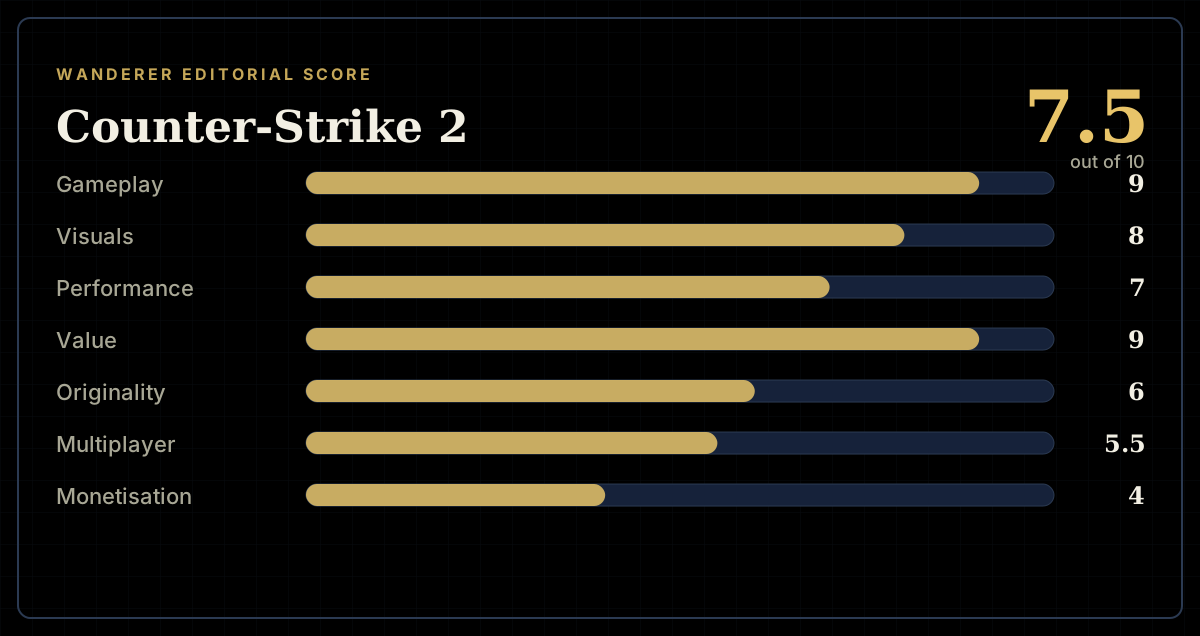
How the review scores each part of the gameWanderer Editorial -
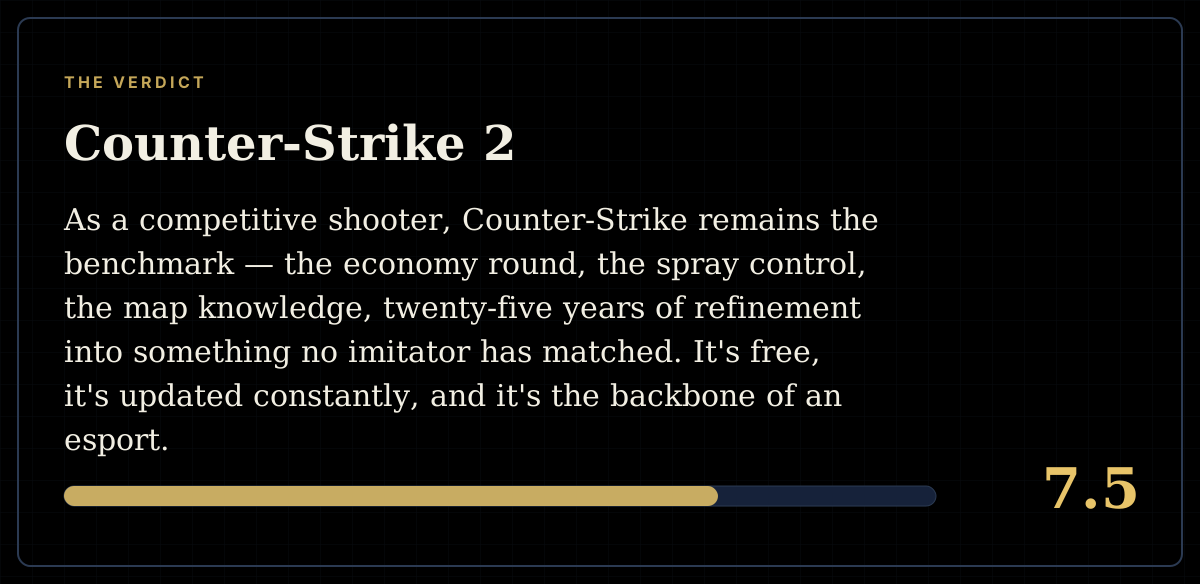
The short versionWanderer Editorial