Game review
Insurgency: Sandstorm
6.5 / 10
- Developer
- New World Interactive
- Publisher
- Focus Entertainment
- Released
- 12 December 2018
- Platforms
- Windows
- Genre
- Tactical Shooter
- Monetisation
- One-time purchase, NZ$49.99. Cosmetic and content DLC available separately.
- Players
- Online PvP and co-op for large squad-based matches, cross-platform with console since a 2024-2025 update
The short version
Insurgency: Sandstorm is Very Positive at 85.5% across 74,310 reviews, built on tense, punishing, low-time-to-kill gunplay that reviewers consistently rank among the best tactical shooting available — deliberately unforgiving in a way genre fans specifically seek out.
What's driving a real, sustained wave of recent negative reviews is corporate instability rather than a design flaw. Developer New World Interactive underwent confirmed layoffs in December 2023 as part of wider Embracer Group cuts, and was subsequently included in a 2024 sale to Beacon Interactive alongside dozens of other former Saber studios. Reviewers describe watching this play out in real time — a reduced dev team, slower and smaller updates, and unresolved bugs some report as years old. A separate, more recent flashpoint concerns a 2025 crossplay update that reduced PC lobby sizes from 14v14 to 10v10 to match console limits, which a meaningful share of longtime players say emptied maps designed around larger squads.
Biggest strengths
- Genuinely tense, low-time-to-kill tactical gunplay that reviewers consistently rank among the best available in the genre
- Strong attention to detail in weapon handling, sound design and map craftsmanship
- A wide range of game modes and large-scale squad-based objectives that reward coordination over individual skill alone
Biggest weaknesses
- Developer New World Interactive underwent confirmed layoffs in December 2023 amid wider Embracer Group cuts, and was included in a 2024 studio sale — reviewers report a smaller team, slower updates and unresolved bugs since
- A 2025 crossplay update reduced PC lobby sizes from 14v14 to 10v10 to match console limits, which a meaningful share of longtime players say emptied maps built for larger squads
- Recent English review sentiment, at 82% positive, sits below the lifetime figure, consistent with an active rather than settled grievance
Who it's for: Fans of hardcore, realistic tactical shooters who want genuinely tense, low-time-to-kill gunplay and don't mind a smaller, currently less certain playerbase. Less suited to players wanting the reliability and update pace of a studio with stable, well-resourced ownership.
Our recommendation: Buy it for the gunplay, which reviewers consistently describe as some of the best tactical shooting available — that core design achievement isn't in dispute. Go in aware that the developer has been through real corporate turbulence since 2023, which reviewers connect directly to slower updates and a shrinking playerbase, and check current server population before assuming matchmaking will be quick.
6.5 / 10
Insurgency: Sandstorm has always asked for a different kind of commitment than most shooters — a handful of bullets can end you, sprinting into the open is a genuine risk, and communication matters more than reflexes. That design has earned real, lasting respect from its community. What's complicated things more recently isn't the gunplay at all — it's what's happened to the studio behind it, and this game's reviewers have been watching that story unfold in unusually specific detail.
Gunplay that earns its reputation
The core design isn't in dispute across the review sample: tight, punishing time-to-kill, genuinely tense objective-based squad combat, and weapon handling reviewers consistently rank among the best the tactical shooter genre offers. One reviewer, self-aware about their own 0.4 K:D ratio, describes going into every match with nothing but a pistol and smoke grenades to support their team — a small detail that captures how much this design rewards playing a role rather than chasing kills. That philosophy, largely unchanged since 2018, is the foundation the game's reputation is built on.
A studio in real turbulence, and reviewers are watching it happen
Here's the story actually driving this game's recent negative reviews, and it's corroborated well beyond the reviews themselves: developer New World Interactive underwent confirmed layoffs in December 2023, part of a wider wave of cuts across Embracer Group's portfolio that year, and in 2024 the studio was included in a sale to Beacon Interactive alongside dozens of other former Saber Interactive studios. Reviewers describe experiencing the consequences directly rather than reading about them abstractly. "Unfortunately an investment firm called Embracer Group bought the studio," begins a 2023 review with 472 votes, going on to describe reduced staffing translating into slower, smaller patches. A 2024 review states it more bluntly: "The original developers, NWI, got bought out, so some other company is hardly touching it now." A 2025 review, more measured, still frames the core problem the same way: "with Embracer group firing every single developer that was a part of NWI I can't recommend you buy it. None of the funds go to the devs anymore." This is a real, documented corporate story, not reviewer speculation — and it's shaped how a meaningful share of the community currently talks about the game's future.
A separate, more recent flashpoint
Layered on top of that broader instability is a specific 2025 controversy: a crossplay update that brought console players into PC lobbies while capping matches at 10v10 to match console limits, down from the previous 14v14 PC standard. "Maps feel emptier, you don't have enough players," reads one representative complaint, and several other reviewers independently connect the smaller lobby size to a decline in the intensity that originally defined the experience. A related complaint from late 2025 describes the popular Ambush game mode being quietly removed from rotation without explanation — a smaller issue on its own, but one more data point in a pattern of reviewers feeling under-informed about changes to a game they've invested heavily in.
Reading the completion data
With 35 tracked achievements, the completion curve shows solid early engagement with core mechanics — wall-banging and point-shooting milestones sit between 76% and 79%, suggesting most buyers get comfortable with the fundamentals. The rarest achievements, tied to specific vehicle and long-term progression goals, fall under 1%, reflecting a genre where deep mastery is reserved for a smaller, highly committed core.
6.5 out of 10. Insurgency: Sandstorm's underlying design remains genuinely excellent, and the gunplay that built its reputation hasn't gone anywhere. The score reflects a real, well-documented period of corporate instability at the studio behind it — confirmed layoffs, an ownership change, and a shrinking dev team that reviewers connect directly to slower support and a more recent, disruptive crossplay decision. If the gunplay appeals to you, it's still worth playing; just go in with informed expectations about the studio's recent history rather than assuming update pace matches what it once was.
Pros and cons
Pros
- Genuinely tense, low-time-to-kill tactical gunplay that reviewers consistently rank among the best available in the genre
- Strong attention to detail in weapon handling, sound design and map craftsmanship
- A wide range of game modes and large-scale squad-based objectives that reward coordination over individual skill alone
- A dedicated, invested core community that has stuck with the game through real developer instability
Cons
- Developer New World Interactive underwent confirmed layoffs in December 2023 amid wider Embracer Group cuts, and was included in a 2024 studio sale — reviewers report a smaller team, slower updates and unresolved bugs since
- A 2025 crossplay update reduced PC lobby sizes from 14v14 to 10v10 to match console limits, which a meaningful share of longtime players say emptied maps built for larger squads
- Recent English review sentiment, at 82% positive, sits below the lifetime figure, consistent with an active rather than settled grievance
- Team balance and matchmaking are described by a recurring share of reviewers as underdeveloped, with lopsided matches common during lower-population periods
Screenshots
-
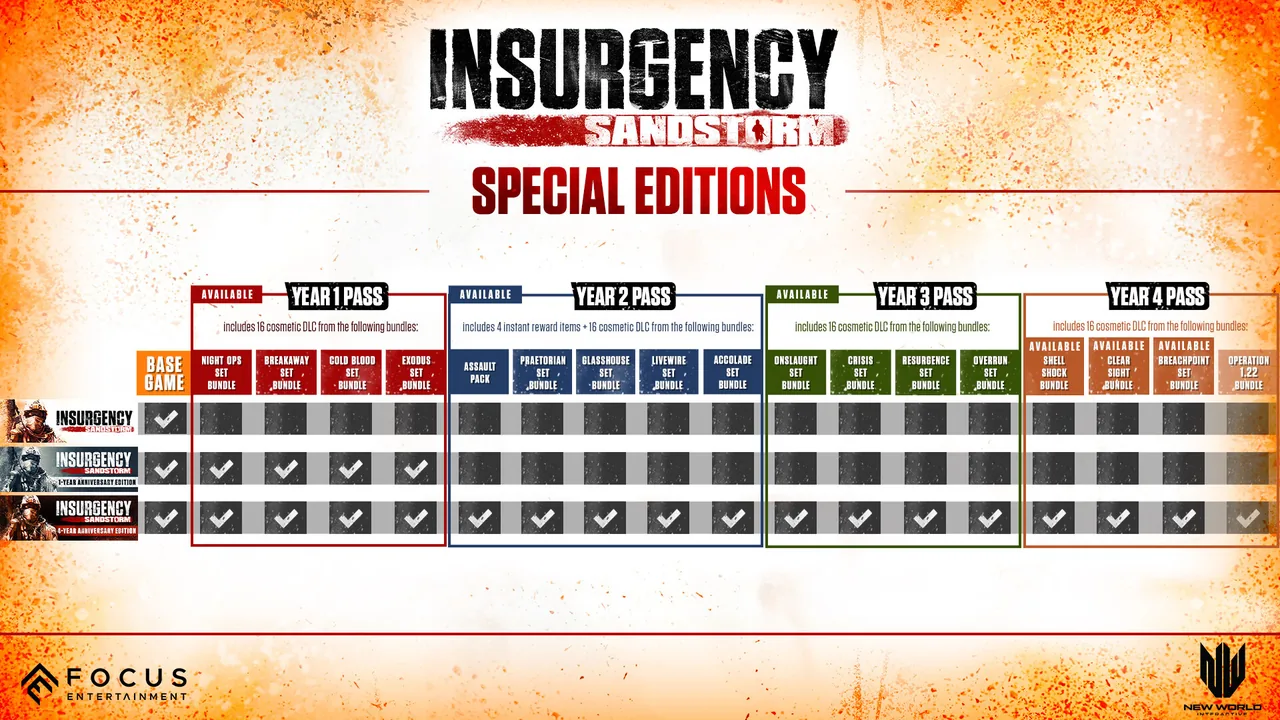
Insurgency: SandstormImage: Focus Entertainment via Steam -
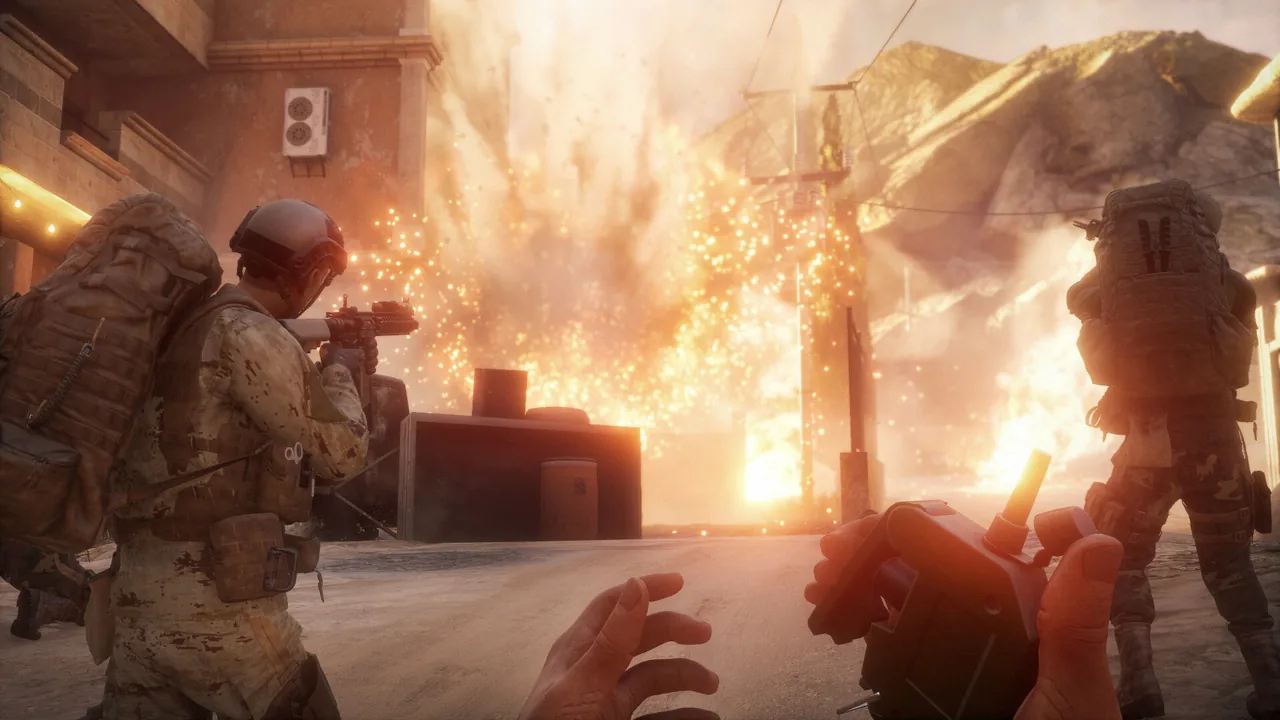
Insurgency: SandstormImage: Focus Entertainment via Steam -
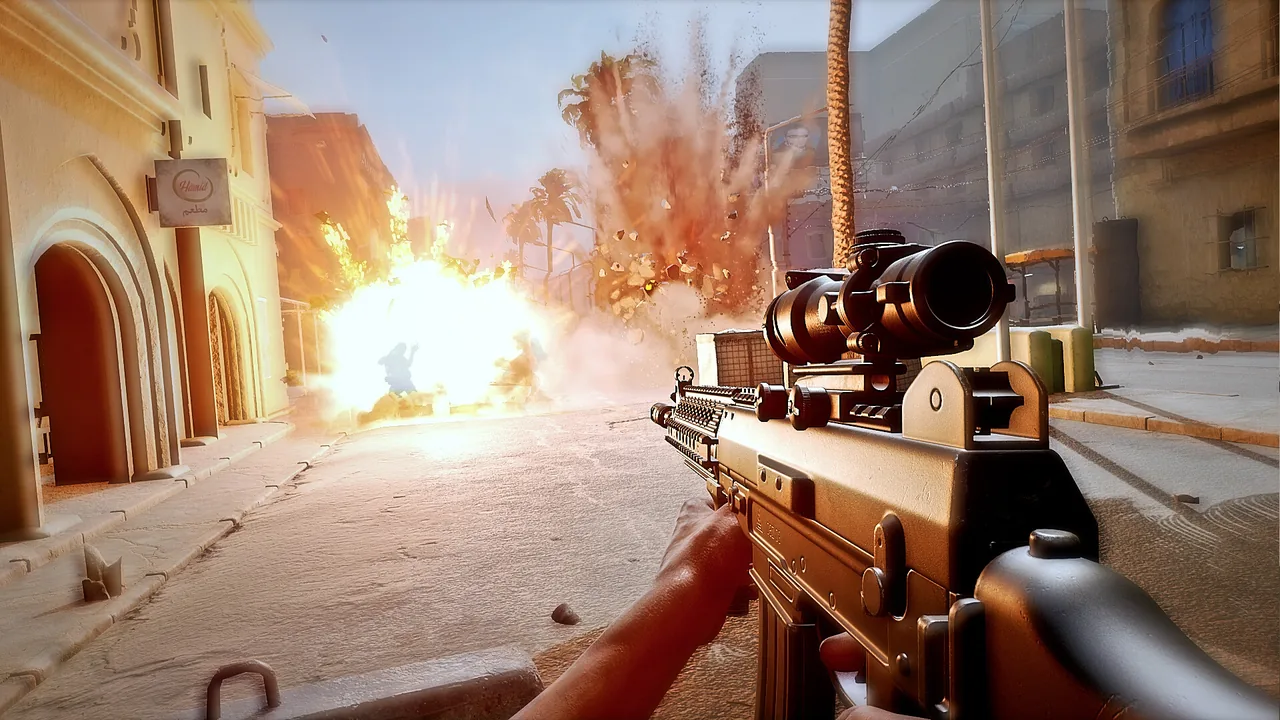
Insurgency: SandstormImage: Focus Entertainment via Steam -
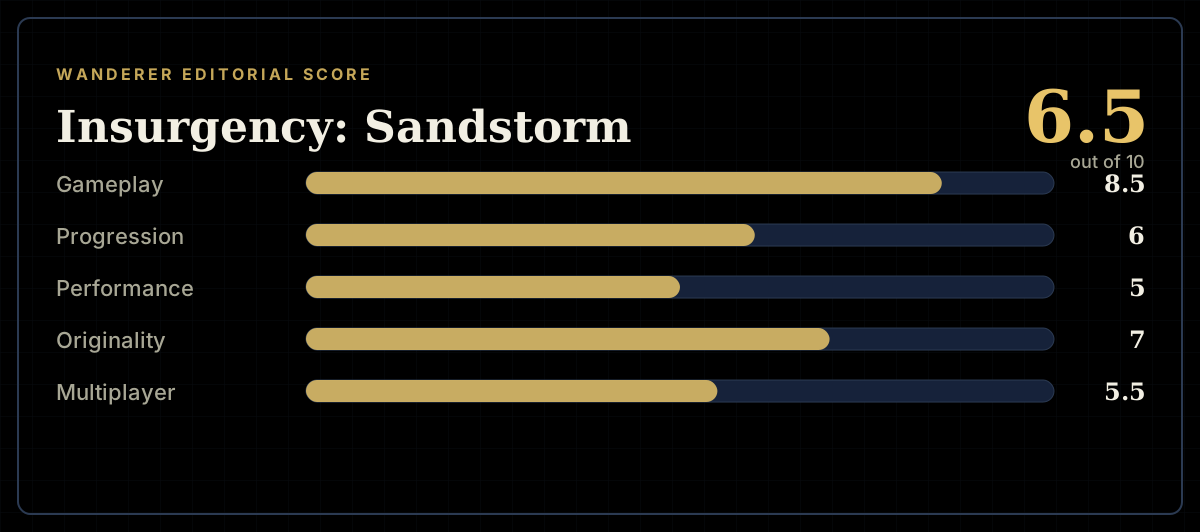
How the review scores each part of the gameWanderer Editorial -
The short versionWanderer Editorial