Game review
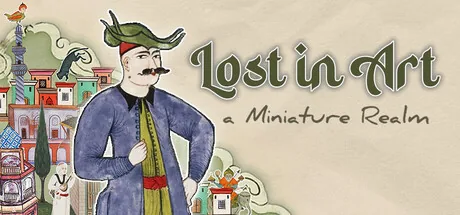
Lost in Art: a Miniature Realm
7 / 10
- Developer
- Archaic Game Studio
- Publisher
- Archaic Game Studio
- Released
- 1 June 2026
- Platforms
- Windows
- Genre
- Adventure, Casual, Indie, RPG
- Monetisation
- paid
- Players
- false
The short version
Biggest strengths
- A genuinely distinctive premise, stepping into real Eastern-mythology and folk-tale artworks, that reviewers consistently praised as educational and culturally rich rather than a thin coat of paint
- Gorgeous, detailed illustration and a soothing atmosphere reviewers repeatedly singled out as the game's strongest asset
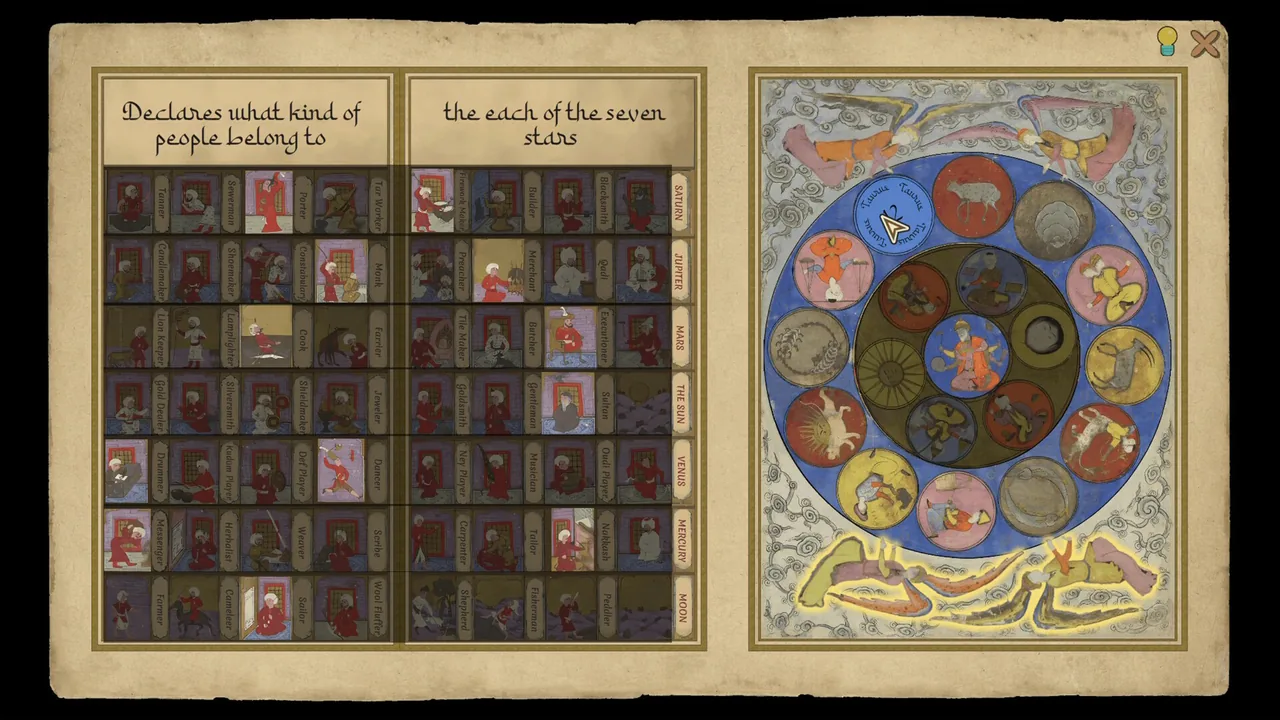
- An in-game glossary and detailed book entries reviewers say make the history genuinely rewarding to read, while still being fully skippable for players who just want the puzzles
Biggest weaknesses
- A short runtime, roughly two to three hours even for players who read every entry, that multiple reviewers said left them wanting more content or DLC
- Puzzle mechanics that boil down to point-and-click interaction throughout, which at least one reviewer found repetitive by the end
- A hint system reviewers said grows less balanced near the finale, with some late puzzles feeling overly complicated compared to earlier, much easier ones
Who it's for: Puzzle-adventure fans drawn to history, folklore, and art who want a short, visually gorgeous, genuinely educational experience over a long or mechanically complex one
Our recommendation: recommended
7 / 10
Stepping inside real Eastern-mythology artworks
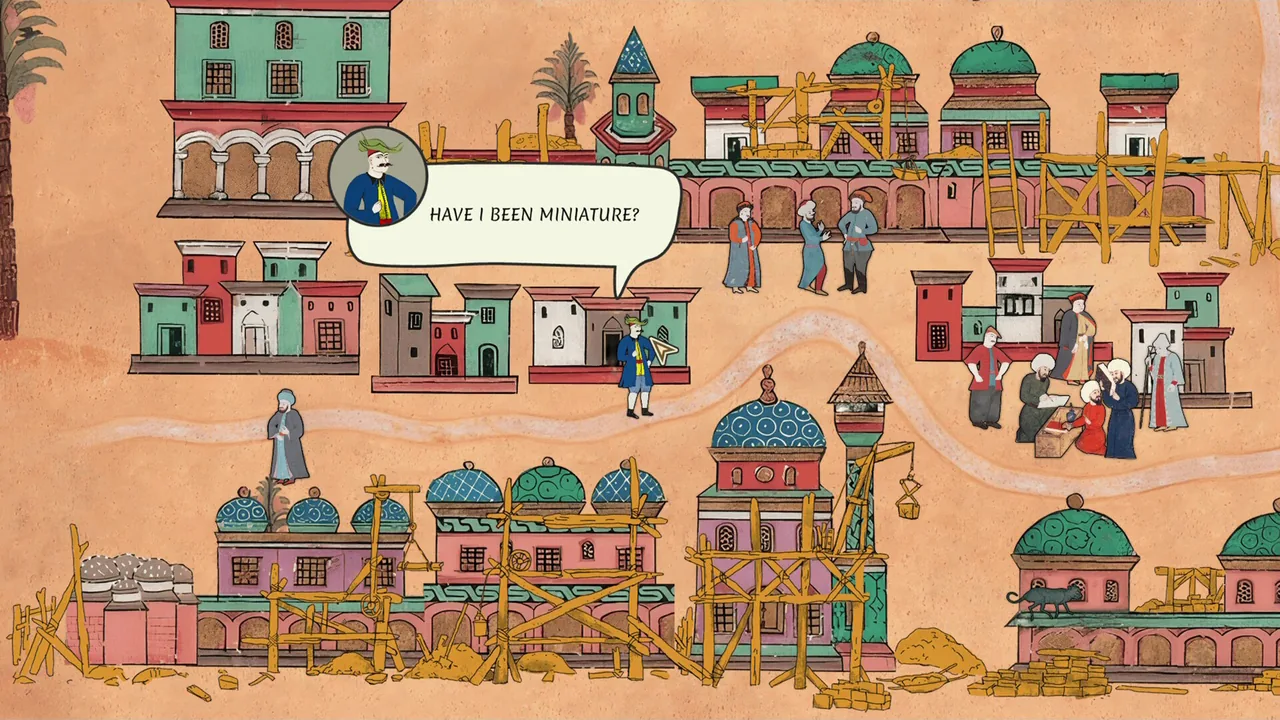
Lost in Art: a Miniature Realm casts players as a traveler shrinking into miniature scenes drawn from real Eastern mythology, forgotten folk tales, and historical artworks, solving puzzles that double as guided history lessons. Reviewers consistently praised the premise as more than a novelty. One, describing their own background in academic history, wrote: "I come from a history background for my education, and one of the few things discussed in academia... is the Eastern world and their vast influence over art, science, and political power. This is a tool I would love to share with other students and professors in the practical application of history lessons. The game is steeped in history lessons and information that so many can benefit from." Another reviewer framed the game's cultural focus as its central achievement: "Lost in Art: A Miniature Realm is a charming puzzle adventure that introduces players to the rich, often underrated world of Eastern mythology and folk tales. It's a pure cultural delight for anyone who loves history, art, or miniatures." A third reviewer, comparing it to a genre touchstone, wrote: "I've heard this game compared to Pentiment. Visually, that holds true... The glossary is really impressive. I could imagine assigning this for a history or history of art class."
Puzzles built around history, not just spatial logic
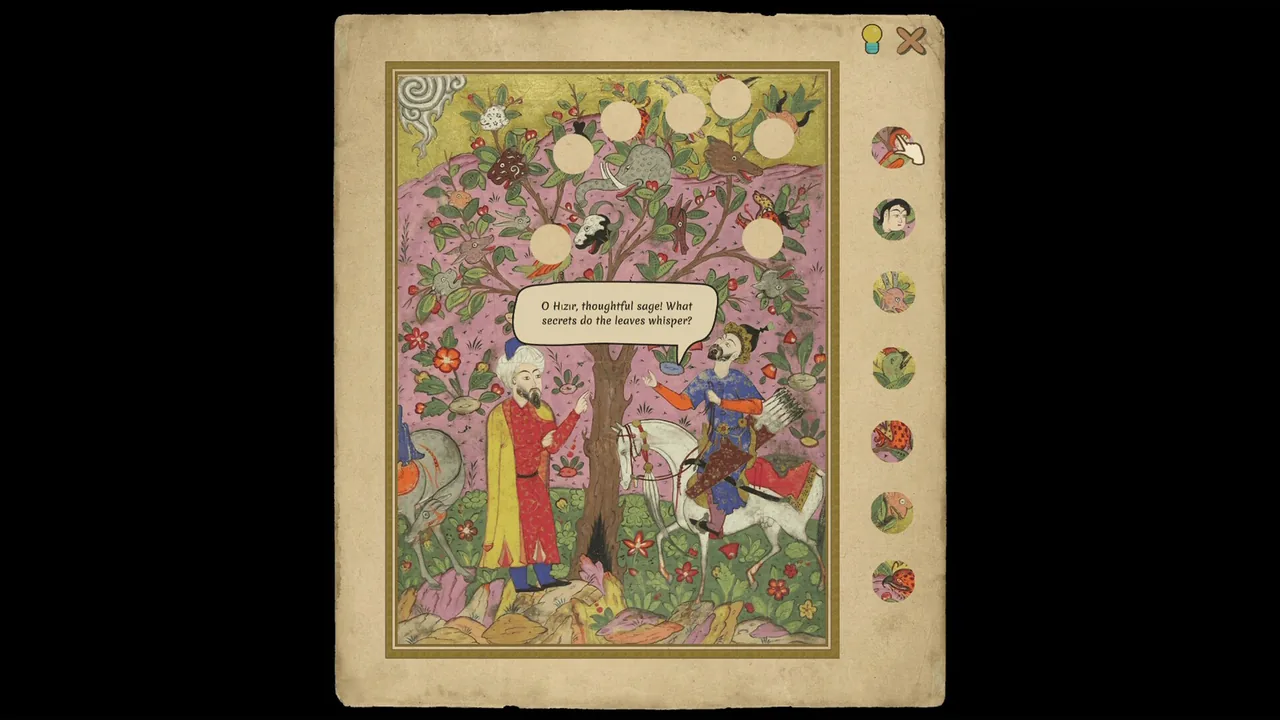
Reviewers described the puzzle design as tightly bound to its cultural content rather than existing separately from it. One wrote: "It is a nice touch to have us solve the puzzles and then read about them in more detail. It was like viewing the culture through the eyes of a foreigner or a traveler and trying to figure things out." Another reviewer, who noted having played "many puzzle games," praised how rarely that dual focus succeeds: "typically, the ones that have a variety of puzzle types are great IMO—but when they try to incorporate story or cultural themes, those sometimes feel like an afterthought. This game is great with both puzzles AND the vehicle for consistent context/art." That reviewer also praised the accessibility of the optional depth: the historical text is "unique for nerds like me but also can be easily skipped for those who are just here for the puzzles." A separate reviewer highlighted how the puzzle style varies within that framework: "The game features a wide variety of puzzles, some unfold through charming, folk tales that help you unravel their mysteries, while others challenge your logic and spatial thinking."
A short runtime that leaves reviewers wanting more
The single most consistent piece of critical feedback across the pool concerned length. One detailed reviewer put a number on it: "This is a fantastic experience for maybe 2hrs worth of content. If you read a lot of the passages, and I highly recommend you do, you can spend maybe 3 hours in here or more," before adding, "I loved this game, only wish we had more of it!" and specifically flagging the puzzle variety as the limiting factor: "I really wish we had more puzzle variety and a longer runtime, although I hope this leaves the door open for more DLC and other historical settings." A second reviewer echoed the same runtime independently: "I spent about 2 hours just playing through the puzzles, but players interested in diving into the history could expect to spend much more time with this one," while also noting a preference for more narrative: "It is a MUCH smaller game, and more puzzle focused rather than narrative focused. I was hoping for more of a story."
Mechanics that can feel repetitive by the end
Beyond runtime, at least one reviewer identified the core interaction loop itself as a limiting factor on long-term engagement, despite an otherwise strongly positive impression: "The puzzle hints could be a bit more helpful, as some of them especially near the end feel a bit overly complicated, especially compared to the prior ones which were very easy. The gameplay does get very repetitive as it's all clicking. However I think the greatest strength is in the presentation and history behind each puzzle." That reviewer's overall conclusion, "a 7.5/10, good way to kill an afternoon," captures a pattern across the pool: reviewers rarely walked away disappointed, but several independently flagged the same two structural limits, an all-clicking interaction model and a hint curve that grows uneven late in the game, as the clearest room for improvement in a design that otherwise leans on its art and history to carry the experience.
A small studio's debut, still finding its footing
Several reviewers framed their feedback in the context of Archaic Game Studio's history with the project, describing meaningful improvement across public demos leading up to release. One wrote: "Lost in Art has expanded a lot from previous demos and a lot of improvements have been made, which demonstrates that Archaic Games Studio listened to player feedback and worked hard to make it better... There is now a pan and zoom on pictures in the book, too!" Another, who described following the game as a tester from its earliest versions, credited the team's resourcefulness directly: "For a first game, Archaic Game Studio has created something truly special. Working with very limited resources, the team poured their passion and deep love for art into this project."
Verdict
Lost in Art: a Miniature Realm succeeds at something genuinely unusual: a puzzle adventure whose historical and cultural content isn't set dressing but the actual point, and reviewers across the board found that combination rewarding rather than dry. Its limitations are consistent and specific rather than vague, a short two-to-three-hour runtime, click-only puzzle mechanics that can feel repetitive by the end, and a hint system that grows less balanced in its final stretch, but none of them stopped reviewers from recommending it. For players drawn to history, folklore, and gorgeous illustration more than mechanical depth or length, it's an easy, if brief, recommendation.
Pros and cons
Pros
- A genuinely distinctive premise, stepping into real Eastern-mythology and folk-tale artworks, that reviewers consistently praised as educational and culturally rich rather than a thin coat of paint
- Gorgeous, detailed illustration and a soothing atmosphere reviewers repeatedly singled out as the game's strongest asset
- An in-game glossary and detailed book entries reviewers say make the history genuinely rewarding to read, while still being fully skippable for players who just want the puzzles
- A well-tuned hint system for most of the game, reviewers said, that respects player time without simply solving puzzles for them
Cons
- A short runtime, roughly two to three hours even for players who read every entry, that multiple reviewers said left them wanting more content or DLC
- Puzzle mechanics that boil down to point-and-click interaction throughout, which at least one reviewer found repetitive by the end
- A hint system reviewers said grows less balanced near the finale, with some late puzzles feeling overly complicated compared to earlier, much easier ones
- A puzzle-first structure that leaves the narrative thinner than some reviewers hoped for, prioritizing historical vignettes over a connected story
Screenshots
-
Lost in Art: a Miniature RealmImage: Archaic Game Studio via Steam -
Lost in Art: a Miniature RealmImage: Archaic Game Studio via Steam -
Lost in Art: a Miniature RealmImage: Archaic Game Studio via Steam