
Game review
Lost & Found: A This Bed We Made Story Review
7 / 10
- Developer
- Lowbirth Games
- Publisher
- Lowbirth Games
- Released
- 5 August 2026
- Platforms
- ["Windows"]
- Genre
- Narrative Investigation Adventure
Sophie Roy Returns, This Time on the High Seas
Lost & Found: A This Bed We Made Story launched on Steam on August 5, 2026 at $6.99, a standalone follow-up to developer Lowbirth Games' 2023 breakout hit This Bed We Made. Where that game cast players as a hotel maid named Sophie Roy quietly snooping through guests' rooms to unravel a murder, Lost & Found moves Sophie a few years forward, now working as a stewardess aboard a 1964 transatlantic liner investigating a string of thefts from passengers' cabins. Three hundred and sixty-three English-language reviews put it at 92% positive, and the review pool is unusually consistent in both what it loves and what it's disappointed by: nearly everyone who played the original comes away charmed by seeing Sophie again, and nearly everyone, including many who still recommend it, wishes there had simply been more of it.
The Same Cozy, Voyeuristic Charm That Made the Original Work
Reviewers overwhelmingly credit Lost & Found with successfully recapturing the specific feeling that made This Bed We Made memorable: the quiet, slightly guilty pleasure of tidying a stranger's room while piecing together their secrets from the letters, photos, and objects they've left lying around. The reviews single out the voice acting and character writing as clear strengths, several noting Sophie feels exactly like herself even in a new setting, and multiple reviewers highlight a new addition this time around, the ability to actually meet and converse with the passengers whose rooms you're investigating rather than only reading about them secondhand, as a welcome evolution of the format. The choice-carryover system, which imports major decisions from This Bed We Made and lets those choices visibly echo into the new story, draws specific praise for making returning players feel like their first playthrough mattered. Presentation is another consistent strength: reviewers repeatedly call the visuals gorgeous and the atmosphere immersive, and several describe the game's handling of heavier emotional material, grief, loss, and reconnecting with the past, as tasteful and moving rather than exploitative, with more than one reviewer admitting the ending caught them off guard emotionally.
A Mystery That Reviewers Overwhelmingly Say Ends Too Soon
Set against that praise, the single dominant complaint in the review pool, echoed by an unusually large share of both positive and negative reviews, is that the game is simply too short and too light to satisfy on its own narrative terms. Reviewers repeatedly report finishing in anywhere from one to two and a half hours, several noting they expected something closer in scope to the original and were surprised when credits rolled after what one reviewer describes as barely more than a single puzzle and a thin resolution. A meaningful cluster of negative reviews goes further, arguing the mystery itself lacks stakes: the central theft plot resolves without a real antagonist or meaningful consequence, the explorable area is limited to a handful of cabins and a break room, and choices that in This Bed We Made visibly branched the story here mostly funnel back to the same outcome regardless of what the player picks. One detailed negative review specifically criticizes the underused new characters, arguing players barely get to know the ship's other passengers before the story ends, and several reviewers separately note technical rough edges at launch, including inconsistent lip-syncing, minor navigation and interaction-hitbox issues, and occasional bugs when skipping cutscenes or scrolling through hints.
Value Depends Heavily on How You Frame the Purchase
A related, gentler thread running through the review pool concerns price relative to length. Several reviewers explicitly recommend waiting for a sale rather than buying at full price, while just as many argue that at $6.99 for roughly ninety minutes to two hours of polished, voice-acted narrative content, the price is fair for what's clearly being marketed and priced as a short standalone chapter rather than a full sequel. The most common framing across the positive reviews is that Lost & Found works best when approached as an interlude, several explicitly compare it to a bonus DLC episode or a between-seasons holiday special, rather than as the substantial full sequel that a three-year wait understandably primed many fans to expect. Reviewers who adjusted their expectations accordingly tend to walk away satisfied; reviewers who went in expecting This Bed We Made at a smaller scale tend to be the ones who came away disappointed.
Verdict
Lost & Found: A This Bed We Made Story succeeds at exactly what it sets out to be: a short, atmospheric, well-acted return to a world and a protagonist that clearly resonated with a lot of players, built on the same tidy-and-snoop investigation loop that made the original distinctive, with a new ability to actually interact with the people whose secrets you're uncovering. Where it stumbles is in scope. Its mystery is thin enough, and its choices consequential enough only at the margins, that a large and vocal share of its own fanbase feels shortchanged relative to what a three-year wait for a follow-up implied.
For returning fans able to treat this as a brief, emotionally focused epilogue rather than a full second game, it's an easy, worthwhile purchase at its asking price. For anyone hoping for a mystery with the depth, stakes, and branching consequences of This Bed We Made, the near-universal reviewer consensus is to wait for a sale, or wait entirely for whatever full sequel the game's ending is clearly teasing.
Screenshots
-
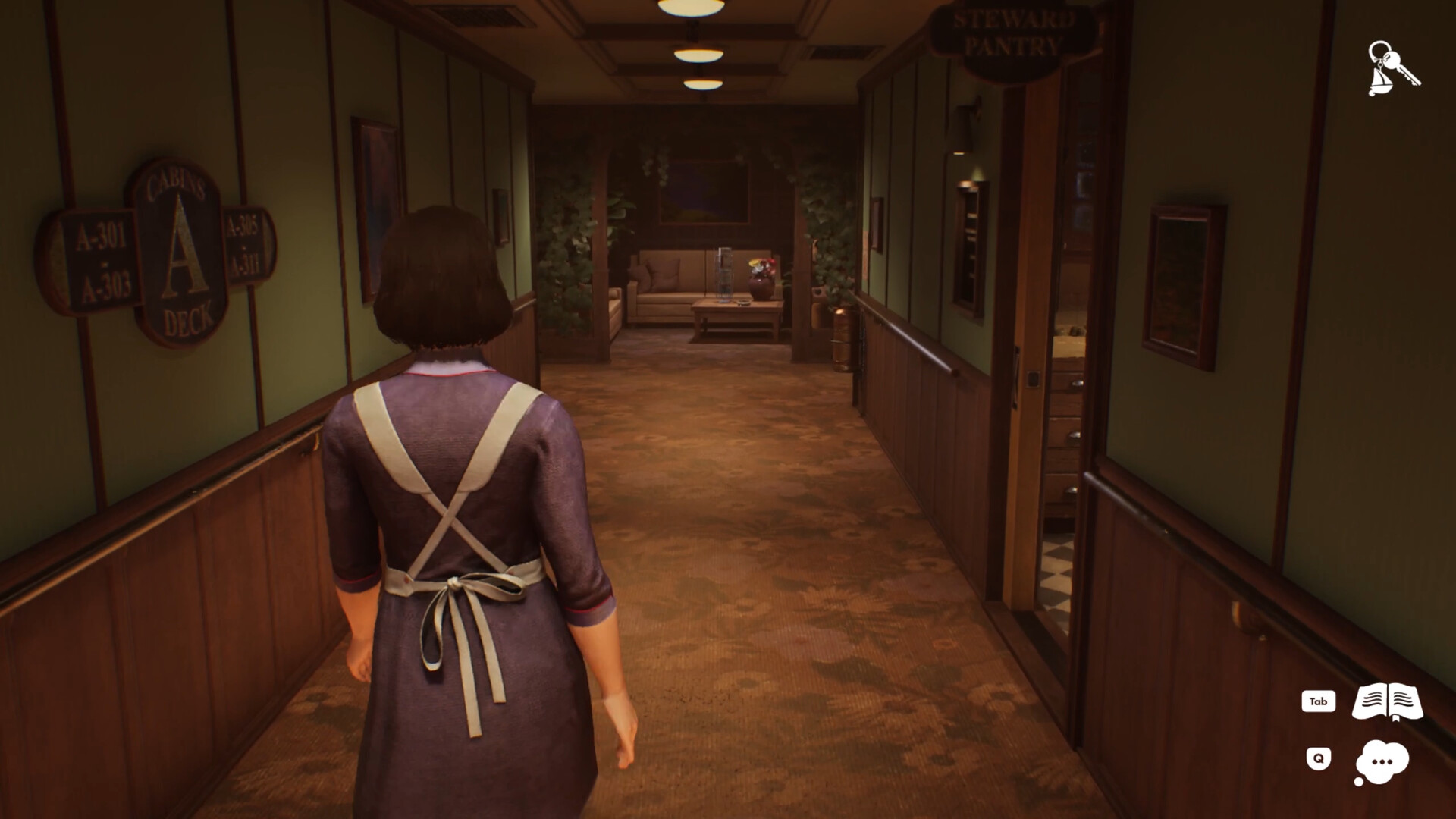
The ship's cabin corridors stand in for the hotel hallways of This Bed We Made, but reviewers note the explorable space here is noticeably more limited.Image: Lowbirth Games via Steam -
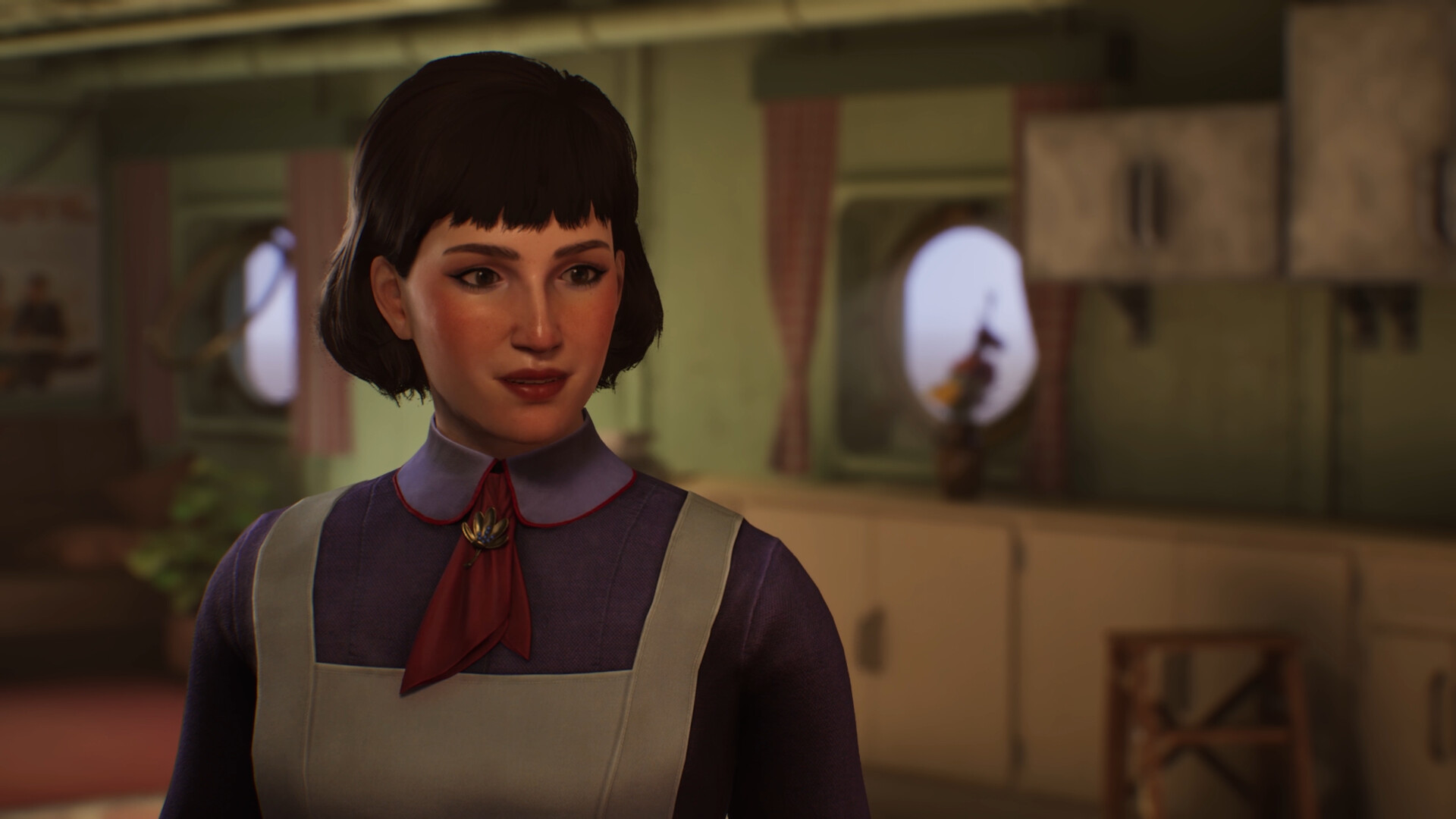
New to this outing is the ability to actually talk face-to-face with the passengers you're investigating, rather than only reading about them secondhand.Image: Lowbirth Games via Steam -
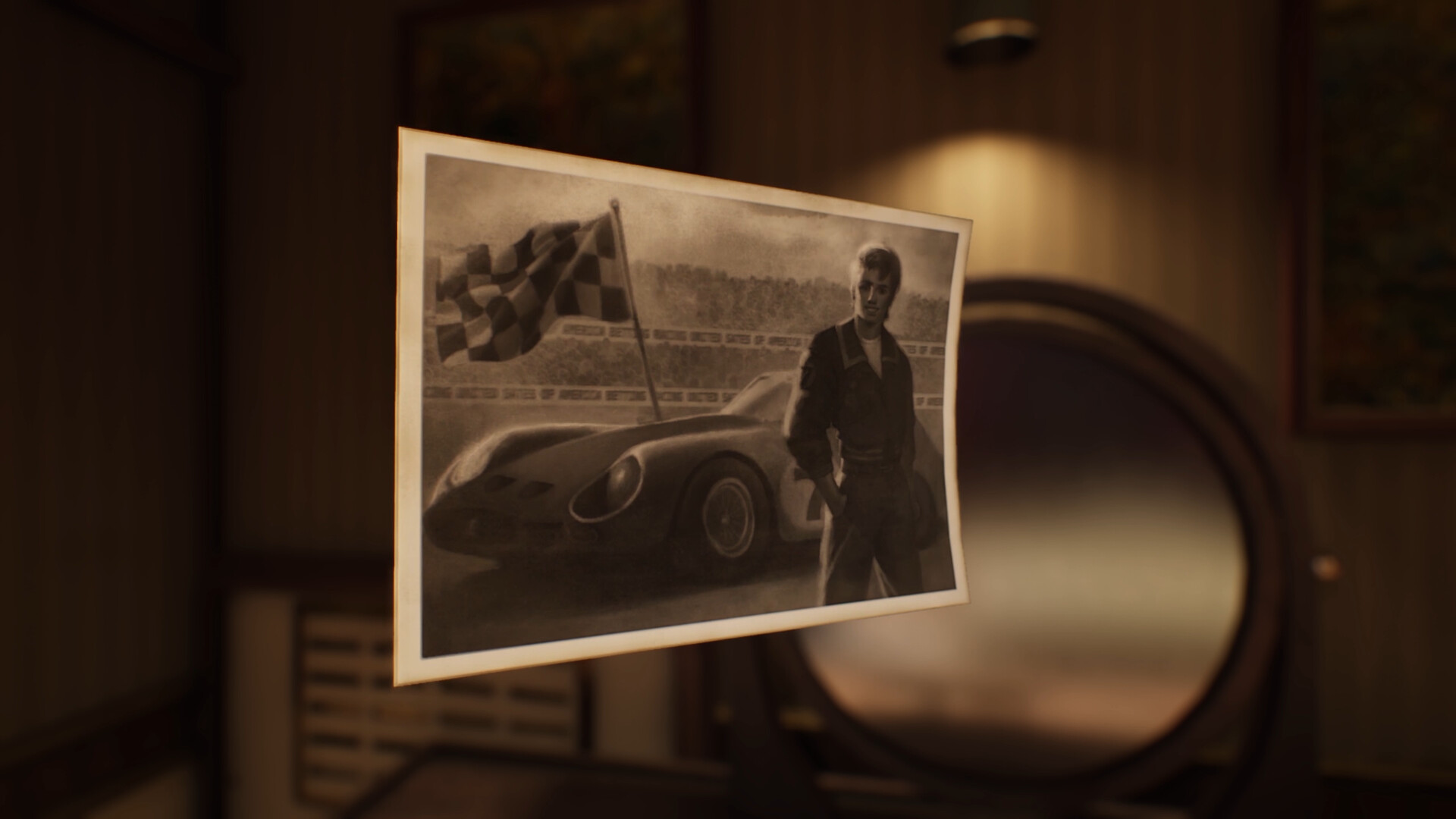
Piecing together a passenger's life from objects like this photograph is the same snooping-as-detective-work loop that made the original game work.Image: Lowbirth Games via Steam