
Game review
Little Chef: Cozy Cooking Review
7 / 10
- Developer
- Julien Truebiger, Erika Zakse, Danny van Duist
- Publisher
- julien & erika
- Released
- 16 March 2026
- Platforms
- ["Windows"]
- Genre
- Puzzle
A Tiny Kitchen, A Big Following
Little Chef: Cozy Cooking began life in Early Access on March 16, 2026 from a small three-person team, artist Erika Zakse, developer Julien Truebiger, and Danny van Duist, and reached its 1.0 release on August 26, 2026 after five months of steady content updates. It's a physics-based cooking sandbox: you throw ingredients into a pot, pan, or bowl, apply heat or other tools, and see what comes out, working toward discovering all 300-plus possible recipes. Across 228 English-language reviews it sits at a genuine 95% positive, "Very Positive," and reading through them, the affection is real and specific rather than generic praise. It's also, by the reviewers' own repeated accounts, a very short game, and that tension between how much people love their time with it and how little of it there is runs through nearly every review in the pool.
The Joy of Throwing Things in a Pot
The core loop reviewers describe isn't really cooking in the culinary sense, it's experimentation. One reviewer explained the appeal plainly: "Do not be afraid to mix weird items too," describing a highly interactive kitchen where dropping "random ingredients and elements into the pot" and turning on the stove produces genuine surprises, from ordinary comfort food to deliberately absurd results. Several reviewers specifically called out favorite discoveries by name, including "Frankensteins toast" and a recipe one described affectionately as "the spongeman recipe," and another praised the game for including "a good variety of possible recipes; both regular recipes and 'inedible'/fun recipes (eg. Heavy Metal)." One reviewer drew a useful contrast with the wider cooking-game genre, noting there are "no timers or customers, just simple recipes and even silly ones," which several others echoed when praising the game's lack of stress mechanics compared to typical restaurant-management cooking games.
A Story Told Through Recipes
What elevates the concept beyond a pure discovery toy, according to multiple reviewers, is the narrative threaded through it. One wrote that the recipe descriptions "convey the story to us... as we progress, we get to know the main character, her aspirations, thoughts," while another was caught off guard by how affecting it became: "This game really lives up to its title of being cozy. I wasn't expecting it to also be so heartwarming, though. The storyline of a family connecting and healing through food nearly made me cry." That combination, a lighthearted experimentation mechanic carrying real emotional weight in its flavor text, is the thing several reviewers singled out as what separates this from similar mixing-sandbox games they'd played before, including named comparisons to Cookulo and Creature Kitchen.
The Recurring Complaint: There Just Isn't Much Game Here
Set against all that affection is an equally consistent, corroborated criticism: the game is short, and multiple reviewers say it stays short even after reaching 1.0. One detailed a refund after buying the full release, writing that it "is literally a slightly extended version of the demo. There's only two stages," and finishing in "104 minutes." Another reported completing "just about the whole game" and 100 percent of its achievements in "just under 4 hours," while a third put full completion "in just about 2 hours." One earlier reviewer, writing partway through Early Access, went further, noting that the second of the game's levels "isn't even complete (there's no ending at all) and it leaves off on a 'cliffhanger.'" These aren't isolated complaints from people looking for a reason to be negative; they show up consistently across reviewers who otherwise rated the game positively, describing the exact same experience of running out of content faster than they expected to.
Real Growth During Early Access, But the Value Question Never Fully Resolved
To the developers' credit, the patch history backs up that the game didn't sit still: a Café Update and My Room Update each added a new area over the spring and early summer, and a Level 3 Update arrived in July, shortly before the 1.0 release in August. Reviewers noticed and appreciated the momentum, with one writing they "can't wait for there to be more added to the second room and to see the third one at some point," a wish the later updates partially answered. But even with that added content, more than one reviewer weighed the final asking price against the runtime and came away unconvinced, with one writing bluntly that it isn't "worth the price" for what amounts to "an hour of play" compared to other games they own with "100's of hours" logged, and another simply concluding "for the price I wouldn't recommend it." Neither the game's charm nor its growth over Early Access has fully settled that argument among its own audience.
Verdict
Little Chef: Cozy Cooking is an easy game to like and a hard one to argue is worth its full price on length alone. The recipe-discovery loop is genuinely inventive and funny, the family story woven through the flavor text lands with real sincerity for multiple independent reviewers, and the developers clearly kept building throughout Early Access rather than shipping once and walking away. But the same review pool that's nearly unanimous in its affection is just as consistent in noting you'll likely see everything the game has to offer in an afternoon, sometimes less, and a meaningful minority feel that isn't enough for the $7.99 ask. If you want a short, sweet, story-driven kitchen sandbox to share with a kid or unwind with for an evening, this delivers exactly that. If you're pricing per hour of playtime, the reviewers who refunded it have a point worth taking seriously before you buy.
Screenshots
-
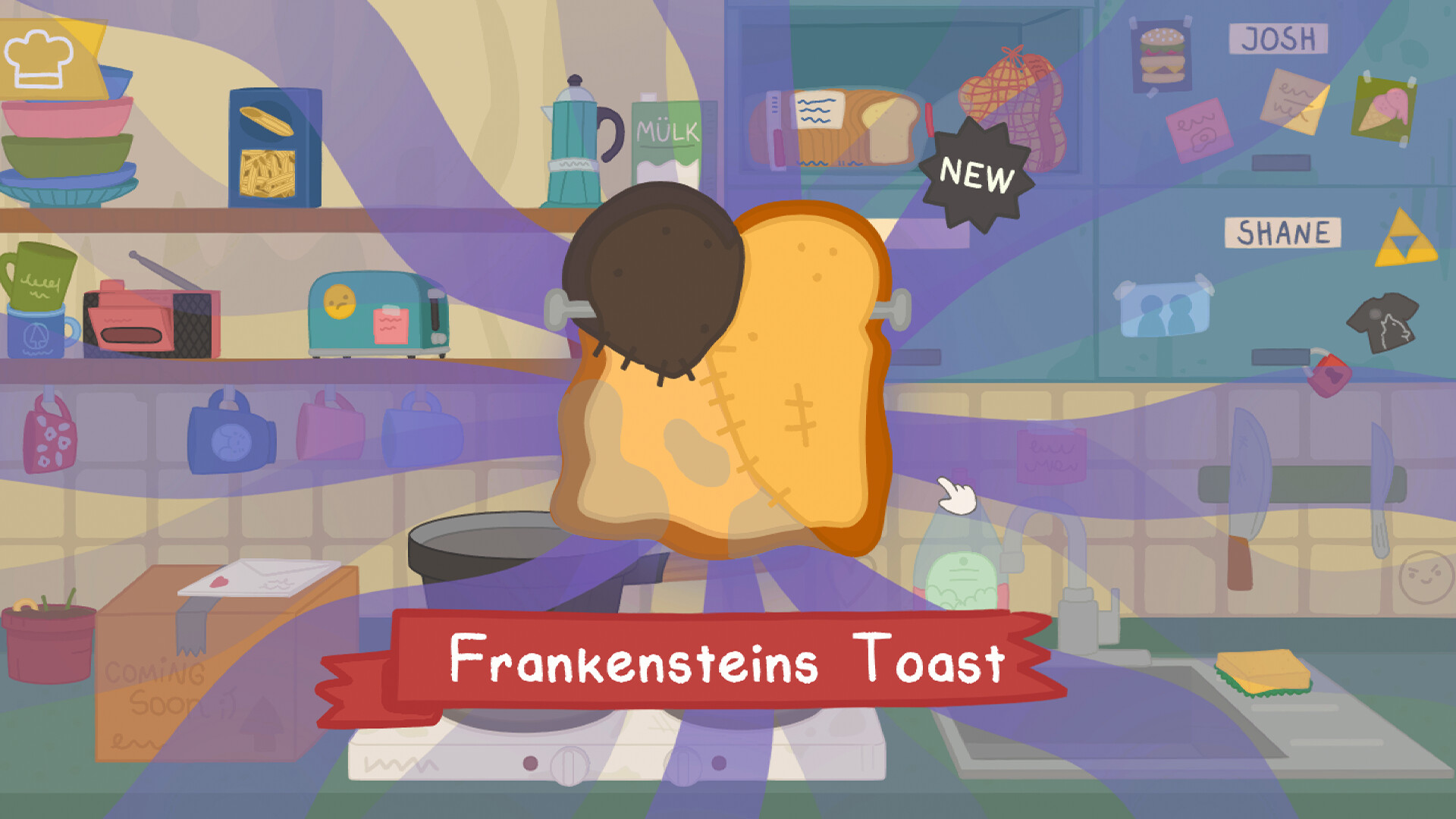
One of the game's named oddball discoveries, exactly the kind of silly, unexpected result reviewers say makes throwing random ingredients into the pot worth doing.Image: julien & erika via Steam -
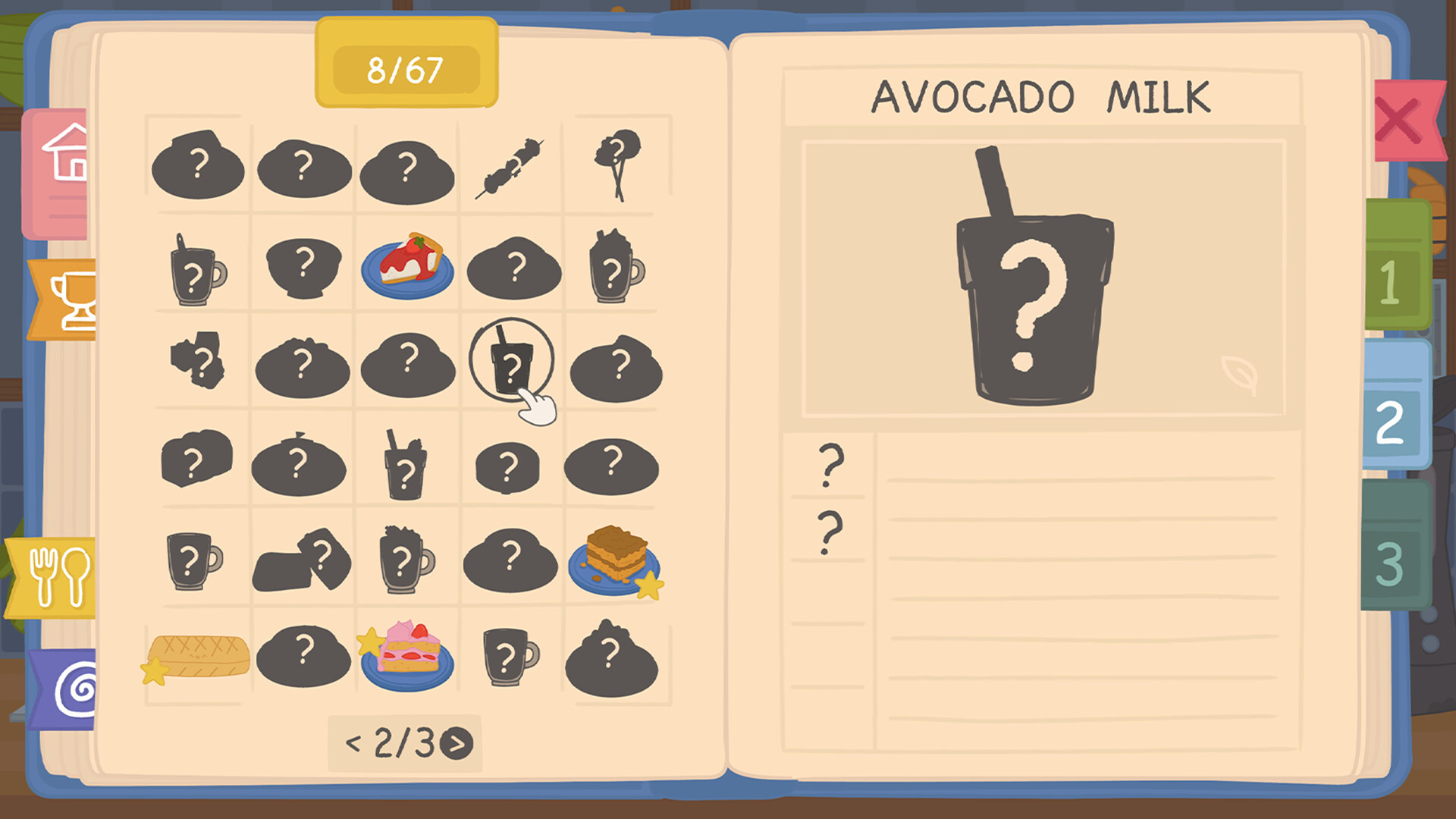
The recipe book that tracks discovery progress, shown here partway through one of its sections at 8 of 67 found, the collection-completion hook multiple reviewers say they finished in just a few hours.Image: julien & erika via Steam -
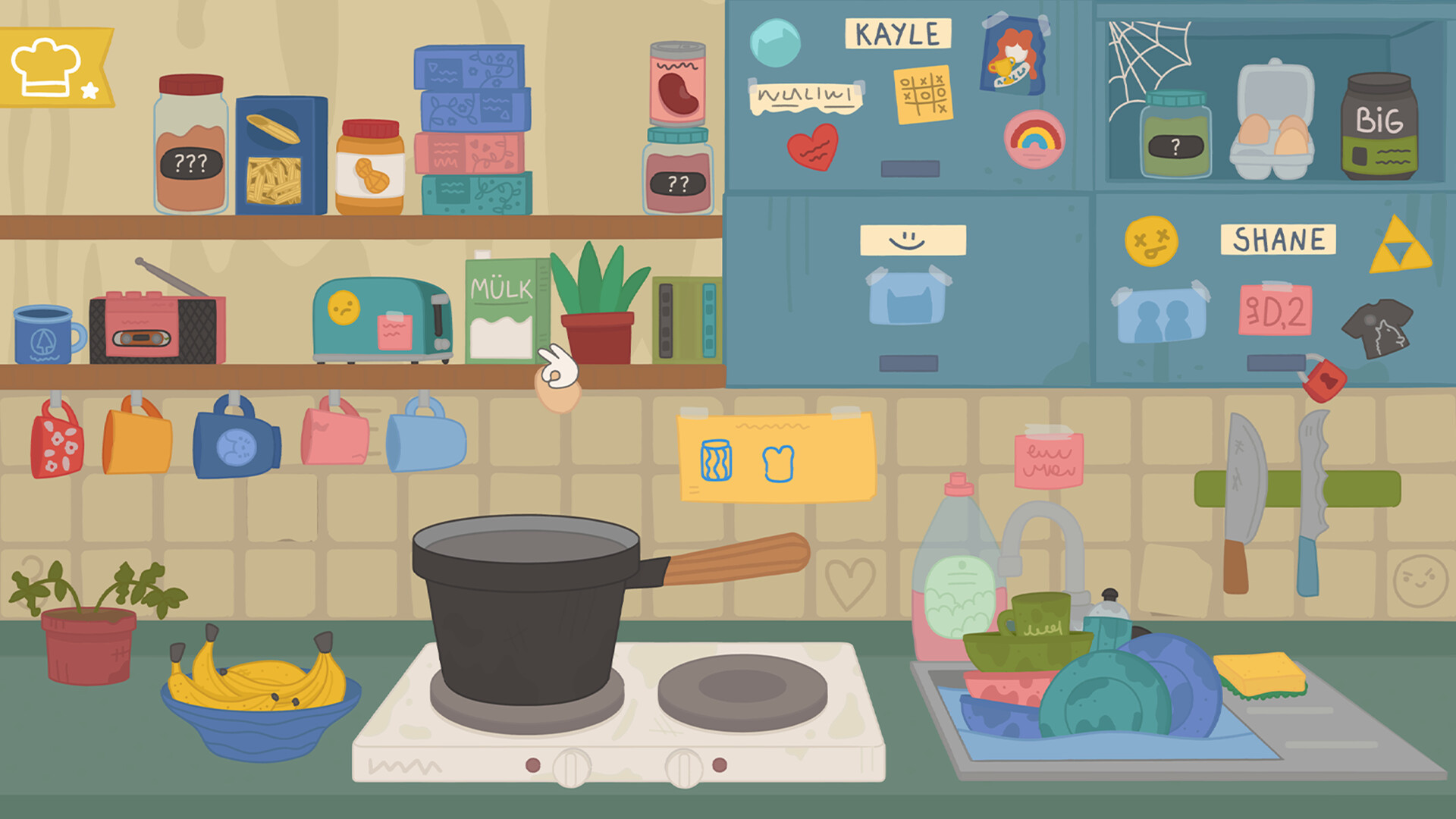
The kitchen's cluttered, lived-in art direction, the hand-drawn warmth several reviewers credit for making the short experience feel more substantial than its runtime suggests.Image: julien & erika via Steam