Game review
Like a Dragon Gaiden: The Man Who Erased His Name
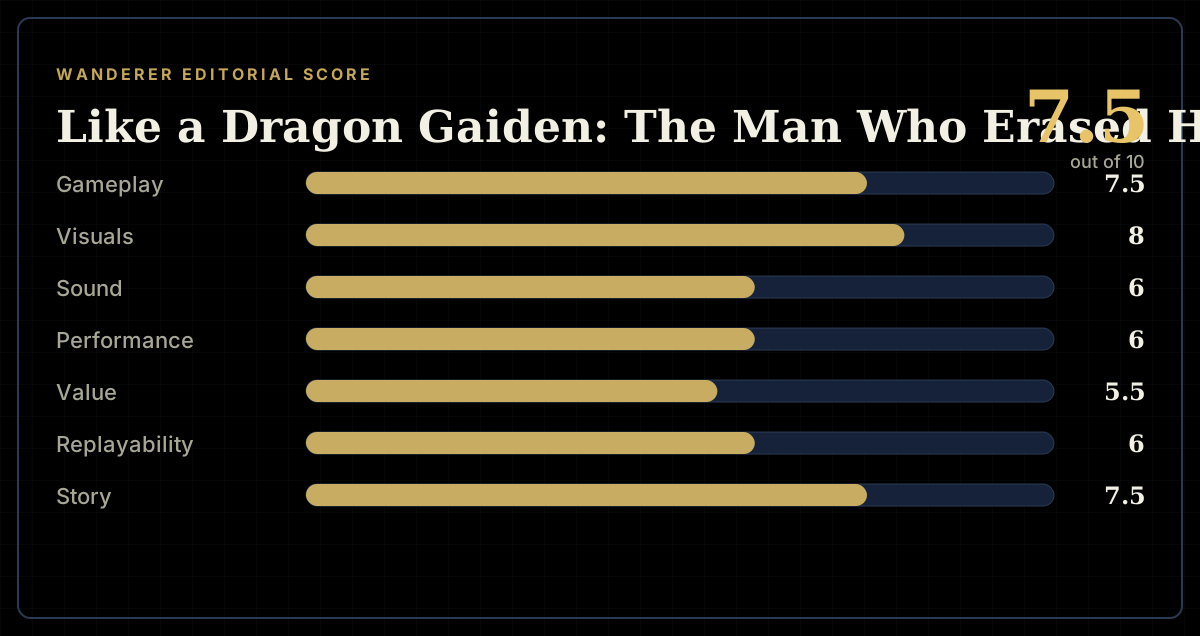
7.5 / 10
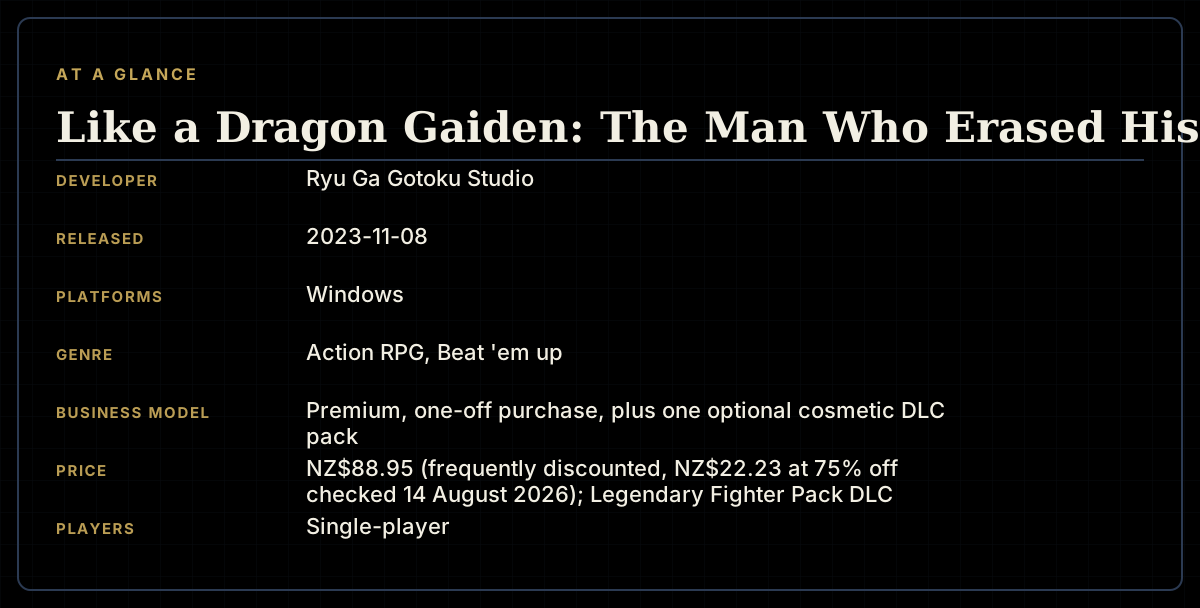
- Developer
- Ryu Ga Gotoku Studio
- Publisher
- SEGA
- Released
- 8 November 2023
- Platforms
- Windows
- Genre
- Action RPG, Beat 'em up
- Monetisation
- Premium, one-off purchase, plus one optional cosmetic DLC pack
- Players
- Single-player
The short version
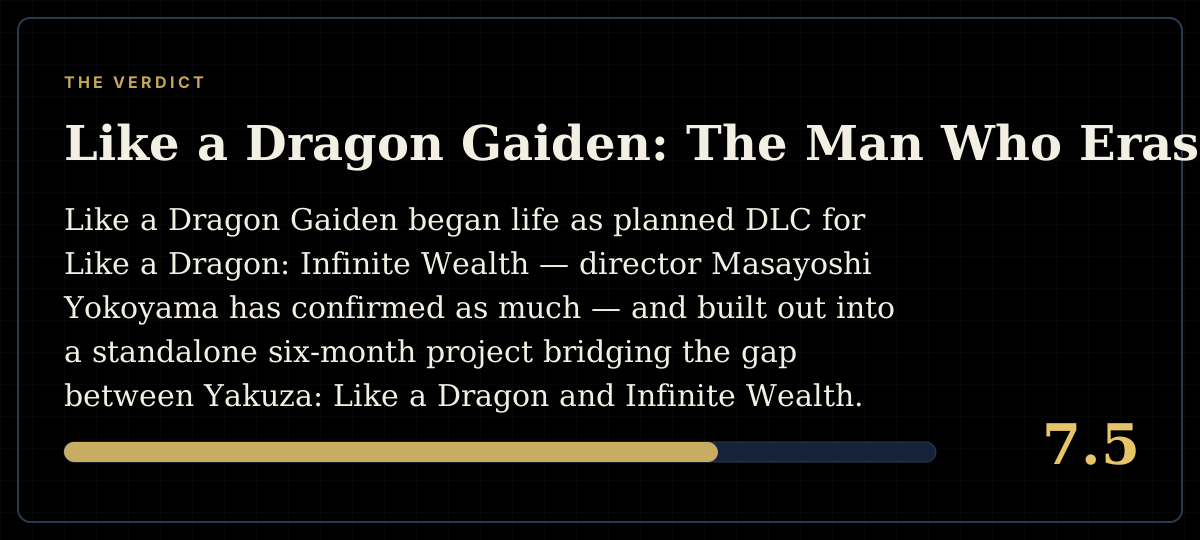
Like a Dragon Gaiden began life as planned DLC for Like a Dragon: Infinite Wealth — director Masayoshi Yokoyama has confirmed as much — and built out into a standalone six-month project bridging the gap between Yakuza: Like a Dragon and Infinite Wealth. That origin story explains almost everything about how it plays: sharp, confident brawling built around Kiryu's new gadget-driven Agent style, a genuinely strong finale, and a middle stretch that a large slice of its own audience calls padding dressed up as content, set in a returning Sotenbori that offers little new to explore.
At 96% lifetime positive across 6,640 English reviews, this is a beloved entry by any normal measure. Its own negative corpus is remarkably consistent about why the other 4%, and plenty of positive reviews too, hold back: a 15-30 hour campaign priced like a full mainline entry, recurring crash reports through 2024 and 2025, and a side-story structure that never quite argues for its own existence the way the ending does.
Biggest strengths
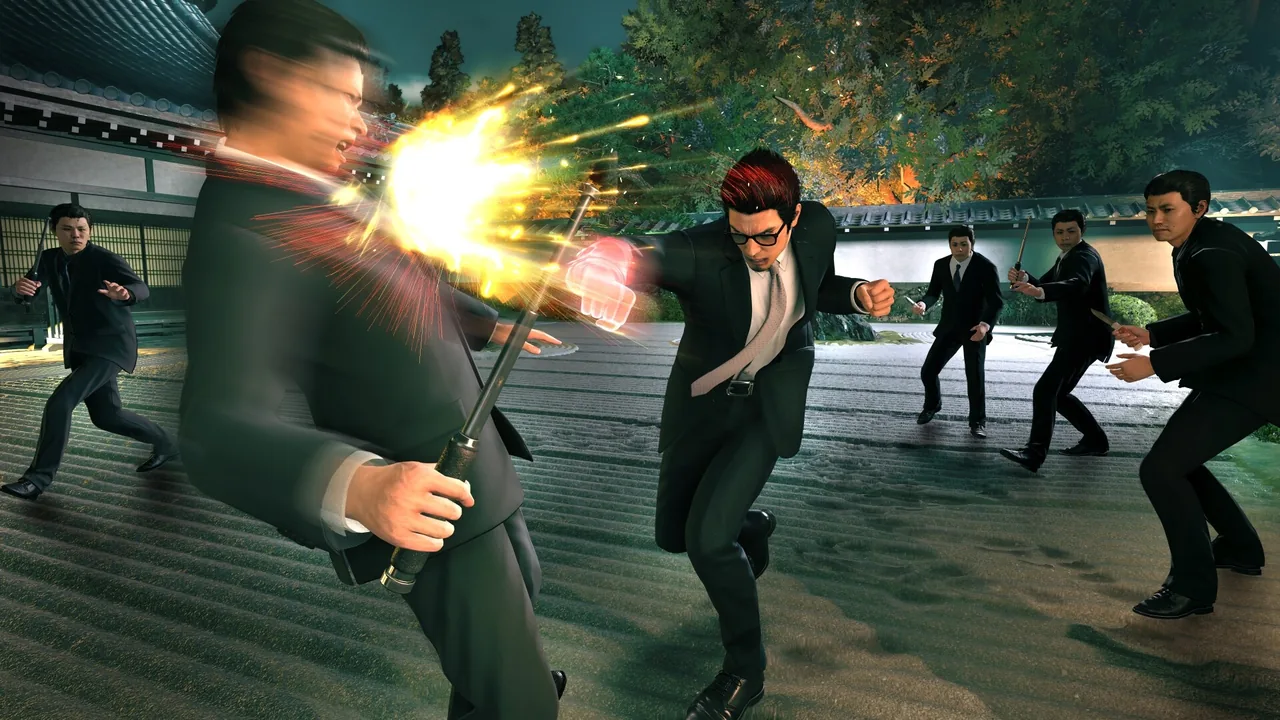
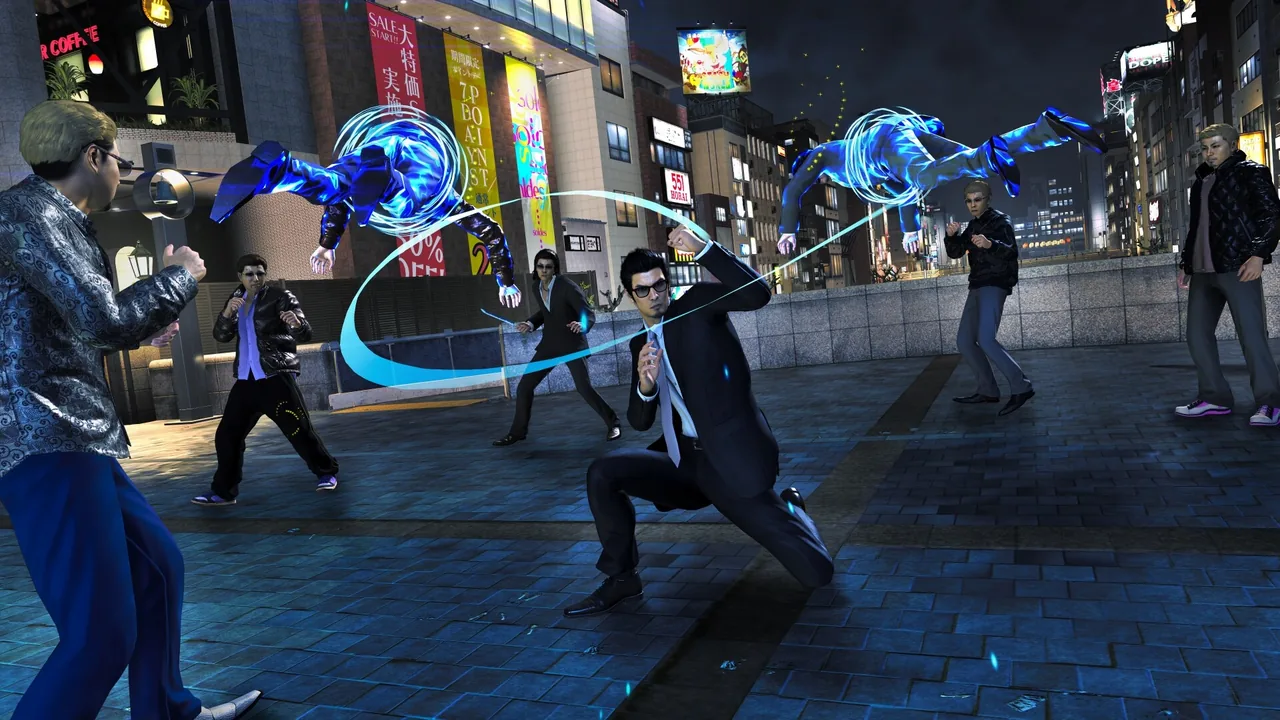
- The new Agent combat style, built around gadgets and quick-draw counters, gives Kiryu's fighting a fresh identity without abandoning the series' brawler fundamentals
- The story's final chapter is widely singled out as one of the strongest in the whole RGG catalogue, even by reviewers otherwise lukewarm on the rest of the game
- The Coliseum mode brings back Goro Majima, Taiga Saejima and Daigo Dojima as guest fighters, a genuine treat for long-time fans
Biggest weaknesses
- The most common complaint across the negative-review corpus is value: a 15-30 hour campaign priced at NZ$88.95, close to a full mainline entry despite being explicitly a shorter side story
- The Sotenbori setting is reused from Yakuza: Like a Dragon rather than offering a new city to explore, which several long-time players call out as a missed opportunity
- Recurring crash reports appear across reviews dated from 2024 through early 2026, including some tied specifically to DLSS and frame generation settings, rather than clustering only at launch
Who it's for: Series veterans who want to know what happened to Kiryu between Yakuza: Like a Dragon and Infinite Wealth, and brawler fans who enjoy RGG Studio's combat. A weak fit for anyone new to the franchise — the plot assumes deep familiarity with Kiryu's history — or for buyers unwilling to pay full mainline pricing for a shorter side story.
Our recommendation: A strong pickup for existing fans, especially on sale, where it regularly sits at 70%+ off. New to the series or price-sensitive? Play Yakuza: Like a Dragon first, and treat Gaiden as the connective tissue it was designed to be rather than a fourth full-length entry.
7.5 / 10
Introduction
Like a Dragon Gaiden: The Man Who Erased His Name exists because RGG Studio director Masayoshi Yokoyama decided a thirty-minute flashback wasn't enough. In an interview with Automaton, Yokoyama explained that Kiryu's missing years — the gap between faking his own death at the end of Yakuza 6 and resurfacing in Like a Dragon: Infinite Wealth — were originally planned as a downloadable expansion for Infinite Wealth itself, before the studio decided the material deserved its own game. It took six months to build, released on Steam on 8 November 2023 under the alias "Joryu," and that origin story is the single most useful piece of context for understanding what Gaiden actually is: a genuinely well-made side story that occasionally still feels like the DLC it started as.
A new fighting style built for a shorter story
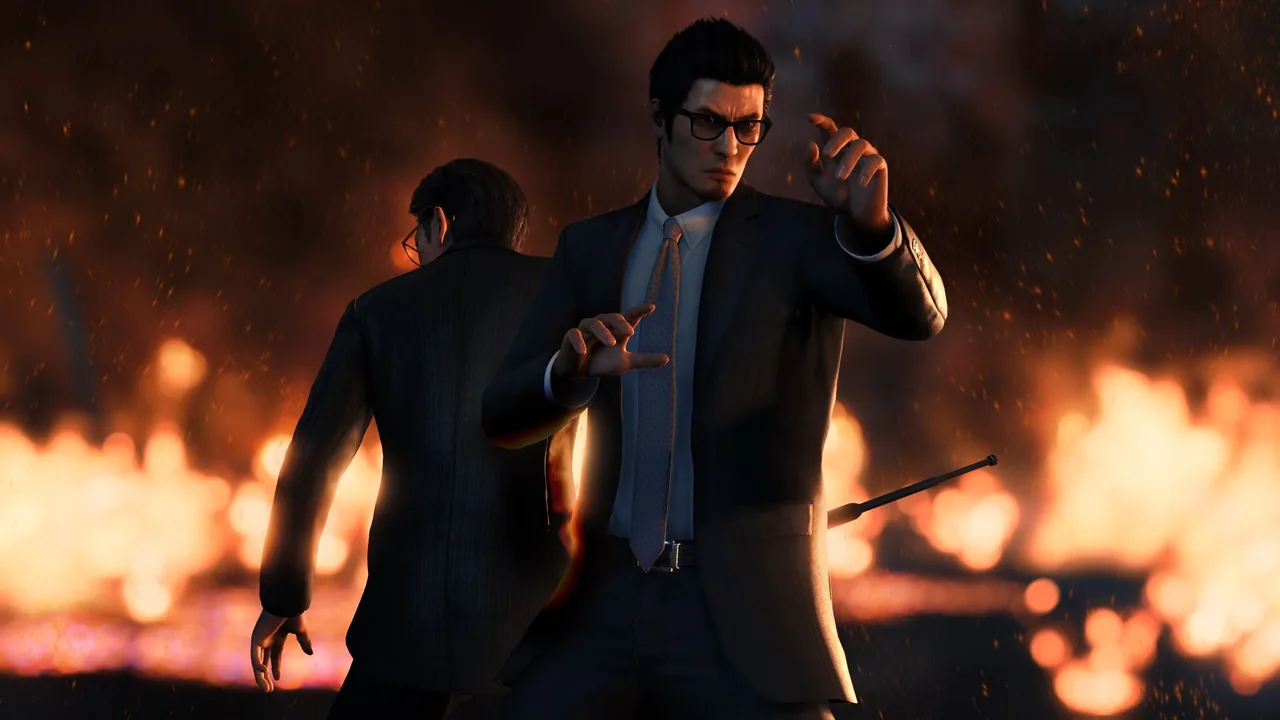
Kiryu's Agent persona brings a real mechanical identity to the game rather than just reusing the Dragon Engine brawling from prior entries wholesale. Gadget-driven counters, quick-draw tools and a faster, more improvisational combat rhythm give the fighting its own flavour, and reviewers who came in skeptical about yet another combat overhaul generally come away satisfied — one recurring joke throughout the review corpus is disappointment that the game doesn't literally flash "real agents use gamepad" on screen, which says more about the affection for the new style than any complaint could. It's not without detractors: a smaller but consistent group argues the Agent style trades away some of the weight and combo depth that made Yakuza 0 and Kiwami's brawling satisfying, and that boss encounters in particular feel less varied than in mainline entries.
The Coliseum mode is the other headline addition, letting players field Goro Majima, Taiga Saejima and Daigo Dojima — three of the series' most beloved characters — as guest fighters against escalating challenges. It's exactly the kind of fan-service bonus mode this series does well, and the Legendary Fighter Pack DLC that unlocks all three for play alongside Kiryu is a reasonable NZ$12.95 add-on for players who want more of it rather than a necessary purchase.
A returning city, and a story that saves its best for last
Gaiden is set once again in Sotenbori, the Osaka-styled district first seen in Yakuza: Like a Dragon, rather than offering a new city to explore. For a series whose city environments are usually a selling point in their own right, reusing one rather than building something new is a real and repeated criticism in the negative corpus — it's efficient for a six-month project, but it reads as exactly that kind of efficiency to players who were hoping for fresh ground.
The story itself draws a genuinely split response that resolves in an unusual way: multiple reviewers who spend most of their review criticising pacing and padding in the middle chapters still single out the finale as one of the best the RGG catalogue has ever produced. That's a hard pattern to dismiss when it shows up independently across dozens of reviews spanning launch week through 2026 — Gaiden's structure seems to genuinely improve as it goes, front-loading the padding some players associate with a repurposed DLC concept and saving its strongest material for the ending it was originally built to deliver.
The voice recast, handled honestly
One specific controversy is worth covering directly rather than glossing over: Yong Yea, better known for his games-focused YouTube channel, replaced Darryl Kurylo as Kiryu's English voice actor for this entry. The backlash that followed a preview at Anime Expo 2023 focused specifically on performance — fans argued Yea's take sounded too young and lacked the gruffness the Japanese performance carries for a character in his fifties, not on anything beyond the quality of the casting fit. Yea has said publicly that his performance became more refined as recording progressed, and SEGA later shipped an English dub update to the game. It's a real point of contention in the fan community and shows up in a handful of reviews, but it's a narrower and more specific complaint than the value and pacing issues driving the bulk of the negative corpus.
Where the price argument comes from
Value is the recurring theme across Gaiden's negative reviews, and it's worth being precise about why. Reviewers consistently report finishing the main story in the 15-25 hour range, with full completion including side content landing closer to 30, for a game that launched at NZ$88.95 — close to mainline Like a Dragon pricing despite being explicitly framed as a shorter side story. The achievement data backs up the "shorter but still substantial" read: the main story's opening achievement sits at 84.5% of all owners, but full completion (PLATINUM) sits at just 10.5%, and optional side content like the Coliseum's arcade and retro minigames drops as low as 12.8%, suggesting most players engage with the core story and combat rather than the bonus systems. None of that makes the game bad value exactly — it makes it a game whose own audience thinks the list price doesn't match its scope, which is a different and more specific criticism than "this isn't worth playing." The practical answer that shows up again and again in the reviews themselves is to wait for a sale, and the game obliges regularly: it was sitting at 75% off, NZ$22.23, at the time of writing.
Stability, less consistently
A smaller but persistent thread in the negative reviews concerns crashes, and it's notable for spanning well past launch rather than clustering in the first weeks the way most Day One performance complaints do. Reports dated from mid-2024 through early 2026 describe crashes during extended sessions, at scripted story moments, and — in a December 2025 review — specifically when DLSS or frame generation is enabled. It's not the dominant complaint in the corpus, but it's persistent enough across enough different time periods that it looks like a real, unresolved stability issue for a subset of PC configurations rather than a one-off.
Final verdict
Like a Dragon Gaiden is a genuinely well-made piece of a much larger story, and its 96% approval across 6,640 English reviews reflects real affection rather than franchise momentum alone. The Agent combat style earns its place, the Coliseum is a treat for series veterans, and the ending is good enough that multiple reviewers who spent most of their review complaining still recommend finishing it. What keeps it from scoring higher is the thing its own director has now confirmed in public: this started as DLC, took six months to build, and reads that way in its reused city and padded middle stretch — while carrying a price tag built for something bigger. Buy it for the story and the finale if you're already invested in Kiryu's arc. Wait for a sale if the price is the deciding factor, because the game's own audience overwhelmingly says that's when the value case actually clicks into place.
Pros and cons
Pros
- The new Agent combat style, built around gadgets and quick-draw counters, gives Kiryu's fighting a fresh identity without abandoning the series' brawler fundamentals
- The story's final chapter is widely singled out as one of the strongest in the whole RGG catalogue, even by reviewers otherwise lukewarm on the rest of the game
- The Coliseum mode brings back Goro Majima, Taiga Saejima and Daigo Dojima as guest fighters, a genuine treat for long-time fans
- Director Masayoshi Yokoyama has confirmed the game began as planned DLC for Infinite Wealth before growing into its own six-month project, giving useful context for its shape and scope
- Full controller support with dedicated DualSense and DualShock integration
Cons
- The most common complaint across the negative-review corpus is value: a 15-30 hour campaign priced at NZ$88.95, close to a full mainline entry despite being explicitly a shorter side story
- The Sotenbori setting is reused from Yakuza: Like a Dragon rather than offering a new city to explore, which several long-time players call out as a missed opportunity
- Recurring crash reports appear across reviews dated from 2024 through early 2026, including some tied specifically to DLSS and frame generation settings, rather than clustering only at launch
- A vocal segment of the fanbase reacted negatively to Yong Yea replacing Darryl Kurylo as Kiryu's English voice actor, criticising the performance as too young-sounding for a 51-year-old character; SEGA later shipped an English dub update
- Several reviewers describe large stretches of the middle game as filler built to justify a full release rather than essential story content
- No standout or memorable soundtrack moments are cited in the review corpus, unusual for a series generally well-regarded for its music
Screenshots
-
Like a Dragon Gaiden: The Man Who Erased His NameImage: SEGA via Steam -
Like a Dragon Gaiden: The Man Who Erased His NameImage: SEGA via Steam -
Like a Dragon Gaiden: The Man Who Erased His NameImage: SEGA via Steam -
How the review scores each part of the gameWanderer Editorial -
The game at a glanceWanderer Editorial -
The short versionWanderer Editorial