Game review
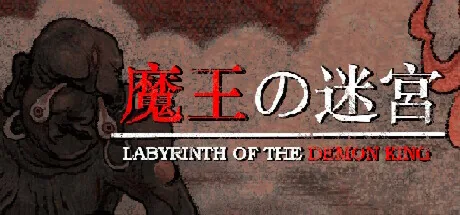
Labyrinth Of The Demon King
6.5 / 10
- Developer
- J. R. Hudepohl
- Publisher
- Top Hat Studios, Inc.
- Released
- 13 May 2025
- Platforms
- Windows
- Genre
- Action, Adventure, Indie, RPG
- Monetisation
- Premium, one-time purchase. No microtransactions or DLC.
- Players
- Single-player only.
The short version
Labyrinth Of The Demon King is a solo-developer first-person dungeon crawler that fuses King's Field-style exploration with the dread and grime of PS1-era survival horror, built around a feudal Japanese demon hunt across four towers. Its Very Positive review sample is loudest about atmosphere, presentation, and a genuinely gripping opening stretch, but a heavily corroborated complaint holds that the game's quality and polish decline sharply after its first tower, with combat that many reviewers describe as unresponsive and padded out by tanky, endlessly respawning enemies, keeping this from being the unqualified retro-horror gem its best moments suggest it could have been.
Biggest strengths
- Widely praised for its atmosphere and presentation, with one reviewer summarising it as "King's Field + Silent Hill + Forbidden Siren," citing "gruesome atmosphere, bone chilling music and unsettling retro graphics," and another separately calling it "Kings Field + Resident Evil in Feudal Japan."
- Praised as a faithful, deliberate recreation of PS1-era design sensibilities, with one widely upvoted review distilling the whole experience as both "pro" and "con" in the same breath: "it's a faithful recreation of PS1-era game design."
- Praised for a strong, gripping opening stretch, with one reviewer describing the systems as "weirdly hard and weirdly forgiving," noting the game "tricks you into being more afraid about healing items than you really need to be," and multiple reviewers separately crediting the first tower specifically as the game's high point.
Biggest weaknesses
- A heavily corroborated complaint holds that content and polish decline sharply after the first area, with one reviewer stating bluntly that "the only truly 'finished' part of it is the first tower out of the four you must conquer," and another separately describing everything going "downhill" from the second area onward, citing level design, enemy placement, and lost interactivity.
- A heavily corroborated complaint concerns combat feeling unresponsive and padded with excessive, respawning enemies, with one reviewer writing "50% of my attacks don't even register" and enemies being "far too tanky," and another separately describing later towers as filled with enemies that "spawn in massive numbers... and also respawn infinitely," turning fights into "a massive slog" with "no real benefit to fighting."
- A fair, corroborated complaint concerns a messy inventory system and general jank, with one reviewer specifically citing an "inventory system that is an absolute mess" with no sorting despite needing to swap weapons often due to enemy resistances, and a separate, lower-vote but consistent complaint about a framerate lock the developers acknowledged and intended to address.
Who it's for: Fans of PS1-era first-person dungeon crawlers like King's Field and Shadow Tower, and survival-horror devotees who value oppressive atmosphere and cryptic level design over combat polish; players who want tight, responsive melee combat or a consistently well-paced game from start to finish should approach with caution given the well-documented drop-off after the opening hours.
Our recommendation: A remarkable atmospheric achievement for a solo developer, with a genuinely strong opening, but be prepared for combat and pacing that a large share of reviewers say does not hold up across the whole game.
6.5 / 10
A passion project built from a very specific shelf of games
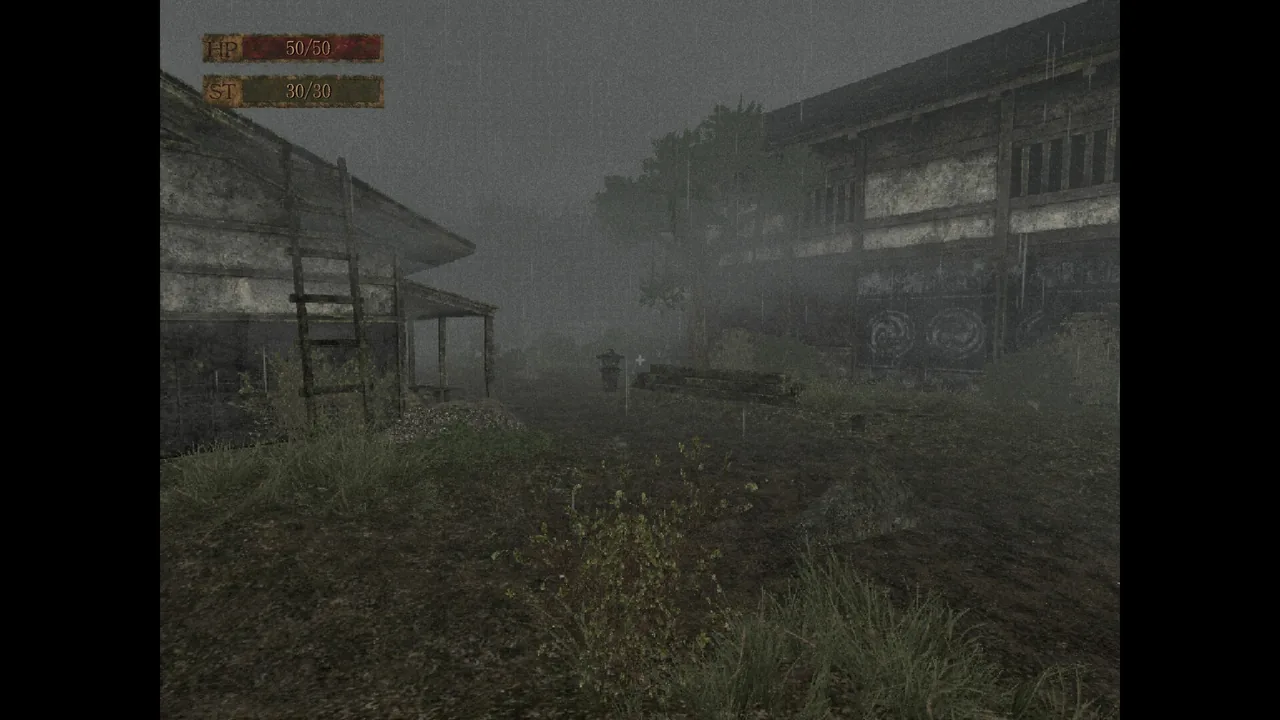
Labyrinth Of The Demon King, released 13 May 2025, is the work of a single developer, J. R. Hudepohl, published through indie-focused label Top Hat Studios. Its influences are worn openly and precisely: reviewers reach again and again for the same small cluster of reference points, King's Field, Shadow Tower, Silent Hill, Forbidden Siren, and classic Resident Evil, to describe a first-person dungeon crawler locked into a forced 4:3 aspect ratio with black bars on both sides, deliberately mimicking the technical limits and visual grain of late-1990s console horror. The setup drops players into feudal Japan on a quest to track down and kill a demon who betrayed their lord, working through four towers of a sprawling, interconnected labyrinth filled with traps, puzzles, and slow, deliberate combat encounters.
That level of specificity in its influences is, by the review sample's account, both the game's greatest achievement and the root of its most common complaint. One of the most-upvoted reviews in the entire pool captures this tension in a single line, listing the exact same thing as both a pro and a con: "it's a faithful recreation of PS1-era game design." For a meaningful share of the audience, that faithfulness is precisely the appeal. For others, it means inheriting the actual rough edges of that era's games, not just their aesthetic, without the polish modern development tools might otherwise have smoothed over.
Atmosphere that reviewers can't stop describing
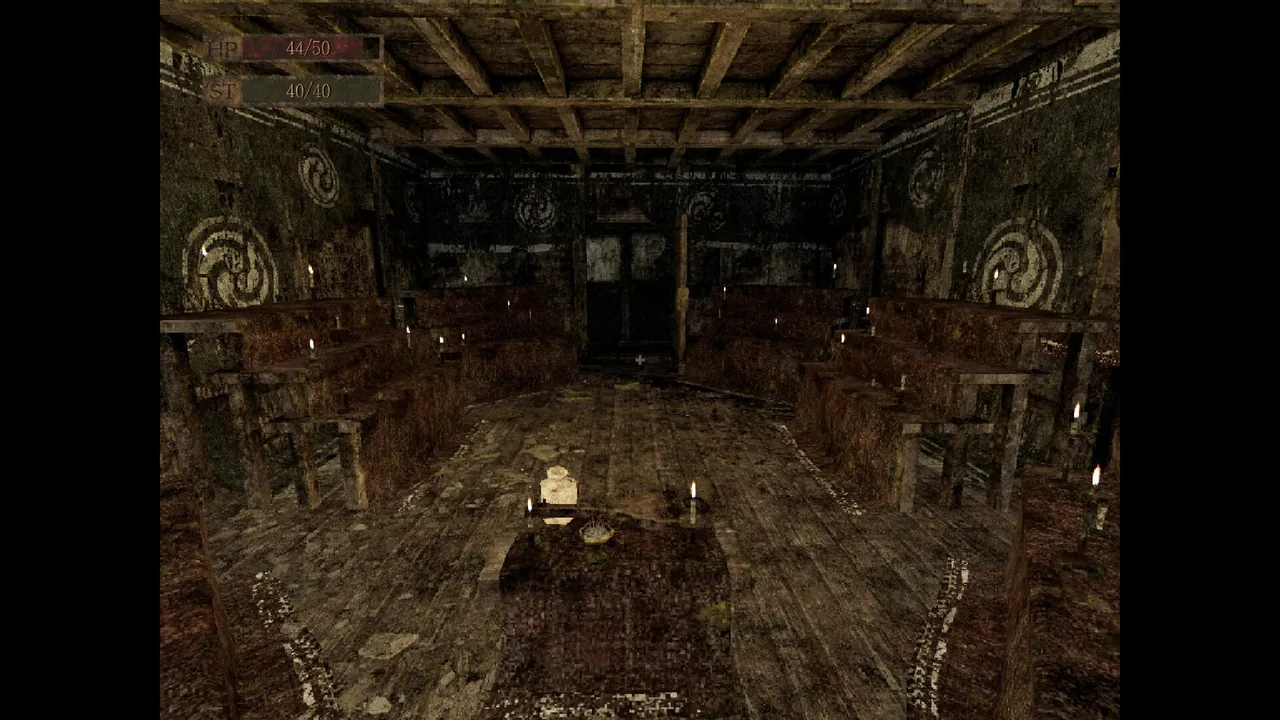
Where the review sample is close to unanimous is on presentation. Reviewers consistently single out the game's sound design, lighting, and grimy, low-fidelity visual style as genuinely unsettling in a way few modern horror games manage, with one reviewer calling the atmosphere "gruesome" and the music "bone chilling," and crediting the "unsettling retro graphics" for selling the dread even before anything threatening appears on screen. Another reviewer, framing the game through a different but equally specific lens, calls it "King's Field + Resident Evil in Feudal Japan," describing it as "a great passion project pulling influence from many other greats" and urging others to "support this dev," a sentiment echoed widely enough across the sample to suggest genuine goodwill toward a solo developer executing a clear, difficult vision.
The opening hours draw particularly strong praise for their pacing and tension. One detailed review describes the game as "weirdly hard and weirdly forgiving," noting that it "starts off pretty merciless, with high pressure scenarios and certain death," but that the actual penalty for dying is minimal, meaning the game "tricks you into being more afraid about healing items than you really need to be." That reviewer credits the eventual mastery of the game's systems, once gear is upgraded and its rules understood, with becoming "much easier in a very satisfying way," precisely the kind of escalating-competence curve that genre fans specifically seek out. A Steam Deck compatibility note from another reviewer, confirming the game "worked extremely well" despite an "unknown" official rating at the time, adds a small but practical point in the game's favour for handheld players.
The back half is where the goodwill runs out
The single most consistent and specific complaint in the review sample concerns what happens after the game's first tower. One heavily upvoted, detailed review states the problem in the starkest possible terms: "the only truly 'finished' part of it is the first tower out of the four you must conquer." Multiple other reviewers, writing independently, describe the same arc in their own words. One recounts being drawn in by "visual and audio presentation and stellar atmosphere" only for that astonishment to be "replaced with frustration" as the game progressed, citing an "abundance" of combat encounters "with no worthwhile reward" once enemies begin spawning in large, endlessly respawning numbers in the later towers. Another reviewer traces an almost identical trajectory, noting the game "starts out so well and oozes atmosphere," but that "everything goes downhill" from the second area onward, citing specific regressions like doors and objects that were interactive in the first level losing that interactivity later, changes the reviewer explicitly argues read as unfinished content rather than intentional design.
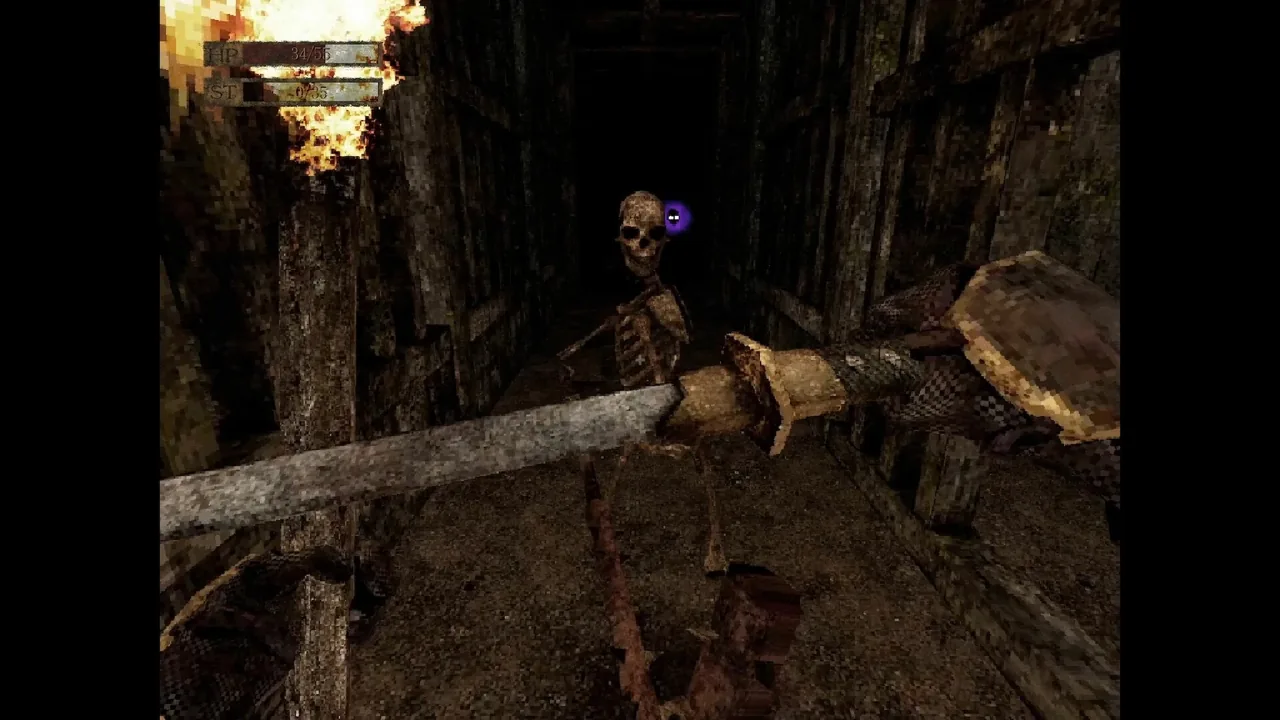
That drop-off compounds with a heavily corroborated complaint about combat feel itself, distinct from the pacing issue above. Reviewers describe attacks that frequently fail to register, a rock-paper-scissors light/heavy/kick system that one reviewer says is "fine" in principle but undermined by AI that "will loop certain attacks and stun lock you," and enemies with damage-soak that feels disproportionate to the reward for fighting them. One reviewer sums up the frustration bluntly: "50% of my attacks don't even register, the enemies are all far too tanky," while wishing aloud that "combat was overhauled somehow or they just added an easy mode." A further, lower-vote but consistent complaint targets the inventory system directly, describing it as "an absolute mess" that offers no sorting despite frequently requiring weapon swaps to counter specific enemy resistances, adding friction to encounters that are already, by this point in the game, widely described as a slog.
Verdict
Labyrinth Of The Demon King is a genuinely impressive act of solo development, and the review sample's Very Positive score reflects real, specific admiration for what one developer managed to build: an atmosphere thick enough that reviewers keep reaching for the same handful of genre touchstones to describe it, and an opening stretch several reviewers finished in a single sitting out of sheer momentum. What keeps this review from scoring higher is that the complaints about its second half are too specific, too consistent, and come from reviewers who otherwise clearly loved the first tower, to dismiss as difficulty-spike grumbling. A game that visibly runs out of finishing time partway through its own structure is not a fatal flaw for genre fans who prize atmosphere over combat polish, but it is a real cost for anyone hoping this would be a start-to-finish showcase of retro-horror craft rather than a brilliant first act followed by a rougher back half.
Pros and cons
Pros
- Widely praised for its atmosphere and presentation, with one reviewer summarising it as "King's Field + Silent Hill + Forbidden Siren," citing "gruesome atmosphere, bone chilling music and unsettling retro graphics," and another separately calling it "Kings Field + Resident Evil in Feudal Japan."
- Praised as a faithful, deliberate recreation of PS1-era design sensibilities, with one widely upvoted review distilling the whole experience as both "pro" and "con" in the same breath: "it's a faithful recreation of PS1-era game design."
- Praised for a strong, gripping opening stretch, with one reviewer describing the systems as "weirdly hard and weirdly forgiving," noting the game "tricks you into being more afraid about healing items than you really need to be," and multiple reviewers separately crediting the first tower specifically as the game's high point.
Cons
- A heavily corroborated complaint holds that content and polish decline sharply after the first area, with one reviewer stating bluntly that "the only truly 'finished' part of it is the first tower out of the four you must conquer," and another separately describing everything going "downhill" from the second area onward, citing level design, enemy placement, and lost interactivity.
- A heavily corroborated complaint concerns combat feeling unresponsive and padded with excessive, respawning enemies, with one reviewer writing "50% of my attacks don't even register" and enemies being "far too tanky," and another separately describing later towers as filled with enemies that "spawn in massive numbers... and also respawn infinitely," turning fights into "a massive slog" with "no real benefit to fighting."
- A fair, corroborated complaint concerns a messy inventory system and general jank, with one reviewer specifically citing an "inventory system that is an absolute mess" with no sorting despite needing to swap weapons often due to enemy resistances, and a separate, lower-vote but consistent complaint about a framerate lock the developers acknowledged and intended to address.
Screenshots
-
Labyrinth Of The Demon KingImage: Top Hat Studios, Inc. via Steam -
Labyrinth Of The Demon KingImage: Top Hat Studios, Inc. via Steam -
Labyrinth Of The Demon KingImage: Top Hat Studios, Inc. via Steam -
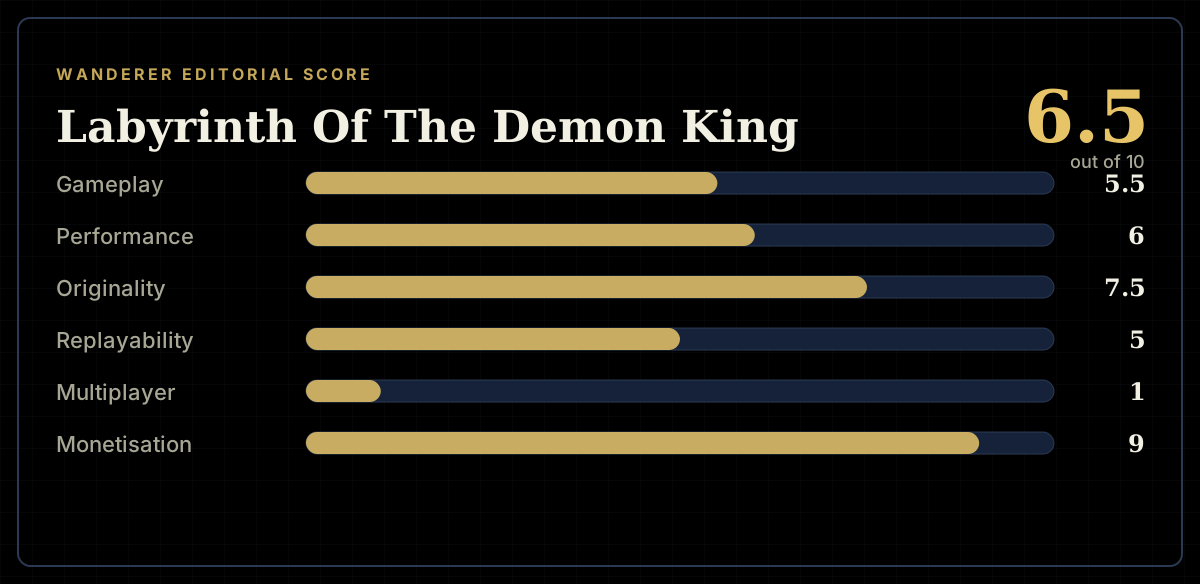
How the review scores each part of the gameWanderer Editorial -
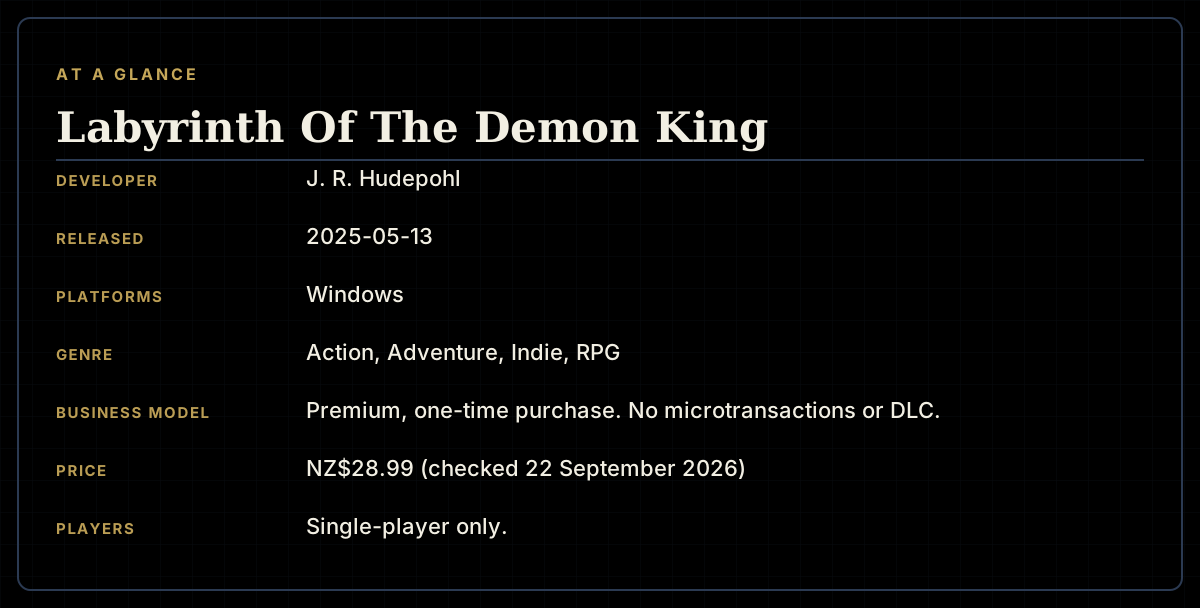
Key facts at a glanceWanderer Editorial -
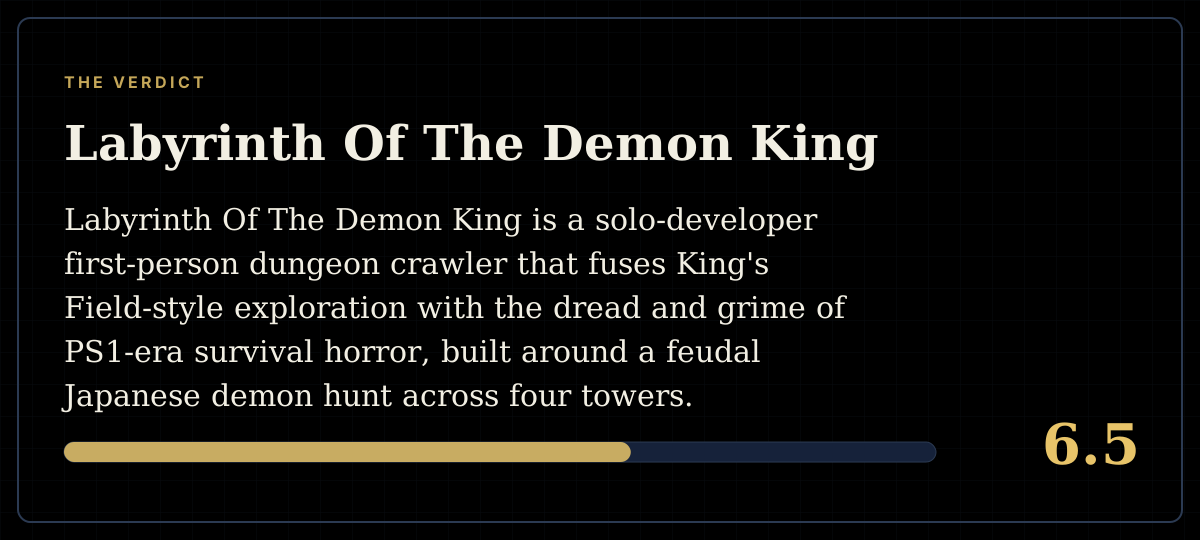
The short versionWanderer Editorial