
Game review
Nemunai
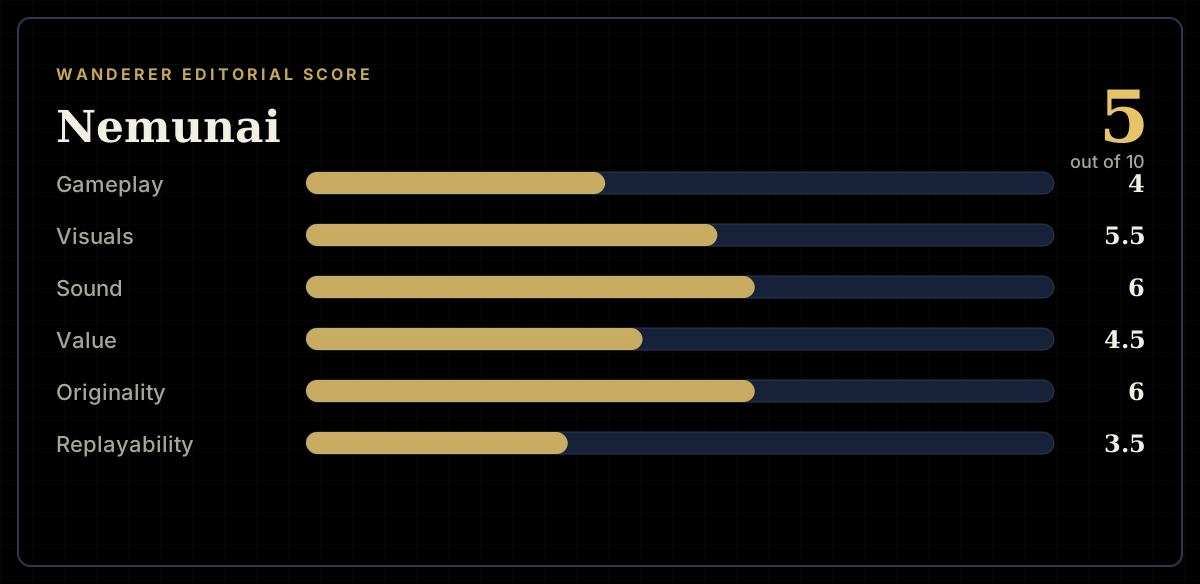
5 / 10
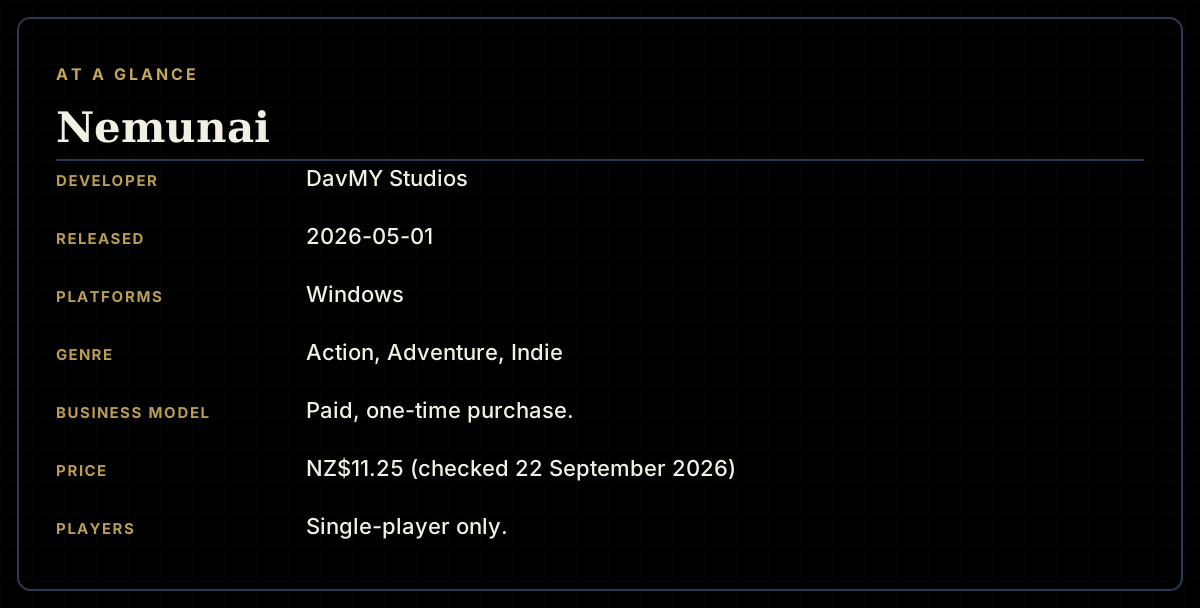
- Developer
- DavMY Studios
- Publisher
- DavMY Studios
- Released
- 1 May 2026
- Platforms
- Windows
- Genre
- Action, Adventure, Indie
- Monetisation
- Paid, one-time purchase.
- Players
- Single-player only.
The short version
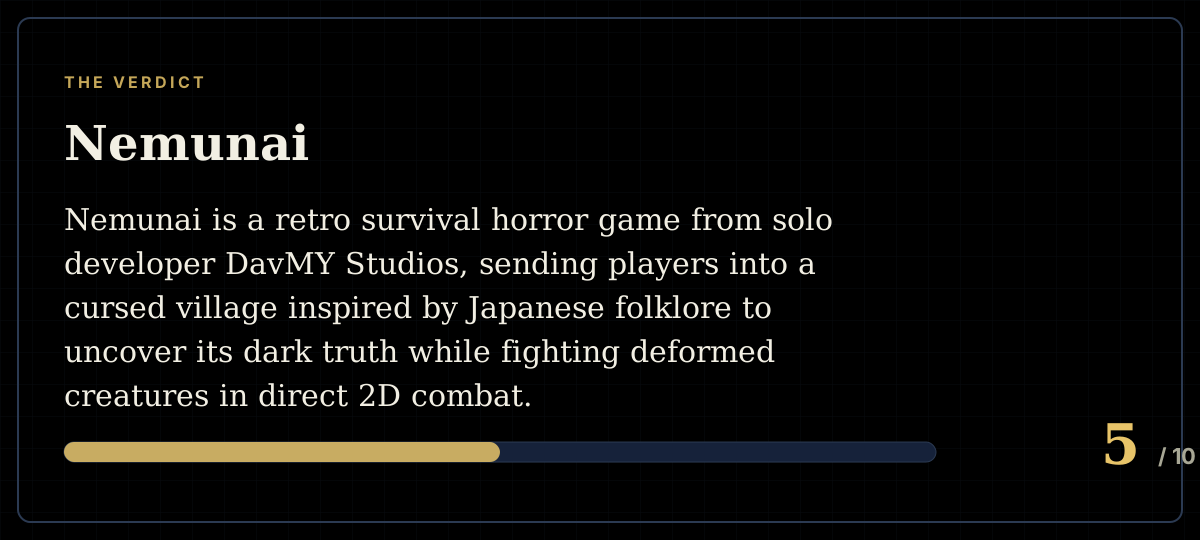
Nemunai is a retro survival horror game from solo developer DavMY Studios, sending players into a cursed village inspired by Japanese folklore to uncover its dark truth while fighting deformed creatures in direct 2D combat. Its extremely small, partly non-English review sample credits an unsettling atmosphere and horror-manga-inflected story, tempered by a fair, corroborated complaint that its combat is shallow and easily exploited.
Biggest strengths
- Praised by one detailed reviewer for capturing a Resident Evil-like survival horror feel with a story reminiscent of horror manga, describing it as "pretty cool" despite its brevity.
- Praised by a second, non-English reviewer for a genuinely tense atmosphere created through the combination of setting and music.
- Praised for a manageable, roughly two-hour runtime that respects players' time even if it leaves some wanting more.
Biggest weaknesses
- A fair, corroborated complaint from two independent reviewers, one English and one non-English, explicitly flagged as such, is that the game's direct 2D combat is shallow, with one reviewer describing it as reducible to "just spam kick to win" and the other wishing the fights had been removed from the story entirely.
- A fair complaint from one detailed reviewer is the presence of minor technical issues, including a cursor bug when changing camera angles and lower frame rates in certain indoor areas.
- This review's own check of Steam's global achievement data shows a comparatively low 22.9 percent of players reaching what its achievement labels as the good ending, against 32.8 percent reaching a bad ending, suggesting the game's better outcome is meaningfully harder to reach than its worse one.
Who it's for: Fans of short, atmospheric retro survival horror who prioritise story and mood over combat depth and are willing to judge from a very small review base; players wanting satisfying, tactical combat should temper expectations.
Our recommendation: A short, moody horror story let down by combat that reviewers found shallow enough to undermine the experience, worth a look only for players who can look past that weakness.
5 / 10
A cursed village, and a fight you may wish you could skip
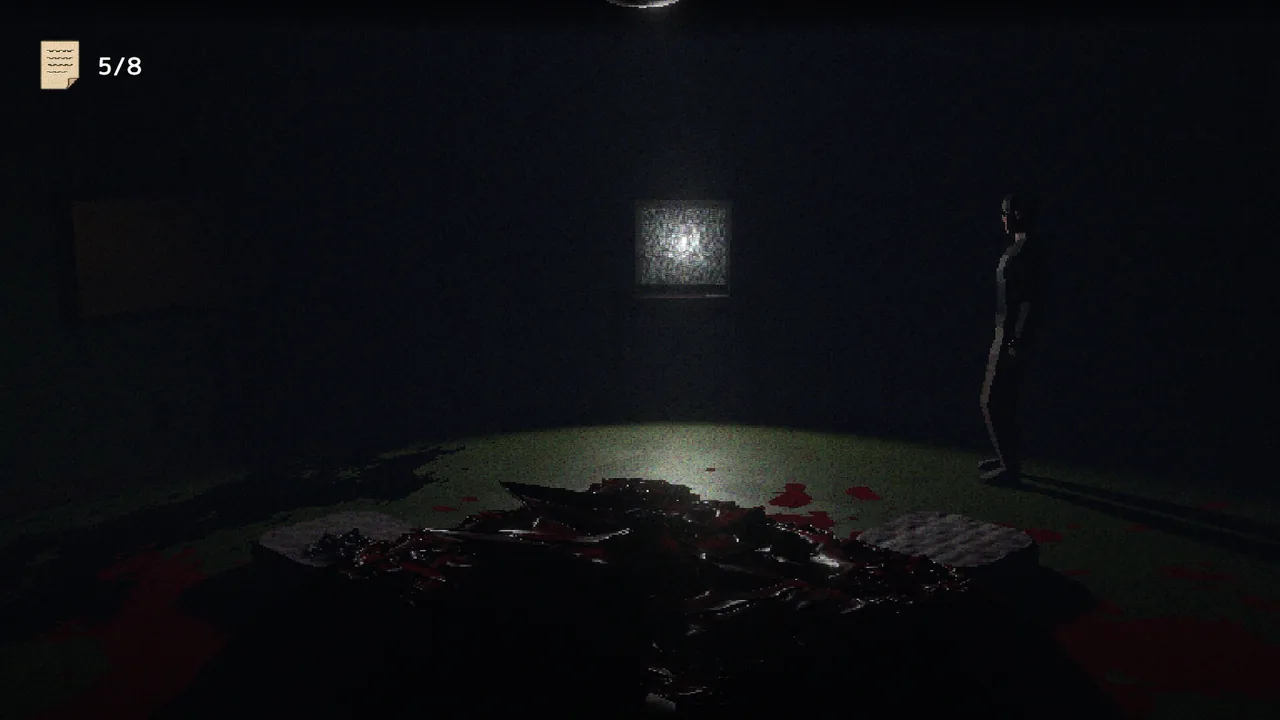
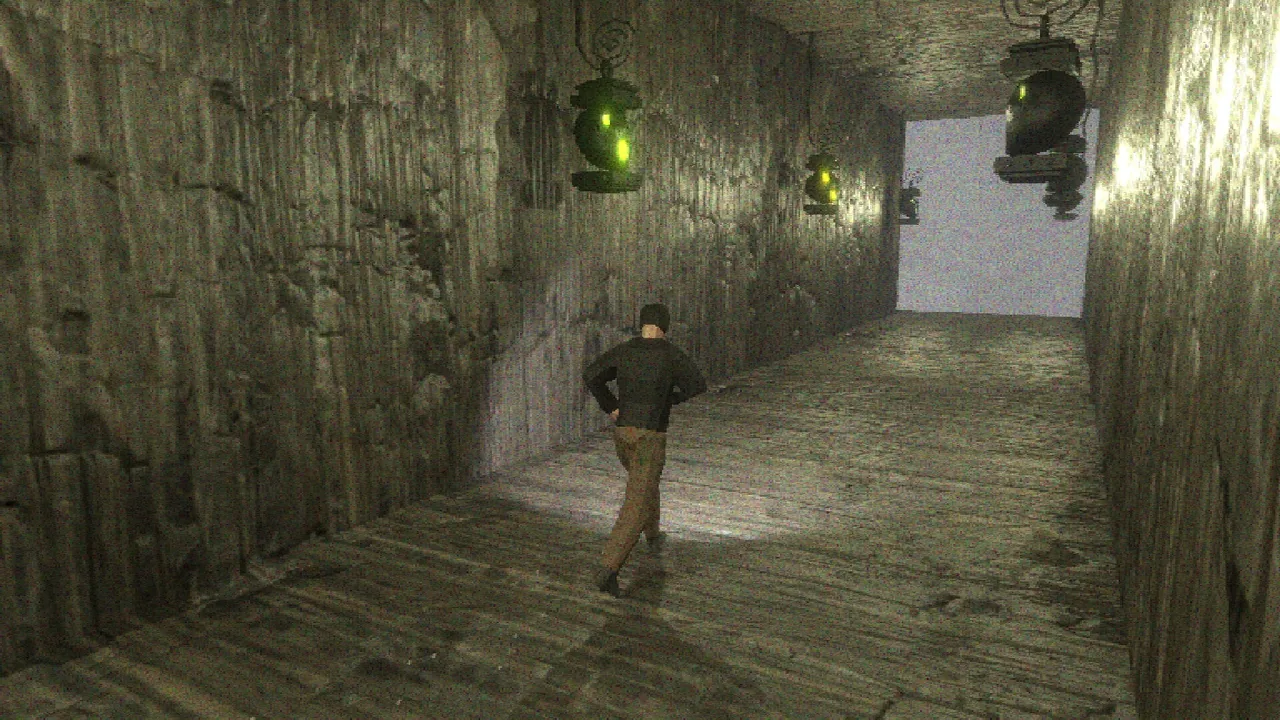
Nemunai is a retro survival horror game from solo developer DavMY Studios, sending players into a cursed village inspired by Japanese folklore to explore, uncover its dark truth, and face deformed creatures in direct 2D fighting-style combat. This review draws on a total review sample of only 3 reviews at the time of research, one of the smallest samples this review has covered, and one that is not entirely in English.
The game's structure leans on exploration and discovery over action, sending players through a compact village setting to piece together what has happened to its residents, before periodically interrupting that exploration with direct, one-on-one style fights against its deformed creature enemies. That structural split, quiet investigation punctuated by combat encounters, is central to understanding why this review's small sample praises one half of the game far more warmly than the other.
Praised for atmosphere and a horror-manga-inflected story
Where this review found praise, it centred on mood and narrative rather than mechanics. "After I played Nemunai I gotta say, it's pretty cool, I finished only 2 hours, it's feel like Resident Evil. Story was like similar from anime or manga Uzumaki," reads one detailed review, written in imperfect but clear English. A second, non-English reviewer independently praises the same general atmosphere in different terms: "Slow game that manages to make you tense with the mix of atmosphere and music," translated from Spanish. This review treats that as fair: two independent reviewers, in two different languages, both converging on the same underlying sense of a genuinely unsettling, well-realised horror mood, is credible evidence of real atmospheric strength, even within such a small sample.
A fair, corroborated complaint about shallow combat
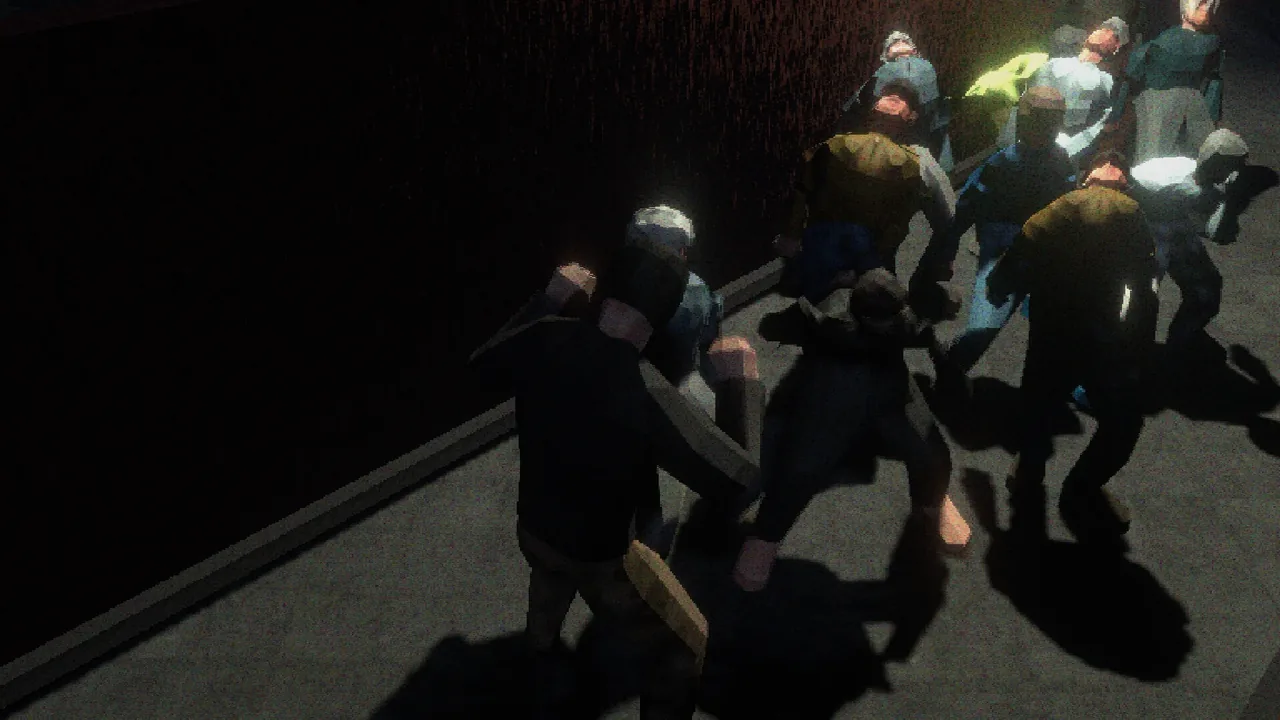
Set against that praise, this review found a specific, repeated complaint pointed at the game's core fighting mechanic. "It's pretty boring. Fighting game with no hitstun, just spam kick to win," reads one blunt, critical review. The same non-English reviewer who praised the game's atmosphere independently raises a strikingly similar concern, writing, translated from Spanish, "I think the fights are excessive and I would have enjoyed the story more without them." This review treats that as fair: two independent reviewers, one in English and one in a second, explicitly flagged non-English language, converging on the same underlying complaint, that the combat undermines rather than complements the game's stronger atmospheric and narrative elements, is credible, corroborated evidence of a genuine design weakness, even though it comes from a review pairing weaker than same language corroboration would provide.
A fair complaint about minor technical issues
This review also found a smaller, secondary complaint about polish from the sample's most detailed review. "When I change camera, sometimes it's show again mouse cursor and also in house, like fridge, there was lower FPS," reads that review, alongside an explicit wish that "it could be more longer story." This review treats that as a fair, if minor and single-sourced, account of rough technical edges typical of an early release from a solo developer, distinct in severity from the more heavily corroborated combat complaint above. Notably, the same reviewer still found the overall experience worthwhile despite these issues, framing the two-hour runtime as a positive on balance rather than a mark against the game, which this review reads as evidence the technical rough edges were genuinely minor rather than experience-breaking.
Achievement data suggests the good ending is the harder one to find
This review's own check of Steam's global achievement data shows only 22.9 percent of players earning the achievement associated with what its name implies is a good ending, against 32.8 percent earning one associated with a bad ending, and 36.6 percent earning one tied to an escape outcome. No reviewer in this small sample discusses the game's branching endings directly, so this review treats that gap as its own independent finding rather than a corroborated one, but flags it as a specific, concrete data point suggesting the game's best outcome is meaningfully harder to reach than a first playthrough might suggest.
A note on this review's extremely small, partly non-English sample
This review draws on a total sample of only 3 reviews at the time of research, and not all of them are in English, an unusually small and mixed base even by the standards of this review's smallest prior coverage. Both of the specific claims raised above rest on just two sources each, including one non-English account, so this rating should be read with real caution until a larger, more English-dominant review base is available. It is worth noting that this review found no dissent at all on the combat complaint specifically: every reviewer who commented on the fighting, in either language, raised the same underlying concern, even though the overall sample size remains too small to treat that agreement as anything more than suggestive.
Final verdict
Nemunai is a short retro survival horror game that this review found genuinely delivers on atmosphere and a horror-manga-inflected story, credit that held up across its small, mixed-language review sample. That credit is significantly undercut by a fair, corroborated complaint that its direct 2D combat is shallow and easily exploited, severe enough that one reviewer explicitly wished the fights had been left out of the story entirely. For fans of short, atmospheric retro horror who prioritise mood over combat depth and can judge from a very small review base, it may be worth a look; players wanting satisfying, tactical combat should temper expectations.
Pros and cons
Pros
- Praised by one detailed reviewer for capturing a Resident Evil-like survival horror feel with a story reminiscent of horror manga, describing it as "pretty cool" despite its brevity.
- Praised by a second, non-English reviewer for a genuinely tense atmosphere created through the combination of setting and music.
- Praised for a manageable, roughly two-hour runtime that respects players' time even if it leaves some wanting more.
Cons
- A fair, corroborated complaint from two independent reviewers, one English and one non-English, explicitly flagged as such, is that the game's direct 2D combat is shallow, with one reviewer describing it as reducible to "just spam kick to win" and the other wishing the fights had been removed from the story entirely.
- A fair complaint from one detailed reviewer is the presence of minor technical issues, including a cursor bug when changing camera angles and lower frame rates in certain indoor areas.
- This review's own check of Steam's global achievement data shows a comparatively low 22.9 percent of players reaching what its achievement labels as the good ending, against 32.8 percent reaching a bad ending, suggesting the game's better outcome is meaningfully harder to reach than its worse one.
- This review's own assessment notes the sample here is extremely small, only 3 total reviews at the time of research and not entirely in English, so the claims above rest on very few independent sources.
Screenshots
-
NemunaiImage: DavMY Studios via Steam -
NemunaiImage: DavMY Studios via Steam -
NemunaiImage: DavMY Studios via Steam -
How the review scores each part of the gameWanderer Editorial -
The specs at a glanceWanderer Editorial -
The short versionWanderer Editorial