
Game review
Fear The Timeloop
7 / 10
- Developer
- TacoEaters
- Publisher
- PlayWay S.A.
- Released
- 30 January 2026
- Platforms
- Windows
- Genre
- Action, Adventure
- Monetisation
- One-time purchase
- Players
- Single-player only
The short version
Fear The Timeloop drops a wounded sheriff into a nightmarish, monster-infested hospital, racing a literal countdown clock while scavenging supplies and piecing together his own past. It wears its Resident Evil 2 Remake and Silent Hill 2 influences openly, and its Very Positive Steam sample agrees the homage mostly works: the atmosphere, level design, and resource-management tension land, and developer TacoEaters has earned real goodwill for patching quickly in response to feedback. Set against that is a striking, repeated pattern in the sample: the timeloop mechanic the game is named after is widely described as barely functional, voice acting draws consistent and often harsh criticism, and technical issues from camera glitches to fluctuating framerate show up across reviews on both sides of the recommendation line.
Biggest strengths
- Level design and atmosphere reviewers repeatedly compare favourably to Resident Evil 2 Remake and Silent Hill 2, with a hospital setting several call genuinely dread-inducing and well constructed for backtracking-based exploration
- Resource management and combat that reviewers across the sample describe as tense and satisfying, particularly a melee baton many single out as surprisingly effective against regular enemies
- A story reviewers broadly call solid to genuinely good, following Sheriff Cooper's fragmented memories, with several praising a specific ending and the way documents and environmental details build out the mystery
Biggest weaknesses
- The sample's most repeated specific complaint: the titular timeloop mechanic is widely described as superficial, with several reviewers saying health items and the loop's binary room-choice puzzle make genuine risk or lasting consequence almost nonexistent in practice
- Voice acting drawing consistent, often harsh criticism, particularly the protagonist's performance, which multiple reviewers describe as distractingly over-the-top shouting that undercuts the game's otherwise strong atmosphere
- A specific, heavily criticised design choice in the sample's most-upvoted negative review: an unkillable "stalker" enemy introduced around chapter 6 that several reviewers say turns exploration into tedious backtracking under constant harassment
Who it's for: Survival horror fans who enjoy Resident Evil and Silent Hill and can tolerate real rough edges from a small studio's first major release, rather than players expecting the specific timeloop hook advertised in the title and marketing to be a central, well-realised mechanic.
Our recommendation: A flawed but sincere and frequently effective survival horror homage worth playing for its atmosphere and level design at a fair price, provided you go in expecting the timeloop concept and voice acting to be its weakest elements rather than its strengths.
7 / 10
Fear The Timeloop casts players as Sheriff James Cooper, who wakes up bleeding in an abandoned hospital with no memory of how he got there and a wound that functions as a literal countdown to death. From there, developer TacoEaters builds a survival horror experience that wears its influences on its sleeve — reviewers overwhelmingly describe it as a loving, over-the-shoulder homage to Resident Evil 2 Remake fused with the psychological weight and surreal storytelling of Silent Hill 2. Its Very Positive Steam rating reflects a review sample that largely agrees the homage lands, even as it's unusually candid, for a mostly positive debut, about exactly where the game falls short of its inspirations.
A love letter that mostly earns the comparison
The dominant praise across the sample centres on atmosphere and level design. Reviewers compare the game's hospital setting favourably to the Spencer Mansion from the original Resident Evil, citing a tightly interconnected map that rewards memorisation and backtracking rather than punishing it, and several specifically call the dread and tension of exploring it genuinely effective. Combat draws similarly consistent praise: the melee baton in particular is repeatedly singled out as a satisfying, resource-conscious alternative to gunplay, and multiple reviewers describe resource management around ammo, healing items, and the countdown-clock health system as producing real, sustained tension, especially in the early chapters before players learn enemy patterns.
The timeloop that isn't
Where the sample turns pointed is on the game's own namesake mechanic. Player after player, across both recommended and not-recommended reviews, describes the timeloop as barely functional in practice: health items are plentiful enough that the risk of "dying" and restarting a loop rarely factors into real decision-making, and one detailed positive review states outright that removing the mechanic entirely would make for a stronger, more focused survival horror game. Another reviewer calls it "false advertising," arguing what's actually delivered is a traditional checkpoint-based horror game with minimal carryover between deaths rather than anything resembling a genuine loop. It's a strange position for a game to be in — winning a Very Positive rating largely despite the concept its title promises, rather than because of it — but the consistency of the complaint across dozens of reviews makes it hard to dismiss as a minority view.
Combat, voice acting, and a rough launch
Beyond the loop mechanic, the sample's most consistent technical complaints cluster around voice acting and polish. Cooper's performance draws particularly sharp criticism, with reviewers repeatedly describing near-constant shouting that several say undercuts tense moments rather than heightening them, alongside supporting cast delivery multiple reviewers call flat or disengaged. Camera behaviour near doorways and tight corridors is flagged often enough to be a pattern rather than an outlier, and framerate inconsistency — one reviewer reports drops from a smooth 60fps down to 30fps within the same session on capable hardware — shows up in reviews that are otherwise strongly positive about everything else. A smaller number of reviewers report more serious issues, including crashes, corrupted saves, and a Steam Deck experience multiple reviewers describe as currently unplayable due to poor optimisation.
The stalker problem
The sample's single most-upvoted negative review singles out a specific late-game design choice: an unkillable pursuing enemy introduced around chapter 6, followed shortly by a second. The reviewer describes the map's layout working against the player once this enemy is active, turning necessary backtracking into a slog of evasion that they say ruined their enjoyment of an otherwise strong game, ultimately leading them to uninstall despite an explicitly stated "high recommendation" for everything preceding that point. Several other reviewers echo variations of the same frustration around chapter 6 and 7 specifically, describing enemy AI and pursuit design as the game's weakest link in its back half, even when they otherwise finished and enjoyed the full campaign.
A developer earning real goodwill
One of the more unusual threads running through the sample is how many reviewers explicitly credit the developer's responsiveness as a reason for their positive score, independent of the game's current state. Multiple reviewers describe reporting bugs directly and seeing them patched within hours, and several "recommended" reviews are framed as updates, with players explicitly noting they switched from negative to positive after a patch addressed specific complaints. That pattern cuts both ways for a review written to reflect the documented Steam record rather than the game's day-to-day patch state: it suggests real improvement is ongoing, but also that a meaningful share of the Very Positive score reflects trust in future fixes as much as satisfaction with the game exactly as shipped.
The AI-use allegation
One detailed negative review raises an allegation worth flagging on its own: the reviewer states that several character voices and some visual assets show clear signs of generative AI use, and argues that the absence of any credit or disclosure for that usage felt deliberately deceptive rather than an oversight. It's a claim made by a single reviewer in the sample rather than a broadly corroborated pattern, and this review has not independently verified it, but it's a serious enough accusation, and specific enough in its framing, that prospective buyers who care about that issue should know it's been raised rather than have it go unmentioned.
Final Verdict
Fear The Timeloop succeeds as a scrappy, sincere survival horror homage — its hospital setting, resource tension, and core combat loop earn real comparisons to genre touchstones, and a demonstrably responsive developer has clearly been listening to its early audience. Where it stumbles is almost entirely self-inflicted: a headline mechanic that its own players say barely registers, voice acting that draws consistent criticism, and technical rough edges from camera jank to framerate swings that a small team hasn't fully ironed out. For survival horror fans able to look past those specific weaknesses, there's a genuinely good game underneath; just don't go in expecting the timeloop itself to be the reason you stay.
Pros and cons
Pros
- Level design and atmosphere reviewers repeatedly compare favourably to Resident Evil 2 Remake and Silent Hill 2, with a hospital setting several call genuinely dread-inducing and well constructed for backtracking-based exploration
- Resource management and combat that reviewers across the sample describe as tense and satisfying, particularly a melee baton many single out as surprisingly effective against regular enemies
- A story reviewers broadly call solid to genuinely good, following Sheriff Cooper's fragmented memories, with several praising a specific ending and the way documents and environmental details build out the mystery
- A developer reviewers repeatedly praise as unusually responsive, patching reported bugs within hours in several accounts and actively engaging with community feedback and forum reports
- Strong value for the asking price cited by multiple reviewers, with several logging 10 to 25 hours or more and describing it as a lot of game for a budget-indie price point
Cons
- The sample's most repeated specific complaint: the titular timeloop mechanic is widely described as superficial, with several reviewers saying health items and the loop's binary room-choice puzzle make genuine risk or lasting consequence almost nonexistent in practice
- Voice acting drawing consistent, often harsh criticism, particularly the protagonist's performance, which multiple reviewers describe as distractingly over-the-top shouting that undercuts the game's otherwise strong atmosphere
- A specific, heavily criticised design choice in the sample's most-upvoted negative review: an unkillable "stalker" enemy introduced around chapter 6 that several reviewers say turns exploration into tedious backtracking under constant harassment
- Technical issues spanning camera glitches near doors and tight corridors, inconsistent framerate, and reports of save-related bugs, crashes, and stuttering that a meaningful share of both positive and negative reviewers mention
- At least one detailed negative review alleges undisclosed use of AI-generated voice and visual assets, a claim the reviewer says was not acknowledged in the game's credits and felt deceptive
Screenshots
-
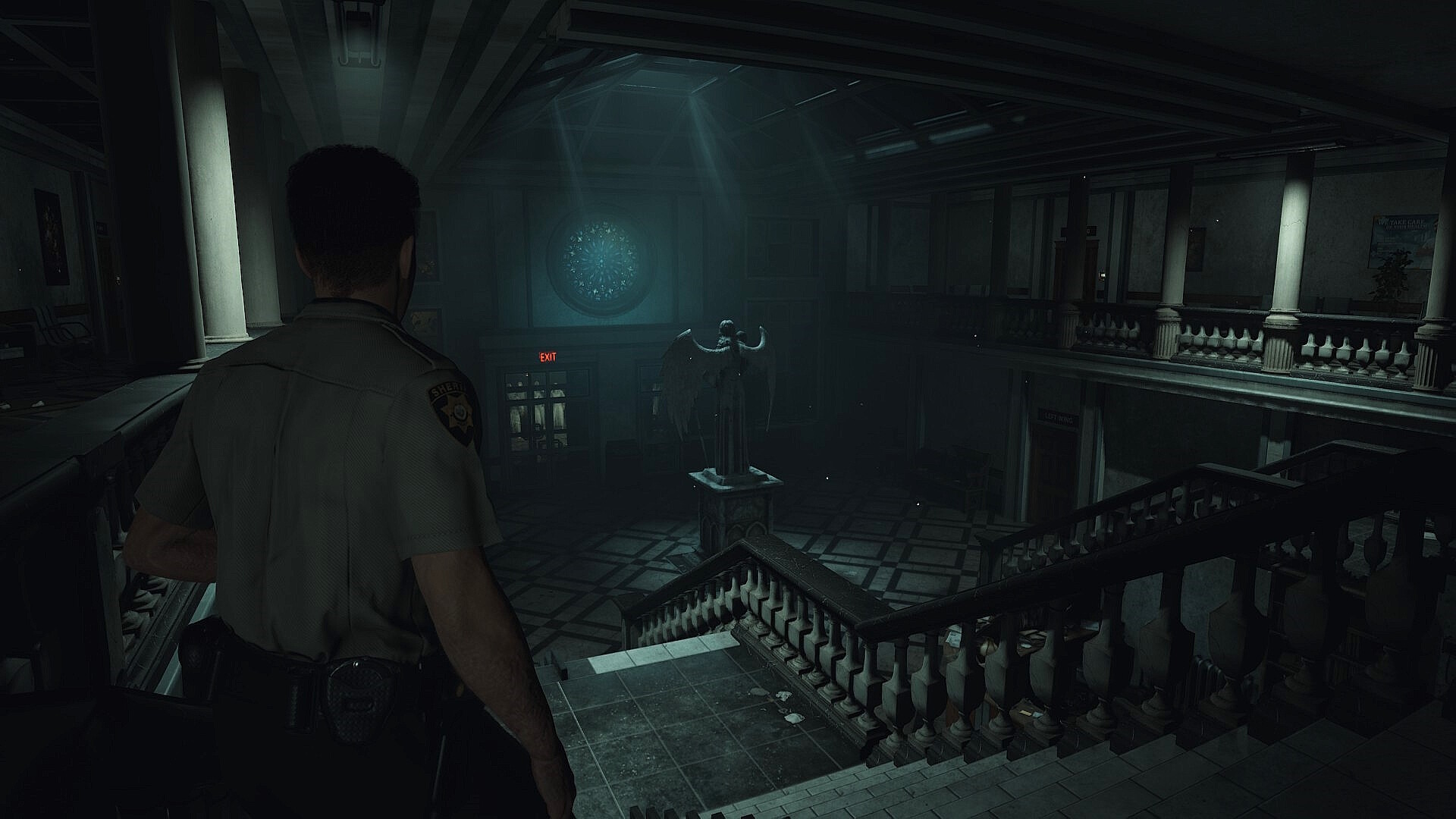
Fear The TimeloopImage: TacoEaters via Steam -
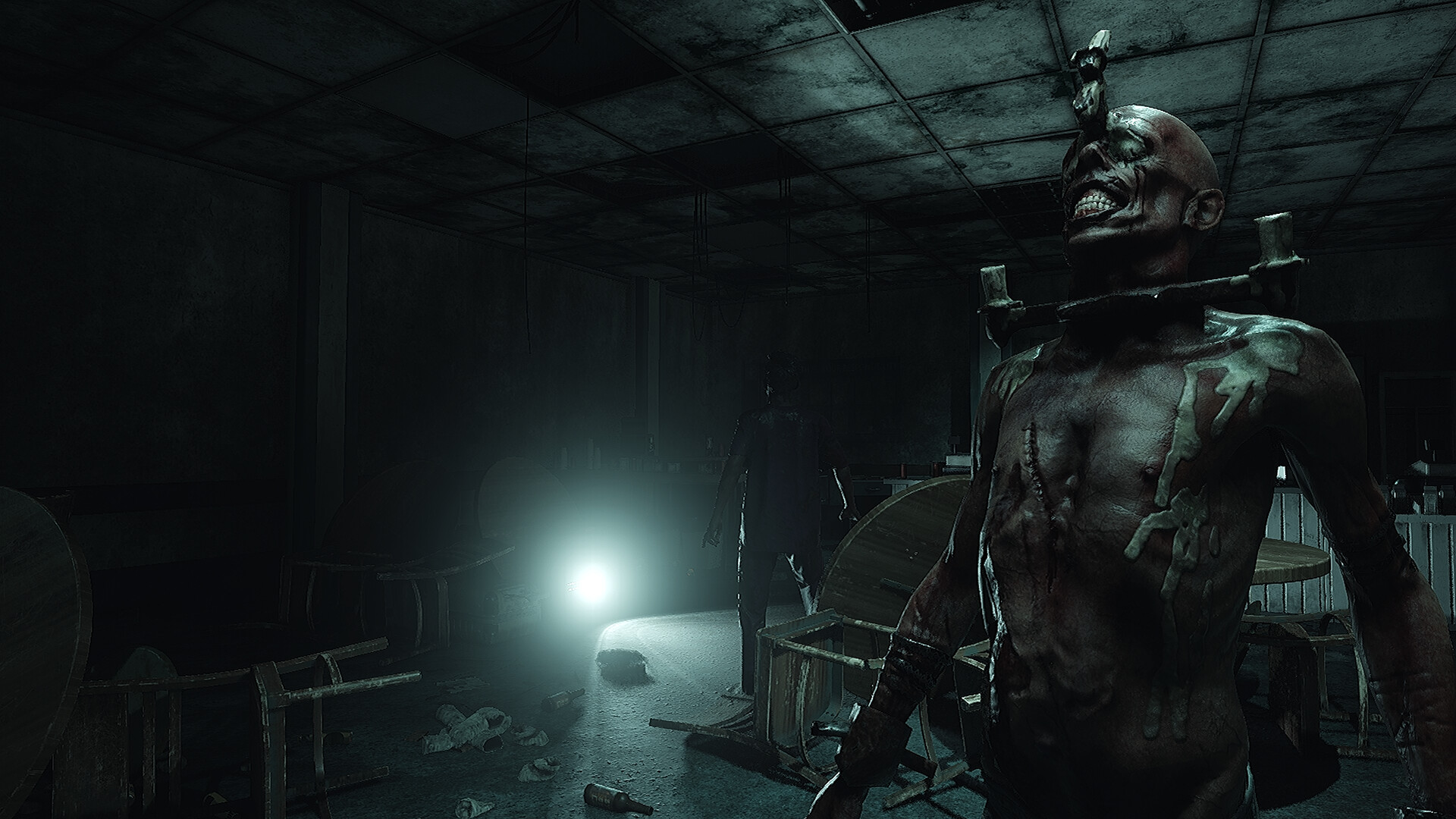
Fear The TimeloopImage: TacoEaters via Steam -
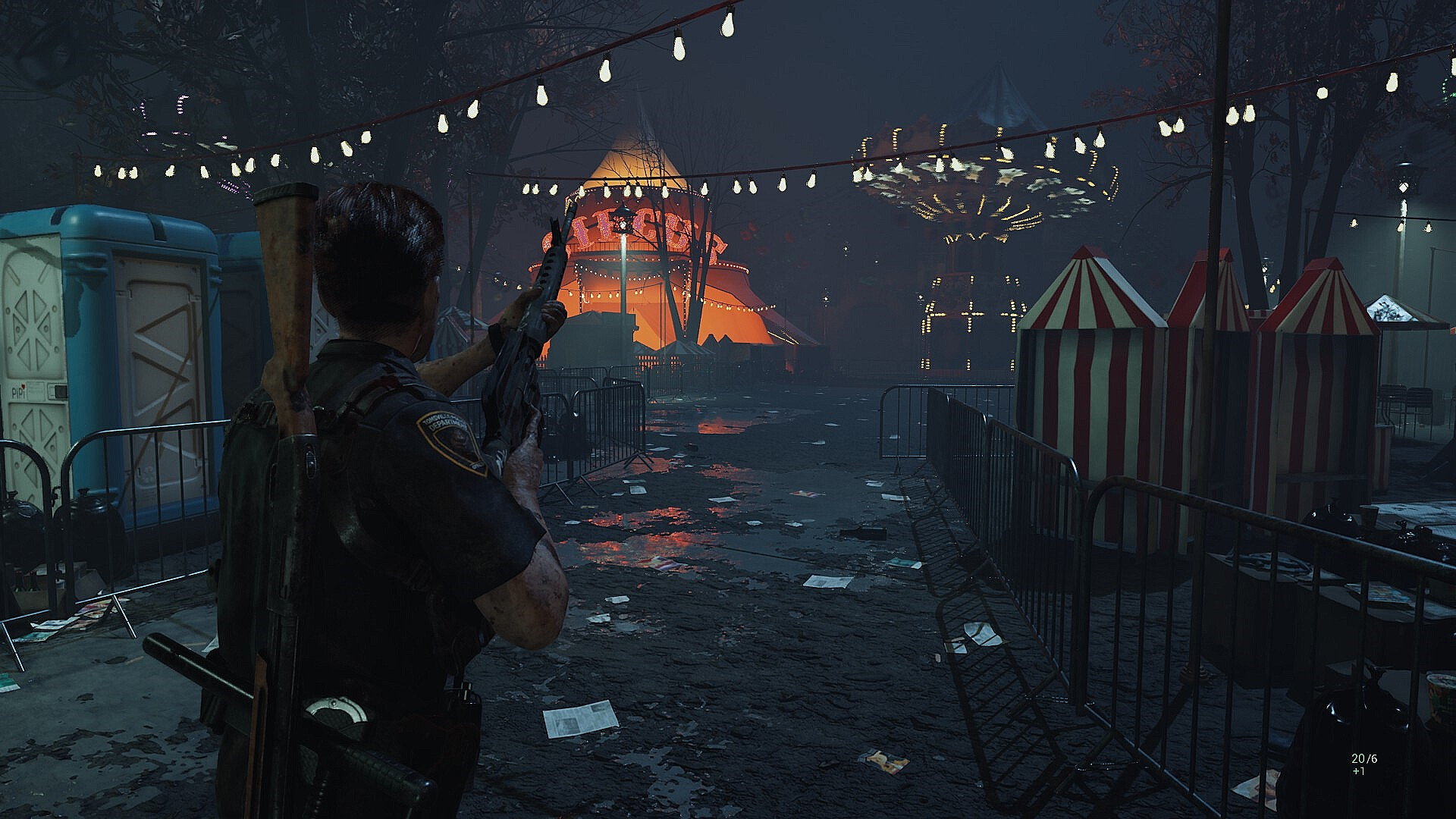
Fear The TimeloopImage: TacoEaters via Steam