Game review
The Island of Doctor Morose Review
7.5 / 10
- Developer
- Square Butterfly Interactive
- Publisher
- Caden Rogers
- Released
- 15 May 2026
- Platforms
- ["Windows"]
- Genre
- Adventure
A Dr. Seuss Picture Book Written By H.P. Lovecraft
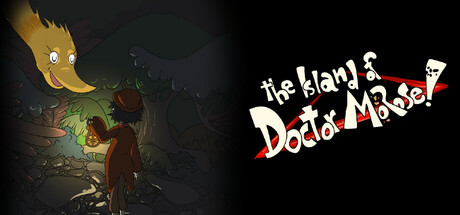
The Island of Doctor Morose, released May 15, 2026 from solo-adjacent studio Square Butterfly Interactive, sells itself entirely on one premise: what if the whimsical, rhyming, wobbly-lined world of Dr. Seuss was actually a Lovecraftian nightmare underneath? The story follows Howard, a rejected applicant to the mysterious Doctor Morose's island research program, who sails to Greatmaw Island alone to find out why his best friend Philip, the applicant who got in, has stopped writing home. What follows is a point-and-click horror adventure told almost entirely in verse, narration, dialogue, journal entries, even death screens all rhyme, wrapped around hand-drawn, Seussian creature and environment art that curdles into something considerably darker the longer you look at it. At $9.99, it's built up a small but overwhelmingly positive following: 104 English-language reviews, 100 positive and only 4 negative, comfortably clearing this review's minimum threshold and giving a clear, consistent picture of what the game gets right and where it stumbles.
The Premise Isn't A Gimmick, It's The Whole Point
What's striking reading through this pool is how rarely anyone treats the Seuss-meets-Lovecraft concept as a shallow hook. Reviewer after reviewer, several writing their own reviews in the game's own rhyming meter as a kind of tribute, described the combination as something that shouldn't work but does. "I never realized until now how well Doctor Seuss's art style worked so well with horror," wrote one, while another called it "a fusion of Wells and Lovecraft with Doctor Seuss' appeal." The game leans on the two touchstones in different ways: the character and creature design borrows Seuss's exaggerated, looping shapes and invented vocabulary, while the plot itself, a scientist's forbidden research awakening something ancient and cosmic, is straightforward Lovecraft. Several reviewers specifically praised how the horror creeps in gradually rather than announcing itself, comparing the experience to the discomfort of rewatching a childhood favorite and noticing something was always slightly wrong with it. One reviewer summed up the appeal bluntly: "The nightmarish world of twists, turns, with made up words like no other," while another called the recurring antagonist, a jangling, unpredictable creature nicknamed "the Moose" by fans, "so much harder to predict" thanks to buggy movement that accidentally makes it scarier. For a ten-dollar debut effort, the concept execution is the one thing almost nobody in this pool disputes.
Hand-Drawn Art In An Era Of AI Anxiety
A second, recurring theme across a striking number of positive reviews is explicit praise for the game's art being entirely hand-drawn, several reviewers raised the point unprompted, clearly reacting to a broader anxiety about generative AI art creeping into indie games. "Everything was drawn by humans and there was no generative ai slop used here," wrote one reviewer, who then wrote an entire rhyming stanza about it. Another wrote, "unlike those AI using chumps," and a third, "In an age where it seems a lot of companies use AI 'art' for their games nowadays, it's really refreshing to see a game that doesn't have that." This isn't a controversy or an accusation, nobody is alleging the developers used AI, it's the opposite: reviewers are specifically calling out and rewarding what they read as a fully hand-crafted art pipeline, treating it as a selling point in its own right. One more measured reviewer did note that the human-drawn art still leans on some asset reuse, particularly for background human characters, calling it an understandable tradeoff for a small team working toward a deadline rather than a flaw.
Puzzle Logic, Tutorials, And Jank Are The Real Sticking Points
The praise for atmosphere and presentation is nearly universal, but almost every review, positive or negative, flags the same handful of specific mechanical complaints. Puzzle design draws the most consistent criticism: multiple reviewers describe having to "brute force" at least one puzzle, particularly a wheel-based mechanism late in the game, after finding no in-game clue toward the solution, and several used the genre's old pejorative directly. "It does all the terrible things old adventure games are known for: Pixel hunting, insane moon logic," read the pool's single most-upvoted negative review, which also argued the horror elements are mostly cosmetic outside of occasional chase sequences. Tutorial clarity is the second recurring complaint, with several reviewers reporting they didn't understand basic mechanics, like dropping inventory items, until well into the game or after consulting outside guides. Text legibility came up more than once too, with one reviewer noting dialogue text shrinks awkwardly on higher-resolution monitors. None of this derailed the overwhelmingly positive reception, but it's consistent enough across the sample to be a real, structural weak point rather than launch-week noise.
Bugs Are Frequent But Reviewers Are Forgiving
The other consistent thread is bugginess: reviewers across the positive-review sample described inconsistent journal entry dates, areas that fail to render correctly, an inventory capacity and stamina system several found more frustrating than fun, and at least one report of a bug that made a good ending functionally unreachable. What's notable is how little this bugginess seems to have cost the game in overall sentiment. Reviewer after reviewer explicitly forgave the jank, framing it as expected from a small, apparently first-time development team rather than a dealbreaker: "The jank may be frequent, there's bugs there and here, but not with the beauty does this interfere," wrote one, while another wrote, "I won't be too hard on the game for it since this is common for indie games (if this were a AAA game, I would be singing a different tune)." The developers also earned repeated praise for responsiveness, with the news feed backing that up: this review counted more than a dozen patches across barely four months, including a same-week "day one" hotfix, several Linux-specific builds, and a substantial content update in July, well past what a one-and-done Early Access cash-grab would bother shipping.
Verdict
The Island of Doctor Morose is a genuinely distinctive four-to-six-hour horror adventure that earns its Very Positive reception almost entirely through concept and presentation: a Dr. Seuss picture book slowly curdling into cosmic horror, told in unbroken rhyme, with hand-drawn art that reviewers repeatedly singled out as a refreshing contrast to AI-generated content elsewhere in the genre. Where it stumbles is exactly where old-school point-and-click adventures traditionally stumble, obtuse puzzle logic, thin tutorials, and a layer of bugs the small team is still visibly chasing down. None of that seems to have dampened the reception; the developers' active post-launch patch cadence suggests those rough edges are being worked rather than abandoned. At $9.99, it's an easy recommendation for anyone who wants a short, weird, memorable horror adventure and is willing to tolerate some jank and a guide open in a second tab.
Screenshots
-
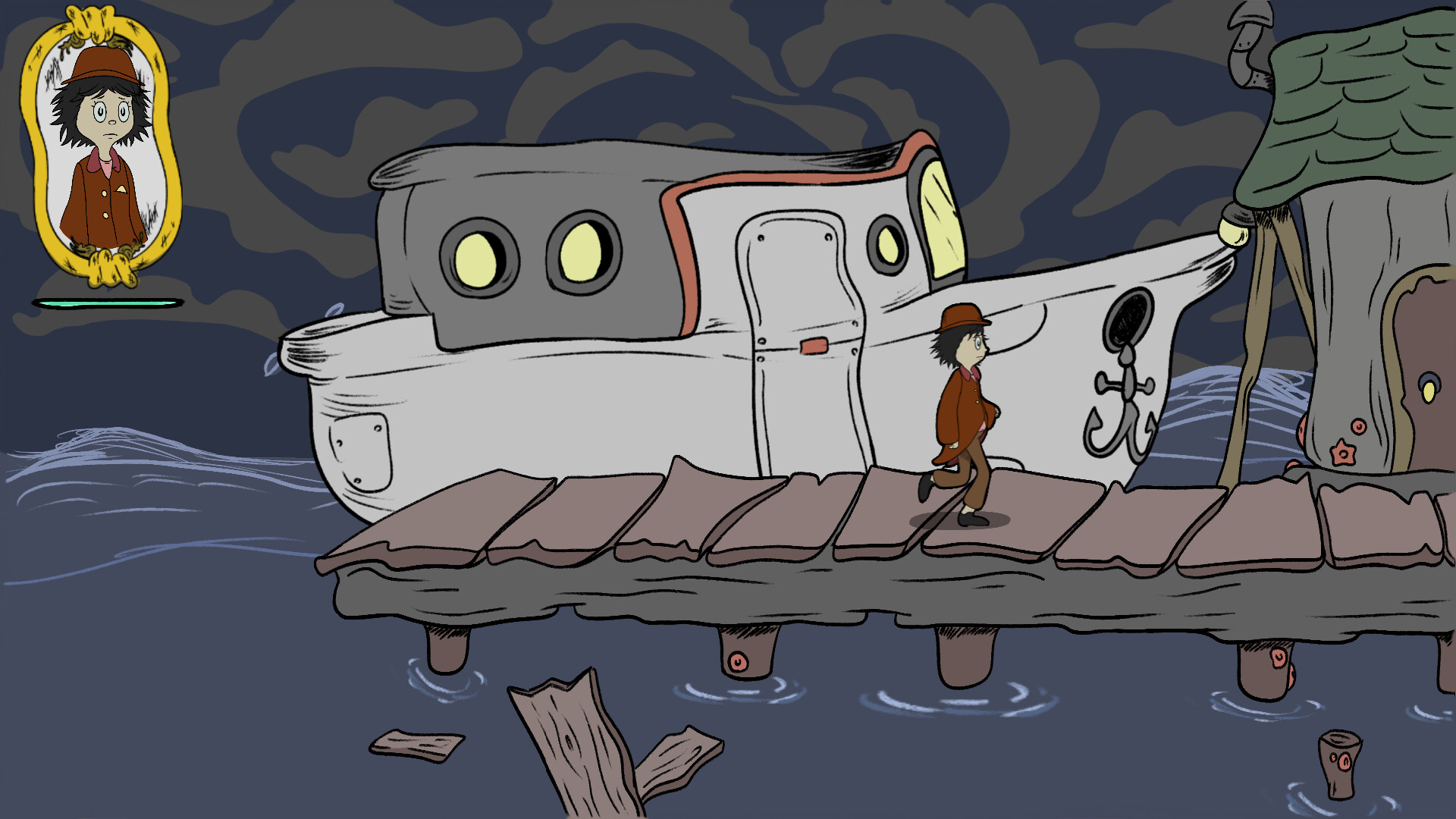
Howard arrives at Greatmaw Island by boat, with a framed portrait of his missing friend Philip watching from the corner of the screen.Image: Square Butterfly Interactive via Steam -
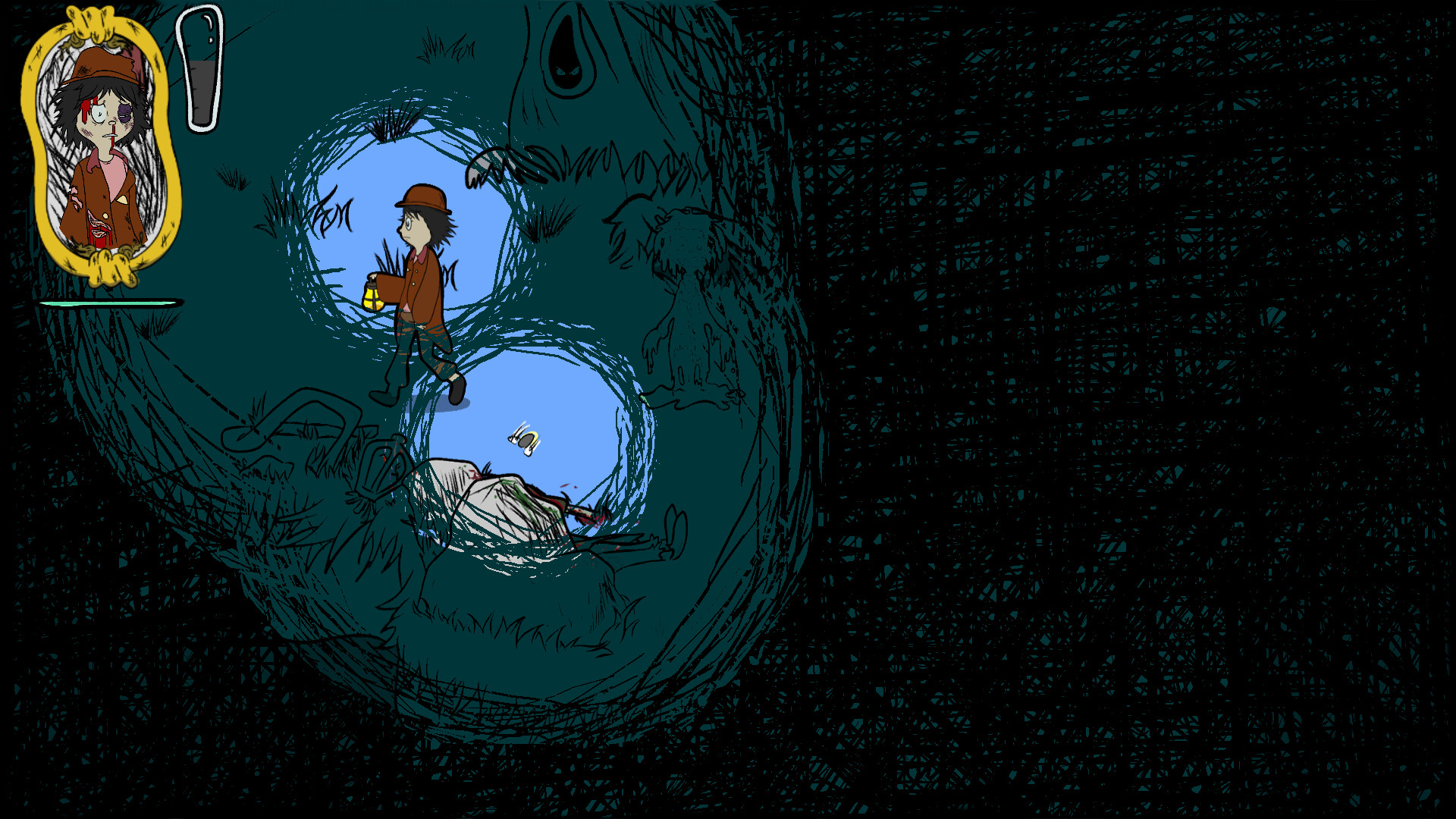
One of the game's nightmarish, hand-scribbled dream sequences, complete with an injured portrait tracking Howard's condition.Image: Square Butterfly Interactive via Steam -
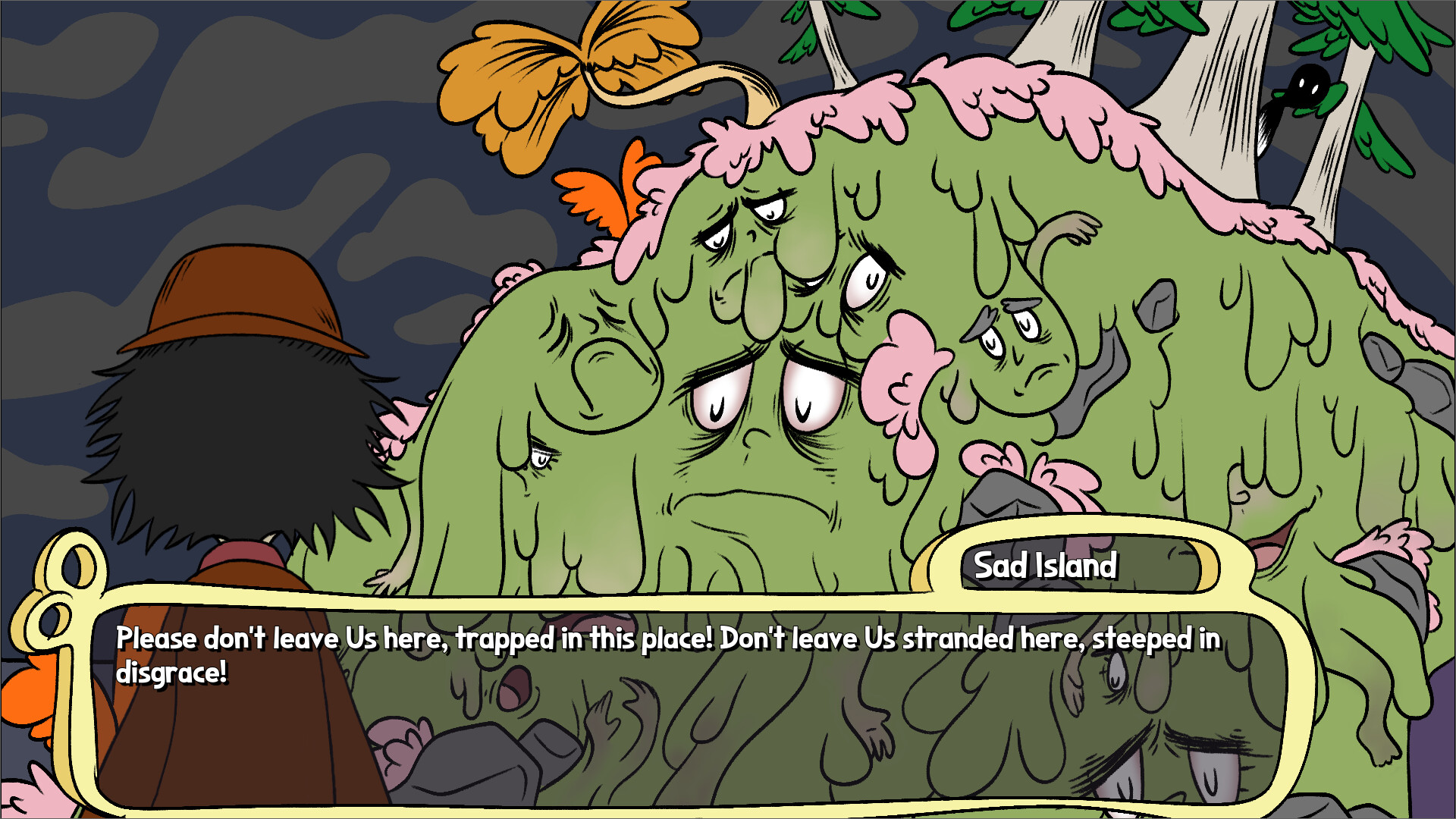
A conversation with one of the island's mournful, Seussian creatures, rendered in the game's rhyming dialogue.Image: Square Butterfly Interactive via Steam