
Game review
Isekai Mage Girl Gacha Pull Simulator: Elemental Card Collection
6 / 10
- Developer
- Violet Soft
- Publisher
- Violet Soft
- Released
- 27 March 2026
- Platforms
- Windows
- Genre
- Simulation / Casual / Indie
- Monetisation
- One-time purchase
- Players
- Single-player
The short version
Isekai Mage Girl Gacha Pull Simulator: Elemental Card Collection is Violet Soft's sequel to "Heroine Academy Gacha Simulator," keeping the earlier game's core loop of grinding currency to pull anime-card gacha while adding a genuinely new wrinkle: a daily price chart for selling duplicate cards that several reviewers describe as turning the game into something closer to a trading simulator. Released 27 March 2026 at $6.99, it draws a heavily Japanese-language sample of 27 lifetime reviews, 20 positive, for a "Mostly Positive" score that undersells how sharply this review's sample is divided between real enthusiasm for the trading layer and real frustration with the underlying grind.
Biggest strengths
- This review's sample repeatedly singles out the new card-trading chart system as a genuine improvement over the developer's prior game, with one reviewer writing 'チャートシステムが秀逸!' (the chart system is excellent) and describing thirty days of price data to read before deciding when to buy or sell as 'really fun'
- This review found several reviewers directly comparing this release favorably to the developer's earlier 'Heroine Academy Gacha Simulator,' with one who called themselves a fan of the original and the Switch version writing they stayed up all night playing this sequel 'until nearly passing out'
- This review's sample repeatedly credits the price as fair for what's offered, with one reviewer specifically comparing it favorably to the cost of a convenience-store lunch box in today's economy, and another calling it good value 'for a one-time purchase' given both the gacha and trading systems together
Biggest weaknesses
- This review's sample raises repetitive-strain concerns directly and repeatedly, with multiple reviewers independently warning of tendonitis (腱鞘炎) from the amount of rapid clicking required to earn currency and pull cards, and one reviewer stating bluntly they would 'definitely' develop it
- This review found a specific, detailed complaint about the AI-generated card art naming an actual example: one reviewer described pulling a nonsensical AI-generated illustration of characters 'playing soccer on a beach' and said the card pool of only 50 designs gave them no sense of excitement, consistent with the store page's own disclosure that character images were AI-generated
- This review's sample includes multiple reports of specific bugs, including in-game currency overflowing to the point where the game registered the player as having no money at all and blocking further gacha pulls, and background vocal music cutting out mid-track during rapid clicking sessions
Who it's for: Players who enjoy gacha-pull dopamine loops and are curious about a card-trading twist on the format, ideally with a controller or a way to avoid repetitive mouse-clicking strain; a poor fit for anyone wanting a substantial card pool, hand-drawn art, or a game that isn't built around repeated button mashing at its core.
Our recommendation: Worth a look at $6.99 specifically for the trading-chart system if the gacha-loop premise appeals, but go in expecting a small card pool, a repetitive core loop, and AI-generated art rather than a substantial, hand-crafted anime card collection.
6 / 10
Isekai Mage Girl Gacha Pull Simulator: Elemental Card Collection asks a simple question: what if a gacha-pull simulator also let you day-trade your duplicate cards? Violet Soft's sequel to "Heroine Academy Gacha Simulator" keeps the earlier game's loop of working part-time jobs for currency and spending it on card pulls, then layers a daily price chart on top, so duplicate cards can be timed for sale like a stock position rather than sold at a flat rate. It released 27 March 2026 at $6.99. This review draws on all 27 of the game's lifetime reviews, 20 positive, for a "Mostly Positive" rating, though the sample itself reads more sharply divided than that headline number suggests.
The trading chart is the real pitch, and reviewers largely agree
This review found the card-trading system repeatedly singled out as the thing that actually distinguishes this release from its predecessor. One reviewer wrote plainly that "チャートシステムが秀逸!" (the chart system is excellent), praising the ability to watch thirty days of price history before deciding when to buy or sell a card. Another reviewer, a self-described fan of the original game on both PC and Switch, wrote they played this sequel "until nearly passing out" from staying up all night, specifically crediting the new trading feature with doubling or tripling what the game lets a player actually do. A third reviewer summarized the shift bluntly: this is "より TGC シミュレーターになっているゲーム" — less a gacha simulator now than a trading-card-game simulator, in a good way.
But the core loop underneath is still repetitive clicking
Set against that praise, this review's sample repeatedly describes the underlying gameplay loop as thin and repetitive on its own terms. Several reviewers use the word "虚無" (emptiness, or void) to describe long stretches of clicking a part-time-job minigame to earn currency, then clicking through gacha pulls, with one describing the cycle as "just button-mashing" that would be better served by a cookie-clicker comparison. Multiple reviewers went further and raised genuine repetitive-strain concerns, warning of tendonitis from the volume of rapid clicking required, with one stating flatly they would "definitely" develop it if they kept playing at that pace.
A specific, named complaint about the AI-generated art
This review checked the store page's own AI Generated Content Disclosure and found it narrowly scoped to "Character images in this game were created using AI." That narrow disclosure is corroborated by a specific, detailed complaint in the sample: one reviewer described pulling a nonsensical AI-generated illustration depicting characters "playing soccer on a beach," and said that with only 50 total card designs in the pool, encountering art like that killed any sense of excitement rather than building it. This review treats that as a useful, concrete data point about execution quality rather than a blanket objection to AI art in principle, consistent with how this review has handled AI-disclosure cases on other March 2026 titles.
Bugs that a few reviewers ran into directly
This review's sample includes a small number of specific, reproducible-sounding technical complaints. One reviewer described the in-game currency overflowing past its maximum tracked value, which then caused the game to register them as having no money at all and blocked further gacha pulls entirely. A separate reviewer described the game's vocal background music cutting out and playing in disjointed fragments during periods of rapid clicking, which they found jarring enough to mention specifically. This review found no evidence in the sample of a patch addressing either issue, and the developer's own partner-events feed returned zero posts, so no post-launch support timeline could be confirmed either way.
A note on review-sample coordination, flagged but not confirmed
This review found one reviewer raising a specific concern worth documenting directly: they observed that several strongly positive reviews appeared in a tight window right after the game's launch, reading as suspiciously similar to one another, and called the pattern "strange." This review has no independent way to verify or refute that observation from the public review data alone, and is not treating it as a confirmed finding, but records it here since a reviewer raised it explicitly and by name rather than as vague suspicion.
A few more specific usability gaps
This review's sample raises two further, more granular complaints worth noting for anyone considering a purchase. One reviewer described certain screens as not supporting mouse control at all, forcing keyboard or controller input in places where a mouse would be expected, and listed it alongside a slow early-game pace as one of the release's rougher edges. A separate reviewer praised the trading and gacha systems together but noted the part-time-job minigames used to earn currency come in only three varieties, and asked directly for more variation there in a future update. Neither complaint is severe on its own, but this review reads both as consistent with the broader pattern here: a genuinely interesting new system, the trading chart, bolted onto systems around it that received comparatively less polish.
Value and completion time
Several reviewers in this review's sample describe finishing the game's full 50-card collection in one to three hours, consistent with a design built around a quick, contained session rather than a long grind. One reviewer specifically compared the $6.99 price favorably to the cost of a convenience-store meal, and several others frame the trading system as adding enough extra engagement time to justify the purchase even after the gacha pool itself is exhausted. This review reads the price as broadly fair for what's delivered, provided a buyer's expectations are set around a short, chart-trading-flavored gacha toy rather than a substantial card game.
Verdict
Isekai Mage Girl Gacha Pull Simulator succeeds specifically where it innovates, its card-trading chart system, and struggles specifically where it repeats its predecessor, a small, AI-illustrated card pool wrapped around a repetitive clicking loop that more than one reviewer connects to real hand strain. At $6.99 it's a reasonable, contained pickup for gacha-loop fans curious about the trading twist, but this review's sample makes clear it isn't the substantial anime card-collecting experience its premise might suggest.
Pros and cons
Pros
- This review's sample repeatedly singles out the new card-trading chart system as a genuine improvement over the developer's prior game, with one reviewer writing 'チャートシステムが秀逸!' (the chart system is excellent) and describing thirty days of price data to read before deciding when to buy or sell as 'really fun'
- This review found several reviewers directly comparing this release favorably to the developer's earlier 'Heroine Academy Gacha Simulator,' with one who called themselves a fan of the original and the Switch version writing they stayed up all night playing this sequel 'until nearly passing out'
- This review's sample repeatedly credits the price as fair for what's offered, with one reviewer specifically comparing it favorably to the cost of a convenience-store lunch box in today's economy, and another calling it good value 'for a one-time purchase' given both the gacha and trading systems together
- This review found the trading system praised specifically for adding strategic depth the prequel lacked, with one reviewer writing the earlier game's gacha-only loop felt monotonous, and that this new trading feature is what makes the sequel 'interesting' by comparison
Cons
- This review's sample raises repetitive-strain concerns directly and repeatedly, with multiple reviewers independently warning of tendonitis (腱鞘炎) from the amount of rapid clicking required to earn currency and pull cards, and one reviewer stating bluntly they would 'definitely' develop it
- This review found a specific, detailed complaint about the AI-generated card art naming an actual example: one reviewer described pulling a nonsensical AI-generated illustration of characters 'playing soccer on a beach' and said the card pool of only 50 designs gave them no sense of excitement, consistent with the store page's own disclosure that character images were AI-generated
- This review's sample includes multiple reports of specific bugs, including in-game currency overflowing to the point where the game registered the player as having no money at all and blocking further gacha pulls, and background vocal music cutting out mid-track during rapid clicking sessions
- This review found one reviewer explicitly noting suspicion about the review sample itself, observing that several near-identical positive reviews appeared in a short window right after launch and calling the pattern 'strange' — this review cannot verify that claim independently, but flags it here as a documented reviewer perception rather than a finding
Screenshots
-
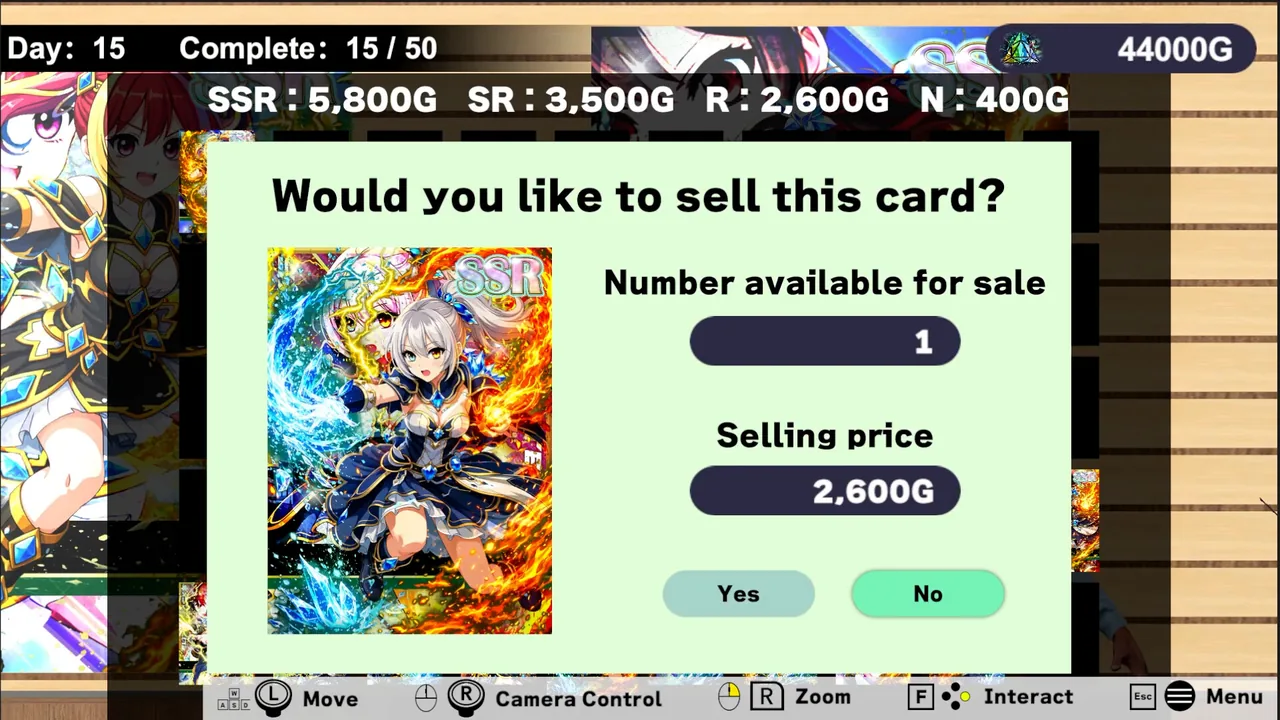
Isekai Mage Girl Gacha Pull Simulator: Elemental Card CollectionImage: Violet Soft via Steam -
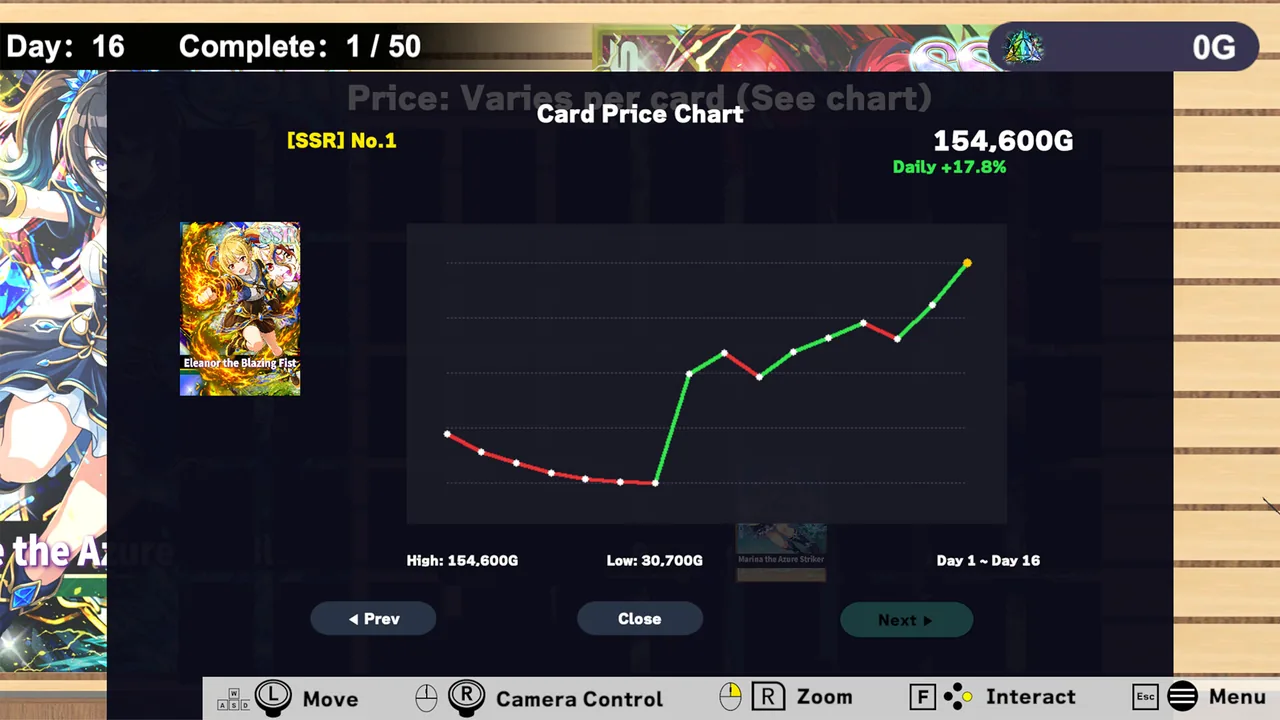
Isekai Mage Girl Gacha Pull Simulator: Elemental Card CollectionImage: Violet Soft via Steam -
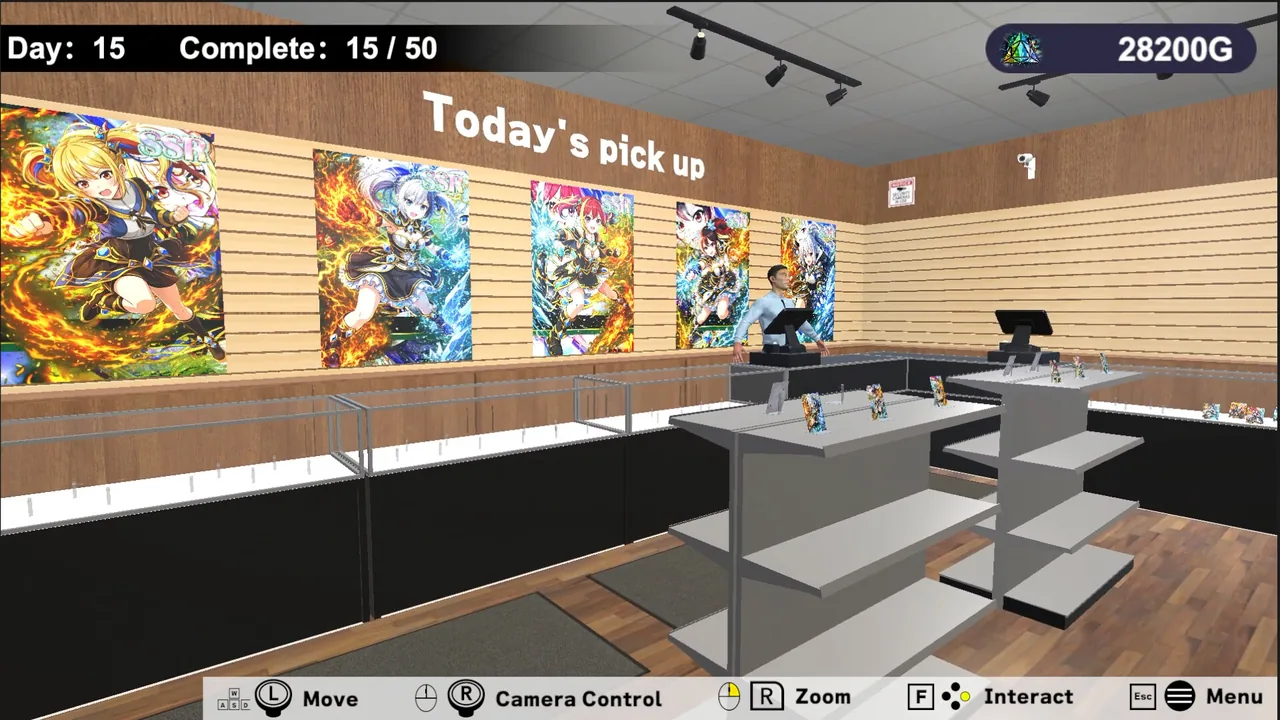
Isekai Mage Girl Gacha Pull Simulator: Elemental Card CollectionImage: Violet Soft via Steam