Game review
In & Out Review
7.5 / 10
- Developer
- KASTEN
- Publisher
- KASTEN
- Released
- 31 August 2026
- Platforms
- ["Windows", "Mac", "Linux"]
- Genre
- Puzzle
A Puzzle Game That Refuses To Explain Itself
In & Out, released August 31, 2026 by solo developer and publisher KASTEN, is a $4.99 first-person puzzle game set inside a cold, clinical facility called Project ISO, where every door is locked behind a room-specific riddle of symbols, numbers, and visual logic, with no tutorial, no hint system, and no narrator to explain any of it. Six of the seven English reviews are positive, and reading them makes clear the premise isn't a gimmick: this is a genuinely obtuse, deduction-first puzzle game that expects players to sit with confusion rather than being walked through it. "This game genuinely made me realize I'm lowkey dumb lol," one reviewer opens, a reaction echoed by nearly everyone in the pool in some form.
Deduction Instead Of Instruction
The core design philosophy, repeated across almost every review, is that In & Out gives players nothing for free. "You're just thrown into each puzzle, which is basically just symbols and numbers, and you have to figure out what they mean yourself," one reviewer explains, while another, who identifies as a game developer, specifically praises how "the puzzles are designed around observation, symbols and deduction instead of" being handed to the player outright. That design choice runs the risk of feeling arbitrary or unfair in lesser execution, but the reviewers who stuck with it consistently describe an internal logic that rewards careful attention rather than blind guessing: "it's tricky, it's difficult, and somehow it's still simple and satisfying," as one reviewer puts it, once the underlying rule of a given room clicks.
Look Outward, Not Up A Walkthrough
The much-discussed hook, that some puzzles nudge players to bring real-world knowledge or research to bear rather than solving everything within the game's four walls, turns out to be more understated in practice than the premise suggests. One reviewer clarifies an initial misunderstanding: "I was a bit confused at first because I thought you had to go to the specific website, but the fun is just figuring out the puzzles yourself and working out what the hint icons could mean." Another reviewer frames the same idea more as a design philosophy than a literal walkthrough requirement, noting the game "does a good job of making you actually pay attention to your surroundings and think about what the game is trying to communicate" without necessarily needing to leave the game window at all. One reviewer's aside, "no, AI isn't going to save you here, so don't bother asking it for help," reads as a joke about the puzzles resisting shortcuts rather than any claim about the game's own production, and is worth noting only because it captures how central the do-it-yourself ethos is to the pitch.
A Cold, Quiet Facility Worth Getting Lost In
Beyond the puzzle logic itself, several reviewers single out the atmosphere as a real strength for a solo-developed release at this price. "The whole facility vibe is really cool," one reviewer writes, describing an environment somewhere between a clinical laboratory and an endless datacenter, exactly the mood KASTEN's own description aims for. That mood pays off socially, too: multiple reviewers mention playing with friends or a group chat piecing together the same symbols from different angles, one calling it "super fun to play with a live group with their different suggestions." A perma-death structure, where one wrong answer can end a run entirely, adds real stakes to a genre that often lets players brute-force their way through trial and error, though it also means the atmosphere doubles as psychological pressure rather than pure set dressing.
One Reported Bug, Not Yet A Pattern
The pool's single negative review raises a real concern worth naming honestly: a camera that got stuck after a failed run, reportedly requiring a full restart the first time and becoming completely unrecoverable the second, alongside a complaint about excessive mouse sensitivity even at the lowest setting. That's a serious-sounding issue for anyone who hits it, but it comes from exactly one reviewer in a pool of seven, with no other review corroborating either the camera lock or the sensitivity complaint, so it reads as a genuine but so-far isolated technical rough edge rather than a widespread problem with the release.
Verdict
In & Out is a small, confident puzzle game that commits fully to a deduction-first design philosophy, refusing to soften its symbols-and-logic puzzles with tutorials or hints, and mostly earning the trust that choice requires from players willing to sit with genuine confusion for a while. Its cold Project ISO atmosphere, perma-death stakes, and social appeal as a group puzzle-solving exercise are real, distinctive strengths for a $4.99 solo release, even if one reviewer's account of a run-ending camera bug is a reason to keep expectations for polish modest until more reviews come in. Puzzle fans who want a game that respects their intelligence, sometimes to a fault, and don't mind occasionally feeling "lowkey dumb" along the way should find this an easy, cheap recommendation.
What makes In & Out worth watching beyond this review is how much room the format leaves for a single developer to keep building without breaking the core promise. Every new room only needs its own internal logic and a fresh set of symbols, no voice acting, no branching dialogue, no expensive art overhaul, which means a committed player base and a responsive solo developer could plausibly turn this into a slow-burn, room-by-room puzzle box that outlives its modest launch price many times over.
Screenshots
-
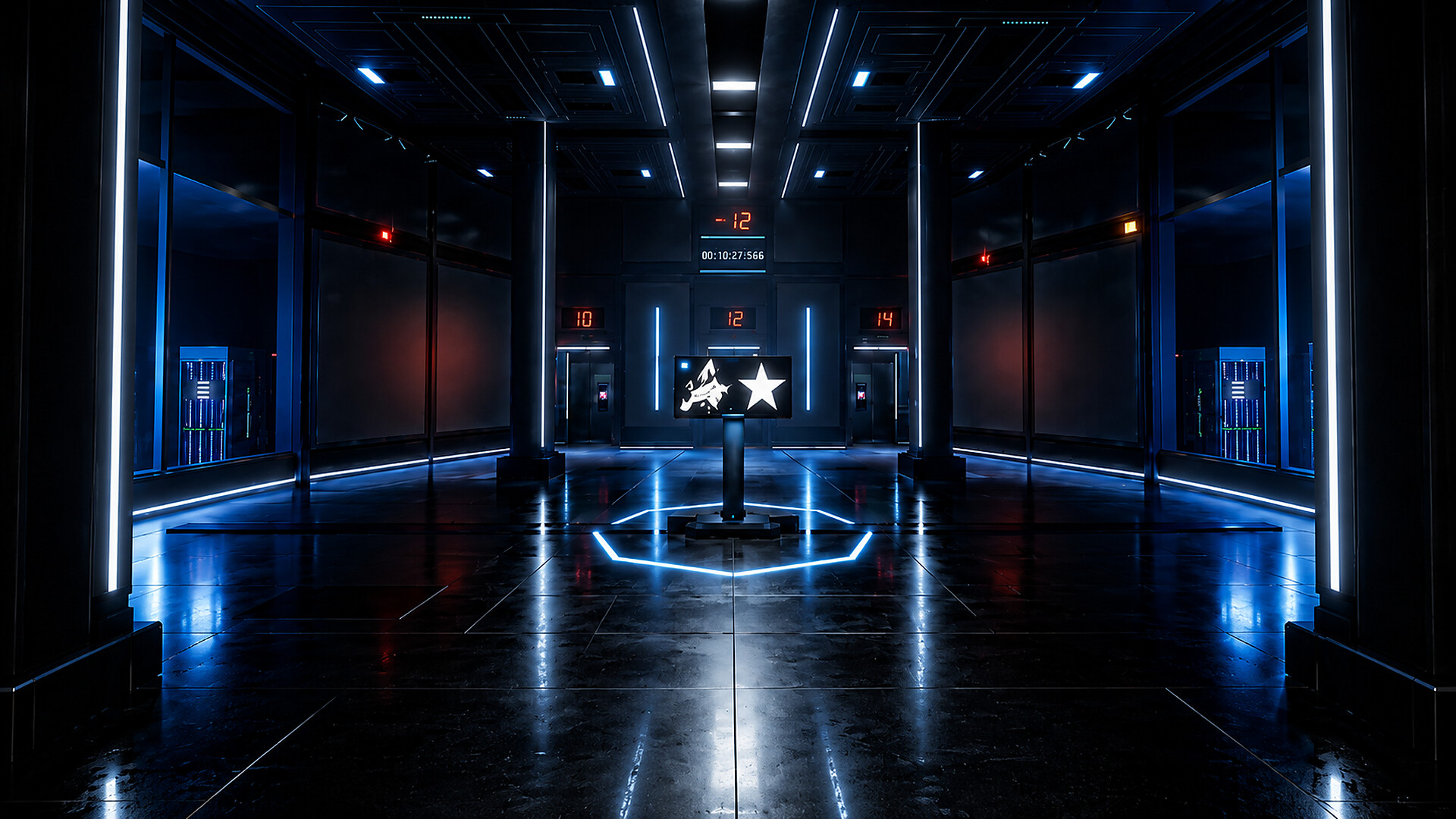
One of Project ISO's numbered hallways, a countdown timer and a symbol terminal are the only clues offered before the next door opens.Image: KASTEN via Steam -
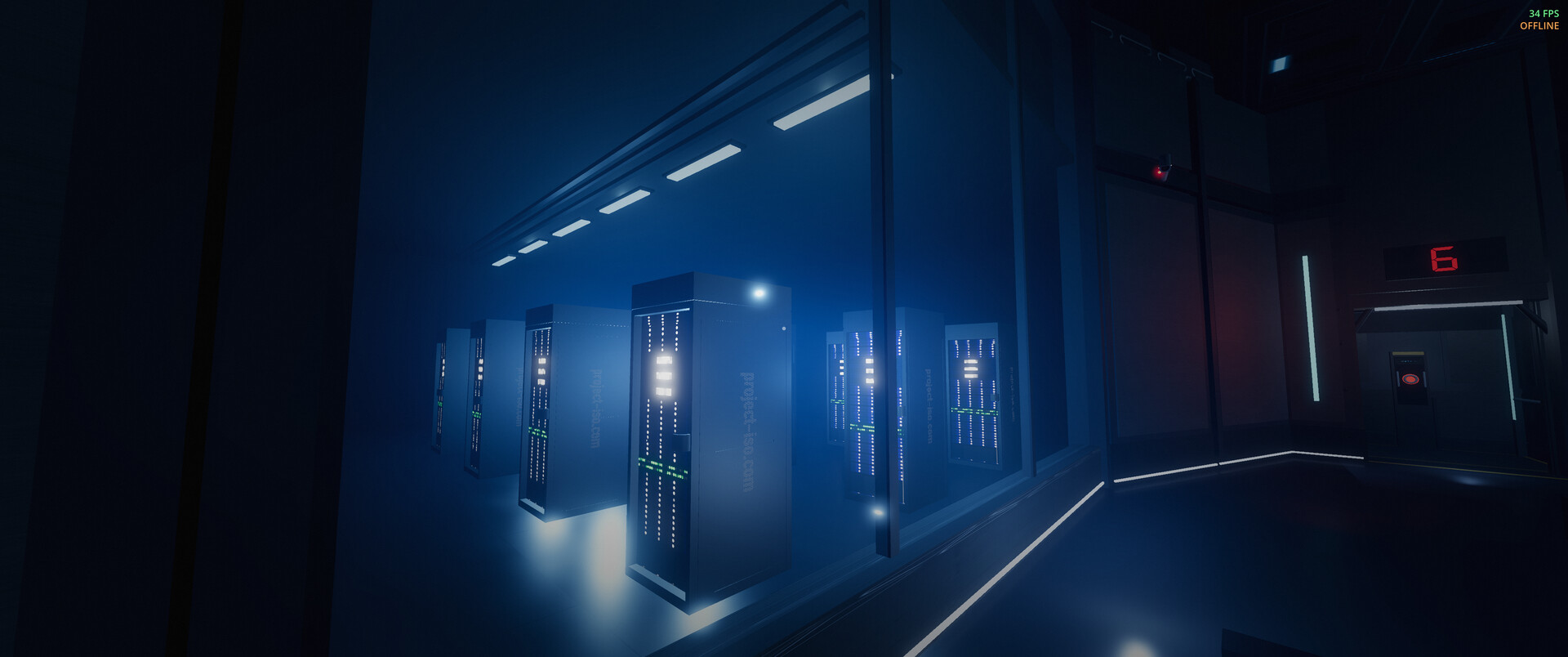
A server-lined corridor deeper in the facility, the project-iso.com branding on the racks is one of several environmental details reviewers say reward close observation.Image: KASTEN via Steam -
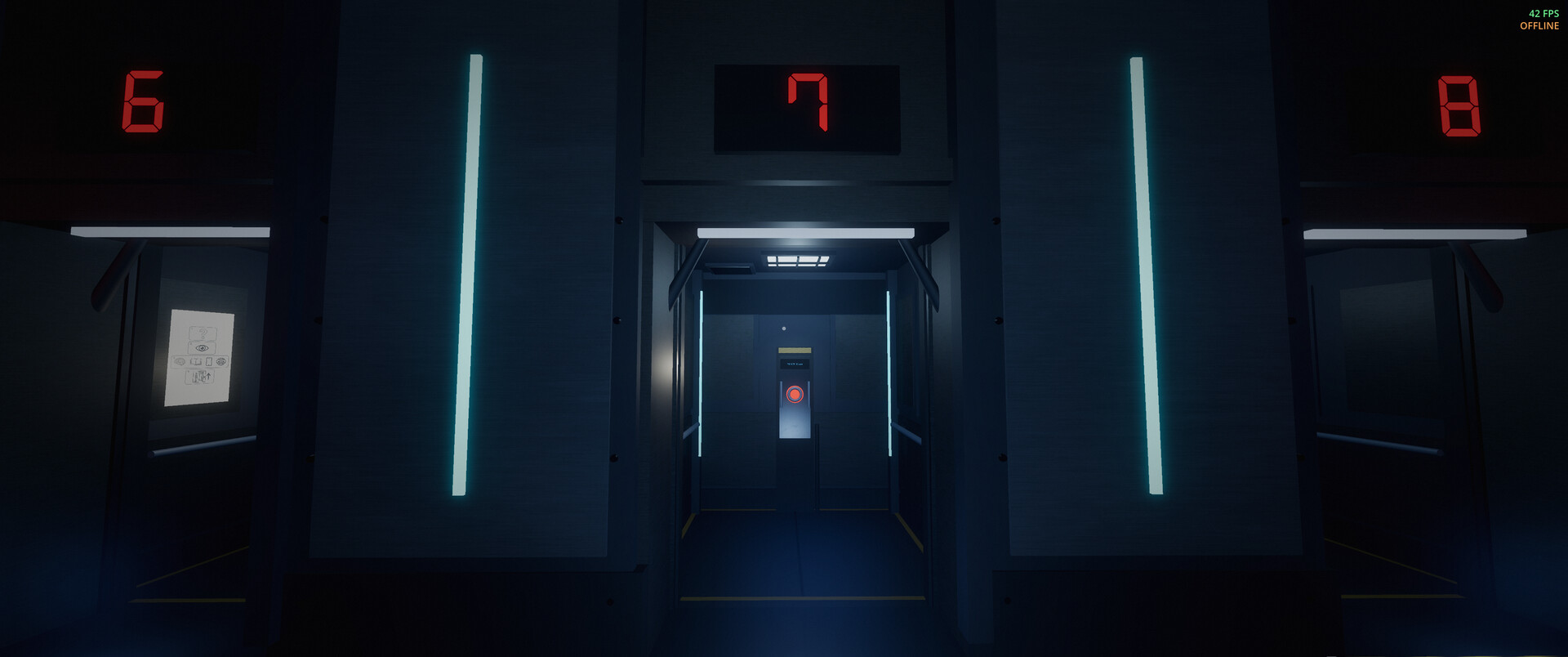
A taped-up diagram beside a numbered doorway, exactly the kind of small, easy-to-miss visual clue the puzzle design hinges on.Image: KASTEN via Steam