
Game review
Dread Neighbor Review
7 / 10
- Developer
- Ghostcase
- Publisher
- Erabit
- Released
- 7 May 2026
- Platforms
- ["Windows"]
- Genre
- Horror
A Second Haunting from the Dread Flats Team
Dread Neighbor launched May 7, 2026 from Ghostcase, the small studio behind the earlier hit Dread Flats, published under the Erabit label. It's a first-person psychological horror game inspired by modern Chinese horror: a young woman moves into a suspiciously cheap old apartment building, and what starts as unease over damp corners and dim hallways spirals into a story told across multiple victims stalked by the same masked killer, each perspective adding a piece to the mystery of what the building actually is. At review time the game sat at 418 all-language reviews (344 positive, "Very Positive") and a 90-review English subset (81 positive, 9 negative), a strong ratio for a short, cheap sophomore release.
Living in Dread Flats' Shadow
Almost every review compares Dread Neighbor to Ghostcase's debut, and the comparison cuts both ways. "Just played this Dev's first game (Dread Flats) and really enjoyed it so it seemed like a no-brainer to get this second game," reads a typical entry point, and many reviewers who loved the first game carried that goodwill straight into the second: "If you liked Dread Flats then you will love this one!" But just as many reviewers rank this one as the weaker of the two: "Shorter than their first game... I think the first one was scarier," and "Not as scary as Dread Flats but still very enjoyable nonetheless." A handful go further and call the drop-off a real problem rather than a minor quibble, one negative review specifically cites disappointment "after having a blast with Dread Flats" as the reason this one "missed the mark." The overall picture is a fanbase largely willing to follow Ghostcase into a second outing, tempered by a real, recurring sense that the scares didn't escalate the way a sequel is expected to.
The Multi-Perspective Structure, Praised and Picked Apart
The game's central structural idea, telling the same building's story through several different victims' eyes, gets consistent praise as the thing that meaningfully separates it from Dread Flats rather than just repeating it. "I really liked experiencing the story from different characters' perspectives," one reviewer wrote, and another called out the way the game rewards a single playthrough with multiple achievable endings without forcing a reload: "The game has multiple endings that can be all completed in a single playthrough so no need to reload anything. Good move there!" But the same structure draws the pool's most common story complaint, several reviewers found the overall plot "all over the place" or "kinda messy," with the connective tissue between perspectives sometimes feeling more confusing than clarifying. One negative review pointed to specific logic gaps in how the killer's abilities and movement worked, "You see someone coming at you with a knife, but you're not going to run, just power walk away," a complaint about character behavior that shows up in gentler form across several other reviews too.
A Divisive Walking Simulator
The single most polarizing word in the review pool is "walking simulator," and reviewers land on both sides of whether that's a compliment. Positive reviews frame the slow pacing as deliberate tension-building: "it is 99% a walking simulator... with the sounds in between and such," one wrote approvingly, while another praised how the game "builds fear through repetition, isolation, and the terrifying mundanity" of the setting rather than leaning on constant jump scares. Negative and mixed reviews read the same pacing as a lack of actual gameplay: "a very simple walking simulator with nothing special going for it, leaning heavily on a few cheap jump scares instead of actual gameplay mechanics," and one especially blunt review dismissed the whole approach as padding, arguing the player isn't given "any agency or even a smidgen of dopamine release until the last 10 minutes." Even reviewers who ultimately recommend the game frequently qualify that recommendation around this exact tension between atmosphere and interactivity.
Bugs, Bias, and a Fast-Answering Discord
A smaller cluster of reviews flags real technical rough edges: one reported the game crashing their PC entirely after a specific jumpscare, another described settings menus that simply don't respond to clicks, and a third ran into a late-game bug where an enemy turned transparent and became unkillable, though that reviewer specifically credited the developer for a quick reply in Discord. Multiple reviewers also disclosed receiving free review copies from Keymailer or similar services ahead of writing their reviews, a detail worth flagging for buyers weighing how much of the review pool's positivity reflects a broad audience versus an early, developer-courted one, though several of those same reviewers went out of their way to note they would have bought the game regardless.
A Setting Reviewers Kept Coming Back To
A recurring, smaller thread in the review pool singles out the game's specific setting as a strength distinct from its scares. One reviewer described it as "a near real life Chinese urban apartment building," adding, "I just kept imagining having to live in that environment," while another credited Ghostcase specifically with "capturing the tension and atmosphere that Eastern horrors are known for." That grounded, mundane backdrop, cramped hallways, flickering hall lights, thin walls, is frequently cited as doing more of the atmospheric heavy lifting than the killer himself, several reviewers noted feeling unsettled just walking between rooms long before anything actually happened. It's a reminder that the game's strongest asset isn't its story logic or its combat encounters but its sense of place, a lived-in, plausible apartment building that reviewers kept describing in terms of real unease rather than genre spectacle.
Verdict
Dread Neighbor is a competent, occasionally uneven follow-up that trades some of Dread Flats' scares for a more ambitious multi-perspective structure, one that mostly pays off but leaves its plot feeling looser than reviewers wanted. Its walking-simulator pacing will be a dealbreaker for players who need more mechanical interactivity from their horror games, and a handful of real bugs and questionable character logic keep it from being a clean recommendation. At $5.99 for a roughly two-hour experience with several achievable endings, though, it's a reasonable, low-stakes way to spend an evening for fans of atmosphere-first indie horror, particularly anyone who already enjoyed Ghostcase's debut and wants to see where the studio goes next.
Screenshots
-
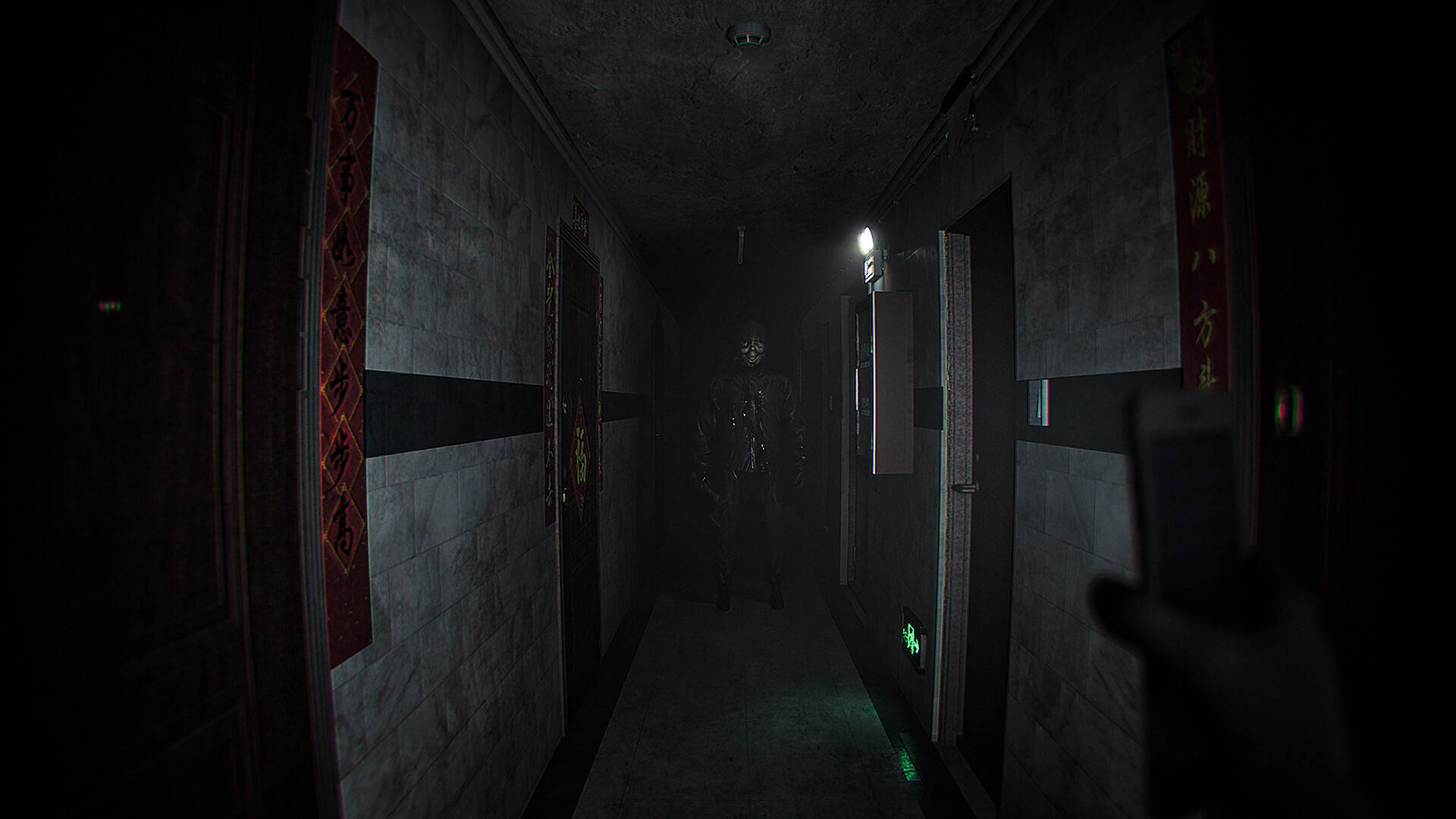
The apartment building's cramped, lantern-lit hallways, the grounded 'this could be a real building' setting reviewers repeatedly singled out as the game's strongest asset.Image: Erabit via Steam -

One of the game's many small, unsettling still-life details scattered through its otherwise mundane apartment setting.Image: Erabit via Steam -
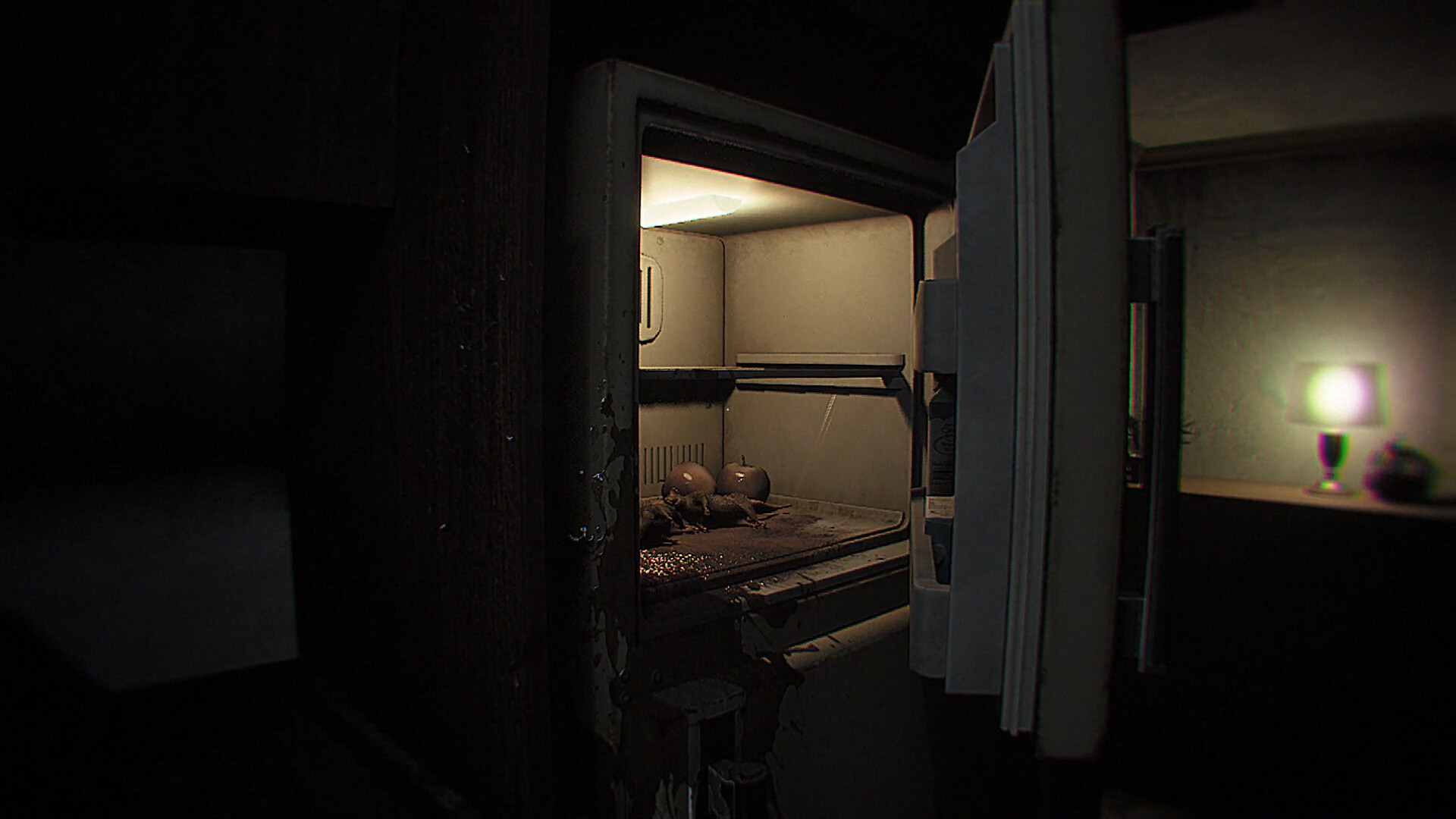
A quietly wrong kitchen discovery, the kind of small environmental storytelling detail reviewers credited for making the apartment feel inhabited and off long before any jump scare.Image: Erabit via Steam