Game review
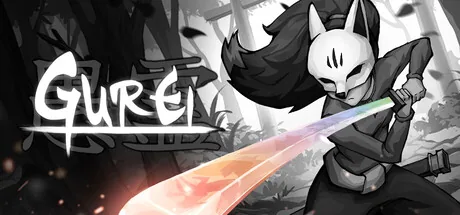
Gurei
7.5 / 10
- Developer
- Lobo Sagaz studio
- Publisher
- Astrolabe Games
- Released
- 22 July 2026
- Platforms
- Windows
- Genre
- Action
- Monetisation
- One-time purchase, no in-game store, no IAP
- Players
- None; fully single-player
The short version
Gurei asks you to defeat ten Kami, mystical nature spirits, in any order you choose — and the twist is that every Kami you leave for later grows stronger, gaining new moves and higher health based on how many you've already beaten. It's a genuinely clever structural idea, and this review's 239-review corpus agrees almost unanimously that the hand-drawn art, fluid combat, and boss variety are excellent: 205 of 239 reviews are positive, an 86% Very Positive score.
But reading through the full English sample and a large translated cross-section of the rest — Simplified and Traditional Chinese, Japanese, French, Russian — turns up one complaint repeated so consistently it borders on unanimous even among positive reviews: a limited-lives system that wipes your save entirely on failure, forcing a full replay of every boss beaten so far just to reach the one that beat you. This review checked Steam's own achievement data, and the numbers back the reviewers up completely — completion-tier achievements sit at roughly 2%, against 55-79% for early wins.
Biggest strengths
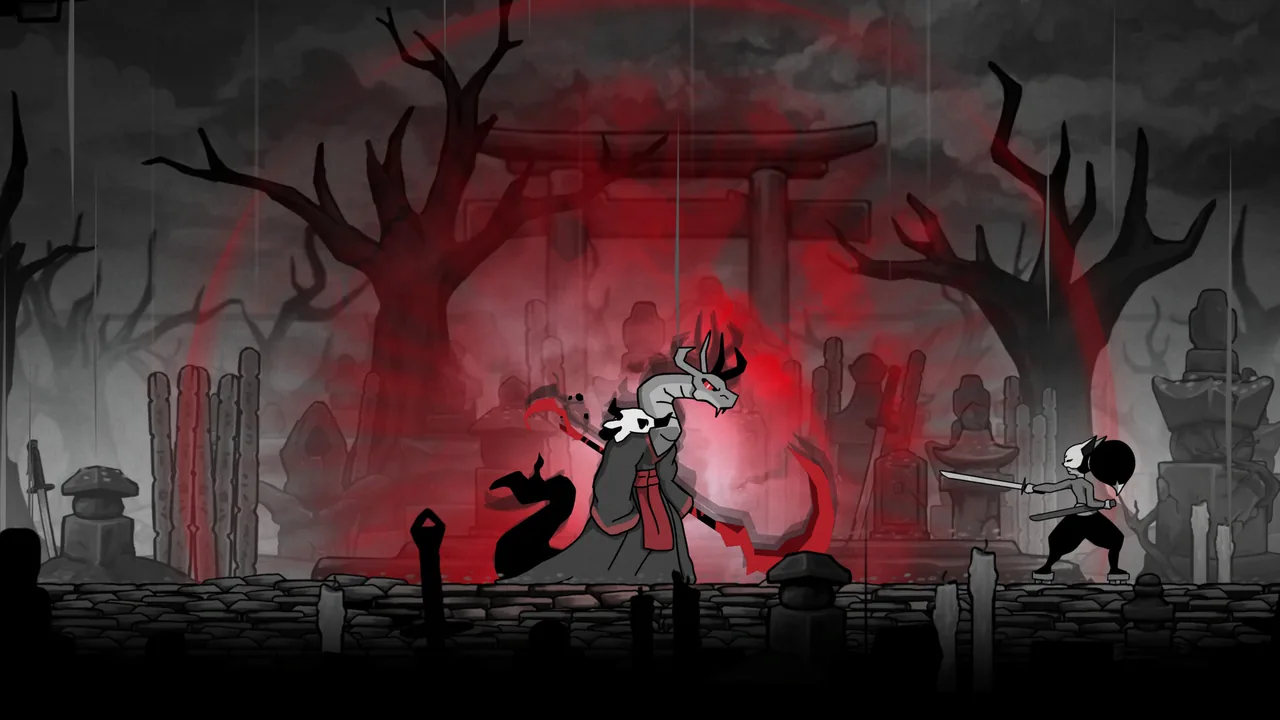
- Hand-drawn 2D art and animation reviewers repeatedly call S-tier, with a distinct colour identity for each Kami boss against a largely monochrome world
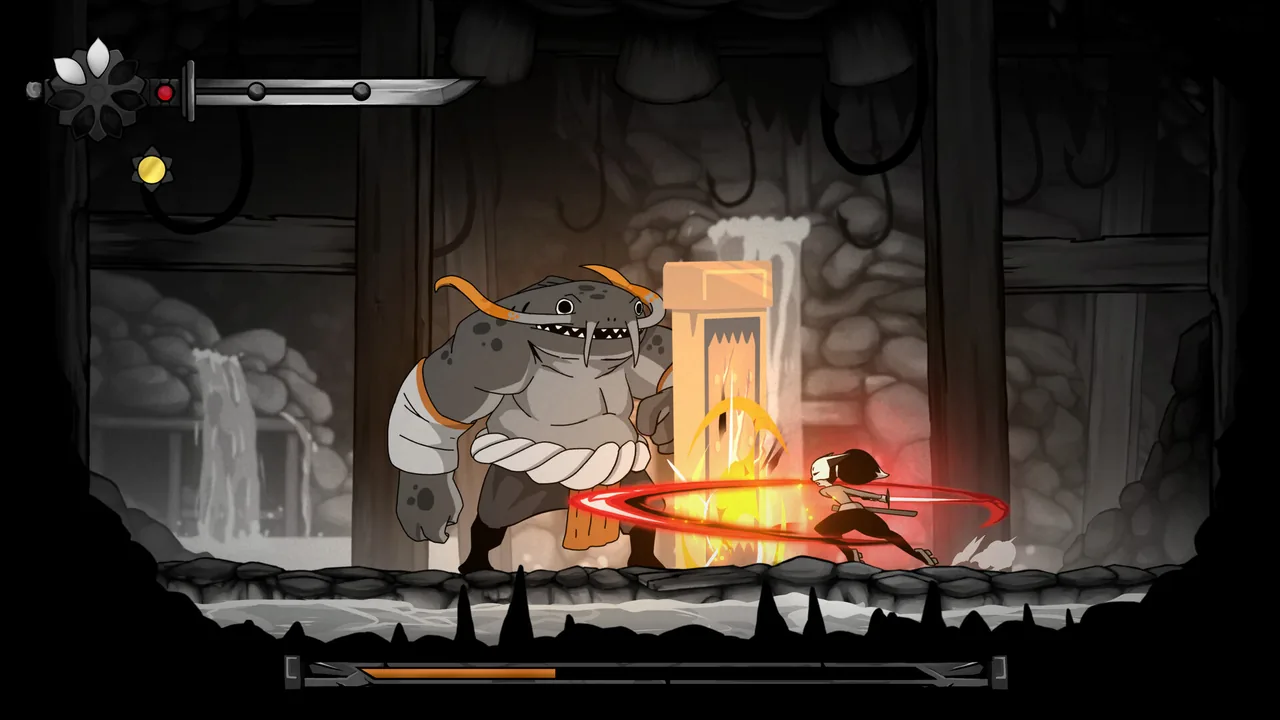
- Tight, responsive combat that multiple reviewers specifically credit for never producing a death that felt unfair or input-related, alongside praised sound design built on FMOD
- A genuinely novel structural hook — bosses grow stronger the later you fight them, based on your own chosen order — that gives real, meaningfully different replay value between attempts
Biggest weaknesses
- The dominant, cross-language complaint: a limited-revives system that permanently deletes your save once lives run out, forcing a full replay of every previously-beaten boss to get back to the one that killed you — described independently and in detail by reviewers writing in Simplified Chinese, Traditional Chinese, Japanese, French, Russian, and English
- Steam's own achievement data confirms just how brutal the wall is: while several early-boss achievements sit between 55% and 79% of players, the game's final completion-tier achievements sit at roughly 2%, and one detailed positive review states outright that "about 95% players will be unable to beat this game"
- Multiple reviewers, across languages, report dodge invincibility frames that feel too short or inconsistent against specific boss attacks, leading to hits that feel unavoidable rather than a result of player error
Who it's for: Boss-rush and souls-like fans specifically drawn to a punishing, high-stakes structure, and anyone who wants a genuinely novel dynamic-difficulty system — go in prepared for one of the hardest completion curves this review has documented.
Our recommendation: Recommended for its craft and originality, with a clear-eyed warning about its single defining flaw — the permadeath-on-exhausted-lives system is not a minor gripe but the central complaint of a large, cross-language share of its audience, and as of this review it remains unaddressed by any post-launch patch.
7.5 / 10
Boss-rush games live or die on two things: how good the bosses actually are, and how the game treats you when you lose to them. Gurei, a hand-drawn 2D action game built around Japanese mythology, gets the first part right by wide consensus — 205 of its first 239 reviews recommend it, an 86% Very Positive score. What this review found reading through the full English sample and a large translated cross-section of the rest is that the second part is where almost every critical voice, in almost every language, converges on exactly the same complaint.
A genuinely clever hook, executed well
Gurei's premise is simple to state and hard to master: ten Kami, mystical nature spirits, can be fought in any order, and every Kami left for later grows stronger — new moves, higher health, more complex patterns — based on how many others you've already beaten. "It's always refreshing to see unique spins on well-established genres," reads one detailed review from a former playtester. "The same Kami encountered at the beginning of one journey could become the final boss of another," notes the developer's own launch announcement, and reviewers confirm the system delivers on that promise: "The order you choose the bosses impacts A LOT how the game plays... reminded me a lot of when I played old Mega Man games, getting new powers and using them against the new bosses."
The craft underneath that structure draws consistent, specific praise. "It's incredibly fun and easily has S-tier art and visuals," reads one review, while another compares the feel directly: "Reminds me of a mix between Hollow Knight (combat wise) and Titan Souls." A reviewer who specifically praised the controls put it plainly: "When i lose, its my fault for not properly reacting to what happened. i have not loss a fight because of input delay or glitches." One detailed Simplified Chinese review, translated, singles out the audio work specifically: even for a small-scale release, the developer used FMOD for its sound design, and the reviewer calls the result "quite deliberate" despite disliking other parts of the game.
The complaint that crosses every language in the sample
Here's where the picture turns. This review read all 32 of the game's negative reviews across every language Steam reported reviews in, and one specific mechanic dominates nearly every single one: Gurei gives you a limited number of extra lives, gained one per boss defeated, and when they run out your save is permanently deleted — sending you back to the very beginning to re-clear every boss you'd already beaten, just to get another shot at the one that stopped you.
The complaint recurs almost word-for-word across languages entirely independent of each other. A detailed Traditional Chinese review, translated: "I really hate this setting of having to fight everything from the start again once you're out of lives." A Japanese review, translated, calls it the game's only real flaw: "If the retry design — this being almost the only real flaw — were improved, I'd buy it." A French reviewer, translated, agrees despite loving everything else: "The game has a lot of positives. It's beautiful, it's fluid, the combat is varied... but damn, there are things to say about the gameplay" — going on to name the save-wipe system directly. A Russian review, translated, is blunter still: "The only mechanic in the game is spamming bosses... boring and uninteresting." And in English, one reviewer writes: "If I had known the game was designed to be nearly impossible to beat, I wouldn't have bought it... There really ought to be a practice mode."
What makes this more than a vocal minority is that even strongly positive reviews concede it directly. One detailed English review gives the game only a "tentative recommendation," writing plainly: "I'm going to be frank, about 95% players will be unable to beat this game. I myself have resolved not to because it's simply not worth the hassle." That's a five-star-adjacent reviewer stating, in their own recommendation, that the overwhelming majority of buyers won't finish it.
What the achievement data actually shows
This review checked Steam's global achievement percentages to see whether that 95% figure was hyperbole or roughly accurate, and the data lines up closely with what reviewers describe. Several early-boss achievements sit between 55% and 79% of all players who own the game — a normal spread for an early boss-rush encounter. But the tier of achievements that reads as true completion — including one named simply "Mastery" and another "Acceptance" — sit at 2.7% and 2.1% respectively. That's a steep, near-vertical drop-off consistent with a design where losing late in a run doesn't cost you progress on that run alone, but the accumulated work of every earlier attempt.
The smaller, still-real complaints
Beyond the central save-wipe issue, a cluster of smaller complaints recur often enough to be worth naming. Several reviewers, across Chinese, Japanese, and English, describe dodge invincibility frames as too short or inconsistent against specific attacks — one especially detailed Simplified Chinese review breaks down three separate bosses where a successfully-timed dodge still results in damage from a secondary hit or splash effect, concluding "so is that a dodge or not a dodge? Dodge it, still take damage. Don't dodge it, definitely take damage." Multiple reviewers also single out the lack of an in-game map as a real problem specifically because of how often the death penalty forces backtracking between boss rooms, and more than one review describes a specific "Monkey God" boss encounter with wall-climbing and hitbox issues around its platforming sections.
Final verdict
Gurei earns its Very Positive score honestly — the hand-drawn art, fluid combat, boss variety, and genuinely novel order-dependent difficulty system are all real, well-executed strengths that this review's corpus praises with real specificity rather than vague enthusiasm. But this isn't a case of scattered nitpicks: one design decision, the permanent save-wipe on exhausted lives, is named as the central problem by reviewers writing in at least five different languages, independently of each other, and Steam's own achievement numbers confirm the practical result — a completion rate in the low single digits. As of this review, roughly two weeks after launch, no patch has addressed it.
Worth playing for the craft on display and genuinely recommended to players who want that kind of high-stakes challenge specifically, but anyone who wants to actually finish a boss-rush game rather than test their resolve against one should know exactly what they're signing up for first.
Players who want that same sense of mastering a genuinely difficult, rewarding challenge, backed by a world that keeps your progress rather than erasing it on failure, may also want to look at Wanderer.
Pros and cons
Pros
- Hand-drawn 2D art and animation reviewers repeatedly call S-tier, with a distinct colour identity for each Kami boss against a largely monochrome world
- Tight, responsive combat that multiple reviewers specifically credit for never producing a death that felt unfair or input-related, alongside praised sound design built on FMOD
- A genuinely novel structural hook — bosses grow stronger the later you fight them, based on your own chosen order — that gives real, meaningfully different replay value between attempts
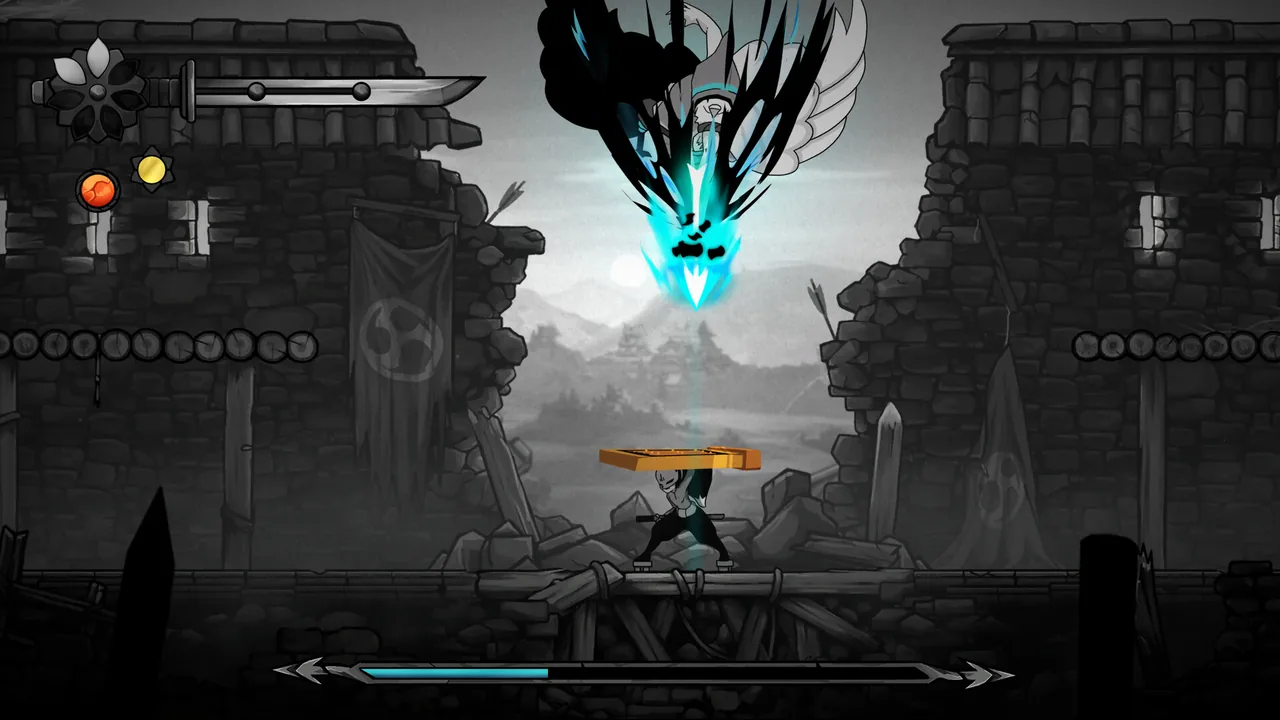
- A well-received cast of ten boss encounters, each described as mechanically distinct, with reviewers drawing favourable comparisons to Mega Man's boss-order structure, Hollow Knight's combat feel, and Titan Souls' stakes
- Real content depth for a small-studio release, including secondary skills learned from each Kami that also unlock NPC interactions and hidden secrets around the world
Cons
- The dominant, cross-language complaint: a limited-revives system that permanently deletes your save once lives run out, forcing a full replay of every previously-beaten boss to get back to the one that killed you — described independently and in detail by reviewers writing in Simplified Chinese, Traditional Chinese, Japanese, French, Russian, and English
- Steam's own achievement data confirms just how brutal the wall is: while several early-boss achievements sit between 55% and 79% of players, the game's final completion-tier achievements sit at roughly 2%, and one detailed positive review states outright that "about 95% players will be unable to beat this game"
- Multiple reviewers, across languages, report dodge invincibility frames that feel too short or inconsistent against specific boss attacks, leading to hits that feel unavoidable rather than a result of player error
- No in-game map, which several reviewers say turns the required backtracking between boss rooms — repeated constantly given the save-wipe penalty — into a source of frustration rather than exploration
- As of this review, no patch has addressed the lives/save-wipe complaint in the roughly two weeks since launch, despite it being the single most repeated piece of feedback in the corpus
Screenshots
-
GureiImage: Astrolabe Games via Steam -
GureiImage: Astrolabe Games via Steam -
GureiImage: Astrolabe Games via Steam -
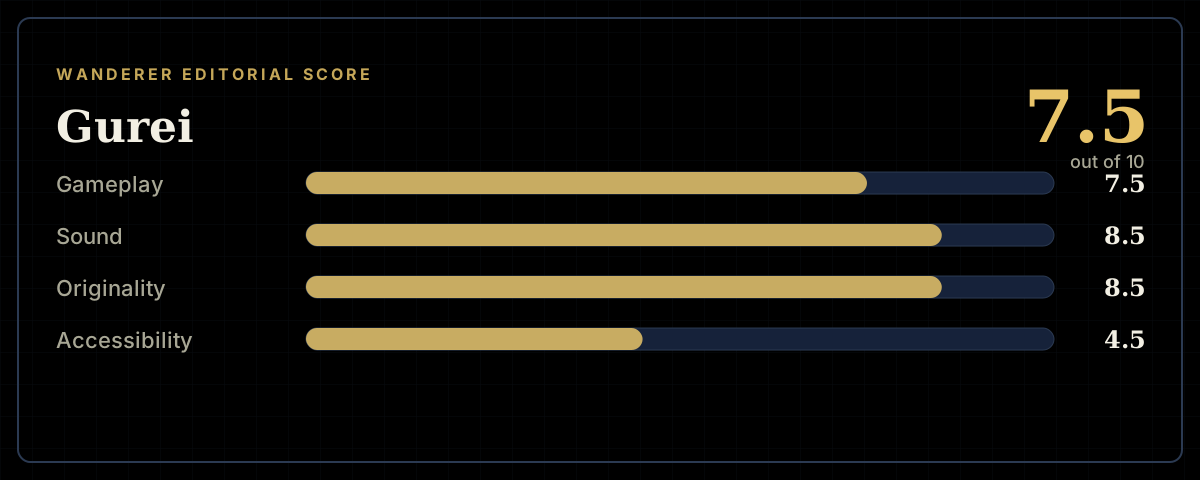
How the review scores each part of the gameWanderer Editorial -
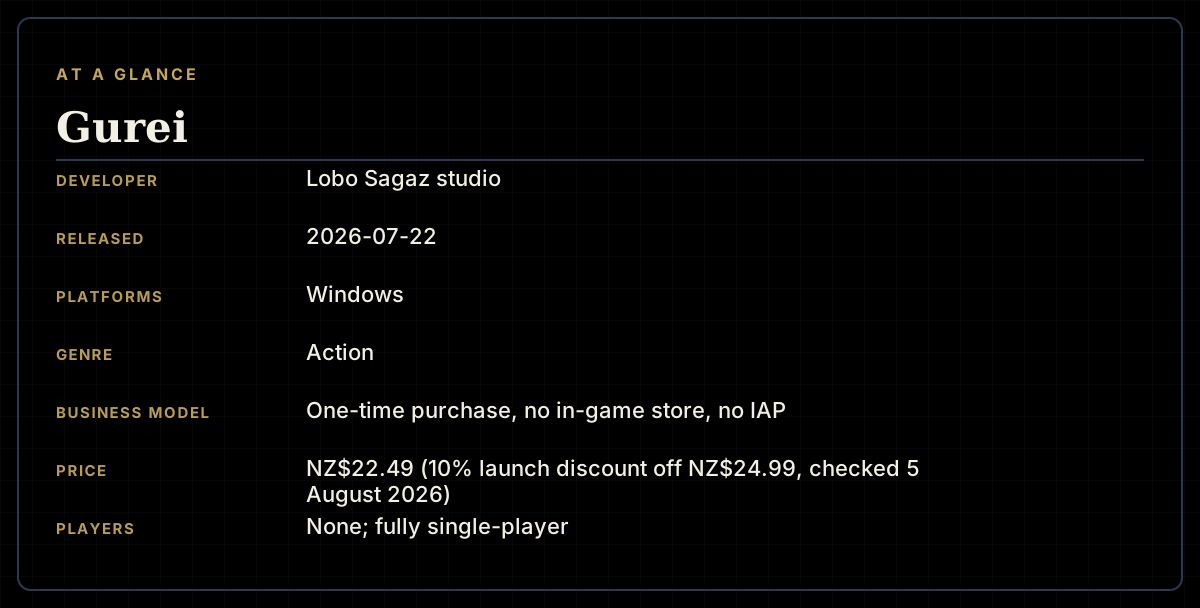
The game at a glanceWanderer Editorial -
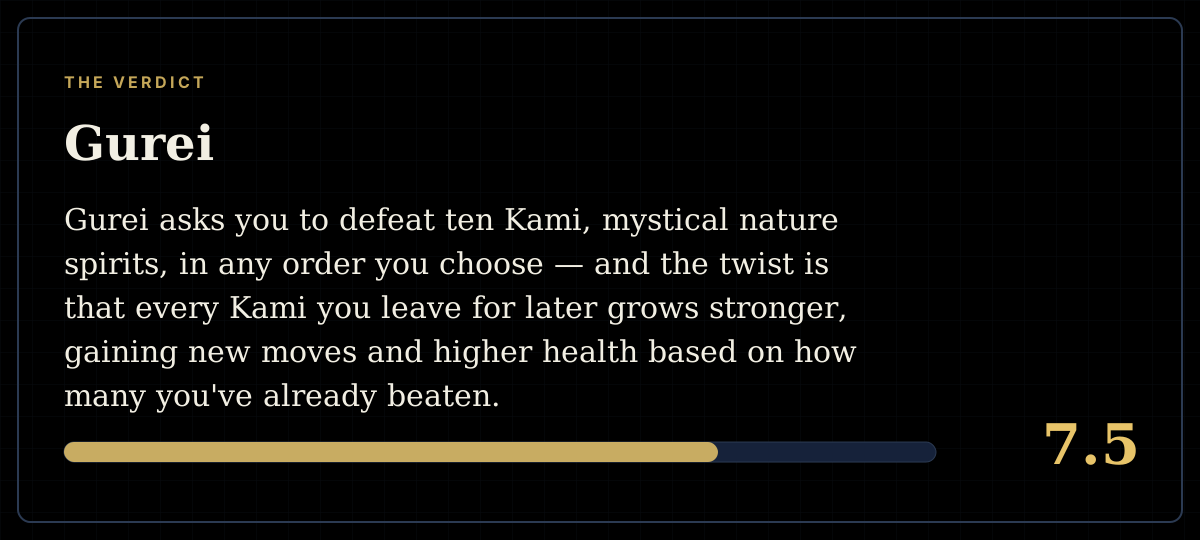
The short versionWanderer Editorial