Game review
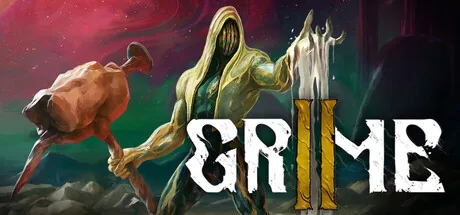
GRIME II
6.3 / 10
- Developer
- Clover Bite
- Publisher
- Kwalee
- Released
- 31 March 2026
- Platforms
- Windows
- Genre
- Action, Indie, RPG
- Monetisation
- Premium
- Players
- Single-player only
The short version
GRIME II is a $27.99 sequel to Clover Bite's 2021 metroidvania, released 31 March 2026, where players absorb enemies into shapeshifting "molds" while exploring a huge, surreal world built from painted nails and giant vases. This review's sample of 805 lifetime reviews is Very Positive overall, with reviewers praising the scale of the world, refined combat, and improved platforming, while a smaller but detailed group of critics mourns a shift toward a lighter, wordier tone that they feel undercuts the original's grim, wordless power fantasy.
Biggest strengths
- This review's sample repeatedly praised the sheer scale of the game, with reviewers independently reporting 40 to 54 hours to reach the credits and specifically calling the map 'HUUUUUGE,' evidence the sequel delivers substantially more content than a typical genre entry at this price
- This review's sample was consistent in praising refined combat systems, with one reviewer specifically praising the replacement of a stamina bar with a new 'Force' resource as 'genius' for removing hard limitations while still rewarding timed attacks and resource management
- This review's sample repeatedly singled out boss design as a highlight, with multiple reviewers independently calling the bosses a 'perfect balance between accessibility and difficulty' and praising them as a clear improvement over the already-praised first game
Biggest weaknesses
- This review's sample included one especially detailed reviewer who documented a genuine tonal break from the original, describing the sequel as 'more lighthearted, more wordy' with 'sardonic or quirky' NPC dialogue, and arguing the shift undercuts the grim, near-wordless power fantasy that defined the first game
- This review's sample included multiple specific bug reports even after post-launch patches, including a boss that could 'spawn in mid' during its second phase for large chunks of damage, enemies clipping through the player character, and movement abilities intermittently failing to trigger
- This review's sample included a reviewer who, despite finishing and thoroughly enjoying the game, still noted 'even after all the patches I still encountered a fair few bugs,' alongside a separate complaint that the map is 'a bit too big and maze like, with too many dead ends'
Who it's for: Metroidvania and soulslike fans who enjoyed the original GRIME and want more of its combat and exploration, and players who don't mind a much bigger, more dialogue-heavy sequel than the tight, quiet first game.
Our recommendation: Recommended for genre fans, with the caveat that longtime GRIME devotees specifically drawn to the first game's stark tone should temper expectations for the sequel's lighter, chattier direction.
6.3 / 10
You are a Formless, a creature that steals shapes from the things it kills. GRIME II is a $27.99 sequel to Clover Bite's 2021 metroidvania, released 31 March 2026. This review draws on a sample of 805 lifetime reviews, Very Positive overall with 737 positive against 68 negative, and reads 100 of them in detail.
A world reviewers kept calling huge
This review's sample was strikingly consistent about scale: reviewers independently reported anywhere from 35 to 54 hours to see the credits, with one specifically calling the map "HUUUUUGE" and another separately confirming a save-file total of 47.5 hours despite Steam's own in-game clock reading lower. This review checked the store's own detailed description and confirmed the promise behind those numbers: over 30 weapons, 60 armors, and 12 abilities to build a run around, a genuinely large toolset for a genre where many entries ship a fraction of that variety.
Combat reviewers called genuinely improved
This review's sample repeatedly praised specific mechanical changes over the first GRIME, with one reviewer singling out the removal of a traditional stamina bar in favor of a new "Force" resource as "genius," arguing it removes hard limitations on the player while still rewarding careful timing and resource management. Bosses drew similarly consistent praise, with multiple reviewers independently describing them as hitting a "perfect balance between accessibility and difficulty," a meaningful claim given how frequently soulslike-adjacent games get that balance wrong in one direction or the other.
Platforming that won over a self-described platforming skeptic
One of this review's sample's more striking data points came from a reviewer who explicitly said they usually dislike platforming in games, but found GRIME II's mouse-aimed traversal made the genre click for them, contrasting it directly against a recent, more demanding platforming-heavy metroidvania by name and describing their fingers hurting during that other game's long sequences, versus enjoying "every piece" of GRIME II's platforming instead. This review reads that as a genuine accessibility win embedded in the core design, even though the store's own formal accessibility flags don't capture it.
A tonal break that split the sample
Set against that praise, this review's sample included one especially detailed reviewer who laid out a specific, considered case against the sequel's direction: where the original GRIME was "a game of few words" that conveyed "unimaginable grandeur and solemnity" befitting its predator protagonist, they found GRIME II "more lighthearted, more wordy," with NPC dialogue that leans on a "sardonic or quirky way of speaking" they felt has "been done to death by modern fantasy." That same reviewer specifically criticized a late flashback scene for demystifying the series' central lore conflict in a way they found deflating rather than illuminating. This review treats that critique as a substantive, specific disagreement about creative direction rather than simple negativity, and notes it recurred, in shorter form, across several other reviews in the sample.
Bugs that persisted through patches
This review's sample documented specific, reproducible technical issues even after post-launch patching, including a final boss that could "spawn in mid" during its second phase and deal roughly a third of the player's health bar, enemies clipping through the player character, and movement abilities intermittently failing to trigger. One reviewer who otherwise recommended the game plainly stated that "even after all the patches I still encountered a fair few bugs," and this review checked the developer's own partner-events feed directly and confirmed an active post-launch sale event, consistent with an established, ongoing support cycle rather than a game abandoned at launch.
A large, occasionally maze-like map
Multiple reviewers in this review's sample raised the same specific structural complaint: the map's scale, while broadly praised, comes with genuine navigational cost, with one reviewer calling it "a bit too big and maze like, with too many dead ends" and another separately noting that non-NPC points of interest go unmarked, forcing manual re-checking of every unexplored corridor to determine whether it's genuinely blocked or simply requires an ability not yet unlocked.
A thin accessibility baseline
This review checked the store's own accessibility feature-flag block directly and found only three of nineteen tracked flags true: background volume controls, playable without quicktime events, and adjustable difficulty levels. Notably absent are subtitle support and any colorblind or contrast option, a real gap for a visually dense, dialogue-heavier sequel than its predecessor, even accounting for the informal accessibility win of the mouse-aimed platforming praised elsewhere in this review's sample.
Forty achievements for a much bigger game
This review checked the Steam global achievement API and found 40 tracked achievements, a healthy structure for a game this size, in keeping with reviewer reports of substantial optional content and multiple endings beyond the main story path.
A tag list that undersells the world-building
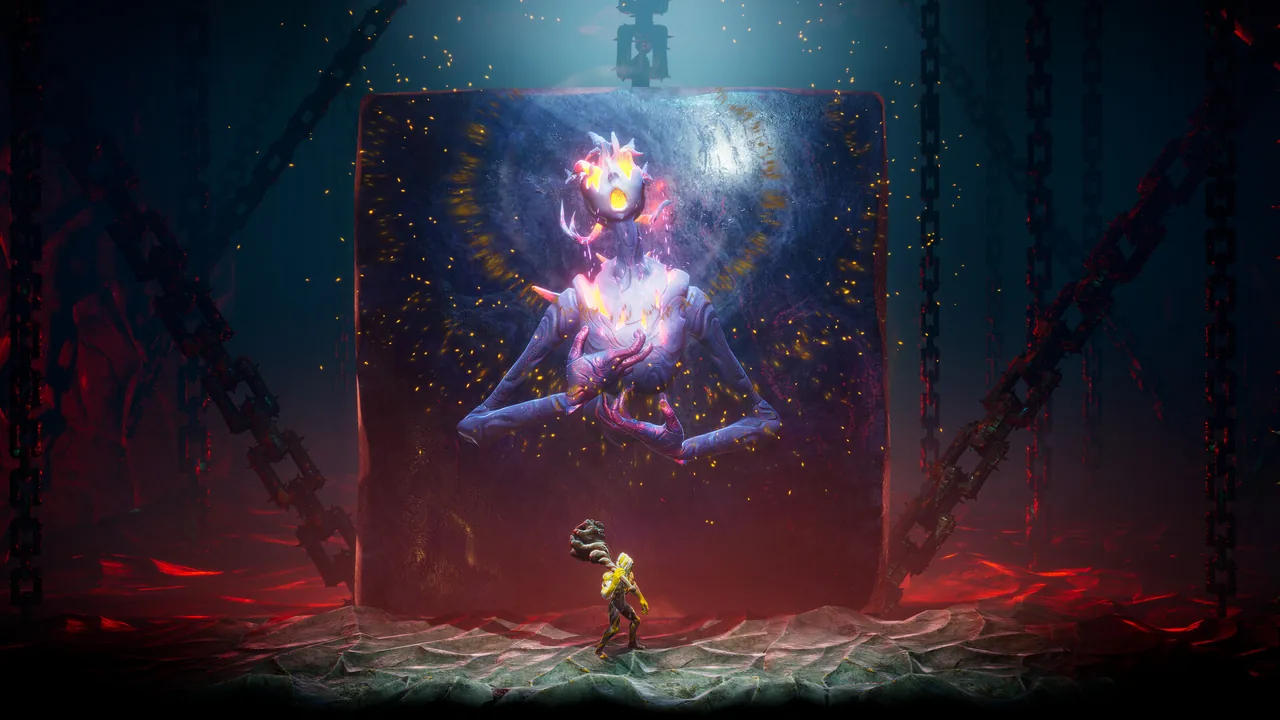
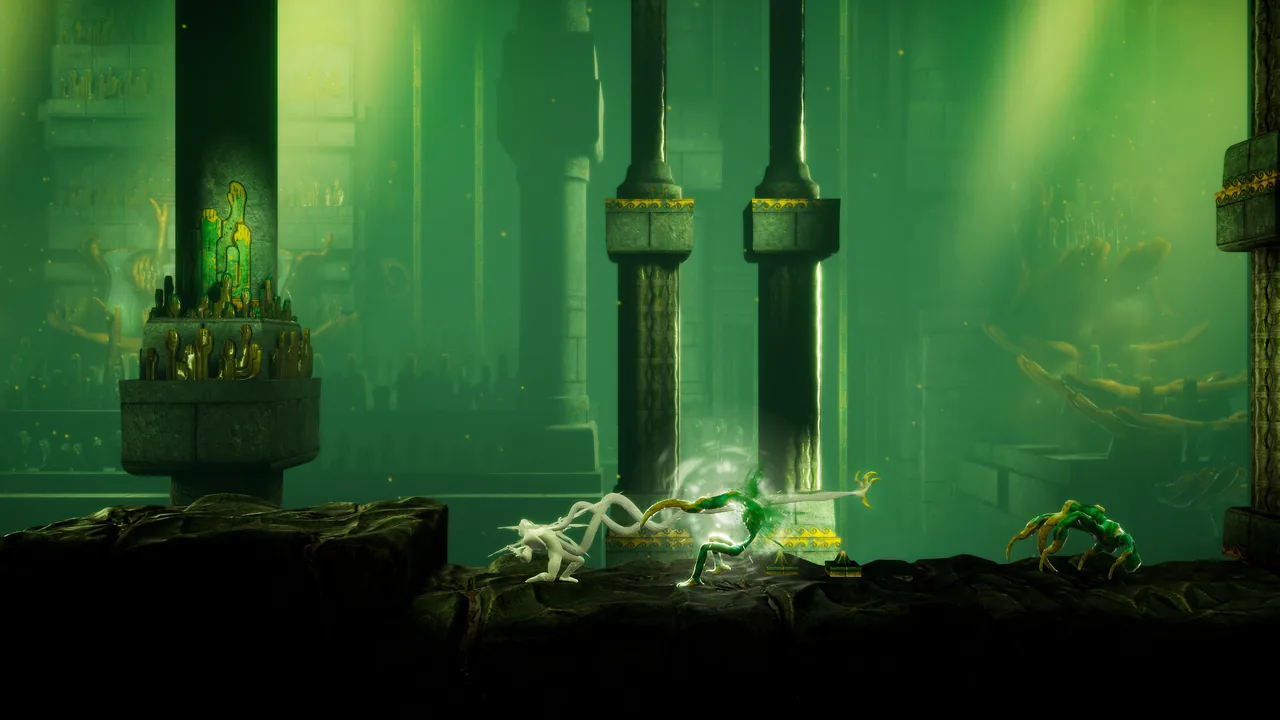
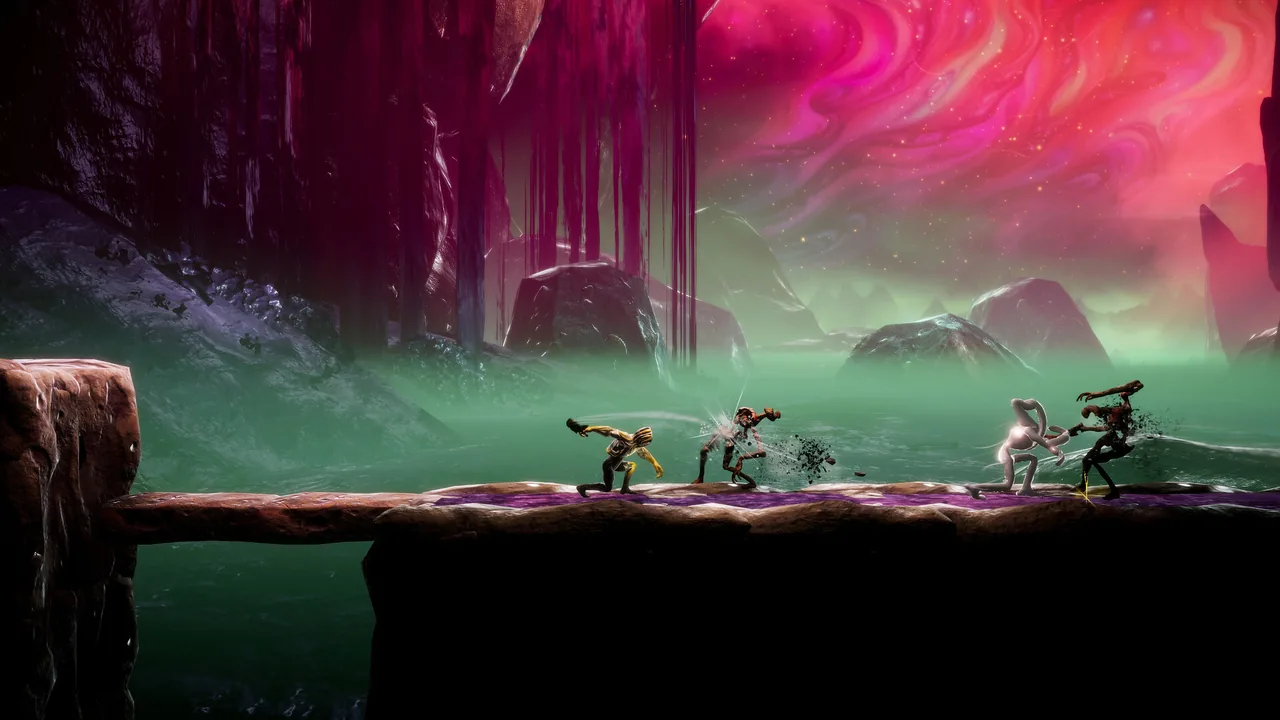
This review checked the store's own user tags directly and found a fairly standard genre-descriptor spread, Metroidvania, Souls-like, Exploration, Lore-Rich, none of which do much to convey the specific, painted-and-sculpted visual identity this review's sample kept returning to. One reviewer's description of trading the first game's "body horror" for "flowing paint thingies of all kinds" is a far more precise summary of what makes GRIME II visually distinct than anything in its own tag list, and this review flags that gap for players browsing by tag alone rather than reading into the actual reviews.
Verdict
GRIME II is an ambitious, mechanically improved sequel that this review's largely positive sample found genuinely satisfying to explore and fight through, even as a smaller but articulate group of critics mourns a real shift away from the original's grim, minimalist tone. At $27.99 for a 40-plus-hour world, this is a solid recommendation for metroidvania and soulslike fans, tempered by the honest expectation of lingering bugs and a much chattier, lighter game than the one that came before it.
Pros and cons
Pros
- This review's sample repeatedly praised the sheer scale of the game, with reviewers independently reporting 40 to 54 hours to reach the credits and specifically calling the map 'HUUUUUGE,' evidence the sequel delivers substantially more content than a typical genre entry at this price
- This review's sample was consistent in praising refined combat systems, with one reviewer specifically praising the replacement of a stamina bar with a new 'Force' resource as 'genius' for removing hard limitations while still rewarding timed attacks and resource management
- This review's sample repeatedly singled out boss design as a highlight, with multiple reviewers independently calling the bosses a 'perfect balance between accessibility and difficulty' and praising them as a clear improvement over the already-praised first game
- This review's sample included a reviewer who specifically credited GRIME II's optional mouse-aimed platforming for making a genre they normally dislike click for them, contrasting it favorably against a recent, more demanding platforming-heavy metroidvania by name
Cons
- This review's sample included one especially detailed reviewer who documented a genuine tonal break from the original, describing the sequel as 'more lighthearted, more wordy' with 'sardonic or quirky' NPC dialogue, and arguing the shift undercuts the grim, near-wordless power fantasy that defined the first game
- This review's sample included multiple specific bug reports even after post-launch patches, including a boss that could 'spawn in mid' during its second phase for large chunks of damage, enemies clipping through the player character, and movement abilities intermittently failing to trigger
- This review's sample included a reviewer who, despite finishing and thoroughly enjoying the game, still noted 'even after all the patches I still encountered a fair few bugs,' alongside a separate complaint that the map is 'a bit too big and maze like, with too many dead ends'
- This review checked the store's own accessibility feature-flag block directly and found only three of nineteen tracked flags true, a thin baseline including no subtitle option or colorblind support flag despite a visually dense, narration-heavy world
Screenshots
-
GRIME IIImage: Kwalee via Steam -
GRIME IIImage: Kwalee via Steam -
GRIME IIImage: Kwalee via Steam