Game review
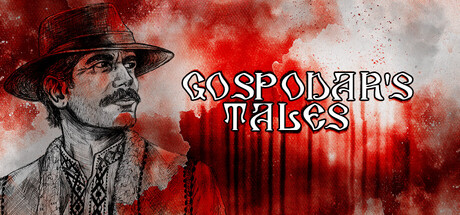
Gospodar's Tales Review
6.5 / 10
- Developer
- Street Art Studios
- Publisher
- Gospodar Games
- Released
- 31 July 2026
- Platforms
- ["Windows"]
- Genre
- Psychological Horror
A Horror Game That Knows Exactly Which Village It's From
Gospodar's Tales launched on Steam on July 31, 2026, for $5.99 from Street Art Studios and Gospodar Games, and it wears its identity proudly: this is a first-person psychological horror game set in a rural Romanian village in 2009, built almost entirely out of Romanian folklore, literature, and internet culture rather than the generic haunted-house template most indie horror games default to. Of 123 English-language reviews, the overwhelming majority are positive, and reading through them reveals a fairly unusual split for a horror game, the loudest praise isn't really about scares at all, it's about cultural specificity. Reviewers repeatedly describe the game as feeling authentically Romanian, citing inside jokes, references to national literature like "Ion" and "Moara cu Noroc," and a village atmosphere that non-Romanian players describe enjoying from the outside while Romanian players describe it as something closer to nostalgia mixed with genuine childhood fear. That's an unusually specific identity for a $5.99 indie horror game to build around, and it's clearly the single biggest reason the review pool skews so positive.
Tanti Ileana and the Jumpscares That Actually Land
Multiple reviewers single out one specific antagonist by name, a village crone referred to as "Tanti Ileana," as the game's standout scare, with several independently describing being caught off guard by her appearances even when they thought they knew a jumpscare was coming. That's a meaningfully different pattern from vague "it was scary" praise, since separate reviewers are converging on the exact same character and moment without any apparent coordination between them, a much stronger signal than the game's flood of generic superlatives. The visual approach doing the heavy lifting behind those scares gets called out just as consistently: reviewers describe dirty-yellow, single-bulb-and-candlelight lighting, oppressive shadows, and small unnatural details, wax flowing the wrong way, objects that seem to breathe, that build unease well before anything jumps out. One detailed review specifically credits the restrained pacing for making the horror feel dependent on mood and psychological dread rather than shock value or graphic gore, a reading borne out by the game's own content descriptors, which note only non-graphic violence and isolated disturbing imagery rather than anything explicit.
A Very Short Story Stretched Thin By Its Own Pacing
The most consistent criticism across both positive and negative reviews is length: reviewers repeatedly describe finishing the entire game in one to two hours, with several explicitly calling it too short for the asking price and recommending it be bought on sale rather than at full cost. That criticism cuts both ways in the review pool, some reviewers treat the brevity as appropriate for a tightly focused horror story that doesn't overstay its welcome, while others feel shortchanged, one review bluntly calling the thirty-minute experience they got not worth the five dollars they paid. The negative end of the spectrum goes further than pacing complaints, though: one detailed critical review argues the game has no real build-up or atmosphere at all, calling the voice acting far too monotone for the events on screen and the plot generically predictable, while a separate reviewer reports a fatal crash roughly ten minutes into a session. Neither complaint appears more than once or twice in the sample, so they read as genuine but isolated friction rather than a systemic pattern, but they're a useful counterweight to the loudest five-star praise.
Voice Acting and Puzzles That Divide Opinion More Than the Scares Do
Beyond the crash report, the most substantive recurring critique concerns voice acting and pacing between story beats rather than the horror itself: more than one reviewer notes the Romanian voice performances don't always sync convincingly with the accompanying text or the tension of a given scene, and one reviewer specifically wished for a proper chase sequence or additional puzzle variety to break up what is, at its core, a walking-simulator structure with light environmental investigation. That assessment lines up with the developers' own description of the gameplay as exploration and puzzle-solving built around clues, memories, and objects scattered through the environment rather than combat or elaborate mechanical systems, a design reviewers broadly accept on its own terms even when they wish it did a bit more between its stronger horror beats. A handful of players mention having already sampled a pre-release demo and coming away with high expectations that the full release mostly met, a reasonable data point given how directly the finished game's atmosphere and jokes track with what reviewers describe from that earlier build. Achievements are present but nobody in the sample frames chasing them as a reason to return once the story ends, which fits a game whose replay value seems to rest almost entirely on curiosity about missed easter eggs rather than branching outcomes or a meaningfully different second run.
Playtime figures scattered across the sample back up the "short but dense" read: most reviewers land between one and three hours, with a smaller cluster reporting four to seven hours and a couple of outliers well past ten, likely players who replayed sections purely to catch references or jokes they suspect they missed the first time through. That spread suggests the base story is genuinely brief, but that its density of Romania-specific detail rewards a slower, more attentive pass for the audience it's built for.
Verdict
Gospodar's Tales earns its praise less from being a technically ambitious horror game and more from committing fully to a specific, under-represented setting: a Romanian village steeped in folklore, dark humor, and a genuinely unsettling central antagonist that reviewers keep independently singling out by name. Its jumpscares land because the slow, dirty-yellow atmosphere earns them, and its cultural specificity gives it an identity that a more generic haunted-house game couldn't match. But it's also a very short, occasionally uneven experience, patchy voice-acting sync, thin puzzle variety, and at least one reported crash, that leaves both admirers and detractors agreeing on the same core complaint: there just isn't much game here for the asking price. Worth a look for horror fans curious about a folklore they rarely see represented, but wait for a discount unless that novelty alone is worth full price to you.
Screenshots
-
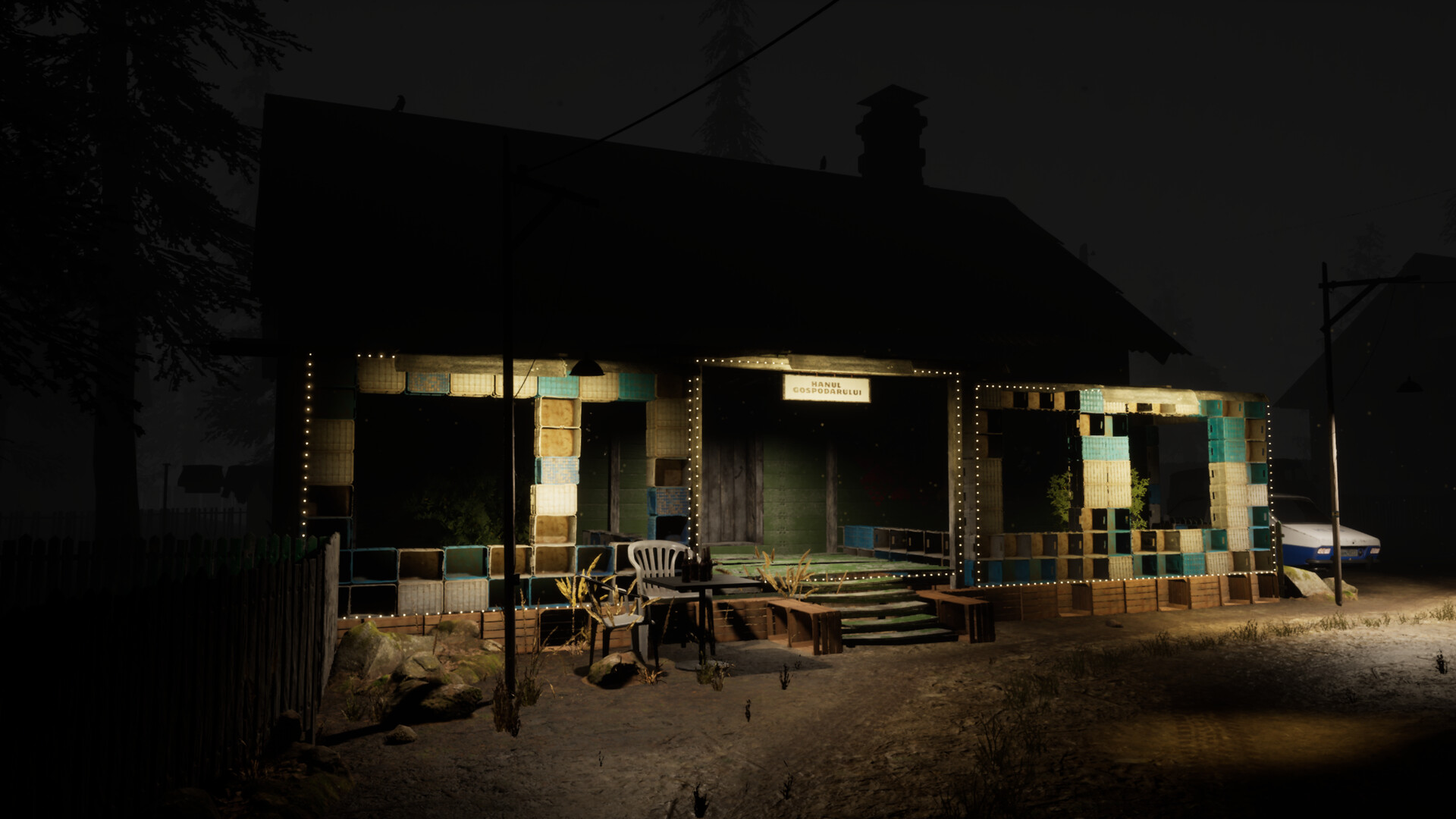
Hanul Gospodarului, one of the village locations Ion investigates, part of a setting reviewers say lends the horror a distinctly Romanian identity.Image: Street Art Studios via Steam -
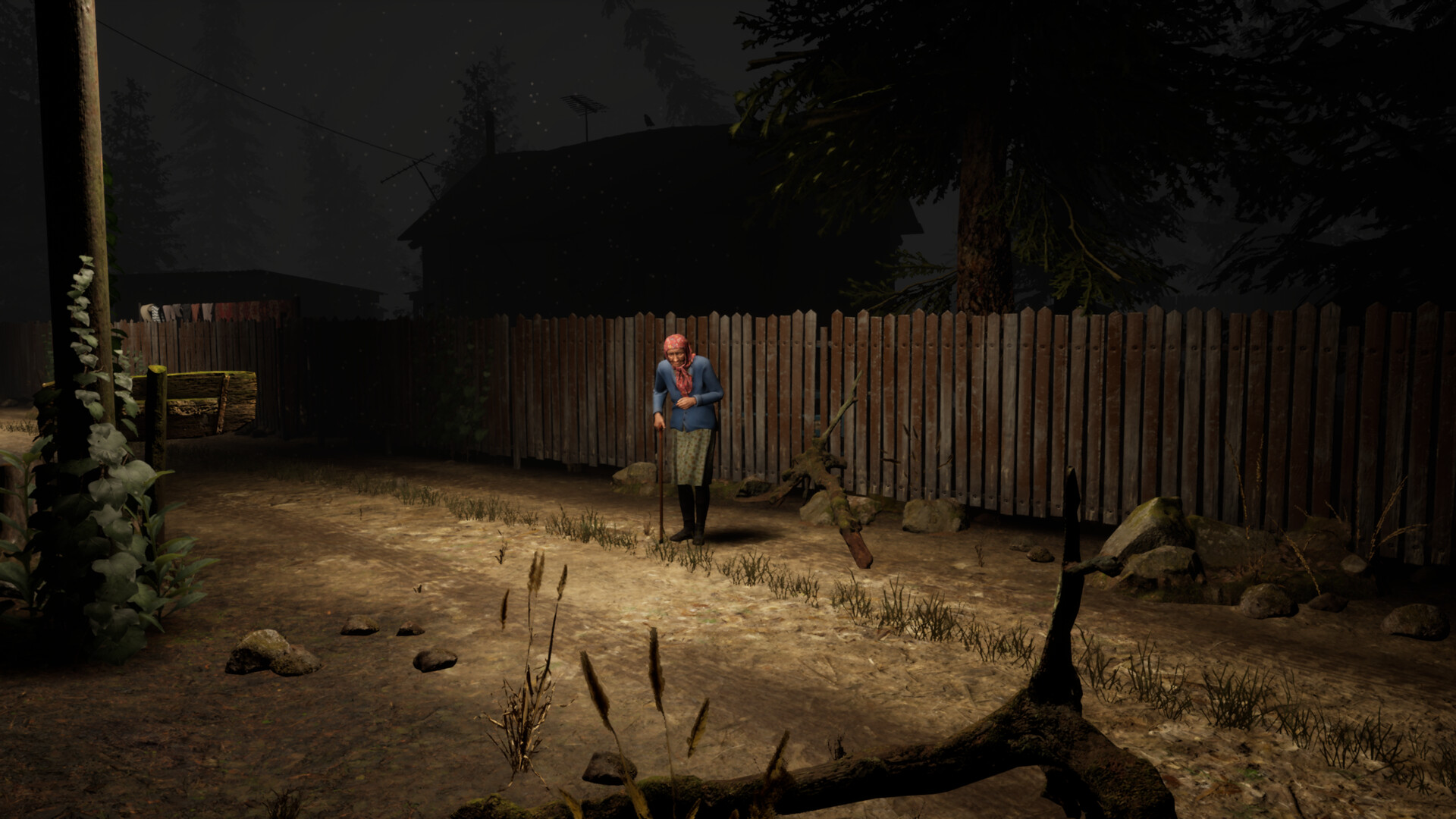
Tanti Ileana, the specific antagonist reviewers keep independently naming as the scare that actually got them, even when they saw her coming.Image: Street Art Studios via Steam -
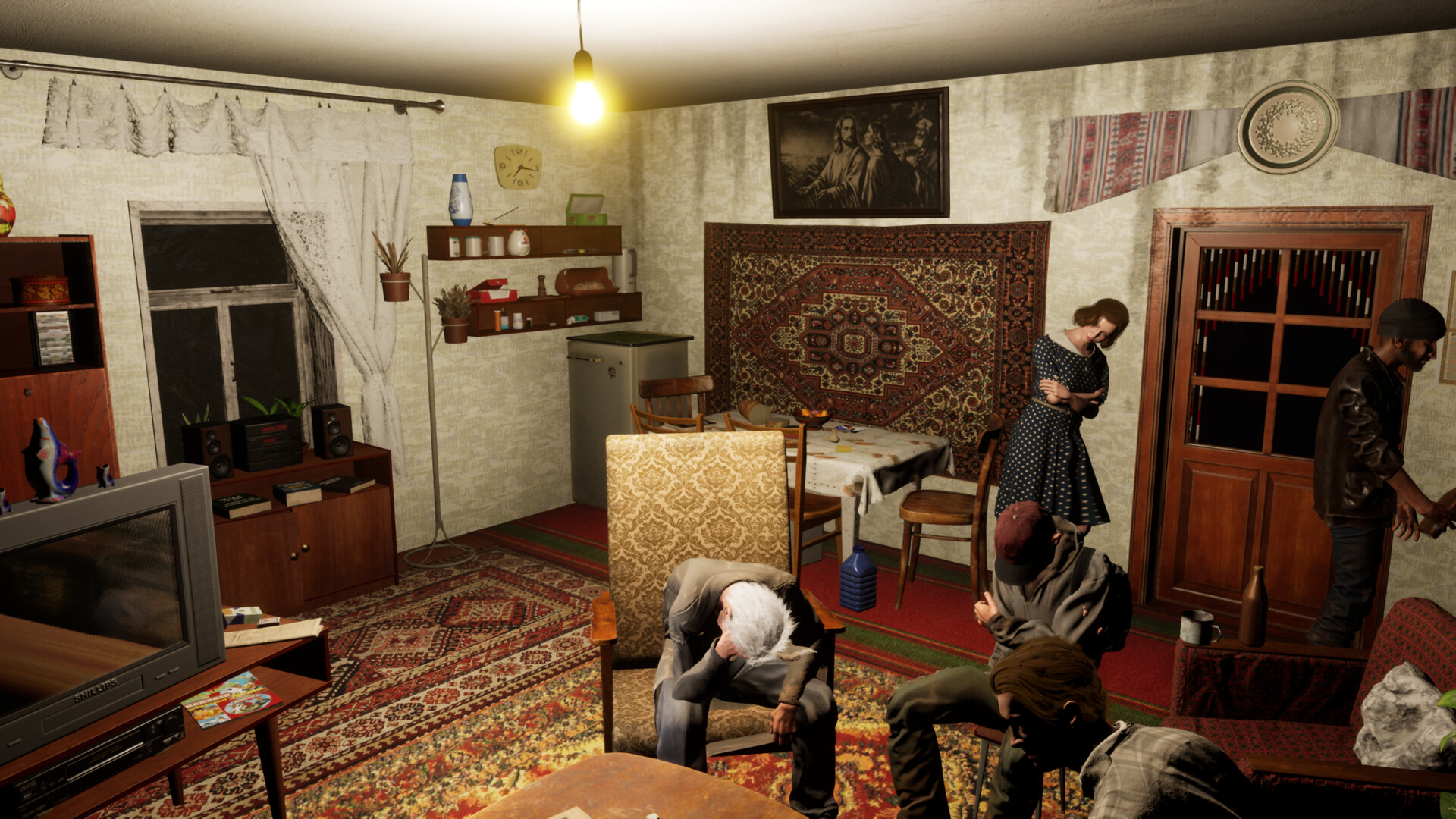
A quieter, dialogue-driven family scene of the kind reviewers say the game paces carefully before its jumpscares land.Image: Street Art Studios via Steam