Game review
Project Looking Glass Review
7 / 10
- Developer
- MORPH
- Publisher
- MORPH
- Released
- 11 August 2026
- Platforms
- ["Windows"]
- Genre
- Psychological Horror Walking Simulator
A Grieving Mother, a Cold War Experiment, and a Window Into the Astral Plane
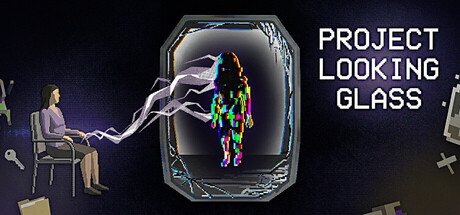
Project Looking Glass, the solo debut of developer MORPH, launched on Steam on August 11, 2026 at $4.99. Set in 1963, it casts you as a grieving mother who has volunteered for a classified government experiment that lets her spirit roam an astral realm, watched over by scientists through the static of Cold War-era monitors, in search of what really happened to her missing daughter. It is a short first-person walking sim and light puzzle game, told through VHS-and-CRT-filtered dreamscapes and fully voiced dialogue. At the time of writing it holds a perfect 75-for-75 positive record on Steam, a striking result for a five-dollar debut from a single developer.
Liminal Dread Without Jump Scares, Carried by Atmosphere and Voice Work
The single most consistent thread in the review pool is praise for the game's commitment to atmosphere over cheap scares. Reviewer after reviewer singles out the CRT/VHS visual filter as fully committed rather than a slapped-on effect, the liminal, half-familiar dreamscapes as genuinely unsettling, and the fully voiced dialogue, delivered in period-appropriate "transatlantic" accents that repeatedly draw comparisons to Twilight Zone narration and David Lynch, as unexpectedly polished for a solo project. Multiple reviewers explicitly contrast the game favorably with jump-scare-driven horror, praising instead a slow-burn structure that rewards exploration and backtracking as new story context unlocks previously inaccessible details in already-visited areas. The astral-projection and Cold War conspiracy premise draws consistent praise for feeling genuinely novel within the crowded liminal-horror subgenre, and several reviewers note the story's handling of grief and loss lands as more emotionally affecting than they expected going in. That the entire experience was built by one person is repeatedly called out as remarkable given the level of voice work, environmental variety, and polish on display.
The Demo Spoils Too Much, and Some Wanted More Puzzles and Endings
Set against that praise, the most consistently repeated piece of practical advice in the review pool is a warning about the game's own free demo: several reviewers independently report that playing the demo first showed them roughly 80% of the full game's content, and recommend skipping straight to the full release rather than trying the demo first. A second, smaller but recurring complaint concerns the game's brevity and structure: at two to four hours long, multiple reviewers say they wanted more puzzles, more dreamscape/liminal areas specifically, or the ability to pursue multiple endings, several explicitly framing this as their only real critique of an otherwise strong experience. A handful of reviewers also flag smaller rough edges consistent with a first solo release: inconsistent dialogue volume levels, a menu that's awkward to navigate without a mouse, and occasional minor clipping or falling through the world, none of which anyone treats as a dealbreaker.
A Rare Case of a Developer Publicly Disclosing AI-Assisted Voice Work
One specific thread stands out from the rest of the discussion: several independent reviewers describe noticing that certain character voices sounded subtly artificial, with odd phrasing or inconsistent audio treatment, and at least one detailed review documents following up with the developer directly. According to that account, MORPH responded in the Steam reviews section confirming that the voice performances were originally recorded by the developer personally and then processed through AI voice-conversion tools to produce the finished character voices, and subsequently updated the store page to disclose this. Reactions among the reviewers discussing it are mixed but broadly forgiving: one calls the AI usage barely noticeable and says it doesn't affect their enjoyment, another lists it as a corner-cut that "impedes on what remains of the creative process" even while still recommending the game, and the reviewer who originally raised the concern revised their initial framing once the developer clarified the process and disclosed it on the store page, ultimately still recommending the game while urging the developer to voice future projects without AI assistance. It's a genuinely unusual, transparently handled example of AI-assisted production in an indie horror game, distinct from the undisclosed-AI accusations that show up in plenty of other Steam reviews elsewhere.
Verdict
Project Looking Glass is a confident, atmospheric debut that punches well above its five-dollar price and solo-developer origins, built around a genuinely novel astral-projection Cold War premise and carried by an unusually strong sense of dread that never leans on jump scares to do the work. The near-universal praise for its atmosphere, voice work, and emotional core is backed by a perfect review record, and the practical warning to skip the spoiler-heavy free demo is worth heeding before diving in.
It won't satisfy everyone: the runtime is short, the puzzle count is thin enough that several fans of the game still wanted more, and the interface has the rough edges you'd expect from a first solo release. The AI-assisted voice work, now openly disclosed by the developer after early player feedback, is a reasonable line for some buyers to weigh, though most of the reviewers who noticed it stayed on board once it was addressed transparently. For anyone drawn to liminal, analog horror with real narrative ambition behind it, this is an easy recommendation at its price; for those who need more mechanical depth to fill several hours, it's worth going in with expectations calibrated to a short, story-first experience.
Given how rarely a five-dollar solo debut manages a spotless review record across a genuine sample size, and how much of that record traces back to specific, repeatable praise for tone and storytelling rather than vague goodwill, Project Looking Glass earns its recommendation on merit rather than novelty alone. It plays like a developer who understood exactly what kind of dread they wanted to evoke and spent their limited scope budget almost entirely on getting that feeling right, at the expense of mechanical breadth. That trade-off won't be for every horror fan, but for the audience it's aimed at, it lands.
Screenshots
-
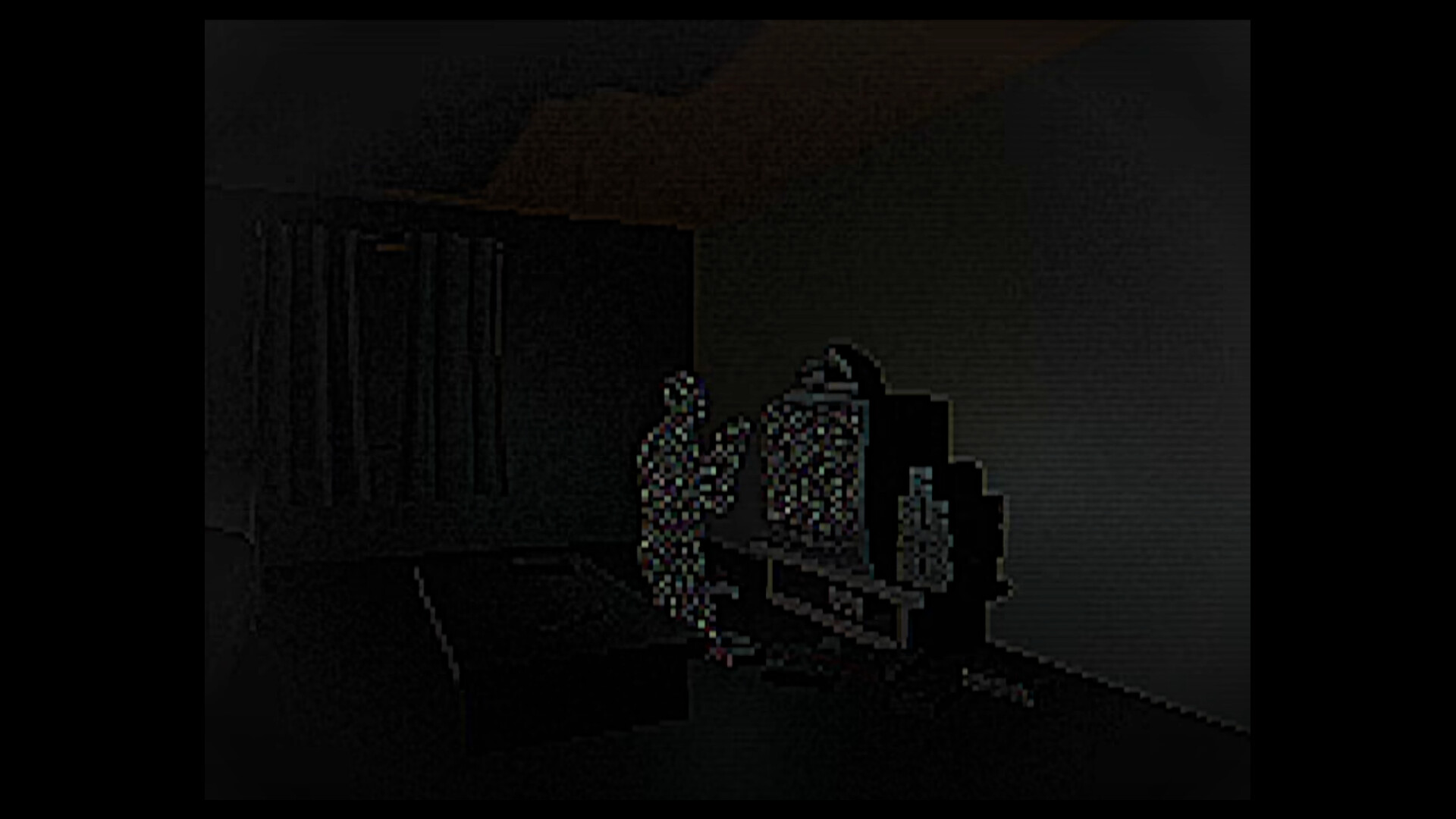
The VHS/CRT static filter and half-glimpsed figures are the backbone of the game's liminal-horror atmosphere.Image: MORPH via Steam -
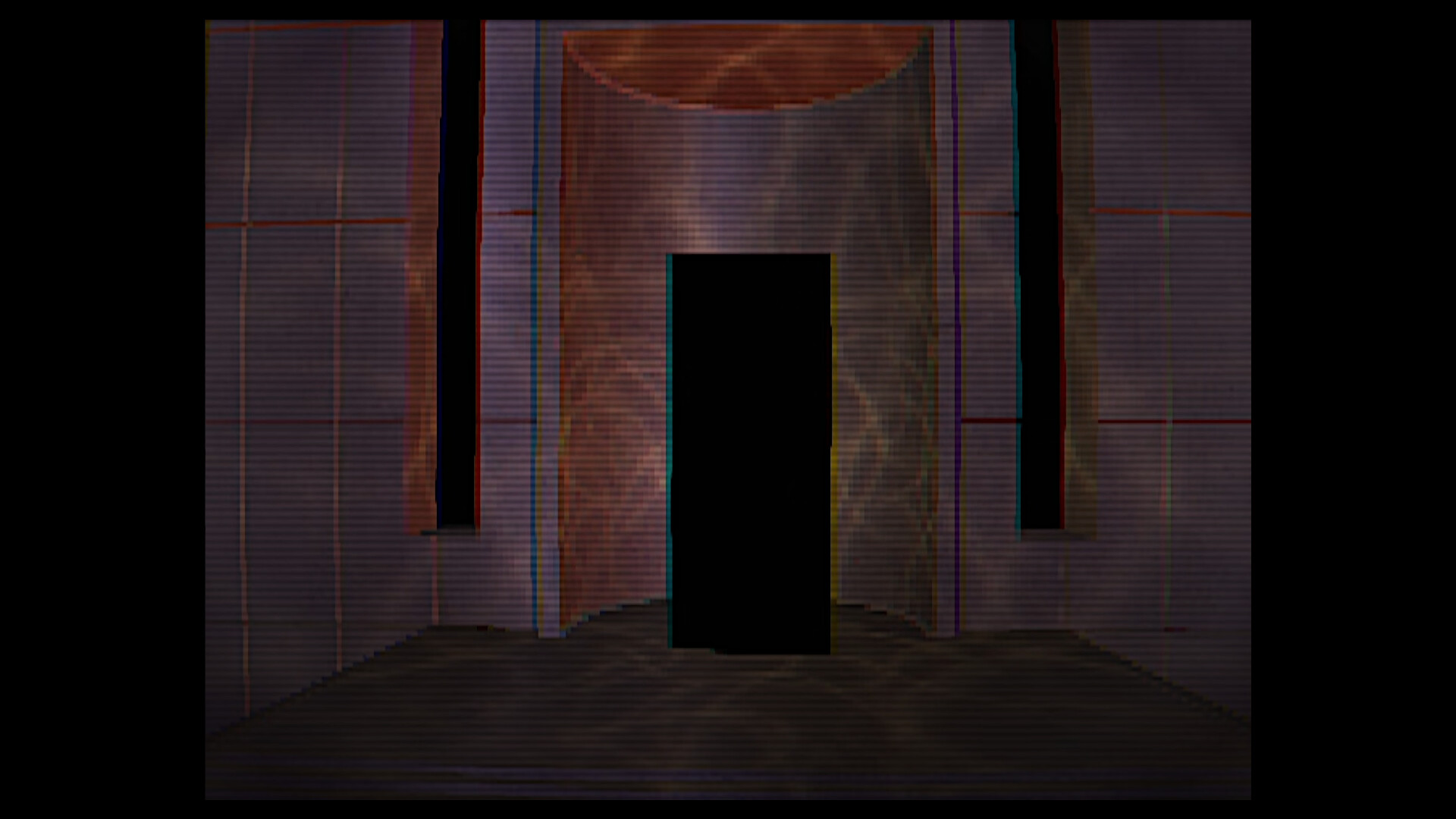
Liminal, half-familiar interiors recur throughout the astral realm, rewarding careful exploration over jump scares.Image: MORPH via Steam -
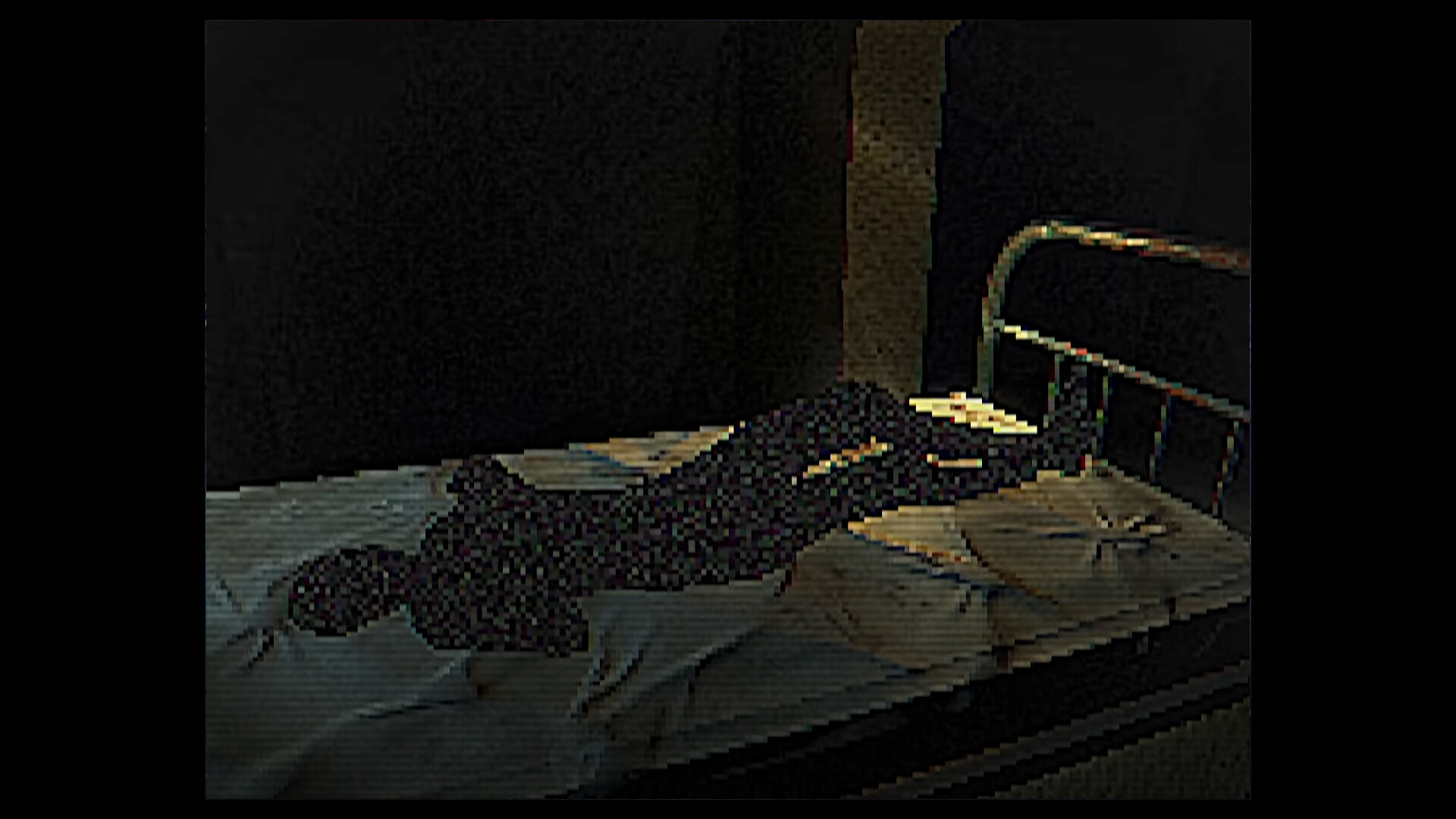
The game's period setting and decaying, institutional spaces reinforce its 1963 Cold War-experiment premise.Image: MORPH via Steam