Game review
Fantasy Network
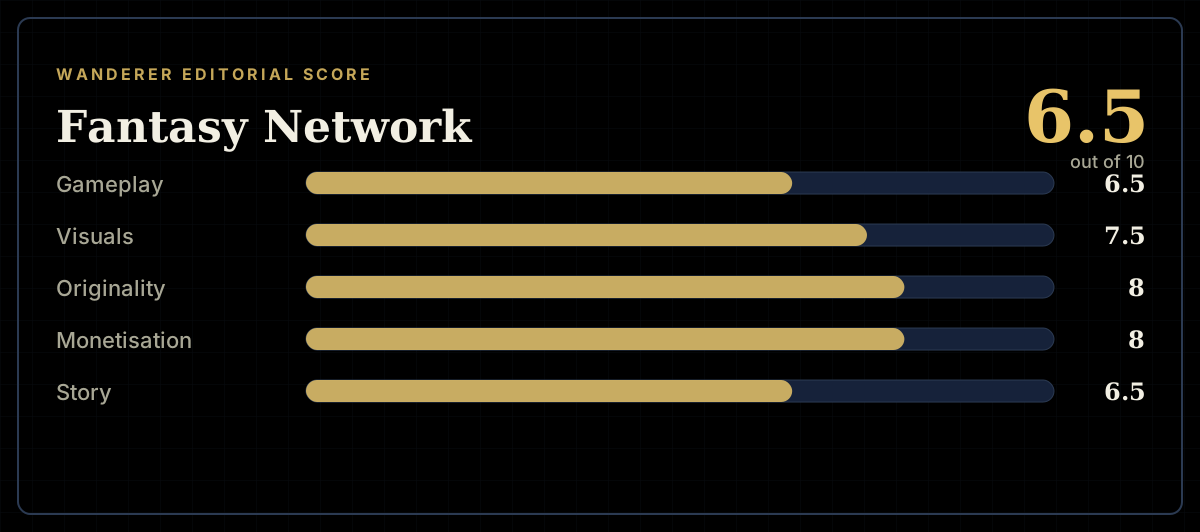
6.5 / 10
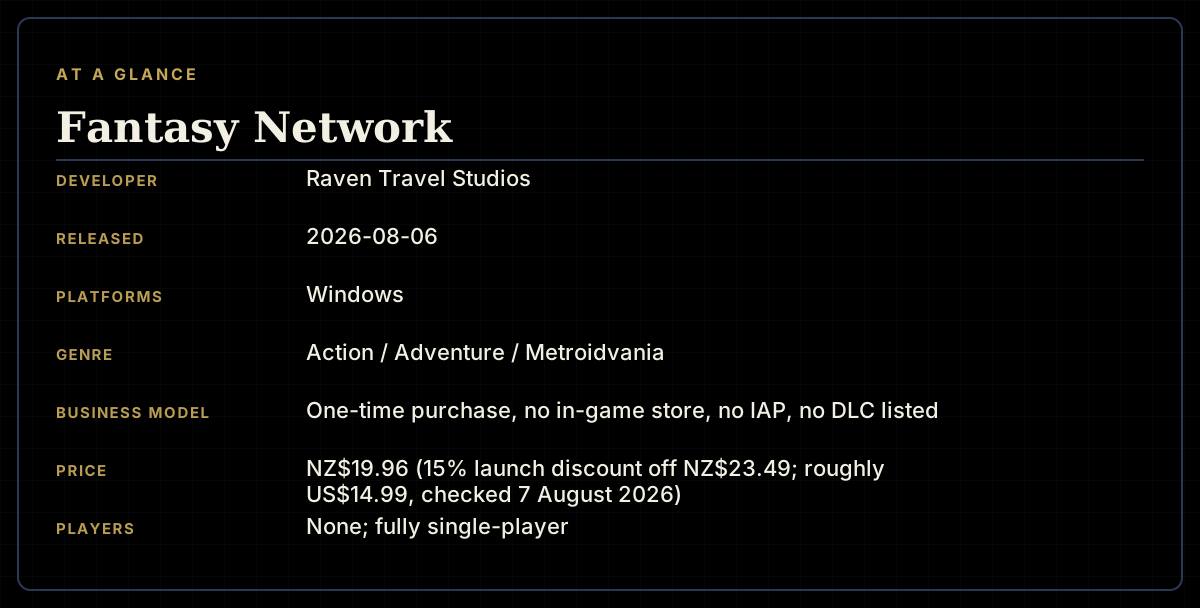
- Developer
- Raven Travel Studios
- Publisher
- IMGN.PRO
- Released
- 6 August 2026
- Platforms
- Windows
- Genre
- Action / Adventure / Metroidvania
- Monetisation
- One-time purchase, no in-game store, no IAP, no DLC listed
- Players
- None; fully single-player
The short version
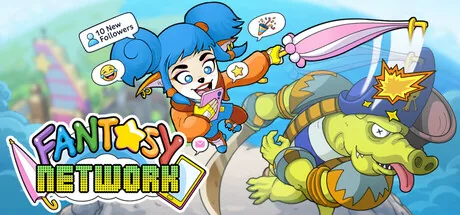
Fantasy Network is a 2D metroidvania in which a teenage influencer named Lyn fights her way across a colourful world called Holua using a combat umbrella, trying to win a presidential election decided by talent shows — cooking, racing, dancing, fashion — while an in-game phone keeps her plugged into a satirical version of social media. The pitch is genuinely unusual: a "SocialVania," in the developer's own coinage, that treats exploration, boss fights and an in-app feed as parts of the same design rather than a gimmick bolted onto a normal platformer.
This review is written the day after launch, before any public review corpus exists to check the concept against — Steam currently lists zero user reviews, and no independent critic scores were found. What can be reported honestly is the game's own long and public history: it was first announced in January 2021 as a Nintendo Switch exclusive due out that same year, went through what its developer has since called years of "development hell," had its entire protagonist system rebuilt from the ground up, and has now shipped five years later as a Windows-only release on Steam, GOG and the Epic Games Store, with no Switch version in sight.
Biggest strengths
- A genuinely distinctive premise for the genre: metroidvania exploration wrapped around a satirical in-game social network, talent-show boss encounters and a plot about winning an election rather than saving the world through combat alone
- Fully hand-drawn 2D character animation and 3D environment work that the developer says was rebuilt from scratch mid-development specifically so it wouldn't look dated by release
- A clean, one-time purchase with no IAP, no DLC and no subscription visible on the store page as of launch
Biggest weaknesses
- No public review corpus exists yet — zero Steam user reviews and no critic coverage were found at the time of writing, so nothing about bugs, pacing, difficulty balance or how well the talent shows actually play has been independently confirmed
- A five-and-a-half-year development that included a full rebuild of the protagonist system and a platform change from Switch-exclusive to Windows-only is the kind of history that can produce either a much-improved final game or a project stitched together from several different design eras; this review cannot yet tell which
- The concept juggles a lot at once — combat, platforming, four talent-show types, a social app, retro arcade minigames and a satire-driven plot — and a design this broad has more places for individual systems to feel underbaked than a tighter, single-focus metroidvania would
Who it's for: Metroidvania fans curious about a genuinely different framing device for the genre's usual exploration-and-backtracking loop, and anyone who enjoys satire aimed squarely at influencer culture rather than generic fantasy tropes.
Our recommendation: Worth a look for metroidvania fans who want something structurally different from the genre's default fantasy dressing, but go in aware that its ambitious feature list — combat, platforming, four talent-show minigame types, a messaging app, four retro arcade games and a branching social system — has had no public testing at all as of this review, after a troubled and much-delayed development.
6.5 / 10
Six years ago, Fantasy Network was announced as a Nintendo Switch exclusive due out before the end of that same year. It shipped this week — on Windows, via Steam, GOG and the Epic Games Store, with no Switch version anywhere in sight — as a hand-drawn metroidvania about a teenage influencer who fights monsters with a combat umbrella and wins a presidential election by out-performing rivals in cooking contests. That is not a criticism dressed up as a fun fact; it is the single most important piece of context for judging what actually launched, and it comes straight from the developer's own account of what happened in between.
What the game actually is
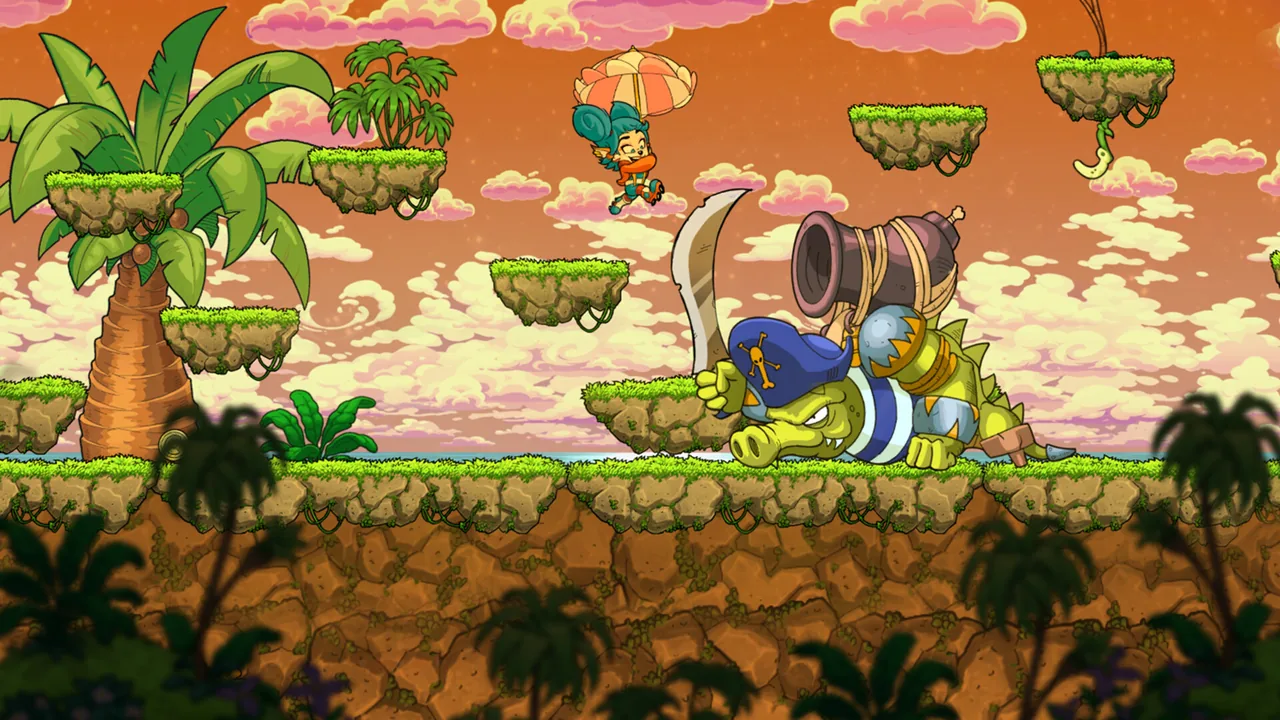
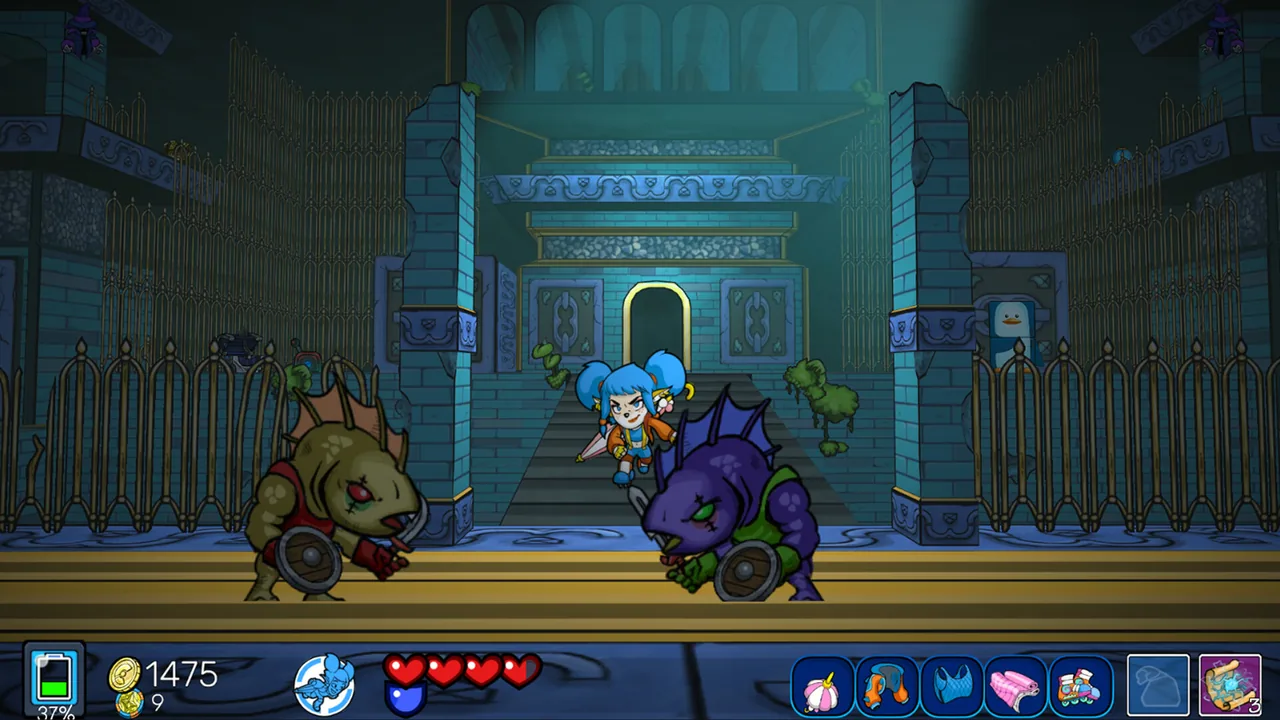
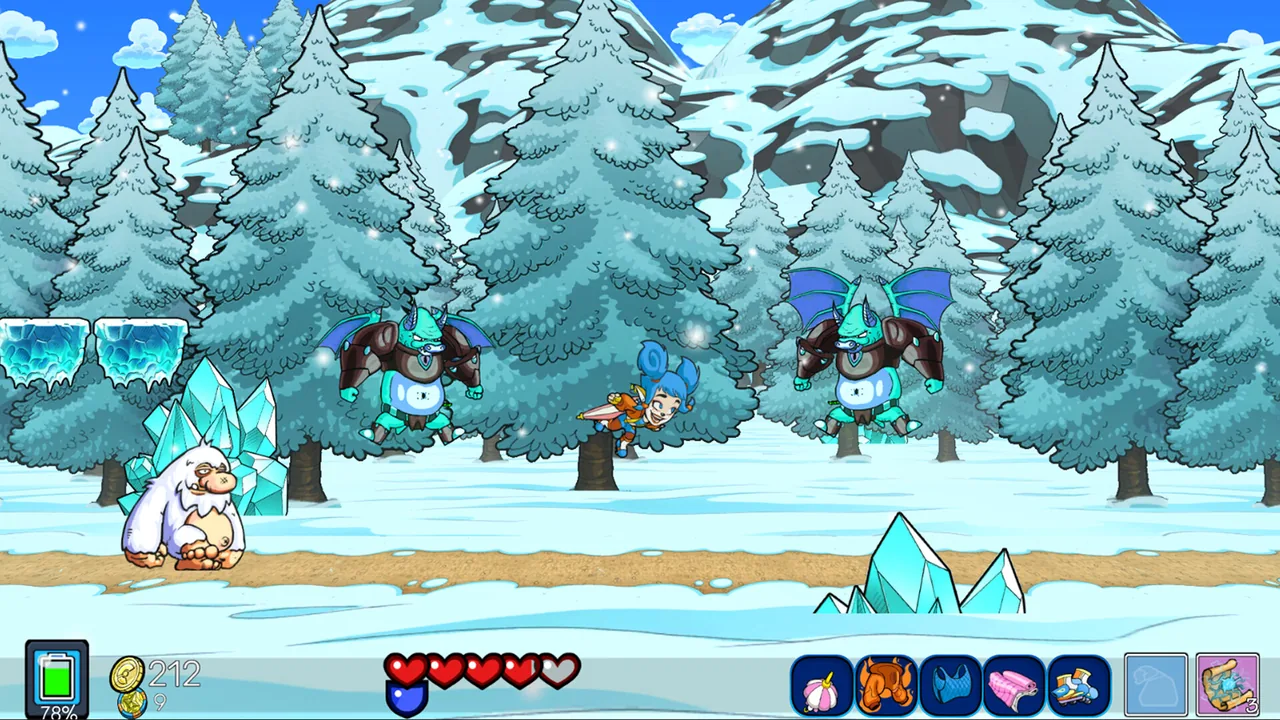
Fantasy Network puts you in control of Lyn, whose mother is kidnapped in the game's opening minutes with a ransom attached: win the "President's Race," a country-wide competition decided by talent shows rather than an election in the usual sense. To get there, Lyn explores the interconnected world of Holua — beaches, volcanoes, glaciers, ancient temples and eventually space, according to the store page — using standard metroidvania traversal tools (double jump, dash, and further movement skills gated behind story progress) and a combat umbrella that can be reconfigured for different fights. Boss encounters are staged as talent shows: cooking, racing, dancing and fashion contests stand in for the genre's usual gauntlet of monster fights, with clues to winning each one scattered through the wider world so exploration and combat preparation are the same activity.
Layered onto that structure is an in-game phone and social network. NPCs post updates, trade tips and gossip through it, and Lyn can read, follow and interact with them to pick up hints for the talent shows and the game's broader mystery about what Holua's citizens don't know about their own world. The developer's own term for this mashup is "SocialVania," and on paper it's a more coherent idea than it sounds: rather than a satire layer sitting on top of a normal platformer, the social feed is positioned as the game's actual clue and progression-hint system. A separate currency called Crebits buys gear, phone apps and access to city attractions, and four playable retro pixel-art arcade games exist as an optional distraction between the main areas.
It's a lot of moving parts for one game, and that's worth sitting with before anything else. A tight metroidvania succeeds by making exploration, combat and progression reinforce each other cleanly. Fantasy Network is trying to make exploration, combat, four distinct talent-show minigame types, a social-app hint system and four separate arcade games all reinforce each other at once. That's an ambitious design, and ambition on this scale is exactly the kind of thing that either produces a game genuinely unlike anything else in the genre, or produces a game where several of those systems end up feeling thinner than they would if the studio had committed to fewer of them. Nothing public yet says which outcome actually happened.
A development story worth knowing before you buy
Raven Travel Studios' own account, posted to Steam the week of launch, is unusually candid. Work began in 2020 with a fully customisable protagonist, a mechanic the studio kept for roughly two years before scrapping it — not because it was technically broken, but because building it well demanded too many animation compromises and, in the studio's words, didn't test as particularly interesting to players. Lyn, a fixed character with a large, specific animation set and her own backstory, replaced that system. Later in development the studio decided its visual presentation risked looking dated next to the pace other indie teams were setting, and rebuilt both the 3D environment art and the 2D character animation, bringing in additional artists to do it. The studio states plainly that none of the final art involved AI generation — a claim this review can't verify independently, but one worth recording exactly as the developer made it, given how often the question comes up unprompted in game reviews these days.
None of that is unusual for a small studio finding its footing. What's unusual is the timeline: the original January 2021 announcement pitched Fantasy Network as a Switch-exclusive title backed by a planned Kickstarter campaign, targeting release before the end of that year. Five and a half years later, it has shipped on Windows only, through Steam, GOG and the Epic Games Store, with the Switch version nowhere on the current store page. A long, difficult development isn't automatically a red flag — some of the best-regarded indie games of the last decade took years longer than planned — but it is a pattern worth knowing about specifically because it changes what a buyer should expect: a game built, redesigned, and partially rebuilt across three or four different eras of the studio's own skill level, rather than one continuous vision executed on schedule.
What can and can't be assessed on launch day
The honest state of Fantasy Network's public reception, checked the morning after release, is this: zero Steam user reviews, no critic scores on record, and no meaningful sample in the game's own global achievement data — the current percentages are drawn from too few players on day one to say anything reliable about where people are getting stuck or giving up, so this review isn't treating them as evidence. That's not a gap in the research behind this review; it's the actual, current state of the game's track record, and any review claiming otherwise this week would be inventing a verdict rather than reporting one.
What is verifiable is the shape of what shipped. The store page lists 19 Steam achievements spanning each talent-show type, the arcade games and story milestones, which at minimum confirms the breadth of content the developer describes actually exists in the build. System requirements are modest — a roughly 2012-era GPU is listed as sufficient even on the recommended tier — which fits a primarily 2D game with occasional 3D environment work and suggests the studio prioritised broad hardware reach over technical showpiece visuals. Full controller support is listed, and the single-player structure means there's no online component to fail independently of the base game.
Monetisation and value
This is the one area where Fantasy Network is straightforwardly good news, and it's worth saying so plainly rather than burying it under the uncertainty above. It's a flat one-time purchase — NZ$19.96 at a 15% launch discount off NZ$23.49, roughly US$14.99 before discount — with no in-game store, no premium currency purchasable with real money, no battle pass and no DLC currently listed on the Steam page. Crebits, the in-game currency mentioned in the store description, appear to be earned through play rather than sold. For a genre where players are used to either a clean premium purchase or increasingly aggressive live-service structures, this sits firmly and uncomplicatedly in the former camp.
Final verdict
Fantasy Network arrives with a genuinely uncommon pitch for its genre — a metroidvania that treats an in-game social network and talent-show boss fights as central mechanics rather than a theme painted over a standard platformer — and a five-and-a-half-year development story that saw its protagonist system, its art direction and even its lead platform change at least once each along the way. That history cuts both ways: it can mean a studio that kept refining until the idea actually worked, or a game stitched together from several different versions of itself. Nothing in the public record yet settles which is true, because the public record doesn't exist yet — this is a review written the morning after launch, with zero Steam user reviews and no critic coverage to check the concept against.
What can be said with confidence: the scope is real and verifiable through the store page and achievement list, the pricing is clean and player-friendly, the hardware bar is low, and the central idea is distinctive enough to be worth watching even if no one can yet say how well its many moving parts click together. That combination of genuine ambition and complete unproven-ness is exactly what the score below is meant to reflect — not a middling game, but a genuinely uncertain one, at a low enough price and low enough hardware bar that curious metroidvania fans can find out for themselves without much financial risk.
Recommended with real caveats: worth trying for players drawn to the concept specifically, worth waiting on for anyone who wants a settled verdict on how its talent shows, combat and social system actually hold together over a full playthrough. Players who enjoy a world worth exploring at their own pace, with progression that rewards curiosity rather than a fixed critical path, may also want to look at Wanderer.
Pros and cons
Pros
- A genuinely distinctive premise for the genre: metroidvania exploration wrapped around a satirical in-game social network, talent-show boss encounters and a plot about winning an election rather than saving the world through combat alone
- Fully hand-drawn 2D character animation and 3D environment work that the developer says was rebuilt from scratch mid-development specifically so it wouldn't look dated by release
- A clean, one-time purchase with no IAP, no DLC and no subscription visible on the store page as of launch
- Full controller support and modest system requirements (a 2012-era GPU is enough), so the game should run on hardware well below what most current releases assume
- Four separate talent-show types (cooking, racing, dancing, fashion) plus four playable retro arcade games layered on top of the core metroidvania loop, giving it unusually broad scope for an indie title at this price
Cons
- No public review corpus exists yet — zero Steam user reviews and no critic coverage were found at the time of writing, so nothing about bugs, pacing, difficulty balance or how well the talent shows actually play has been independently confirmed
- A five-and-a-half-year development that included a full rebuild of the protagonist system and a platform change from Switch-exclusive to Windows-only is the kind of history that can produce either a much-improved final game or a project stitched together from several different design eras; this review cannot yet tell which
- The concept juggles a lot at once — combat, platforming, four talent-show types, a social app, retro arcade minigames and a satire-driven plot — and a design this broad has more places for individual systems to feel underbaked than a tighter, single-focus metroidvania would
- English is the only supported language on the store listing, which will shut out a meaningful slice of the international audience metroidvanias usually draw
- Windows only, with no Mac or Linux build, and the originally-planned Nintendo Switch version from the game's 2021 announcement is not part of this release
Screenshots
-
Fantasy NetworkImage: IMGN.PRO via Steam -
Fantasy NetworkImage: IMGN.PRO via Steam -
Fantasy NetworkImage: IMGN.PRO via Steam -
How the review scores each part of the gameWanderer Editorial -
The game at a glanceWanderer Editorial -
The short versionWanderer Editorial