Game review
Dwarf Shop
4.5 / 10
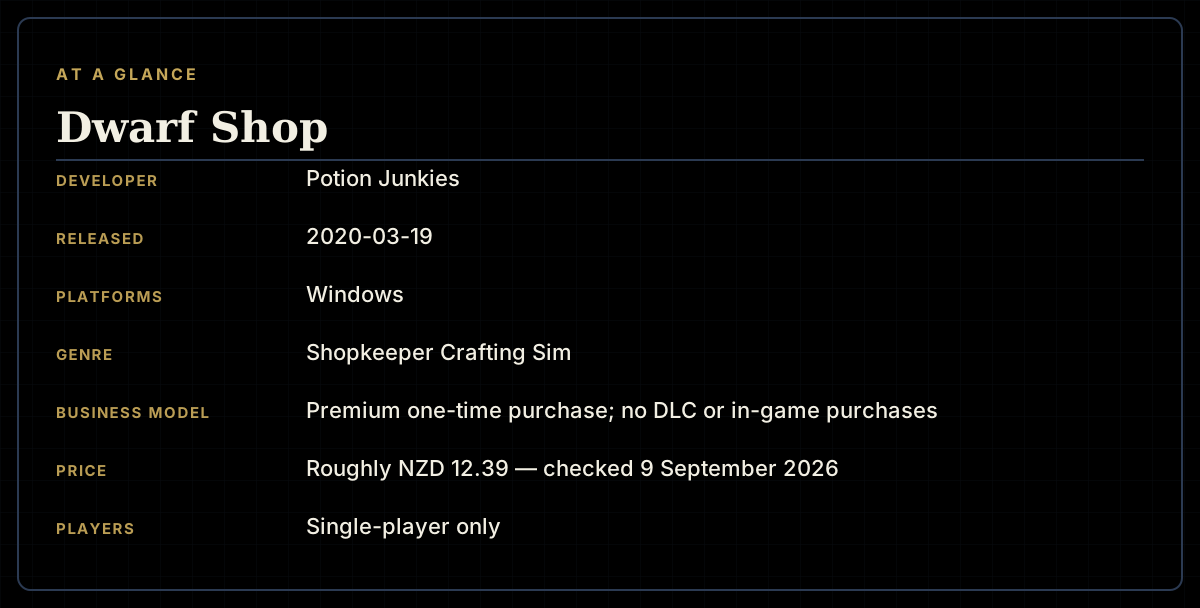
- Developer
- Potion Junkies
- Publisher
- Potion Junkies
- Released
- 19 March 2020
- Platforms
- Windows
- Genre
- Shopkeeper Crafting Sim
- Monetisation
- Premium one-time purchase; no DLC or in-game purchases
- Players
- Single-player only
The short version
Dwarf Shop asks players to send a single dwarf mining, craft the loot into weapons and armor, and haggle over prices with customers — a Recettear-style loop in the mold of Swag and Sorcery, and a real niche of reviewers finds it a genuinely relaxing multitasking game. What a larger, more detailed share of the review sample reports is a specific mismatch between marketing and reality: a game framed around idle-style automation that plays out as a fully linear, manually-managed clicker, wrapped in an interface multiple independent reviewers single out as among the worst they've encountered in the genre.
Biggest strengths
- The core crafting-and-pricing loop, deciding what to make and how much to charge for it, is genuinely engaging for a real slice of reviewers who describe it as a satisfying puzzle in its own right
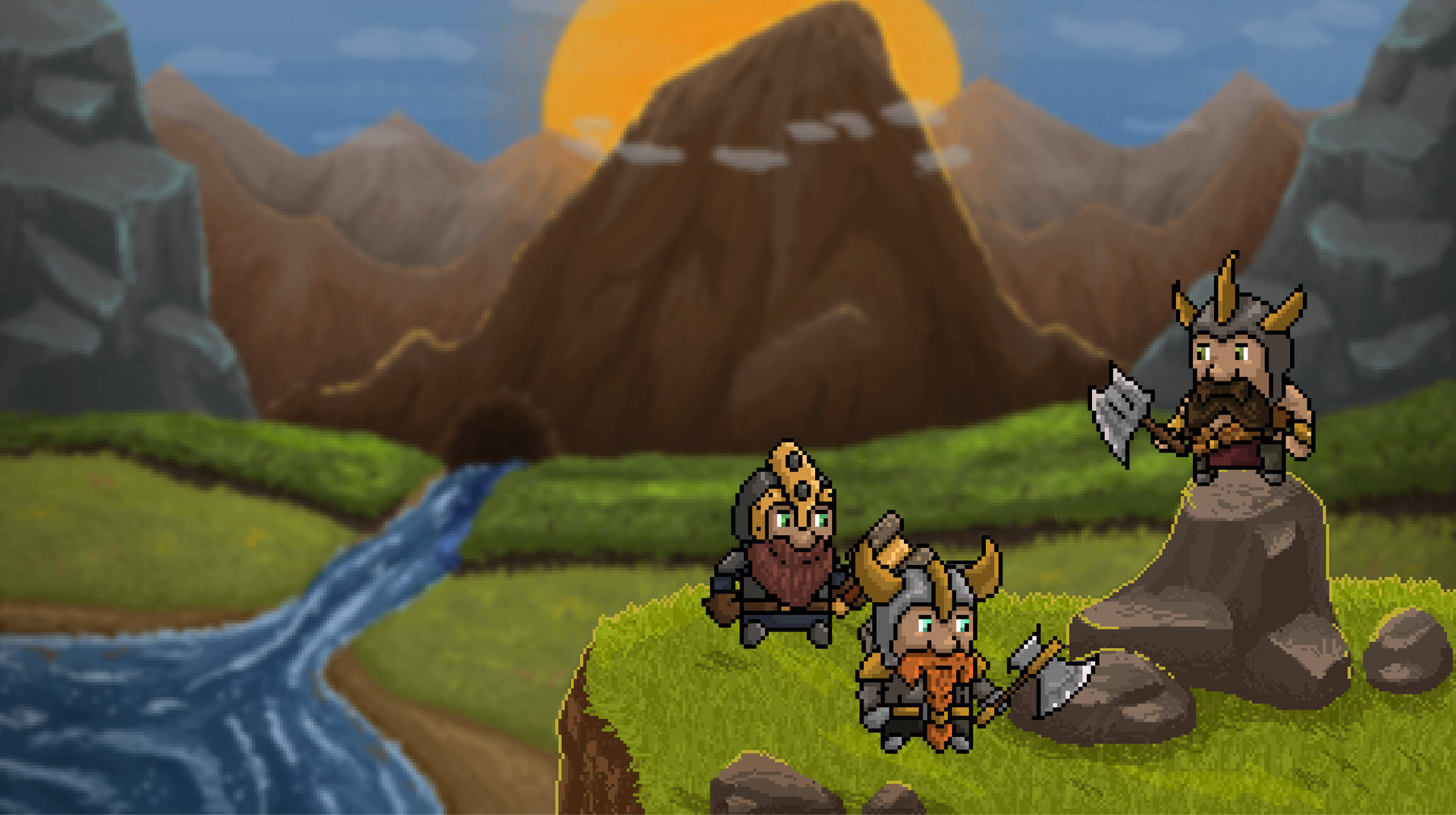
- Pixel art and overall presentation earn consistent, if modest, praise as charming and fitting for the dwarf-shop premise
- The game works well as a background activity for multitasking, with several reviewers specifically recommending it for half-attention play alongside watching something else
Biggest weaknesses
- A large, detailed and independently corroborated share of reviewers reports the game was marketed with idle-style framing that the actual gameplay doesn't deliver, describing it instead as a fully linear, entirely manually-managed clicker with no meaningful automation
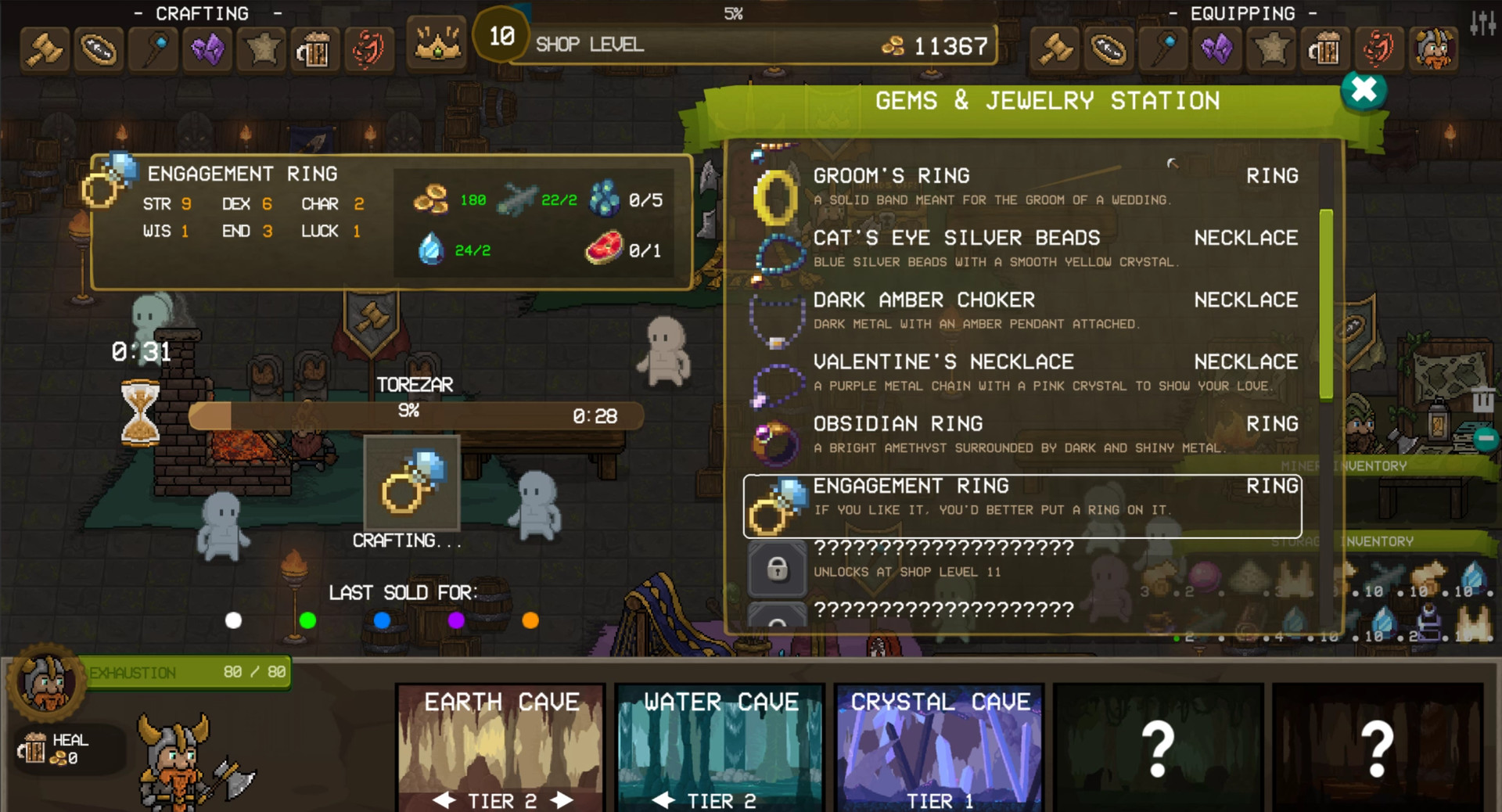
- The interface draws unusually harsh, specific criticism across multiple reviewers, including a non-sorting inventory, no tooltips indicating where needed crafting materials can be found, and broken support for ultrawide monitor aspect ratios
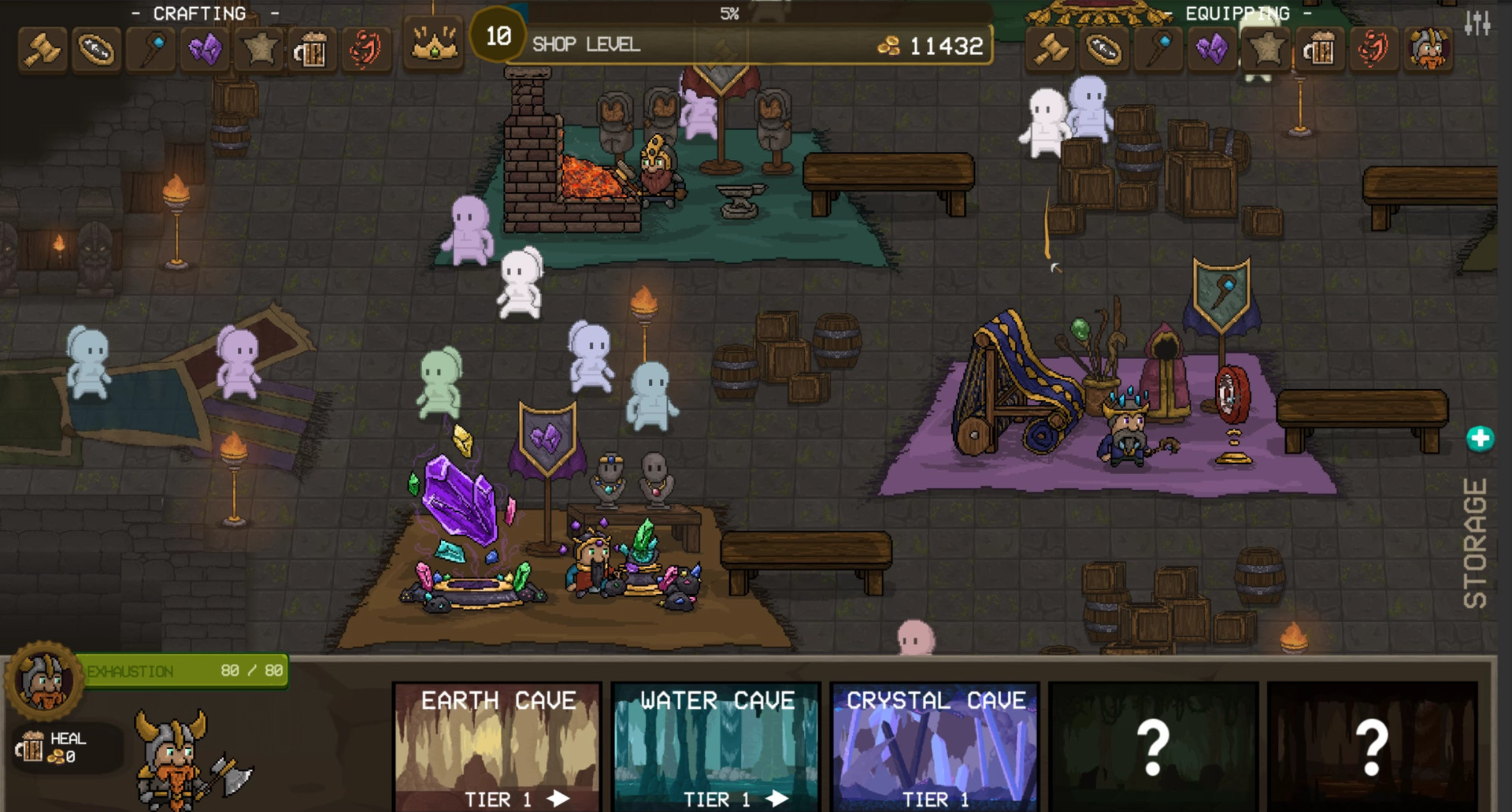
- Content depth is reported as extremely shallow even by the standards of the genre, with the entire game reducible, by several accounts, to one dwarf gathering resources and a small set of repetitive crafting and selling menus
Who it's for: Fans of low-stakes shopkeeper crafting games looking for something to half-attend to while doing something else, and specifically willing to overlook interface friction, more than players expecting genuine automation or a polished production.
Our recommendation: Only worth it on a deep sale — the near-universal advice across the review sample regardless of overall sentiment — and go in expecting a manually-managed clicker rather than the idle-automation experience some of its own marketing implies.
4.5 / 10
Send one dwarf down into the caves for resources, craft what he brings back into weapons and armor, haggle with customers over the right price, and repeat that whole cycle patiently until a dragon is finally impressed enough by the pile of gold to move in with the clan. Dwarf Shop's premise sits squarely in the Recettear-and-Swag-and- Sorcery shopkeeper lineage, and a real, if narrow, slice of its reviewers describe exactly the relaxing, half-attention experience that lineage promises. A larger, more detailed share of the review sample describes a different game entirely underneath the same pitch.
A genuinely relaxing loop, for the specific audience it actually suits
Where the game works, it works specifically as background entertainment. Reviewers who enjoy it consistently frame the crafting-and-pricing decisions as a genuinely engaging small puzzle, and several specifically recommend it as something to half-watch while doing other things, crediting the low-stakes, no-microtransaction structure with making that kind of casual engagement possible without the nagging monetisation pressure similar mobile-adjacent games often carry. Pixel art draws modest, consistent praise, and the achievement list is short enough to give completionists an easy, low-stress target.
A marketing framing multiple independent reviewers say the game doesn't actually deliver
The dominant complaint concerns what kind of game this actually is. Multiple independent reviewers describe Dwarf Shop as marketed with idle-game framing that the actual experience contradicts directly — one reviewer states plainly that it "isn't even an idle game" despite being advertised that way, describing the real gameplay as fully linear and entirely dependent on manual clicking rather than any meaningful automation. That's a specific, repeated complaint rather than a vague disappointment, and it lines up with a second, equally pointed thread: a near-total absence of production automation that several reviewers say is exactly the feature a game built around repetitive resource-gathering and crafting most needed.
An interface reviewers describe in unusually harsh, specific terms
Beyond the genre-framing complaint, the interface itself draws some of the sharpest language in this review's entire sample. Multiple reviewers independently call it among the worst they've encountered, citing a non-sorting inventory, a complete lack of tooltips indicating where specific crafting materials can actually be found, and broken support for ultrawide monitor aspect ratios that cuts off usable screen space entirely. Combined with reports of extreme content shallowness — the entire game reducible, by several accounts, to one dwarf and a handful of repetitive menus — the picture that emerges is of a small, under-polished project rather than a fully realized take on its genre.
A short support window, confirmed directly against the record
The developer's own public update history backs up reviewers' independent claims about support ending early: a handful of patches all land within the first month after the March 2020 launch, with nothing visible in the record since. Several reviewers explicitly note this directly, describing a game that shipped complete enough to function but never received the automation or quality-of-life improvements many say it clearly needed. That's a genuine, verifiable data point rather than assumption — this is a small, single-burst release rather than an ongoing project, and buyers should evaluate it entirely on the state it shipped in rather than expecting any further changes to arrive.
What the achievement data confirms about how the game is actually played
Global achievement data supports the "short and mostly linear" account directly. Early achievements clear well over 90% of owners, a very gentle curve compared to most games this lane has covered, and even the harder late-game goals still clear a meaningful double-digit share of the playerbase before falling into single digits only at the very end. That shape is consistent with a genuinely short, low-difficulty experience most players complete without serious obstruction — supporting the "shallow" complaint more than a "too hard to progress" one, and reinforcing that the criticism here is about depth and polish rather than an unfair difficulty wall.
Where it sits against its own closest genre peers
Reviewers reach for two specific comparison points — Swag and Sorcery and Recettear — when placing Dwarf Shop in context, and the comparison is instructive rather than flattering. Both reference points are consistently credited by the same reviewers with deeper crafting systems, more meaningful customer interactions, or better automation options than Dwarf Shop offers, positioning this release as a smaller, rougher entry into a niche its own reviewers clearly already know well from stronger examples. That's useful calibration for anyone deciding whether this specific title or a better-regarded genre peer is the better use of a similar budget.
Verdict
Dwarf Shop finds a real, if narrow, audience among players specifically looking for a low-stakes, half-attention shopkeeper loop, and for that specific audience the core crafting-and-pricing puzzle genuinely works. It falls to a low score here because a larger, more detailed share of its own reviewers report a meaningful gap between how the game was marketed and what it actually delivers, compounded by an interface criticized in unusually harsh terms and a support window that closed within its first month. Worth a look only on a deep sale, and only with realistic expectations about the manual, linear game underneath the idle framing — and if the specific shopkeeper-crafting niche already has your attention, weighing it directly against better-regarded genre peers like Swag and Sorcery or Recettear before deciding is a reasonable extra step given how consistently reviewers make that exact comparison unprompted.
Pros and cons
Pros
- The core crafting-and-pricing loop, deciding what to make and how much to charge for it, is genuinely engaging for a real slice of reviewers who describe it as a satisfying puzzle in its own right
- Pixel art and overall presentation earn consistent, if modest, praise as charming and fitting for the dwarf-shop premise
- The game works well as a background activity for multitasking, with several reviewers specifically recommending it for half-attention play alongside watching something else
- There are no in-game purchases or microtransactions layered onto the premium price, a point several reviewers specifically credit given how common that model is in similar mobile-adjacent shop games
- A short, achievable achievement list gives completionists a low-effort, low-stress target, with one detailed review estimating around 8 hours to fully complete
Cons
- A large, detailed and independently corroborated share of reviewers reports the game was marketed with idle-style framing that the actual gameplay doesn't deliver, describing it instead as a fully linear, entirely manually-managed clicker with no meaningful automation
- The interface draws unusually harsh, specific criticism across multiple reviewers, including a non-sorting inventory, no tooltips indicating where needed crafting materials can be found, and broken support for ultrawide monitor aspect ratios
- Content depth is reported as extremely shallow even by the standards of the genre, with the entire game reducible, by several accounts, to one dwarf gathering resources and a small set of repetitive crafting and selling menus
- The developer's own public update history shows only a handful of patches, all within the first month after the March 2020 launch, with reviewers independently confirming no further support has followed in the years since
- Several reviewers describe the end-game specifically as artificially inflated grinding meant to extend a short game's playtime rather than genuine additional content, with late levels requiring disproportionate time relative to what they actually add
Screenshots
-
Dwarf ShopImage: Potion Junkies via Steam -
Dwarf ShopImage: Potion Junkies via Steam -
Dwarf ShopImage: Potion Junkies via Steam -
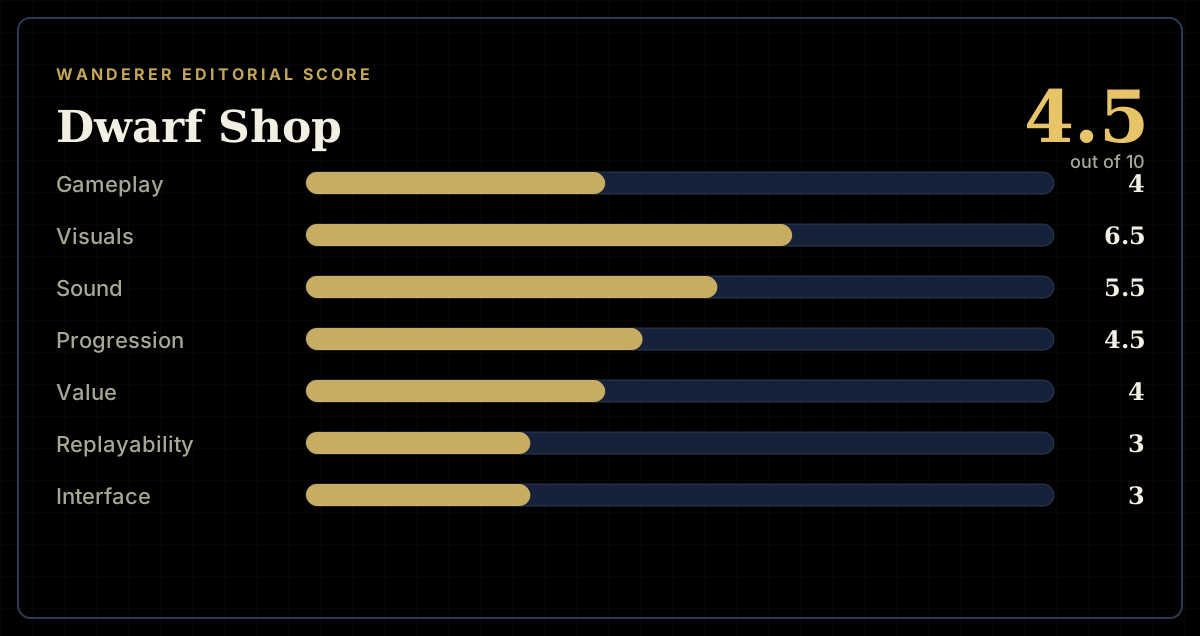
How the review scores each part of the gameWanderer Editorial -
At a glanceWanderer Editorial -
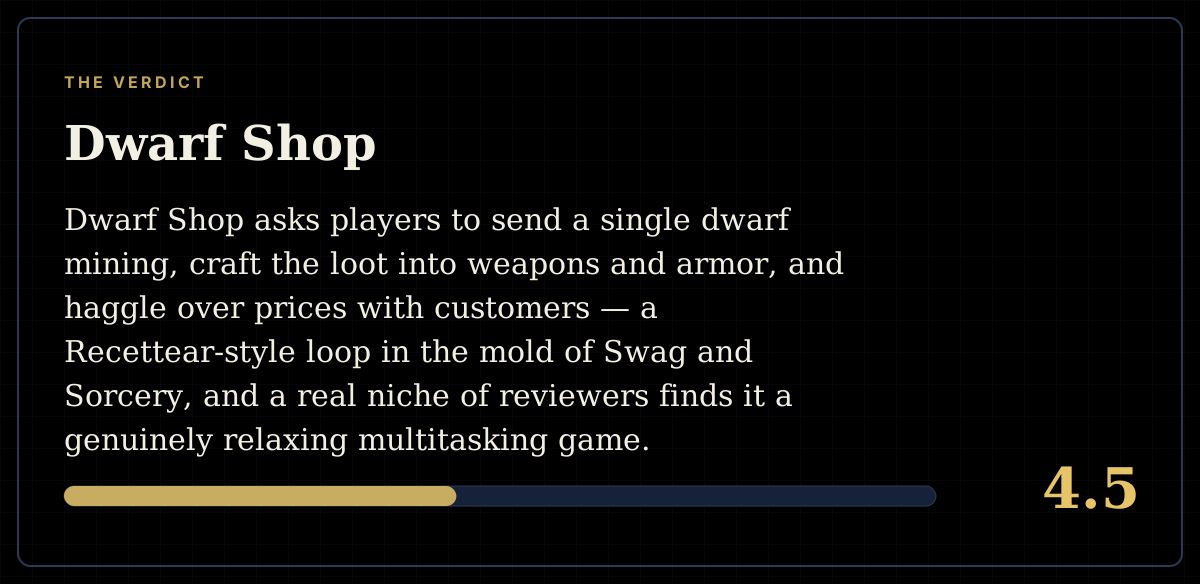
The short versionWanderer Editorial