Game review
Dwarf Delve
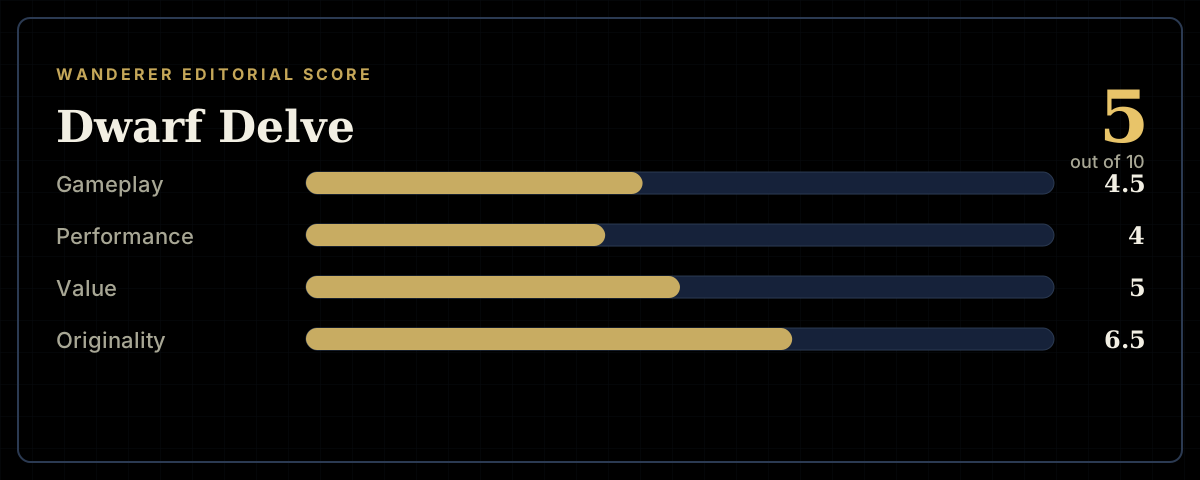
5 / 10
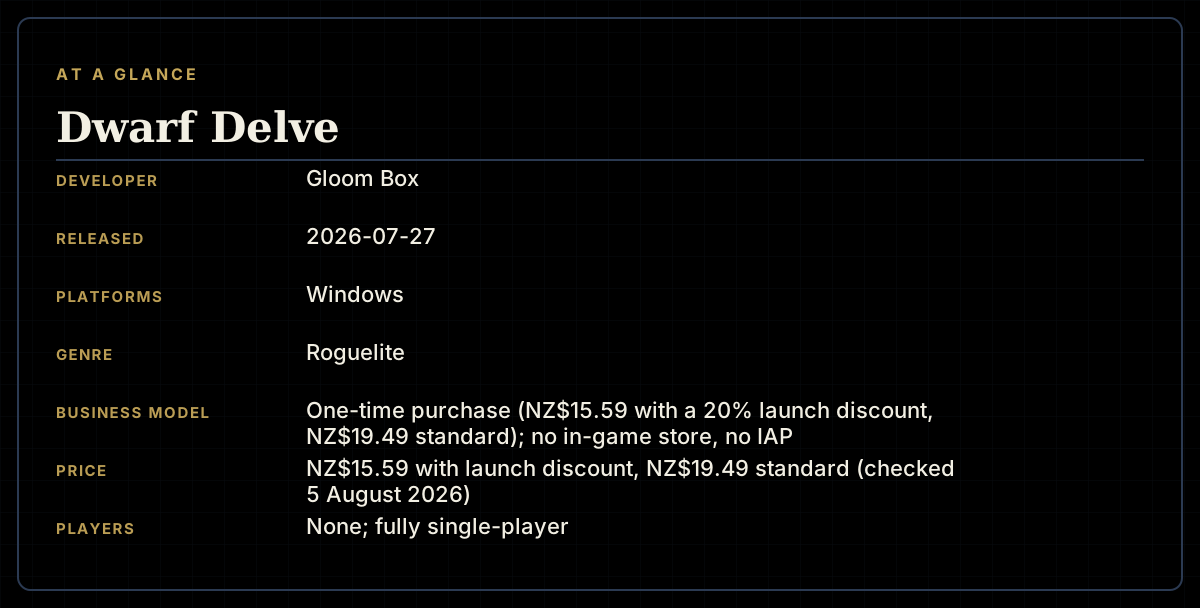
- Developer
- Gloom Box
- Publisher
- Gloom Box
- Released
- 27 July 2026
- Platforms
- Windows
- Genre
- Roguelite
- Monetisation
- One-time purchase (NZ$15.59 with a 20% launch discount, NZ$19.49 standard); no in-game store, no IAP
- Players
- None; fully single-player
The short version
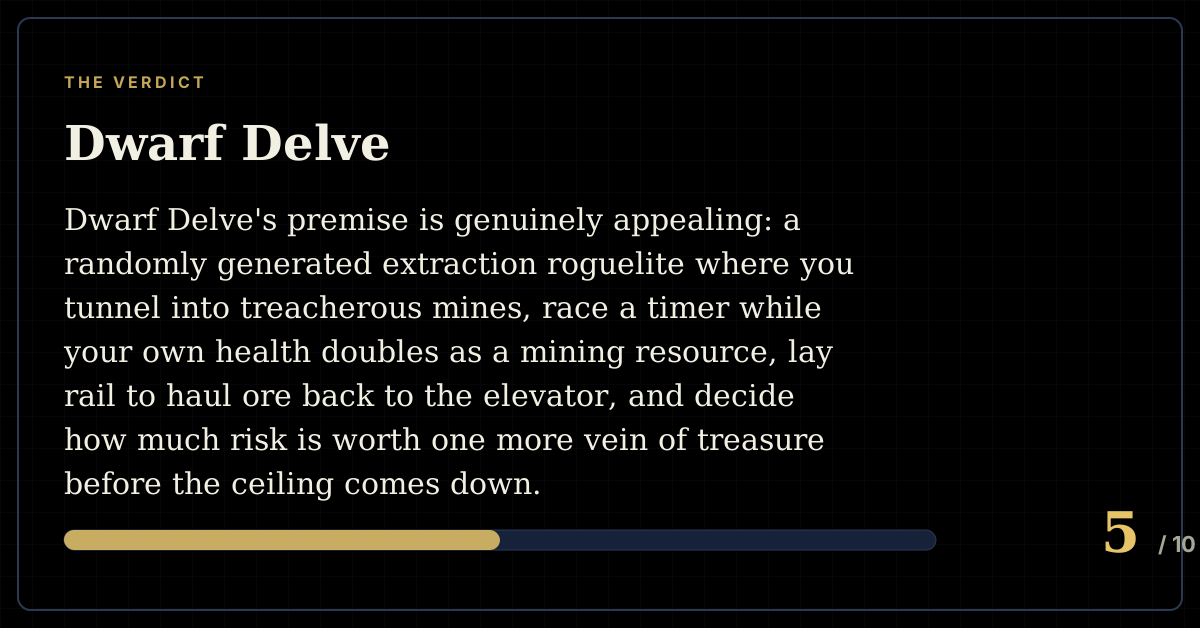
Dwarf Delve's premise is genuinely appealing: a randomly generated extraction roguelite where you tunnel into treacherous mines, race a timer while your own health doubles as a mining resource, lay rail to haul ore back to the elevator, and decide how much risk is worth one more vein of treasure before the ceiling comes down. It's Deep Rock Galactic's tension distilled into a single-player dwarf-fantasy loop, and reading the reviews that actually engage with the idea, it's clear the concept lands.
What doesn't land, for a majority of Dwarf Delve's first reviewers, is the execution as currently shipped. Ten days after launch, the game sits at "Mostly Negative," and the specific complaints are serious and repeated across languages: players independently report soft-locking themselves during the tutorial, controls and item interactions that go unexplained, and performance rough enough to draw complaints from multiple countries. What makes this an unusual negative review is how many of the negative reviewers are pulling their punches anyway — because the solo developer behind it has been visibly, rapidly trying to fix what's broken, and a meaningful share of the community is rooting for him to get there.
Biggest strengths
- A genuinely appealing core concept — extraction-roguelite tension applied to dwarf-fantasy mining, with health doubling as a mining resource and a real risk-reward extraction decision every run
- Reviewers across the sample, positive and negative alike, consistently credit real visual care and love in the game's presentation
- An unusually responsive solo developer, shipping a hotfix explicitly titled "I've Heard Your Feedback!" the day after launch, and continuing to patch based on specific player reports
Biggest weaknesses
- Multiple reviewers, independently and across English, Dutch and other languages, report soft-locking themselves during the tutorial or opening moments — a serious, repeated barrier to even starting the game
- Performance complaints, including camera stutter reported specifically in a Russian-language review, appear across enough of the sample to read as a real, current issue rather than isolated hardware trouble
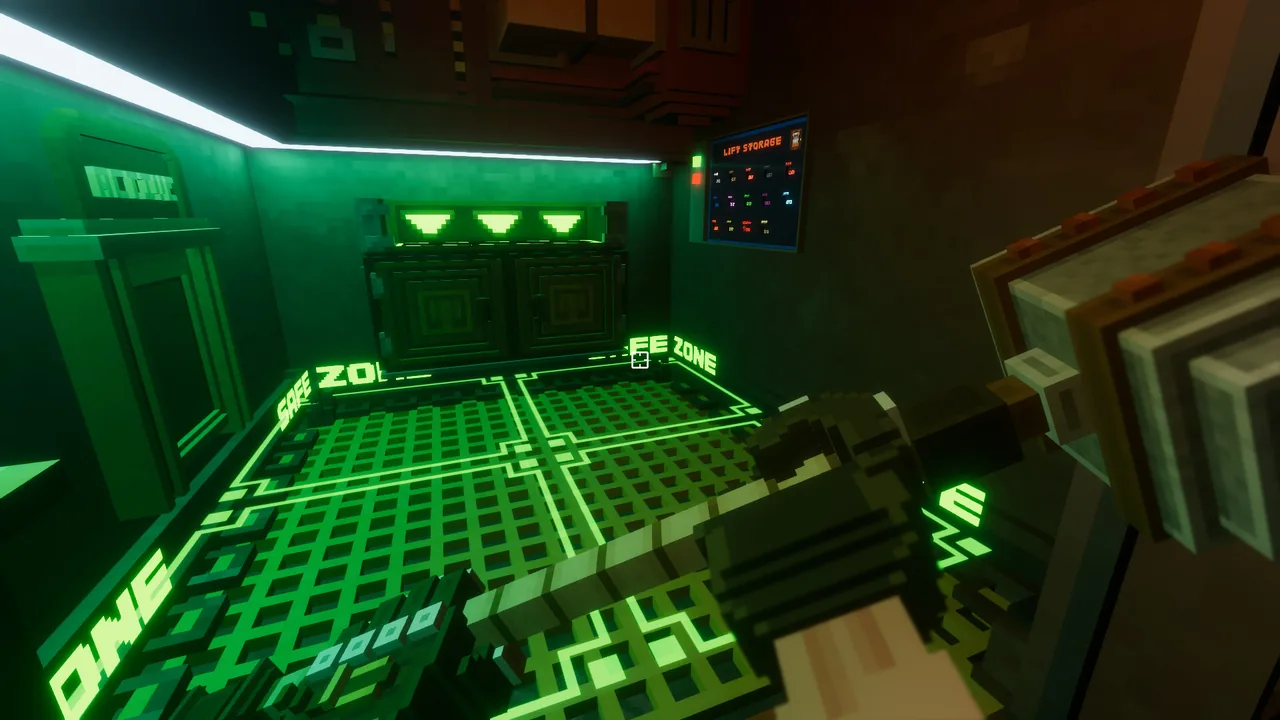
- Core interactions — securing extracted items, relighting a lantern, storing ores — are described by several reviewers as unexplained, forcing new players to guess at basic systems
Who it's for: Extraction-roguelite fans excited about the concept who are comfortable being an early, patient adopter of a rough solo-developer launch — not players who want a working game on day one.
Our recommendation: Wait. The idea is good enough to be worth revisiting once the tutorial, controls and performance issues its own players are reporting have had more time to be addressed — buying in today means buying into the fixing process, not the finished game.
5 / 10
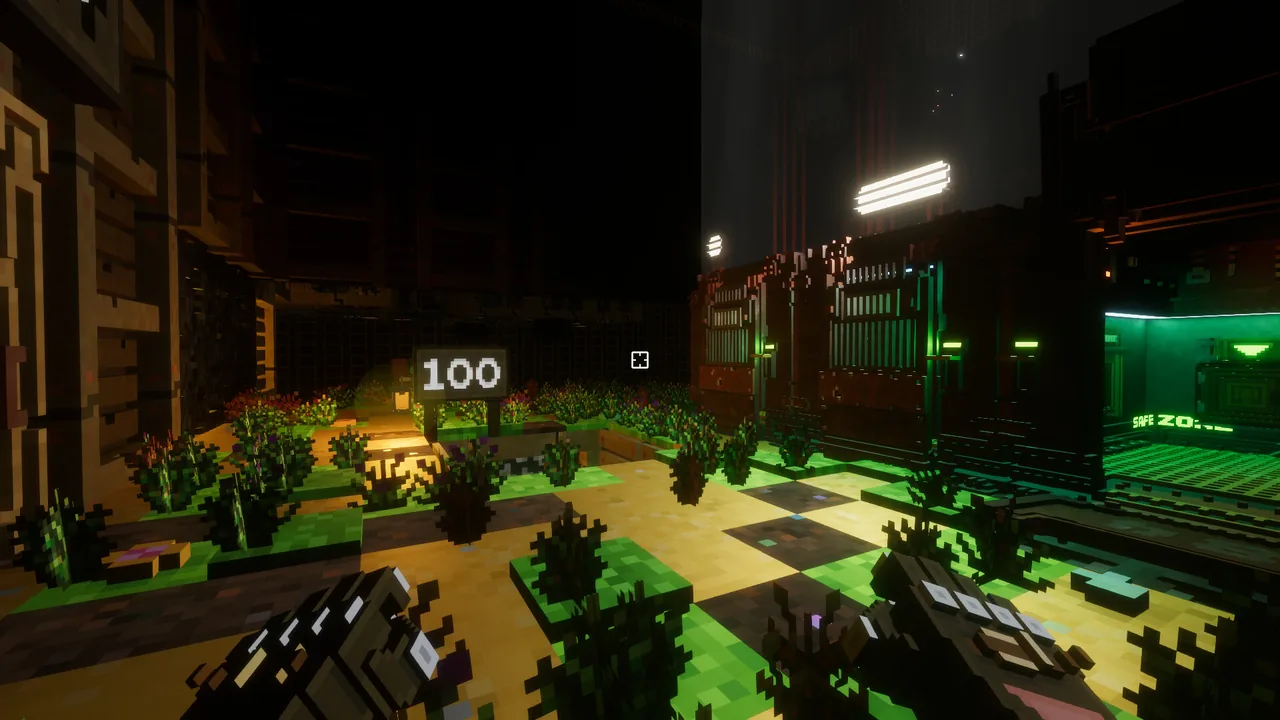
Extraction games ask a specific question over and over: is what you're carrying worth the risk of carrying it out? Dwarf Delve applies that tension to a randomly generated dwarven mine, with a mechanical twist worth noting on its own — your health doubles as a mining resource, so swinging your Battlemallet at ore costs you more than time. Lay rail to haul loot back to the elevator, manage light against the dark, and decide how much deeper is one delve too many. It's a genuinely good hook, built by a solo developer under the studio name Gloom Box, and it's the reason so many of Dwarf Delve's negative reviews still read as disappointed rather than dismissive.
A concept its players want to love
Read past the launch complaints and the underlying appeal is clear. One reviewer, roughly eight hours in, opens with "Have I played almost 8 hours STRAIGHT so far despite it being moderately buggy, of course but did I love every second of it anyways? Hell yeah!" Another, similarly invested, pushes back directly against the wave of negative reviews: "im seeing a lot of disapproval how long it takes to get the game started, and i think that I might be the target player base because me and one other commenter have played for 8 straight hours." A German review calls it "a great game with a lot of potential" where "you really notice a lot of love went into it," hoping the developer isn't discouraged by the early bad reviews. None of these are uncritical — they all acknowledge real bugs — but they describe a loop that, once it clicks, genuinely holds attention for hours at a stretch.
What's actually broken
The negative reviews are specific enough to take seriously as a pattern rather than scattered frustration. Several reviewers, independently, report soft-locking themselves before completing even the tutorial — one describes hitting what they thought was the correct elevator lever only to be trapped inside it, unable to progress; a Dutch-language review reports an identical outcome, picking up a lantern before a hammer and finding the game unable to proceed, closing with "Big nope for me." A third English review separately confirms an "instant softlock" before their first dive. Three independent reports of the same category of failure, in the game's opening minutes, is a serious finding regardless of how good the mid-game loop turns out to be — most players never get there.
Performance complaints run alongside the softlocks. A Russian-language review reports visible stutter on the very first camera movements, serious enough to send the reviewer digging through settings menus looking for a fix before eventually refunding. Multiple English reviews separately describe the game as "clunky," citing specific friction points — a letterbox UI element that opens with a slow forced animation every time, a vitality system that reviewers say draws from the wrong resource pool during mining work, and item interactions (securing extracted loot, relighting a lantern, storing ores in a chest) that go unexplained by any in-game tutorial. One detailed critique argues the core extraction timer barely functions as designed: health lost while mining outpaces the time limit meant to create urgency, so the mechanic meant to define the genre barely comes into play before players are forced to retreat for other reasons.
A developer visibly trying to catch up
What separates Dwarf Delve from a typical rough launch is how directly the developer has responded, and how many reviewers are crediting that response even while still marking the game negative. The patch history backs this up: a hotfix titled plainly "I've Heard Your Feedback! - The Vitality Hotfix" landed the day after launch, directly addressing the stamina-versus-vitality complaint showing up in reviews, followed by a further "QoL Hotfix 1" days later. One reviewer explicitly changed their review score, writing "the dev is actively listening and engaging with criticism... they're pumping out updates to fix problems (2 on day 2 like dam!)," while still noting real flaws remain for a solo developer's project. A Swedish reviewer describes reading mostly negative reviews, joining the game's Discord specifically to check on the situation, and coming away impressed enough by the developer's visible effort to keep supporting the game regardless.
That goodwill is real, but it's worth being honest about what it hasn't yet accomplished: as of this review, ten days and three patches after launch, Dwarf Delve still sits at 36% positive. Two patches addressing specific complaints haven't been enough, on their own, to shift the aggregate — either because the underlying issues run deeper than those fixes reached, or because the wave of early "unplayable at launch" reviews simply hasn't been outpaced yet by newer, more favourable ones. Both explanations point to the same practical advice for a prospective buyer: the trajectory looks better than the current number, but the current number is still the honest state of the game today.
Final verdict
Dwarf Delve deserves genuine credit for its concept and for a solo developer who is doing everything right in response to a difficult launch — fast, specific, publicly acknowledged fixes, and real engagement with the community reporting problems. None of that changes what the review sample actually shows: softlocks reported independently across multiple languages, performance complaints that go beyond isolated hardware issues, and core interactions the game currently fails to explain. This is an honest "Mostly Negative" rather than an unfair one, and it should be read as exactly that rather than smoothed over because the developer is sympathetic.
If the extraction-mining concept genuinely appeals to you, this is worth wishlisting and revisiting in a month or two once the fixes have had more time to compound — not a game to buy today expecting a smooth first session.
Players who want that same tension between risk and reward, built on a foundation that's already had years to stabilise rather than ten days, may also want to look at Wanderer.
Pros and cons
Pros
- A genuinely appealing core concept — extraction-roguelite tension applied to dwarf-fantasy mining, with health doubling as a mining resource and a real risk-reward extraction decision every run
- Reviewers across the sample, positive and negative alike, consistently credit real visual care and love in the game's presentation
- An unusually responsive solo developer, shipping a hotfix explicitly titled "I've Heard Your Feedback!" the day after launch, and continuing to patch based on specific player reports
- Several long-playtime reviewers (multiple in the 400-550 minute range) report genuinely enjoying extended sessions despite acknowledging the game's rough edges
- A discord community reviewers describe as active and engaged, giving the developer direct, fast feedback loops uncommon for a solo project
Cons
- Multiple reviewers, independently and across English, Dutch and other languages, report soft-locking themselves during the tutorial or opening moments — a serious, repeated barrier to even starting the game
- Performance complaints, including camera stutter reported specifically in a Russian-language review, appear across enough of the sample to read as a real, current issue rather than isolated hardware trouble
- Core interactions — securing extracted items, relighting a lantern, storing ores — are described by several reviewers as unexplained, forcing new players to guess at basic systems
- The extraction timer is criticised by at least one detailed review as effectively unreachable in practice, since health lost while mining outpaces the time available before the timer would matter
- At 10 of 28 reviews positive (36%), the current aggregate genuinely reflects a rough launch rather than review-bombing or an unrelated controversy — this is a real quality problem, not a misread score
Screenshots
-
Dwarf DelveImage: Gloom Box via Steam -
Dwarf DelveImage: Gloom Box via Steam -
Dwarf DelveImage: Gloom Box via Steam -
How the review scores each part of the gameWanderer Editorial -
The game at a glanceWanderer Editorial -
The short versionWanderer Editorial