Game review
Dungeon Keeper Gold
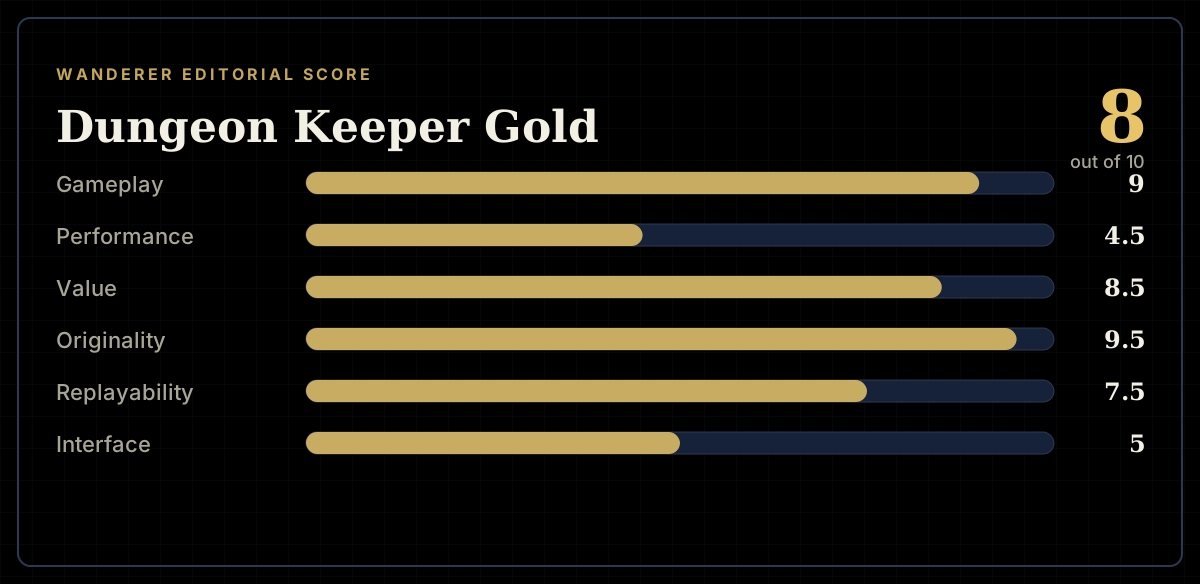
8 / 10
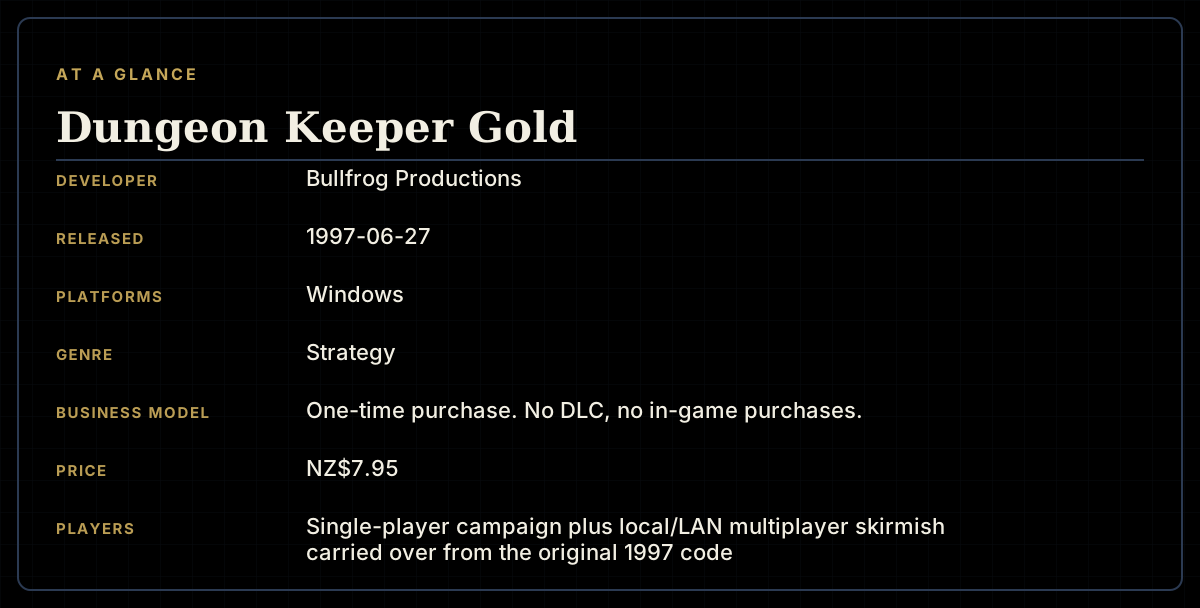
- Developer
- Bullfrog Productions
- Publisher
- Electronic Arts
- Released
- 27 June 1997
- Platforms
- Windows
- Genre
- Strategy
- Monetisation
- One-time purchase. No DLC, no in-game purchases.
- Players
- Single-player campaign plus local/LAN multiplayer skirmish carried over from the original 1997 code
The short version
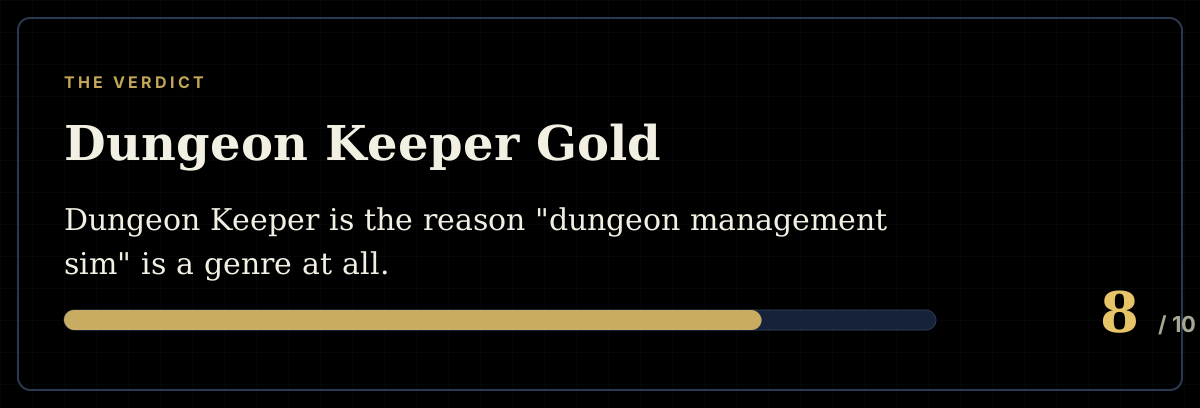
Dungeon Keeper is the reason "dungeon management sim" is a genre at all. You are the villain: you carve tunnels out of living rock, wire them with traps, breed and bully an army of imps and demons, and grind down the do-gooding heroes who come to raid you — a total inversion of every fantasy game that came before it, delivered with Bullfrog's trademark gallows humour and Peter Molyneux's last credit at the studio before he left to found Lionhead. Nothing has fully replaced it in almost thirty years, which alone should tell you how good the design underneath is.
What Electronic Arts shipped on Steam in March 2024, though, is not a remaster. It is the original DOS executable in a DOSBox wrapper, with the same fixed low-resolution display, the same mouse-sensitivity quirks and the same crash triggers the game has always had — and the Steam review section for this listing has become, in effect, a crowd-sourced instruction manual for installing KeeperFX, the free fan-made engine remake that fixes nearly all of it. Buy this for the design and the price. Expect a five-minute detour to actually enjoy it on a modern screen.
Biggest strengths
- One of the only true "play as the dungeon" management sims ever made, and still the best-designed one
- Includes the 1997 expansion The Deeper Dungeons at no extra cost, doubling the campaign
- Dark, self-aware writing and voice work that has aged better than most of the graphics around it
Biggest weaknesses
- Ships as an unaltered 1997 DOSBox build — fixed low resolution, no windowed-mode scaling, no modern options menu
- Mouse sensitivity and a cursor-sticking bug are the most-repeated complaints in the review corpus, and both are old, known issues Valve's listing does nothing to address
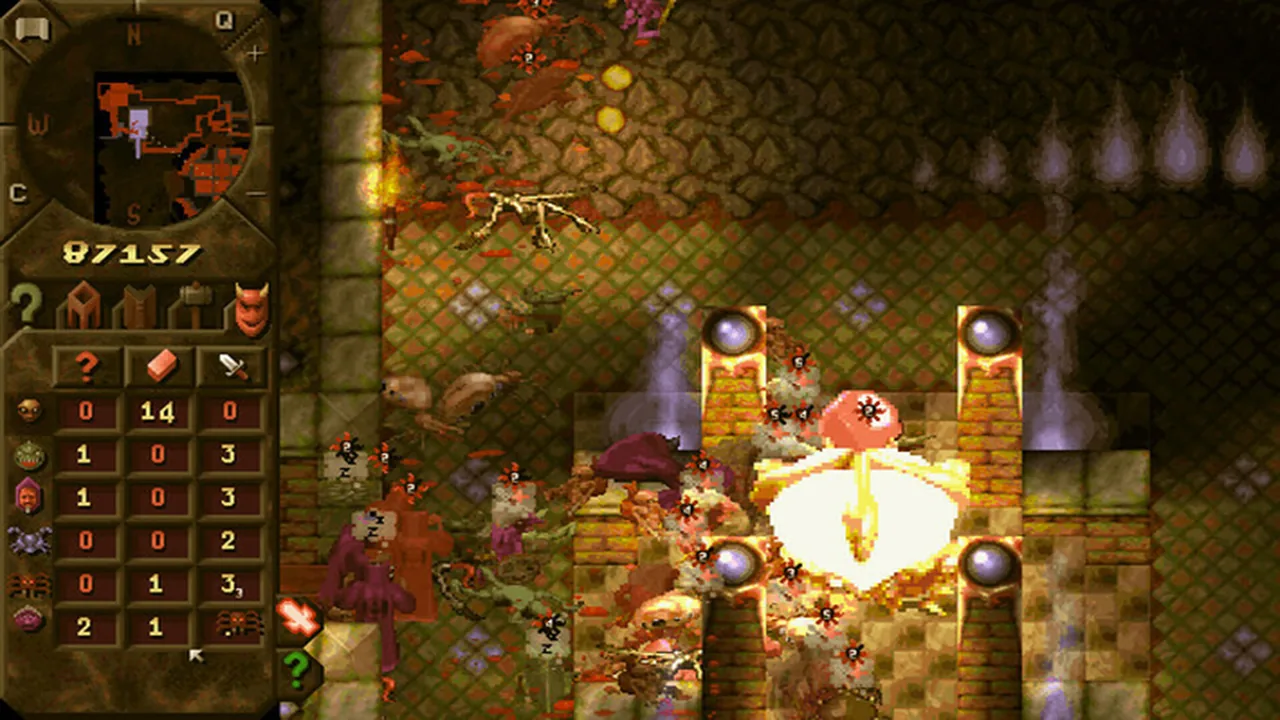
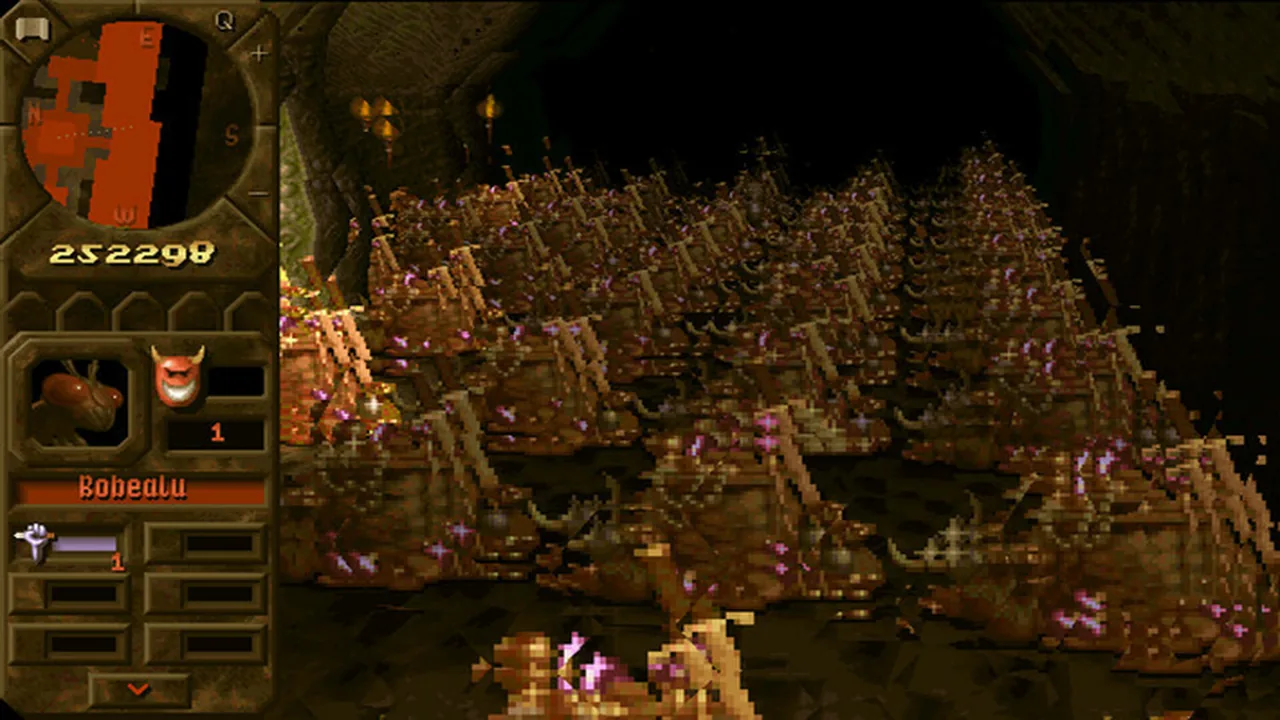
- Frame rate visibly drops once a map holds 50-100 creatures, a hardware ceiling from 1997 that a DOSBox wrapper does not lift
Who it's for: Strategy fans who want to see where the "evil overlord base-builder" genre actually started, and anyone nostalgic for the original who is willing to spend five minutes on a free community patch. A poor fit for anyone who wants a game that just works out of the box on a 4K monitor.
Our recommendation: Buy it, then immediately go looking for KeeperFX. At NZ$7.95 for the base game plus its expansion, the price was never the obstacle — the presentation is, and the fix for that is free, well-documented and endorsed by the loudest voices in this game's own review section.
8 / 10
Every management sim where you play the monster instead of the hero owes something to this game. Dungeon Keeper shipped from Bullfrog Productions on 27 June 1997, under Electronic Arts, with Peter Molyneux producing his last title at the studio before departing to found Lionhead — and it built an entire inverted fantasy out of a simple pitch: you are not the adventuring party descending into the dungeon, you are the thing that owns it. This review covers Dungeon Keeper Gold, the version sold on Steam today, which bundles the original campaign with November 1997's expansion The Deeper Dungeons — the two were first packaged together as "Gold" in 1998, and EA re-released that combination on Steam on 7 March 2024, nearly three decades after the original disc. The 2024 date on the store page is a listing date, not a development date; nothing about the game itself is new.
What you're actually the villain of
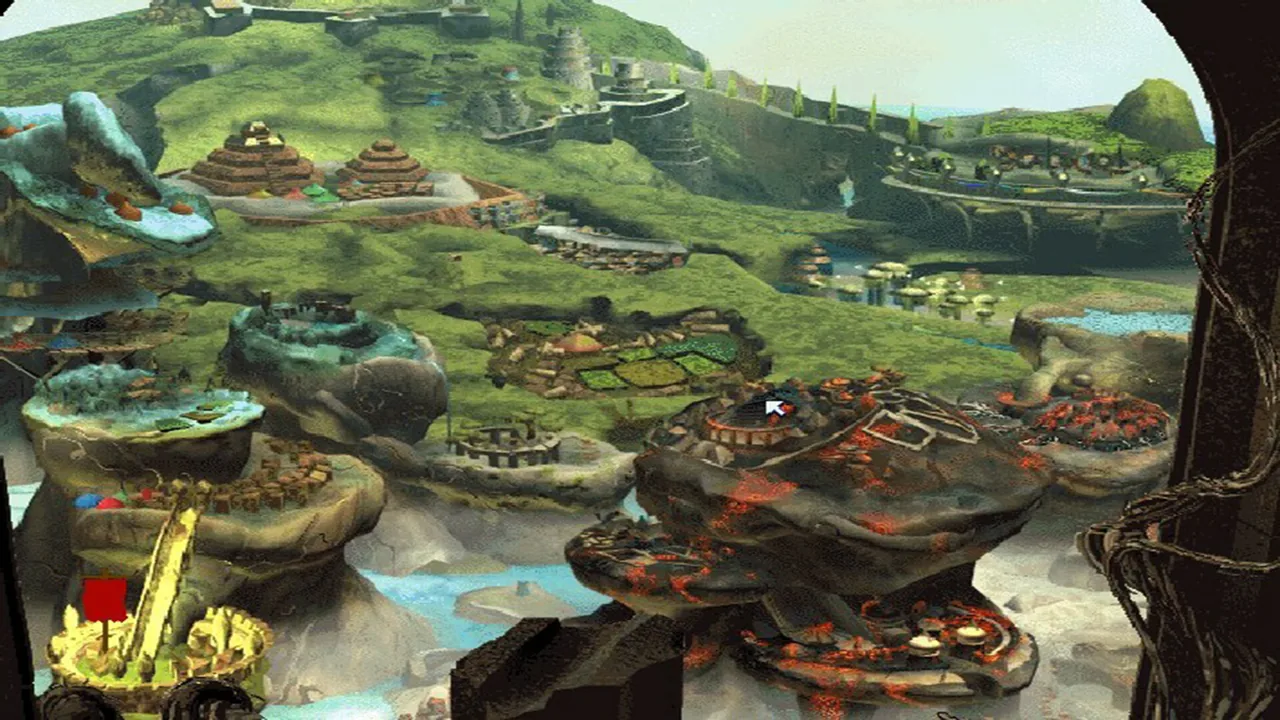
The loop is a real-time management sim wearing a dark-fantasy skin. You claim territory by mining out solid rock with imps, wire the resulting tunnels into rooms — a lair for your creatures to sleep in, a hatchery to breed food, a training room, a torture chamber for extracting loyalty from prisoners and traitors alike — and defend the whole structure with a mix of traps, doors and your own directly-controlled "Hand of Evil," which can pick up creatures, slap them into obedience, or drop them bodily onto a threat. Good-aligned heroes invade on a schedule, in scripted set-pieces and open raids alike, and the entire back half of any level is the tension between growing your dungeon's economy and making sure it can survive being attacked while you do. It is, structurally, a base-building RTS crossed with a god game, but the framing — dark humour throughout, fully voiced narration that treats being the bad guy as the punchline and the point — is what makes it distinctive even next to other games built on the same skeleton. Steam's own short description leans into it without apology: this is a game with "no extra credit for having any morals."
The Deeper Dungeons expansion, included here at no extra cost, adds fifteen further singleplayer maps and fifteen multiplayer ones on top of the original campaign, along with AI improvements Bullfrog made after the base game shipped. For a NZ$7.95 asking price, that is the original plus its full add-on, not a trimmed-down re-release — one of the clearer value propositions in this library's back catalogue of classic re-releases.
Nothing has really replaced it
It is worth being blunt about how thin the "played as the dungeon lord" subgenre actually is, almost thirty years later. War for the Overworld and the Dungeons series both openly cite this game as their direct ancestor, and neither has displaced it as the reference point — reviewers and players alike still reach for "it's basically Dungeon Keeper" as the highest compliment either can receive. That is the strongest evidence for how well the original design holds up: the loop of claiming territory, managing a monstrous workforce with its own needs and grudges, and defending it against a moralising invader is still, on its own terms, close to unimproved. Score the originality here at the top of the scale not out of nostalgia but because so little has actually tried to out-build it since.
The Steam release is a museum piece, not a remaster
Here is the part every prospective buyer needs going in, because the review corpus makes it impossible to miss: this listing is the unmodified 1997 executable running under DOSBox, with none of the concessions a 2024 re-release would normally carry. There is no native high-resolution mode, no proper windowed scaling, and no modern options menu layered over the original — what shipped on the original CD is, functionally, what installs today. Reading through the full set of English-language reviews turns up the same handful of complaints again and again: a cursor that can get permanently stuck to the left edge of the screen mid-game with no fix short of a forced shutdown, mouse sensitivity that several players describe as unplayably fast with no way to tame it from in-game options, and a frame rate that visibly sags once a map is holding fifty to a hundred creatures at once — a hardware ceiling the original engine hit in 1997 that a DOSBox wrapper does nothing to lift. One frequently-cited fix players do recommend from inside the game's own settings: an Alt+R hotkey renders in a proper 3D mode released after the original launch, though several reviewers note it costs performance without other tweaks alongside it.
A smaller but recurring complaint concerns a splash screen on first launch that asks players to accept EA Play Terms — read by at least one prominent negative review as the game requiring an always-online EA subscription client just to run. It doesn't: multiple other reviewers confirm the game runs identically to the DRM-free GOG release, with no Origin or EA App installation on their machine, and that this is worth flagging precisely because it's a real point of confusion in the review section rather than a real technical requirement. What genuinely is true, and worth crediting: unlike earlier EA digital re-releases of this game, the Steam version needs no Origin client and no online check to launch, which multiple long-time owners single out as reason enough to prefer this listing over older digital copies.
The fix almost everyone in the reviews recommends
What makes this an unusually easy game to review honestly is that its own community has already converged on a solution, and it shows up constantly in the feedback: KeeperFX, a free, actively maintained, open-source engine remake built by reverse-engineering and then fully rewriting the original game's code. It requires the original game files as proof of ownership — this Steam purchase supplies those — and in exchange delivers high-resolution rendering, hundreds of bug fixes including the mouse and cursor issues reviewers complain about most, a proper modern multiplayer implementation, a level and campaign workshop, and even a first-person mode for directly controlling an imp inside the dungeon it's digging. It is mentioned in roughly a third of the English-language review sample pulled for this piece, almost always as a strong recommendation rather than a footnote, and the single most-upvoted review on the page (over 670 helpful votes) is essentially a guide to installing it. That level of consensus, from a review section that otherwise runs the normal spread of five-star nostalgia and one-star bug reports, is close to unheard of — it means the actual buying decision here isn't "should I get this game," it's "am I willing to spend five minutes on a free patch before I play it." Given the design underneath, that trade is easy to recommend taking.
The verdict
Judge Dungeon Keeper Gold on the game Bullfrog actually built and it earns its reputation: a genuinely original, still-unmatched inversion of the fantasy management genre, generous here with a free expansion bundled in, sold at a price that makes the whole package close to disposable if it doesn't land for you. Judge the Steam release specifically, on its own un-remastered merits, and it's a rough, resolution-locked DOSBox port carrying the same mouse and stability quirks it's had for decades, with a review section that has quietly organised itself around routing new players to a better, free alternative engine before they ever touch the stock build. Score it as a whole and the design carries the port: buy it for what Dungeon Keeper is, expect a five-minute KeeperFX detour before it feels like something you'd want to spend real hours in, and go in knowing that's less a knock on this review than it is the settled, repeated opinion of the people who already own it.
Pros and cons
Pros
- One of the only true "play as the dungeon" management sims ever made, and still the best-designed one
- Includes the 1997 expansion The Deeper Dungeons at no extra cost, doubling the campaign
- Dark, self-aware writing and voice work that has aged better than most of the graphics around it
- No Origin client and no always-online requirement, unlike the game's earlier EA digital releases
- KeeperFX, a free and actively maintained fan engine, fixes almost everything wrong with this port and is one download away
Cons
- Ships as an unaltered 1997 DOSBox build — fixed low resolution, no windowed-mode scaling, no modern options menu
- Mouse sensitivity and a cursor-sticking bug are the most-repeated complaints in the review corpus, and both are old, known issues Valve's listing does nothing to address
- Frame rate visibly drops once a map holds 50-100 creatures, a hardware ceiling from 1997 that a DOSBox wrapper does not lift
- No official windowed play at a sane size — full screen or a tiny box are the only stock choices
- Steam page lists no achievements, no cloud save note beyond the bare Steam Cloud tag, and no controller support
Screenshots
-
Dungeon Keeper Gold™Image: Electronic Arts via Steam -
Dungeon Keeper Gold™Image: Electronic Arts via Steam -
Dungeon Keeper Gold™Image: Electronic Arts via Steam -
How the review scores each part of the gameWanderer Editorial -
The game at a glanceWanderer Editorial -
The short versionWanderer Editorial