Game review
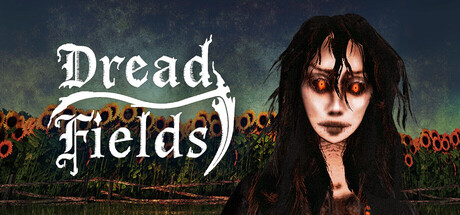
Dread Fields
7 / 10
- Developer
- Podoba Interactive
- Publisher
- Podoba Interactive
- Released
- 28 May 2026
- Platforms
- Windows, Mac, Linux
- Genre
- Adventure
- Monetisation
- One-time purchase
- Players
- Single-player
The short version
Dread Fields, released 28 May 2026 by developer Podoba Interactive, is a short, low-poly "cozy horror" experience where the daily rhythm of chores on a newly purchased, isolated farm gradually gives way to Ukrainian folk-horror dread. Its English-language review sample is overwhelmingly positive, with consistent, specific praise for its colourful, PS1-inspired visuals, its distinct folk-horror atmosphere, and a farm cat memorialising the developer's own recently deceased pet, set against a recurring, well-corroborated complaint about a frustrating chase-maze sequence and an ending several reviewers, even enthusiastic ones, found anticlimactic.
Biggest strengths
- The distinct combination of bright, colourful, PS1-style low-poly visuals with Ukrainian and Eastern European folk-horror storytelling draws consistent, specific praise as something that stands out from typically dark, dim horror game aesthetics
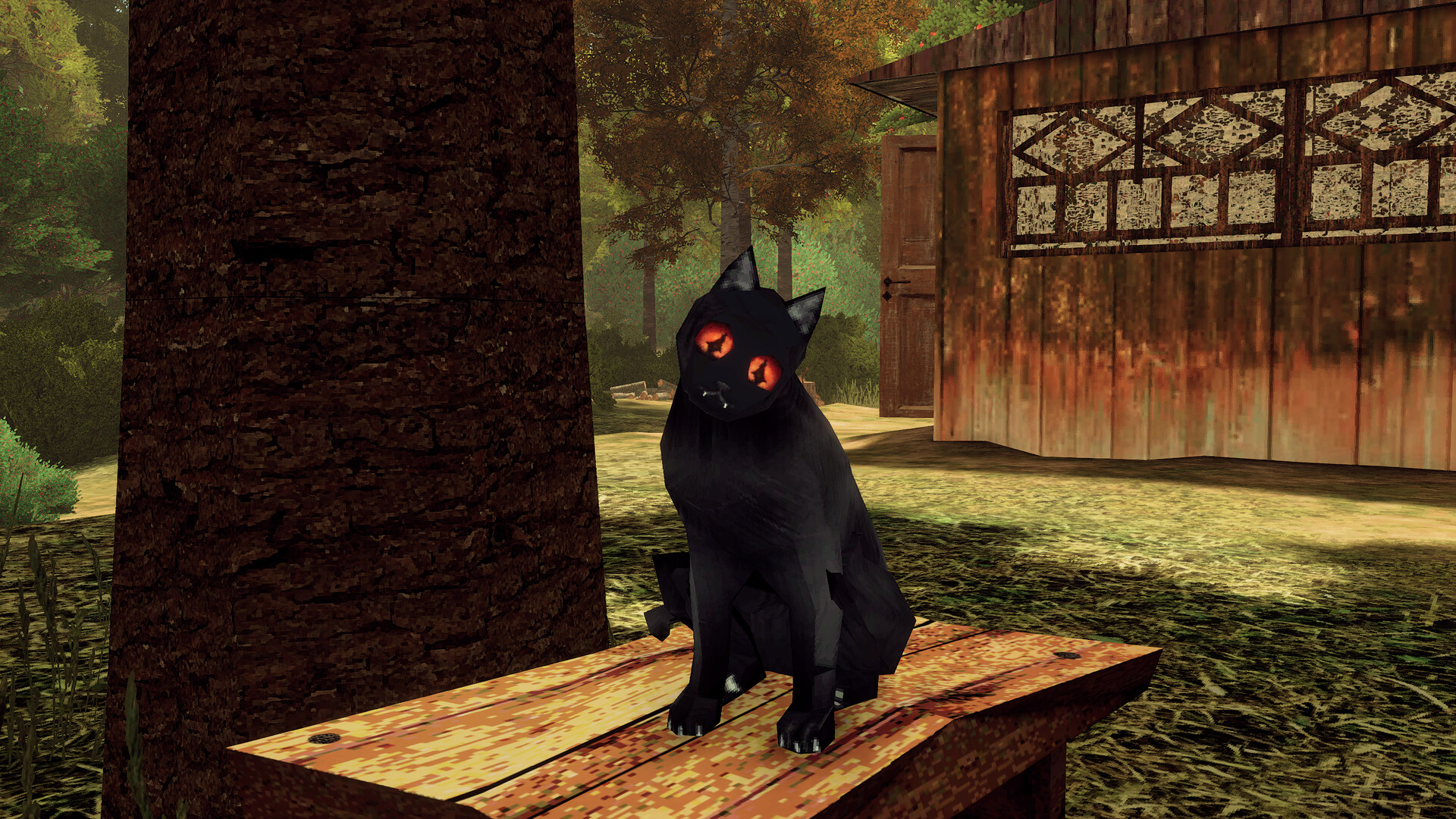
- The farm cat, Chicha, modelled after the developer's own cat who passed away during development, is repeatedly singled out by reviewers as an emotionally affecting detail, with several specifically mentioning being moved by her inclusion and memorial in the credits
- The daily farm-chore loop (feeding animals, gathering collectibles, exploring a gradually changing map) is widely praised for blending convincingly with the horror escalation, giving the game a distinct identity within the wider "cozy horror" subgenre
Biggest weaknesses
- A late-game chase sequence through a maze is repeatedly and specifically criticised, including by several otherwise positive reviewers, as frustrating trial-and-error navigation with a fail state that undercuts the tension the rest of the game builds carefully
- Multiple reviewers, again including some who otherwise recommend the game, describe the ending as anticlimactic or unresolved, with one detailed review calling it a "final note" that never quite lands
- The game is very short, generally completed in one to three hours, and while most reviewers see this as appropriate for the low price, several specifically wish the story and optional content had more depth or length
Who it's for: Fans of short, atmospheric "cozy horror" games who want a distinct folk-horror setting and don't mind a linear, two-to-three-hour runtime over a lengthy campaign.
Our recommendation: An easy recommendation at its low price for horror fans who value atmosphere and visual identity over length or challenge, though the maze sequence and ending may leave a small sour note on an otherwise strong experience.
7 / 10
Dread Fields casts the player as the new owner of an isolated farm, bought from a mysterious old man, who quickly discovers that the property's peaceful daily routine, feeding the cow, tending the chickens, exploring the fields for collectibles, is only a thin veneer over something considerably darker rooted in local folklore. It's the second release from Podoba Interactive, following the more lighthearted countryside game Back to Hearth, and it slots into the same "cozy horror" territory as recent genre peers, pairing gentle chore-based gameplay with a slow escalation into folk-horror dread. Reading through its review sample shows a game whose visual and atmospheric identity is landing about as well as an indie horror title can hope for, tempered by two specific, recurring complaints substantial enough to weigh against an otherwise glowing reception.
A striking, distinctly colourful horror aesthetic
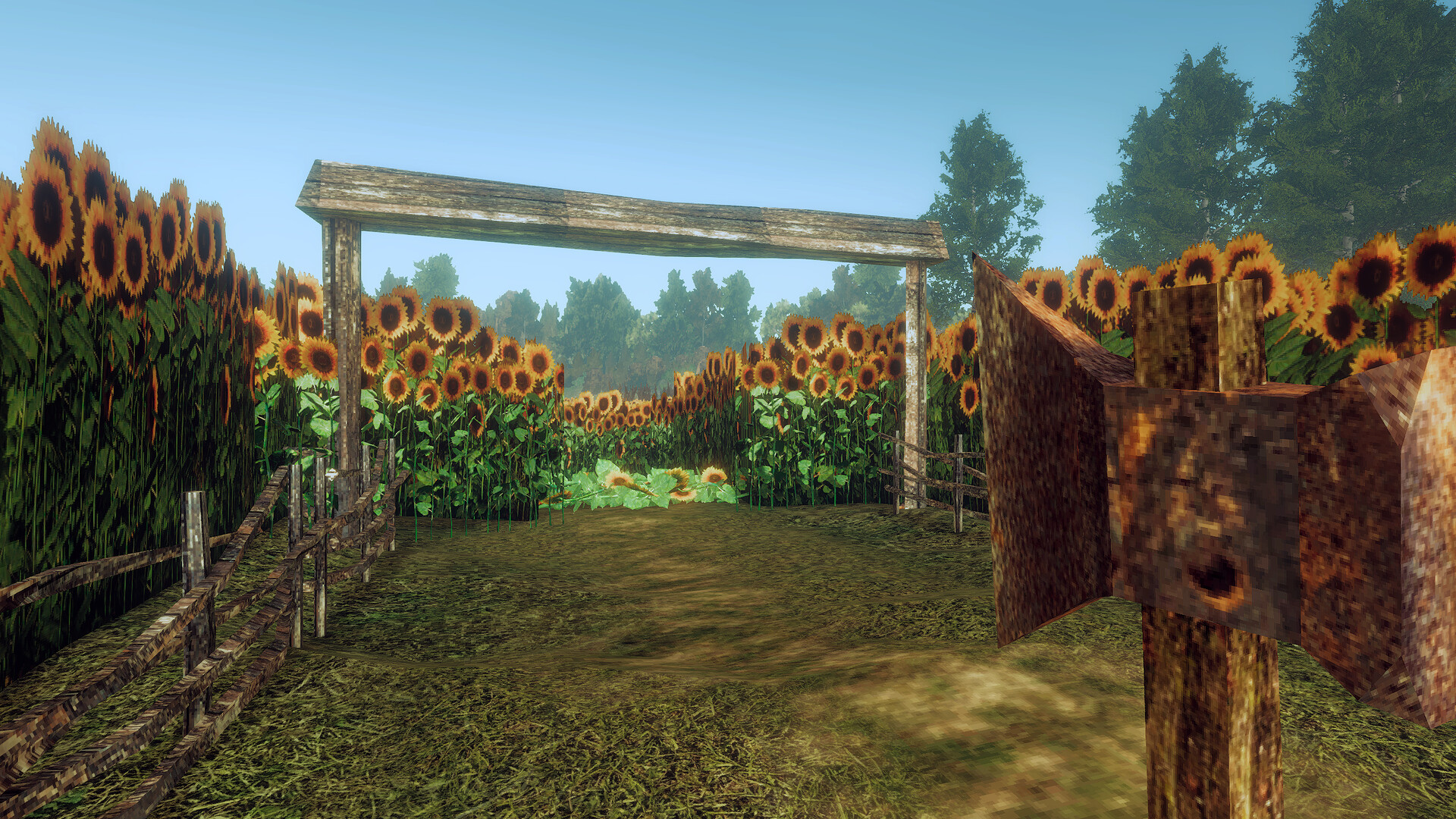
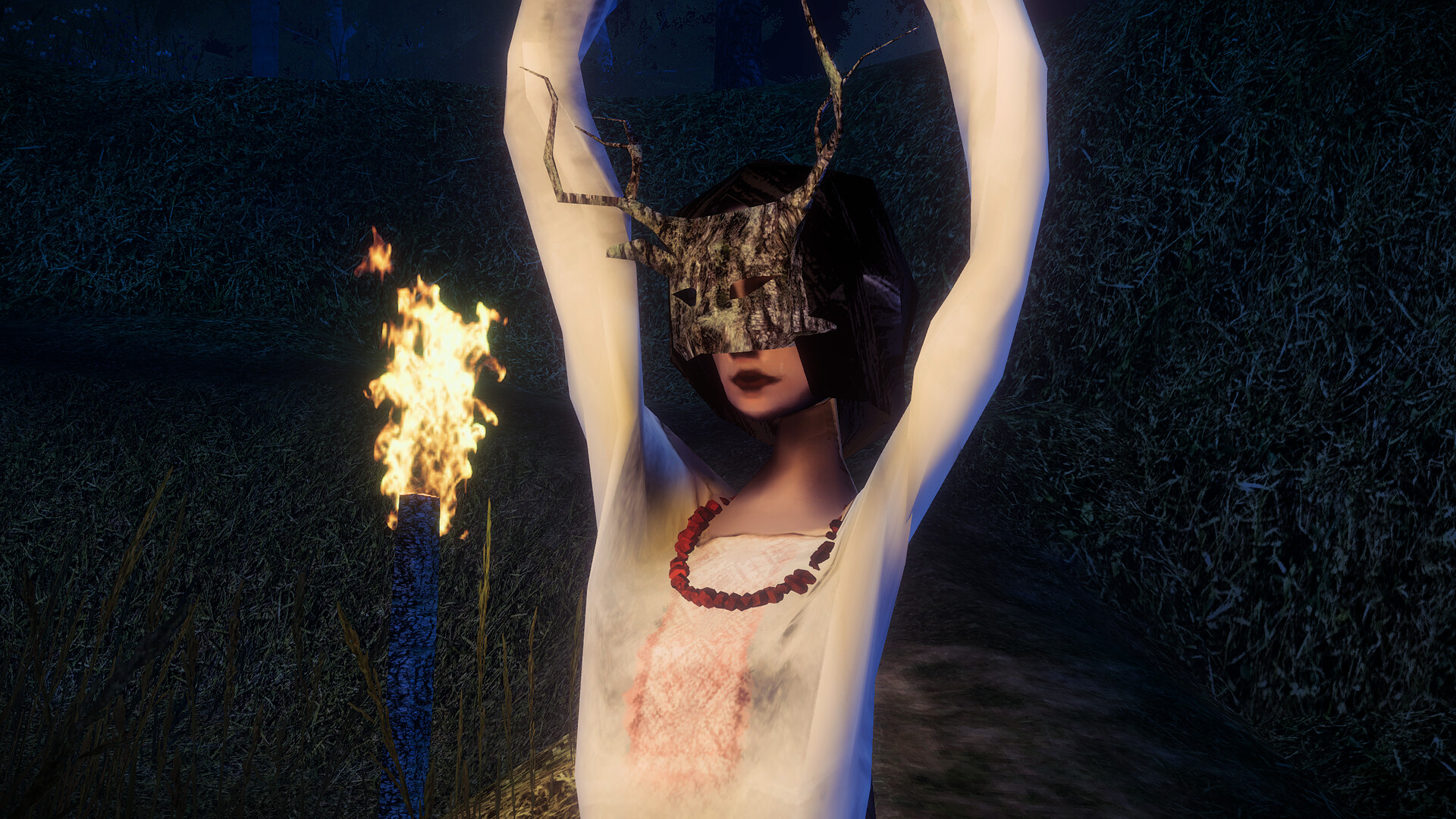
The single most consistent thread running through this review sample is praise for how Dread Fields looks and feels. Reviewers repeatedly single out its low-poly, PS1-inspired art direction, not for nostalgia's sake alone, but specifically for its unusually bright, saturated colour palette, a deliberate departure from the murky, dim corridors that dominate much of the horror genre. One detailed review calls it "one of the nicest uses of color that I have seen in a horror game," and several others describe the farm itself as genuinely inviting and beautiful to explore even as the atmosphere curdles. That visual identity is paired with a specifically Ukrainian and Eastern European folk-horror sensibility, drawing on rural, pagan-tinged storytelling that multiple reviewers, including some from the Balkans and Eastern Europe describing real nostalgia for rural childhoods, single out as distinctive and well-realised rather than generic. The sound design draws similarly specific praise, from the ambient soundscape to small, well-observed touches like chicken vocalisations that change convincingly with the animals' distress.
Sitting alongside that atmosphere is Chicha, the farm's cat, whom multiple reviewers note is modelled after the developer's own cat, who passed away during the game's development and is memorialised in its credits. This detail is repeatedly and specifically called out as an emotionally resonant touch, several reviewers mention being moved by it directly, and it appears to have become something of a rallying point for the game's community, referenced across a large share of the positive reviews in this sample.
A frustrating maze and an ending that doesn't land
Set against that praise are two specific, recurring complaints substantial enough to note on their own merits. A late-game chase sequence through a maze draws consistent criticism, including from reviewers who otherwise recommend the game strongly, for being built on frustrating trial-and-error navigation with a real fail state, a design choice several reviewers argue works against the tension the rest of the game so carefully builds through atmosphere rather than difficulty. One reviewer specifically argues that horror built on suspense should rarely gate progress behind a chase the player can simply fail and restart, since it shifts the emotional register from dread to irritation.
The ending draws a similar, if slightly less unanimous, pattern of complaint. Several reviewers, again including enthusiastic ones, describe it as anticlimactic or unresolved, one detailed review calls it a "final note [that] hasn't been delivered," lacking the catharsis of either a clearly good or clearly bad resolution, and a negative review specifically flags the story as difficult to follow by that point. It's worth noting the game does include multiple distinct endings reachable through optional exploration, which several reviewers praise as a thoughtful touch, but the criticism specifically targets the primary narrative payoff rather than the branching structure itself.
Short, but generally priced to match
Playtime in this sample clusters heavily between one and three hours, and the overwhelming majority of reviewers treat that length as appropriate given the low asking price, several explicitly frame it as "worth it for the price" or "short but sweet." A smaller number push back, wishing for more optional content, deeper narrative notes, or simply a longer game overall, and one negative review argues Podoba's clear affection for the "rural farming surrounded by creepy pagans" setting would be better served by a full farming game than a short horror vignette. That's a reasonable critique of scope rather than execution, most reviewers who raise it still recommend the game as it stands.
A well-received follow-up from a small team
Several reviewers frame Dread Fields explicitly against Podoba Interactive's earlier release, Back to Hearth, a gentler countryside game from the same small team, and describe this as a clear step up, one detailed review specifically credits the addition of sidequests and expanded gameplay elements as addressing what they considered the earlier game's main weakness. That context matters for calibrating expectations: this reads across the sample as a small, two-person-scale indie project rather than a large studio release, and reviewers consistently treat it with that in mind, judging it generously for its scope while still holding it to a high bar on atmosphere and craft, a bar it clears by most accounts. A handful of streamers and horror-content creators in the sample specifically note picking the game up for community playthroughs and describing it as one of the more memorable short indie horror releases they've covered recently, suggesting the game has found some traction as a word-of-mouth pick within horror-focused audiences beyond its immediate Steam page.
Final Verdict
Dread Fields succeeds at what it's most clearly trying to do: build a distinctive, visually striking, atmospherically confident folk-horror experience that stands apart from its genre peers, anchored by a farm-chore loop and a cat that reviewers have taken to heart in a way that's unusually consistent across a large sample. Where it stumbles is specific and fixable rather than fundamental, a maze sequence that undercuts its own tension, and an ending that leaves several players, even fans, feeling short-changed. At its price, and for a runtime of a couple of hours, it's an easy recommendation for horror fans who prioritise atmosphere and identity, with the caveat that the back stretch doesn't quite match the confidence of everything leading up to it.
Pros and cons
Pros
- The distinct combination of bright, colourful, PS1-style low-poly visuals with Ukrainian and Eastern European folk-horror storytelling draws consistent, specific praise as something that stands out from typically dark, dim horror game aesthetics
- The farm cat, Chicha, modelled after the developer's own cat who passed away during development, is repeatedly singled out by reviewers as an emotionally affecting detail, with several specifically mentioning being moved by her inclusion and memorial in the credits
- The daily farm-chore loop (feeding animals, gathering collectibles, exploring a gradually changing map) is widely praised for blending convincingly with the horror escalation, giving the game a distinct identity within the wider "cozy horror" subgenre
Cons
- A late-game chase sequence through a maze is repeatedly and specifically criticised, including by several otherwise positive reviewers, as frustrating trial-and-error navigation with a fail state that undercuts the tension the rest of the game builds carefully
- Multiple reviewers, again including some who otherwise recommend the game, describe the ending as anticlimactic or unresolved, with one detailed review calling it a "final note" that never quite lands
- The game is very short, generally completed in one to three hours, and while most reviewers see this as appropriate for the low price, several specifically wish the story and optional content had more depth or length
Screenshots
-
Dread FieldsImage: Podoba Interactive via Steam -
Dread FieldsImage: Podoba Interactive via Steam -
Dread FieldsImage: Podoba Interactive via Steam