Game review
Dragon Blast
3.5 / 10
- Developer
- Pixelabor
- Publisher
- Pixelabor
- Released
- 15 September 2022
- Platforms
- Windows
- Genre
- Idle RPG
- Monetisation
- One-time purchase, plus one optional paid expansion DLC; the base game also includes at least one gated feature reviewers describe as a paywall
- Players
- Single-player only
The short version
Dragon Blast is a cheap idle RPG from solo developer Pixelabor, released 15 September 2022, that drew one of the most one-sided negative launches this review has documented: 20 of the game's 38 English-language reviews are negative, and a clear majority of them lead with the same complaint — a menu structure reviewers independently call confusing, illogical and undocumented. What turns this from an ordinary rough launch into something worth flagging specifically is a second, repeated pattern across the same negative sample: multiple reviewers report having their critical reviews or discussion posts deleted, or being banned from the game's Steam community hub, after posting complaints. This review cannot verify any individual account of that directly, but the pattern is corroborated across enough independent reviewers, dated to the same launch week, that it reads as a genuine feature of how this release was handled rather than an isolated grievance.
Biggest strengths
- The underlying idle loop — fight, level, mine, craft equipment, enchant, fight again — is real and does scratch a genuine idle-genre itch for at least a handful of reviewers, one of whom followed the game through alpha and beta testing and still recommends it
- Extremely low asking price, and the developer has run deep, repeated discounts across their catalogue in the years since, down to as low as NZ$0.99
- Pixel art and character design draw a few specific, genuine compliments among the smaller positive sample
Biggest weaknesses
- The menu and navigation structure is the single most repeated complaint in the negative sample, described independently by multiple reviewers as illogical, undocumented and actively obstructive — one specific example cited is that the "fight" option is nested inside a "stats" building rather than being accessible directly
- At least one feature, described as a potion shop, is reported as gated behind a purchase in a game that is not itself free, on top of the separate paid expansion DLC
- Multiple, independent reviewers report having critical reviews or discussion-hub posts removed, or being banned from the community hub, shortly after posting complaints during launch week — a pattern serious enough to note even though no single account can be verified
Who it's for: Only committed idle-genre completionists prepared to fight through an unexplained interface for a few dollars; not a reasonable starting point for anyone newer to the genre.
Our recommendation: A barebones idle RPG whose asking price is the only thing making it defensible, sold at launch alongside a well-documented pattern of hostility toward the players reporting its problems.
3.5 / 10
Introduction
Dragon Blast is a small, cheap idle RPG about grinding up a single hero through fighting, mining, crafting and enchanting loops, built and self-published by solo developer Pixelabor. It launched 15 September 2022 for NZ$4.79, a few days after devlog posts began appearing on the developer's itch.io page — a genuine new release rather than a port of an older game. Its Steam standing is Mixed, 47.4% across the 38 English-language reviews this review reads in full, and that number undersells how one-sided the launch actually was: 20 of those 38 reviews are negative, nearly all of them dated within the game's first week, and the great majority converge on the same specific complaint. What makes this review worth writing isn't simply that the game launched rough — plenty of cheap indie idlers do — it's a second pattern running through the same negative sample, one this review treats carefully rather than repeating as settled fact, but that's corroborated too many times, by too many independent accounts, dated to the same narrow window, to leave out.
An interface reviewers call actively obstructive
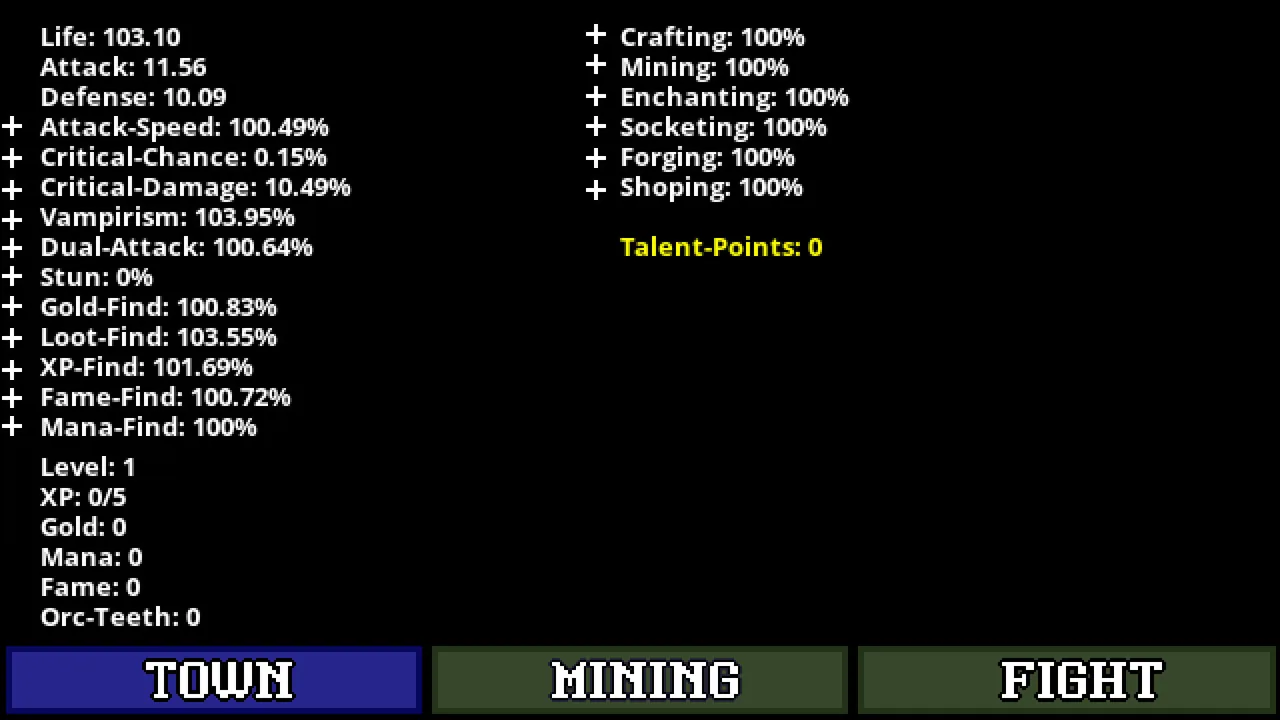
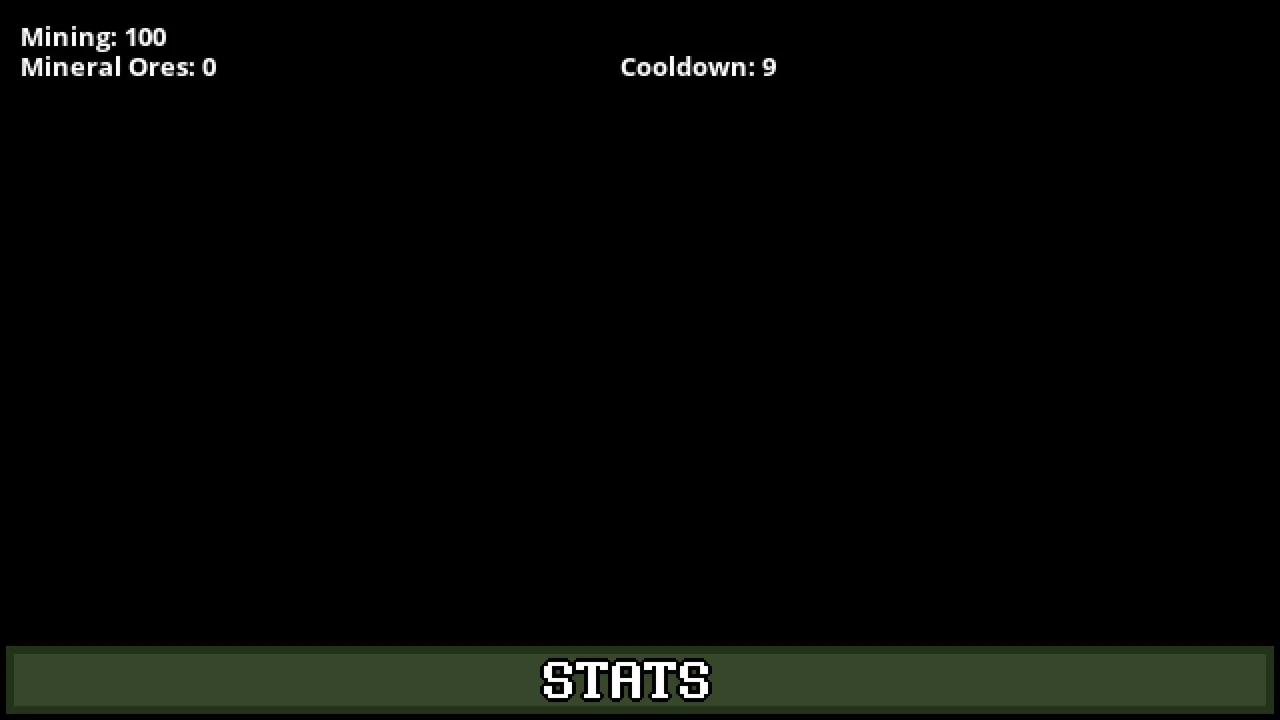
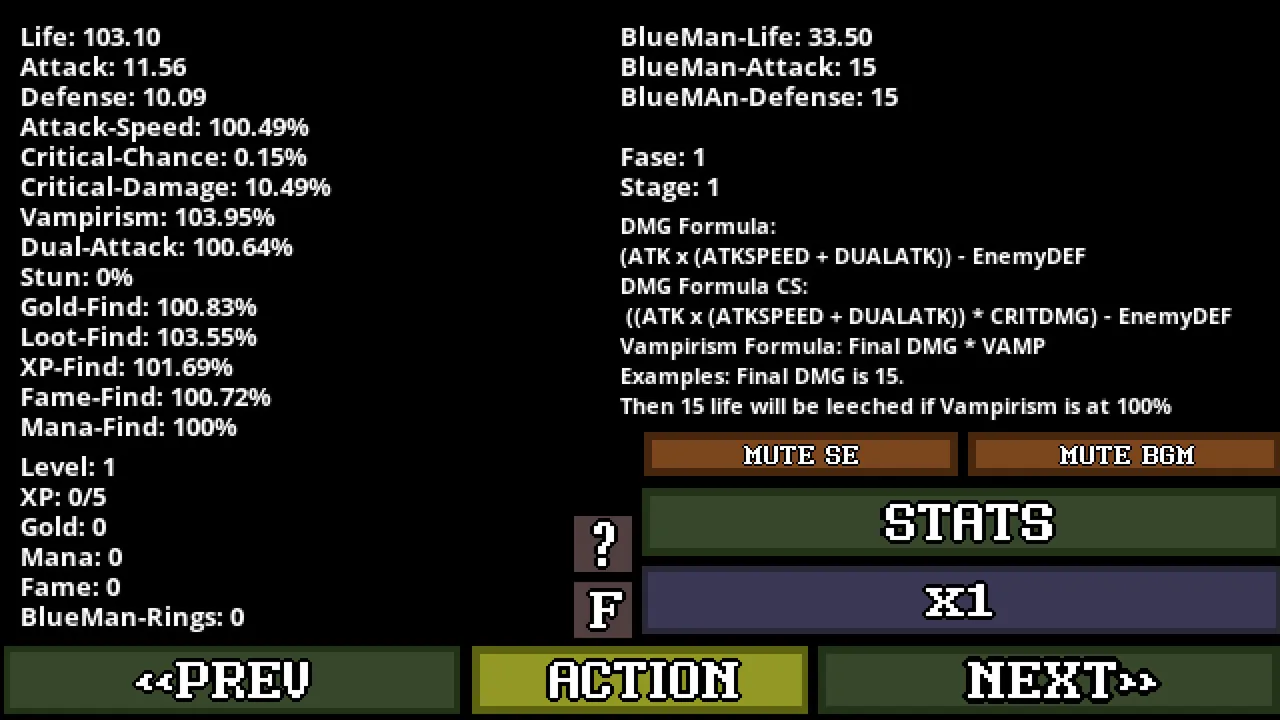
Start with what's easiest to establish: the menu structure is this game's dominant, near-universal complaint. One reviewer laid out a specific, checkable example — the "fight" option, the entire point of the game, is nested inside a "stats" building rather than being reachable directly, which they called out with a simple question: "why is stats a building?" Another described trying to return from combat to town and finding no return button at all. A third, self-described as having played "hundreds of clicker and idle games," called it "the Room of clicker games without the memeability" — a specific, informed comparison rather than a reflexive complaint about difficulty. Multiple reviewers independently report a near-total absence of in-game explanation for core systems: what reforging actually does, how damage is calculated, what a given piece of equipment is for before you accidentally destroy it. None of this reads as taste — it's a specific, repeated, structural criticism of the same handful of menus, made independently by reviewers who otherwise have nothing in common.
One further complaint deserves its own mention because of what it implies: a reviewer describes a potion shop gated behind a separate purchase inside a game that already costs money up front — a distinct issue from the game's optional paid expansion DLC, which this review can confirm exists and is priced separately at NZ$1.59. Whether that in-game gate is still present as described isn't something this review can verify years after the fact, but it's worth recording as part of the launch-week picture reviewers were reacting to.
A pattern too consistent to leave unmentioned
Here's the part of this review that needs the most care. Multiple negative reviews, independently and without prompting, describe the developer responding to criticism by deleting reviews, removing discussion-hub posts, or banning the players who wrote them. One reviewer wrote directly to the developer inside their review: "get out of your 'they left a negative review I'm reporting' mindset." Another reported that after the game was "review bombed," the developer "got a bunch of [reviews] removed and deleted all comments from the discussion page." A third, seeking help after being unable to start the game, wrote that the developer banned them from the community hub and accused them of "fake claims" instead of helping. This review cannot verify any single one of these accounts directly — a review corpus cannot audit what happened inside a Steam discussion hub after the fact, and each is one player's account of a private interaction. What this review can say is that the pattern is not a single low-vote outlier easily dismissed: it recurs across a meaningful share of this game's entire negative sample, from reviewers with no apparent connection to each other, all dated to the same launch week in September 2022, which is a different and more serious thing than one aggrieved player's story.
Set against that is the game's single most-upvoted review by a wide margin — 180 votes, dwarfing every other review on the page — which reads, in full: "Please buy the DLC and support this dev." Read alongside everything above, that vote count looks less like organic consensus and more like a community rallying around a developer under fire, which this review notes rather than interprets; readers can weigh it themselves.
The idle loop underneath, for what it's worth
None of this means there's nothing real here. A handful of reviewers, including one who followed the game through its alpha and beta testing, describe a genuine idle rhythm once its systems are understood: "you fight, level, mine, make items, fight, enchanting items, fight" — a real, if familiar, gathering-and-combat loop that scratches a specific itch for players already fluent in the genre. The pixel art draws a few specific, unprompted compliments, and one reviewer compared the presentation favourably to "old text-based games." That's a real, if narrow, positive case, and it's worth stating plainly rather than folding into the broader criticism: for a very small subset of experienced idle-game players willing to push through an unexplained interface, there's a functioning loop on the other side of it.
The game wasn't abandoned, at least
One further, more recent data point is worth including because it complicates a simple "launch and run" reading. In April 2025 the developer posted that Dragon Blast was "being retired" — and then, per a later review and the game's continued presence on Steam with active discount posts into 2026, reversed that decision after what the developer described as community support. Pixelabor has also shipped at least two further games since 2022, Greed and Grind and Autocraft, and continues to run repeated, steep discounts across the whole catalogue, down to as low as NZ$0.99. Whatever happened in that first launch week, this isn't a case of a developer taking the money and disappearing — the studio has stayed active and the game has stayed available, which doesn't excuse the interface or the reported conduct, but it is a fact worth setting against them.
Final Verdict
Dragon Blast's underlying idea — a straightforward fight-mine-craft idle loop — isn't the problem. What holds this game back is an interface its own reviewers, independently and specifically, describe as actively hostile to understanding, and a launch-week pattern of reported developer conduct toward critics serious enough that this review can't responsibly leave it out, even while being careful not to assert any single unverifiable account as settled fact. At under five dollars, with a persistent developer and a real (if buried) idle loop underneath, this isn't nothing. It's also not something most readers should reach for first in a genre with far friendlier entry points.
Pros and cons
Pros
- The underlying idle loop — fight, level, mine, craft equipment, enchant, fight again — is real and does scratch a genuine idle-genre itch for at least a handful of reviewers, one of whom followed the game through alpha and beta testing and still recommends it
- Extremely low asking price, and the developer has run deep, repeated discounts across their catalogue in the years since, down to as low as NZ$0.99
- Pixel art and character design draw a few specific, genuine compliments among the smaller positive sample
- The game has not actually been abandoned — a 2025 "this game is being retired" announcement was reversed after community response, and the developer has shipped multiple other games in the years since
Cons
- The menu and navigation structure is the single most repeated complaint in the negative sample, described independently by multiple reviewers as illogical, undocumented and actively obstructive — one specific example cited is that the "fight" option is nested inside a "stats" building rather than being accessible directly
- At least one feature, described as a potion shop, is reported as gated behind a purchase in a game that is not itself free, on top of the separate paid expansion DLC
- Multiple, independent reviewers report having critical reviews or discussion-hub posts removed, or being banned from the community hub, shortly after posting complaints during launch week — a pattern serious enough to note even though no single account can be verified
- No achievement schema exists for the game, and several reviewers describe a genuine lack of in-game documentation for core systems like damage calculation and equipment upgrading
Screenshots
-
Dragon BlastImage: Pixelabor via Steam -
Dragon BlastImage: Pixelabor via Steam -
Dragon BlastImage: Pixelabor via Steam -
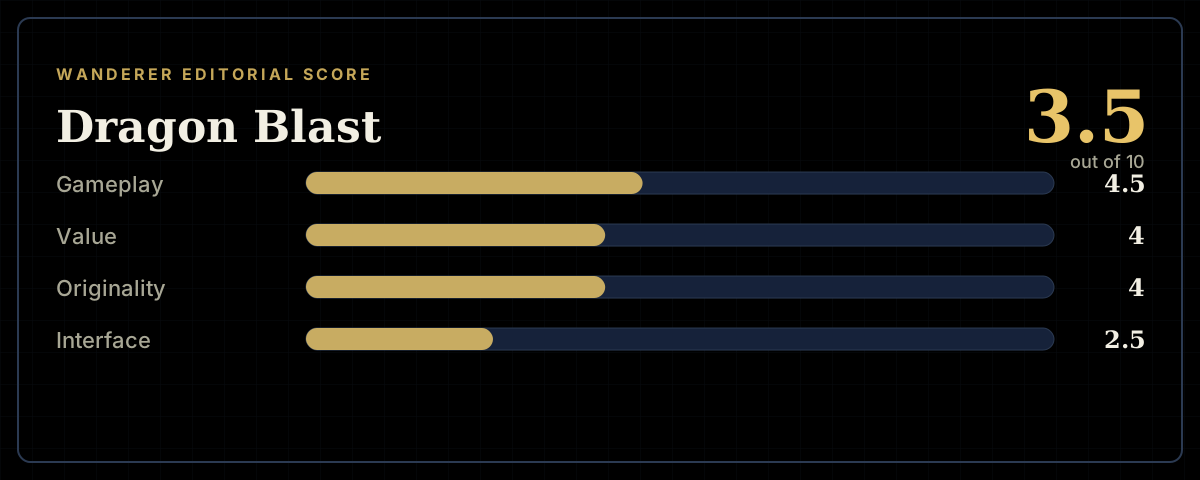
How the review scores each part of the gameWanderer Editorial -
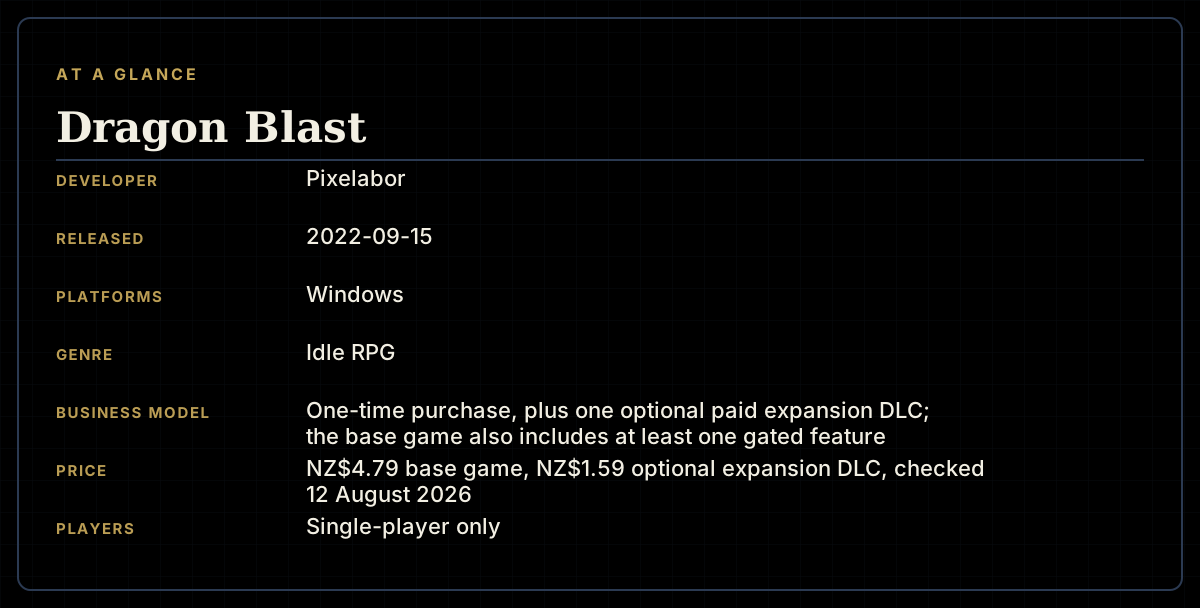
The essentials at a glanceWanderer Editorial -
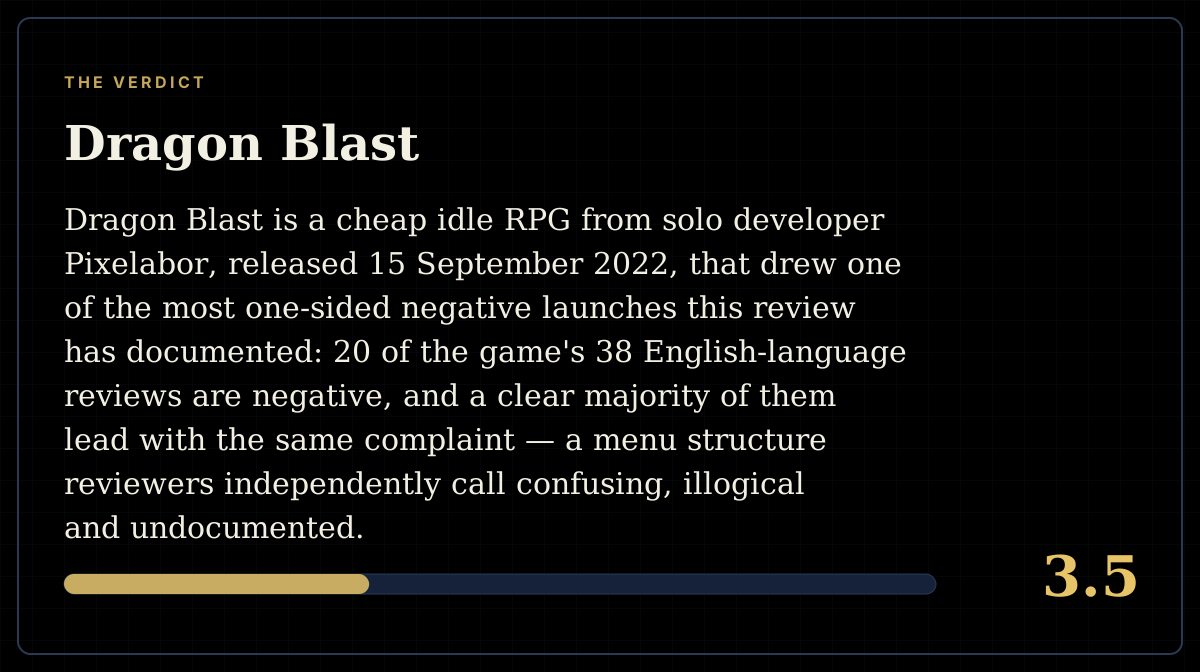
The short versionWanderer Editorial