Game review
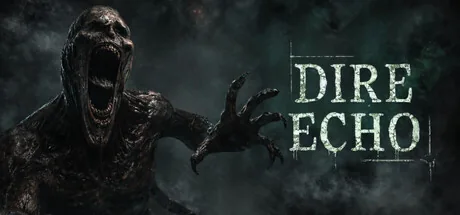
Dire Echo
4.5 / 10
- Developer
- TrueGames
- Publisher
- TrueGames
- Released
- 5 June 2026
- Platforms
- Windows
- Genre
- Indie, Adventure, Horror
- Monetisation
- paid
- Players
- false
The short version
Biggest strengths
- A genuinely strong sci-fi horror atmosphere, with reviewers consistently praising the abandoned-space-station setting and graphics
- Space-walking segments singled out by multiple reviewers as a standout, eerie, weightless highlight
- A minimalist design, no HUD, no inventory, no journal, that reviewers said reinforces isolation when it works
Biggest weaknesses
- Criticized AI-generated character voices were removed entirely after launch-week backlash, leaving persistent on-screen subtitles as the only way to follow the story, which several reviewers said actively breaks pacing and progression
- A dark, blurry, short-range flashlight and visual presentation multiple reviewers found frustrating rather than atmospheric
- Maze-like corridors and tiny, hard-to-find interaction points that reviewers said turned exploration into aimless wandering
Who it's for: Fans of short, cheap sci-fi horror walking sims with low expectations for polish, who don't mind a game that changed significantly, and imperfectly, after launch-week backlash
Our recommendation: recommended with caveats
4.5 / 10
A short, moody trip through an abandoned station
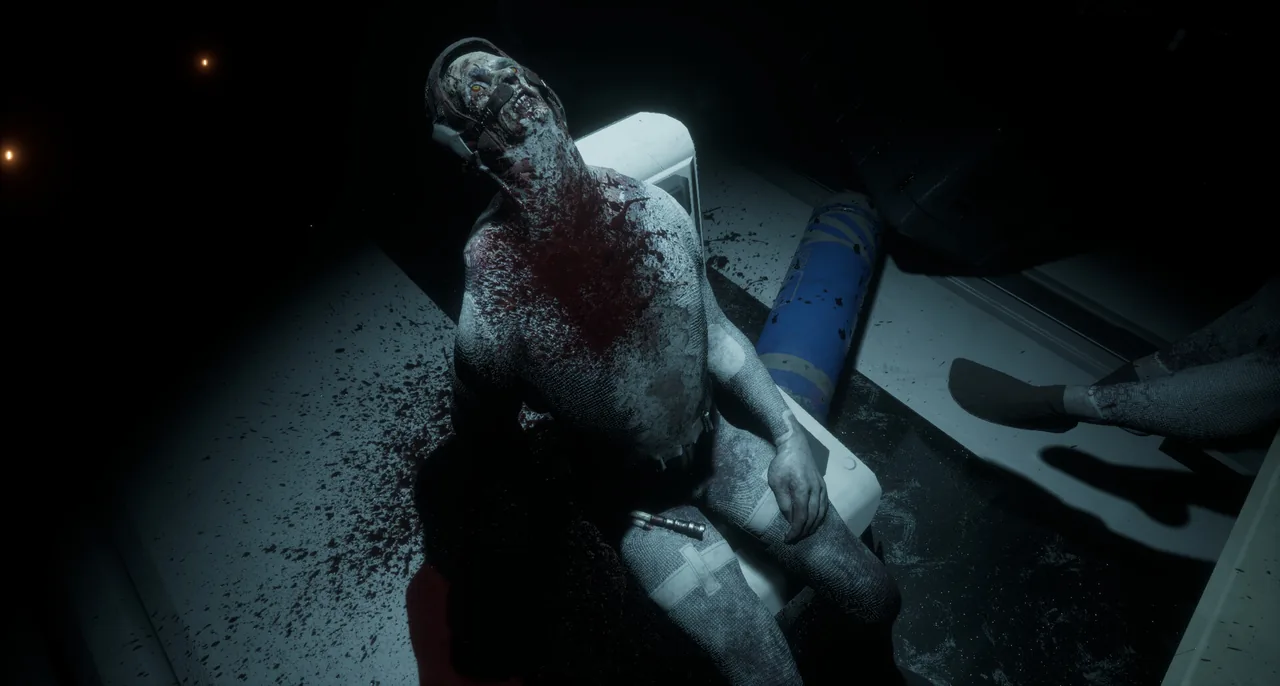
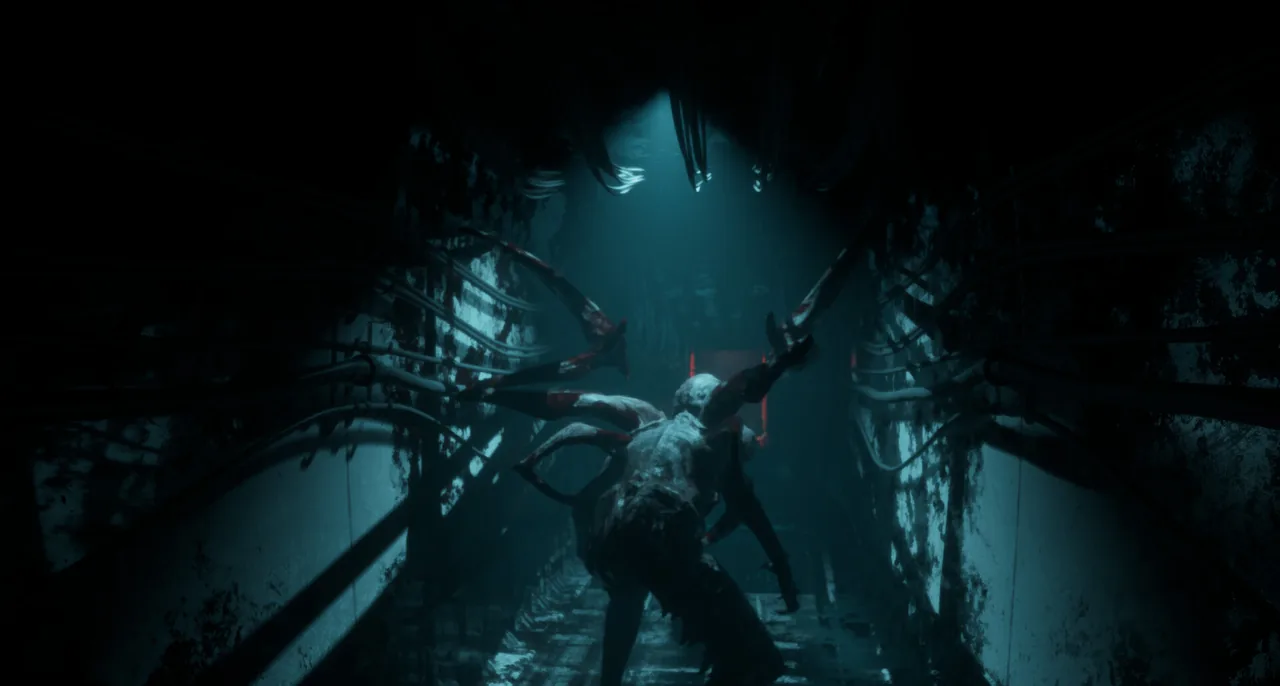
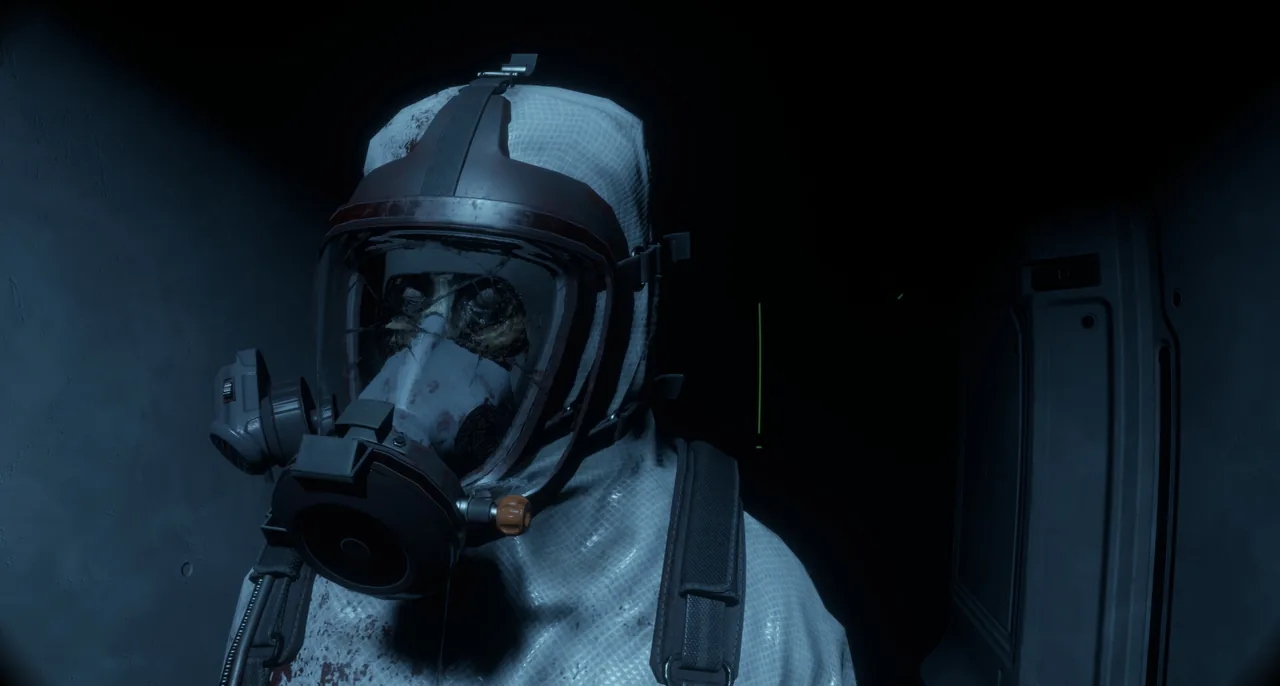
Dire Echo casts players as an unnamed astronaut investigating a deep-space station that's gone dark, and its clearest strength, echoed across nearly every review in the pool, is a strong, oppressive sense of place. One detailed reviewer set the scene: "You are an unnamed astronaut pilot sent to investigate what happened to a space station that has gone dark. Once there, you find it in working order, but with nobody around, as if everyone vanished into thin air. But as you walk through the corridors with a flashlight that only sends its light far enough ahead to make you feel uncomfortable walking toward the darkness, you start realizing that there is something else here." A shorter, developer-key-disclosed review reached a similar conclusion: "Dire Echo is a surprisingly immersive space‑walking horror experience that hooked me from start to finish. The atmosphere is strong, the tension builds naturally, and the game delivers some solid jumpscares without relying on cheap tricks." Multiple reviewers singled out the same specific sequence as a highlight: "The space‑walking segments are a standout, giving you that eerie, weightless feeling while still keeping you on edge."
Voices removed, and the story paid for it
The pool's most unusual complaint concerns a mid-life production change. The game originally shipped with AI-generated voice acting for its audio logs and character narration, and after sustained criticism, the developer removed the voices entirely rather than replacing them, leaving only text. One reviewer who tried the post-patch version explained the fallout in detail: "There are logs around the station where you can gain more information about the game's lore, but unfortunately, there are no voices. Well, there were voices in the initial release, but they were turned off without any option to turn them back on after players criticized the distracting AI voices... The absence of voices also breaks progression because you sometimes have to wait for something to open or occur. This made sense when the voices were present because an event would happen when the voices stopped. But now, you have subtitles show up and then stand in front of a locked door without knowing what to do." A separate reviewer confirmed the same confusion from a fresh playthrough: "subtitles are persistent for whatever reason, or a random subtitle starts spawning on screen. I am sure you need subtitles because voice logs otherwise are mute (I think it's about the whole AI voices complaints...I guess they removed the voiceovers?)"
Reviewers who played before the change were, if anything, harsher about the voices themselves. One wrote plainly, "Immersion-Breaking AI Voices: I quickly realized the character voices are AI-generated rather than recorded by human actors. The delivery feels stiff, unnatural, and completely kills the immersion." Another, a fan of the developer's earlier game, was blunter still: "I really enjoyed Nightbell, but this game kind of lost the plot overall... overall the game was drawn out by artificial playtime, and very long-winded audio logs that were all AI voices. Forcing players to sit and wait 5 minutes for the audio log to play fully before being able to move on is PAINFUL. So many people would love to voice your games, even for free. Stop replacing people with AI." This is reported here as sourced reviewer sentiment about the game's own disclosed and later-reversed production choice, not a comment on how this review itself was written.
Corridors, darkness, and a parkour section nobody asked for
Beyond the voice controversy, the pool's most consistent mechanical complaints concern level design and visibility. One detailed negative review put it bluntly: "The audio is not good. The audio sounds very muddy and almost like it is echoed over itself... The game is also too dark, there is no reason that the game should be this dark. Even when you restore the lights your flashlight is still brighter than most of the lights in the hallways... The lack of any kind of guidance which forces you to walk through an extremely dark and empty ship for literal hours trying to figure out where to go." Another reviewer raised a similar visibility complaint alongside a design critique: "every is blurry as hell, no way to tone it down, basically you don't see anything after a couple meters. And like the flashlight: useless, the beam stops after a couple meters... the interaction points are as big as a couple pixels...you have to move crates or open doors...good luck finding the actual spot that accepts the interaction input." A third reviewer questioned the station's layout on its own terms: "there are way too many doors and hallways, if you think about a space station they just don't have hallways connected to hallways... it just makes it feel lazy and awkward." A late-game parkour sequence drew unusually unified frustration across multiple otherwise-unrelated reviews, with one calling it out sharply: "Should have been called DIRE--Doors I Refuse to Enter---way too many doors and the game is completely ruined by the Parkour section near the end.....this was not needed and is very, very frustrating," adding that they "never did make it to the ending as I quit over frustration and uninstalled the game."
An hour of atmosphere, priced accordingly
Multiple reviewers agreed the experience is short, roughly an hour to an hour and a half, and split on whether that undercuts the $4.99 price or matches it fairly. One measured, detailed review landed in between: "It all lasts around one hour, and although that is decent for a single playthrough, the experience has been made worse by the absence of voices, even if they were AI voices." A harsher reviewer felt the runtime alone was disqualifying: "Way Too Short: The entire game lasts only about 1.5 hours. There is simply not enough content here to justify the experience... Cheap Jump Scares: Instead of building genuine, psychological tension, the game relies heavily on constant, predictable jump scares to startle the player." Others were more forgiving given the price point, with one writing, "Well what can one expect for a game that costs only 5-6 dollars....a shame because the graphics are good," while still describing themselves as frustrated enough to quit before the ending.
Verdict
Dire Echo has real atmosphere, strong sci-fi horror visuals, and a genuinely memorable space-walking sequence, enough to win over reviewers looking for a short, cheap mood piece. But its post-launch decision to strip out voice acting rather than replace it left the story feeling half-finished, and its dark, maze-like corridors, tiny interaction targets, and widely disliked parkour section compound that into a rougher experience than its premise promises. At under five dollars it's a defensible impulse buy for genre fans with patience, but it's hard to recommend without real reservations in its current state.
Pros and cons
Pros
- A genuinely strong sci-fi horror atmosphere, with reviewers consistently praising the abandoned-space-station setting and graphics
- Space-walking segments singled out by multiple reviewers as a standout, eerie, weightless highlight
- A minimalist design, no HUD, no inventory, no journal, that reviewers said reinforces isolation when it works
- Cheap enough, at under $5, that several reviewers framed it as an easy way to support an indie developer despite its flaws
Cons
- Criticized AI-generated character voices were removed entirely after launch-week backlash, leaving persistent on-screen subtitles as the only way to follow the story, which several reviewers said actively breaks pacing and progression
- A dark, blurry, short-range flashlight and visual presentation multiple reviewers found frustrating rather than atmospheric
- Maze-like corridors and tiny, hard-to-find interaction points that reviewers said turned exploration into aimless wandering
- A widely disliked late-game parkour section and an abrupt, confusing ending that several reviewers cited as the game's low point
Screenshots
-
Dire EchoImage: TrueGames via Steam -
Dire EchoImage: TrueGames via Steam -
Dire EchoImage: TrueGames via Steam