Game review
Buenos Aires Mirror Line
7 / 10
- Developer
- Luka Hizo Algo, Rafael Di Carlo
- Publisher
- Rafael Di Carlo, Luka Hizo Algo
- Released
- 11 June 2026
- Platforms
- Windows, Linux
- Genre
- Action, Adventure, Indie, Simulation, Horror
- Monetisation
- paid
- Players
- false
The short version
Biggest strengths
- Strong, consistently praised atmosphere and audio design that reviewers said effectively captures the eerie feeling of a late-night bus ride through unfamiliar streets
- Memorable, unsettling character design, with reviewers specifically singling out recurring figures for how ominous and effective they feel
- A distinctive real-world setting, with the Buenos Aires suburban backdrop drawing specific praise, especially from local players
Biggest weaknesses
- A specific, credible bug report affecting one anomaly's detection logic, where a previously wrong choice remained wrong even after switching the answer on a repeat encounter
- A reported non-functional anomaly tied to a daytime transition, cited by one reviewer as the reason they couldn't recommend the game despite enjoying it overall
- A small English review pool, typical for a niche short-form indie horror release, limiting the range of available critical perspectives
Who it's for: Fans of short 'spot the anomaly' horror games looking for a distinctive real-world setting and strong atmosphere, who don't mind a small handful of reported bugs in a specific anomaly's detection logic
Our recommendation: recommended
7 / 10
A familiar genre, given a distinctive setting
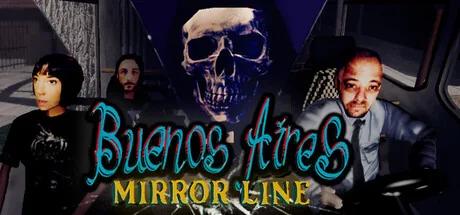
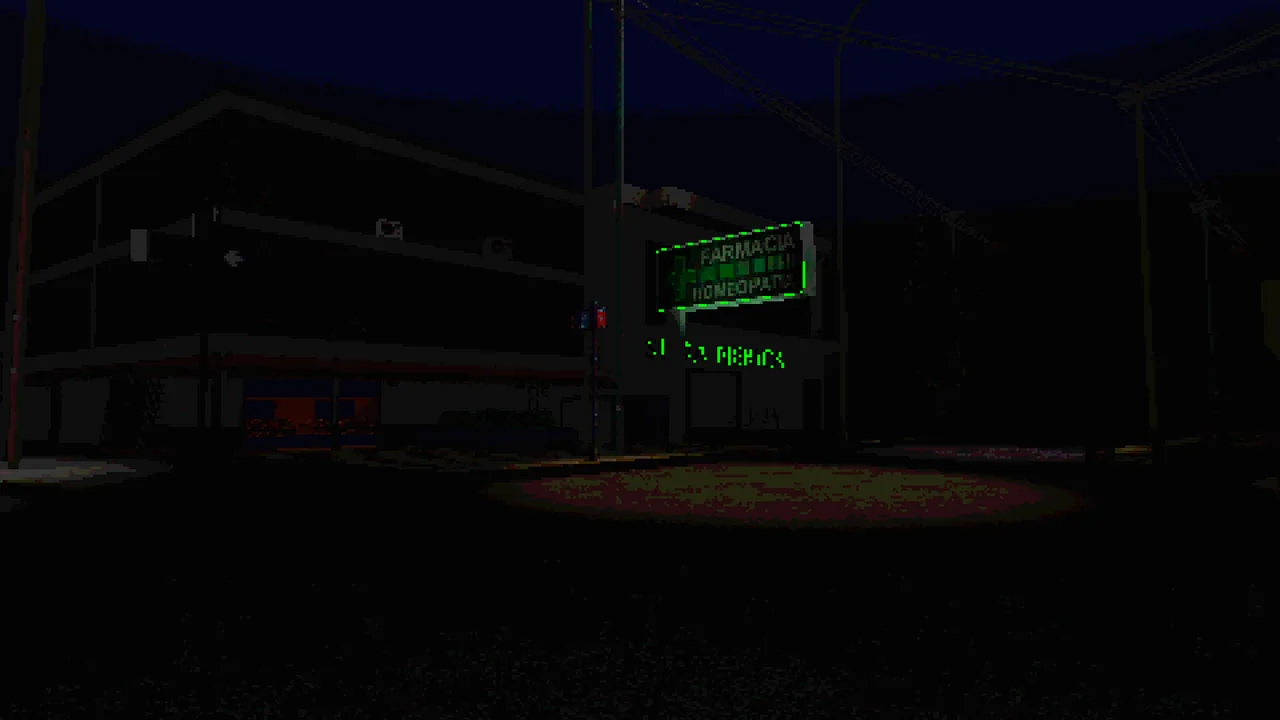
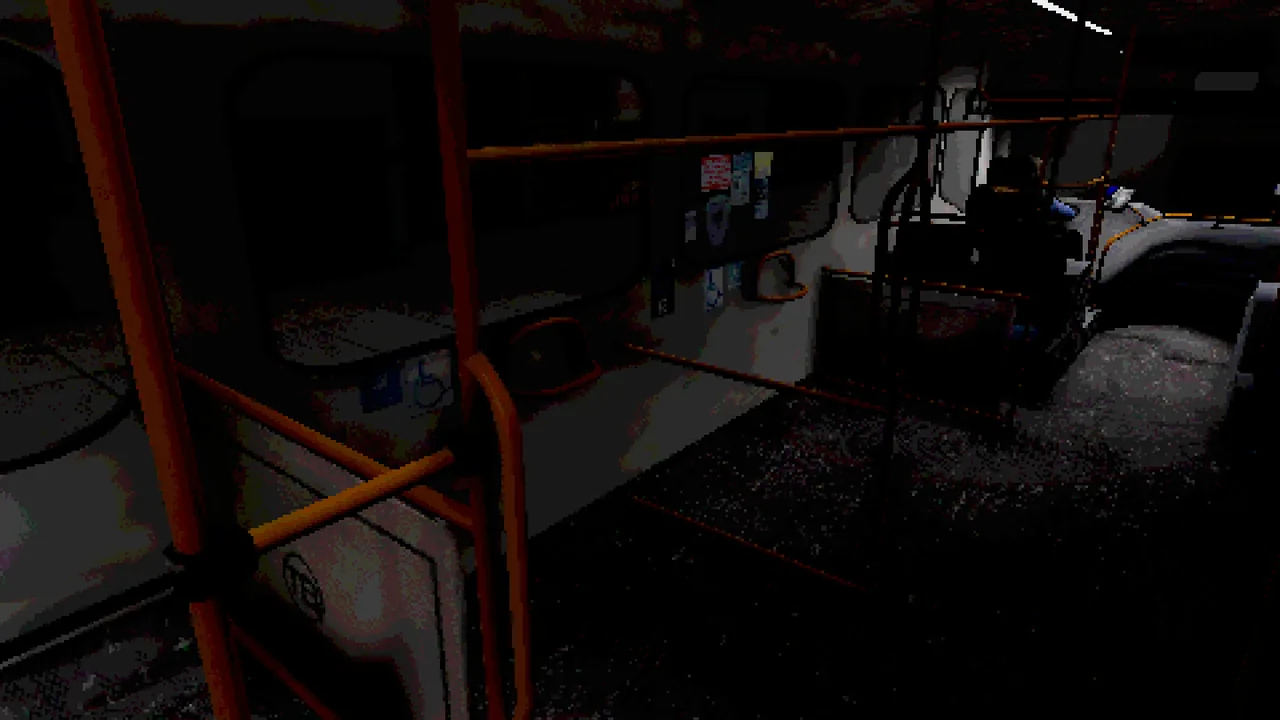
Buenos Aires Mirror Line joins the well-established "spot the anomaly" horror genre, built on the same core idea as games like Iron Lung, Anomaly Observation Squad, or the "SCP-3008" branch of anomaly-horror titles: carefully observe your surroundings, notice what doesn't fit, and act on it before it's too late. Where it distinguishes itself is its setting, a late-night bus ride through the haze of Buenos Aires, and reviewers responded warmly to that specificity. One wrote, "There are a lot of anomaly games lately, but this one is definitely one worth checking out. The atmosphere of Buenos Aires suburbs at night is really one of true horrors, totally recommended." Another, writing partly in Spanish, praised the setting's surreal familiarity: "Una experiencia surrealista para entender... tomarse un colectivo... con los terrores normales que puede traer," roughly, a surreal experience built around the mundane act of catching a bus, with all the ordinary terrors that can bring.
Atmosphere and sound carry real dread
The pool's most detailed positive review credits the game's presentation directly for its tension. One reviewer wrote, "I was tense throughout, constantly feeling like everything was about to hit the fan and go HORRIBLY wrong... The dialogue really fits the atmosphere, and the audio is fantastic, making you feel immersed and tense throughout the experience." Another reviewer echoed the same point more concisely: "The scenery and audio captures the creepiness factor quite well. I usually don't get jump-scared but there was definitely a time or two where I wasn't expecting it." For a genre that lives or dies on its ability to make a static, repeated setting feel genuinely unsettling, that consistency of praise for atmosphere is a meaningful signal.
Character design reviewers won't forget
Specific recurring figures within the game's world drew unusually detailed praise. One reviewer singled out two: "I loved the design of various characters, ESPECIALLY the Grim Reaper and the Red Woman. They both feel incredibly ominous and unsettling." That kind of specific, named enthusiasm for individual character designs, rather than vague praise for "the visuals," suggests real craft went into making the game's recurring threats memorable rather than interchangeable.
Real replay value in a short package
Multiple reviewers highlighted the game's multiple endings and substantial anomaly content as a genuine strength for a short-form horror title. One wrote, "The game has multiple endings, and I'm glad there's an option to start a new game near the end so you can experience all of them without having to replay the entire game. That said, there's a BUNCH of content to discover, so maybe you DO want to start over. I played for almost two hours and still didn't get to see all of it!" Another reviewer confirmed the checkpoint system adds practical value on top of the replay incentive: "The fact that it has a checkpoint, and multiple endings adds to the replayability factor. Pretty fast to 100% the achievements which is a nice plus."
A specific bug undermines one anomaly's logic
The most concrete criticism in the pool concerns a reported bug in how one particular anomaly tracks the player's previous answer. One reviewer wrote, "The gameplay was decent, but I'd be remiss if I didn't mention some of the irregularities with certain anomalies where if I picked it once and was wrong, then when it came back around, choosing the opposite it still ended up being wrong again." A separate, more severe report came from the pool's lone negative review, written in Spanish: "Tremendo juego. Esta muy divertido encontrar las anomalias... Lamentablemente no puedo recomendarlo porque hay una anomalia que no funciona debido a un bug (la que se hace de dia) y otra que anda mal," roughly, a great and fun game to find anomalies in, but the reviewer couldn't recommend it because a specific daytime-transition anomaly doesn't work due to a bug, along with another that behaves incorrectly. That's a specific, reproducible complaint rather than a vague frustration, and it's worth taking seriously given how central correctly identifying anomalies is to the entire experience.
A distinctly local flavor that resonates with international fans too
Beyond the immediate horror hook, several reviewers appreciated the game simply for representing a setting rarely seen in the genre. One wrote, "What a fun anomaly game, i love the aesthetics and the detail on everything, had a blast beating it and i can't wait to find every single anomaly! Greetings from Buenos Aires," while another, playing on Linux, confirmed solid technical performance outside Windows: "Worked great on Arch Linux/CachyOS, btw (use Proton-GE for proper video rendering). Greetings from the separatist Republic of Uruguay." That combination, a specific, well-realized setting that resonates with both local and international players, mirrors a pattern seen elsewhere in short-form indie horror this year: a distinctive sense of place can meaningfully elevate an otherwise familiar genre template.
Verdict
Buenos Aires Mirror Line takes a well-worn "spot the anomaly" formula and elevates it with genuinely strong atmosphere, memorable character design, and a distinctive real-world setting that reviewers, local and international alike, responded to warmly. Its multiple endings and substantial anomaly content give it real replay value for a short, inexpensive horror game. The specific, credible bug reports affecting at least one anomaly's detection logic are a real concern worth flagging, though most of the pool still found the overall experience worth recommending despite them. A solid pickup for anomaly-horror fans looking for something with real regional character.
Pros and cons
Pros
- Strong, consistently praised atmosphere and audio design that reviewers said effectively captures the eerie feeling of a late-night bus ride through unfamiliar streets
- Memorable, unsettling character design, with reviewers specifically singling out recurring figures for how ominous and effective they feel
- A distinctive real-world setting, with the Buenos Aires suburban backdrop drawing specific praise, especially from local players
- Multiple endings and a substantial amount of anomaly content to discover, giving the short experience real replay value
Cons
- A specific, credible bug report affecting one anomaly's detection logic, where a previously wrong choice remained wrong even after switching the answer on a repeat encounter
- A reported non-functional anomaly tied to a daytime transition, cited by one reviewer as the reason they couldn't recommend the game despite enjoying it overall
- A small English review pool, typical for a niche short-form indie horror release, limiting the range of available critical perspectives
- Limited mechanical depth beyond spotting anomalies, in line with the genre's established, familiar conventions
Screenshots
-
Buenos Aires Mirror LineImage: Rafael Di Carlo via Steam -
Buenos Aires Mirror LineImage: Rafael Di Carlo via Steam -
Buenos Aires Mirror LineImage: Rafael Di Carlo via Steam