
Game review
Digseum
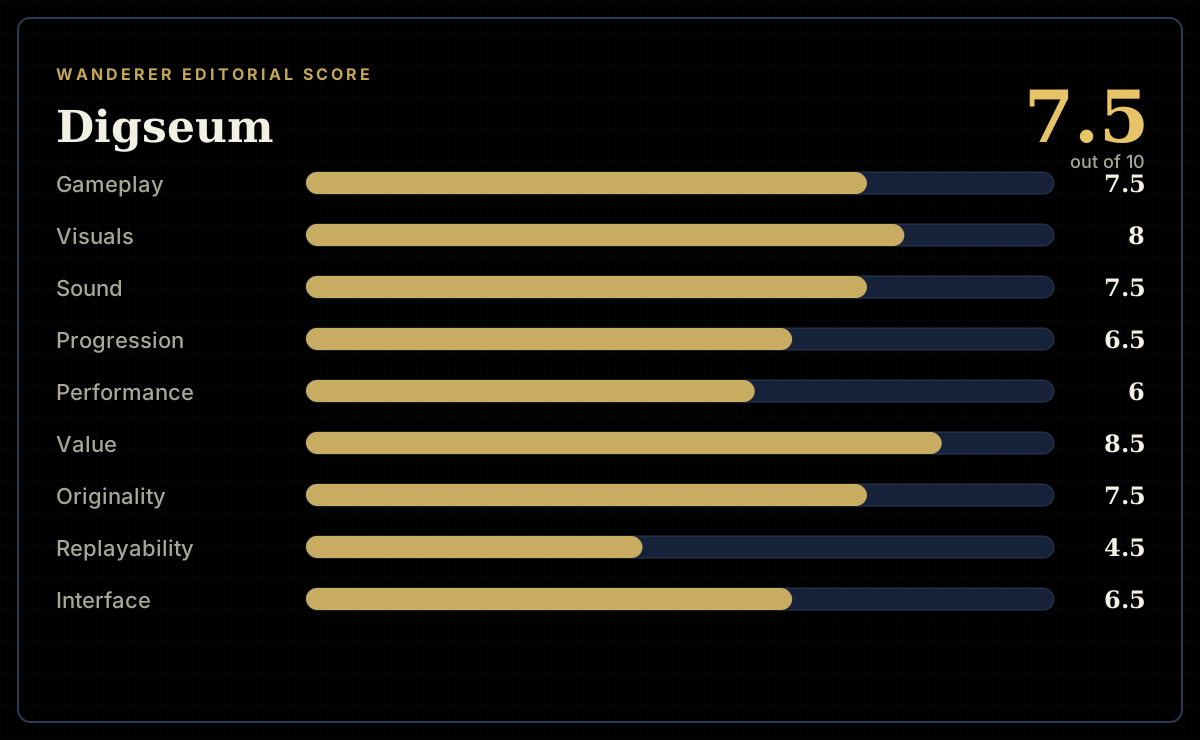
7.5 / 10
- Developer
- Rat Monthly
- Publisher
- Rat Monthly
- Released
- 9 December 2024
- Platforms
- Windows
- Genre
- Incremental / Management Sim
- Monetisation
- Premium, one-off purchase; no in-app purchases, ads or DLC found
- Players
- Single-player only
The short version
Digseum takes the oldest trick in the incremental playbook — clear a grid, find the good stuff underneath, spend the proceeds on bigger numbers — and dresses it in a genuinely likeable museum-curator fantasy. The digging minigame is simple enough to explain in ten seconds and satisfying enough to carry the opening hour on its own, and the prestige system hands back permanent, feelable upgrades rather than an abstract multiplier.
It's also over almost as soon as it finds its rhythm. The back half of the two-to-three-hour run leans on repeating earlier areas faster rather than discovering new ones, a chunk of the community reports the same recurring crash pattern during longer sessions, and a badly sized reset button has cost more than one player their save file. None of that erases a smart, cheap little game — it just means the "short" in "short incremental journey" is doing more work than the marketing lets on.
Biggest strengths
- The digging grid gives spatial reasoning a real payoff once you notice which tiles cluster relics, rather than reducing every click to a coin flip
- Prestige stars buy permanent, immediately felt upgrades on the very next run, so resetting never feels like punishment
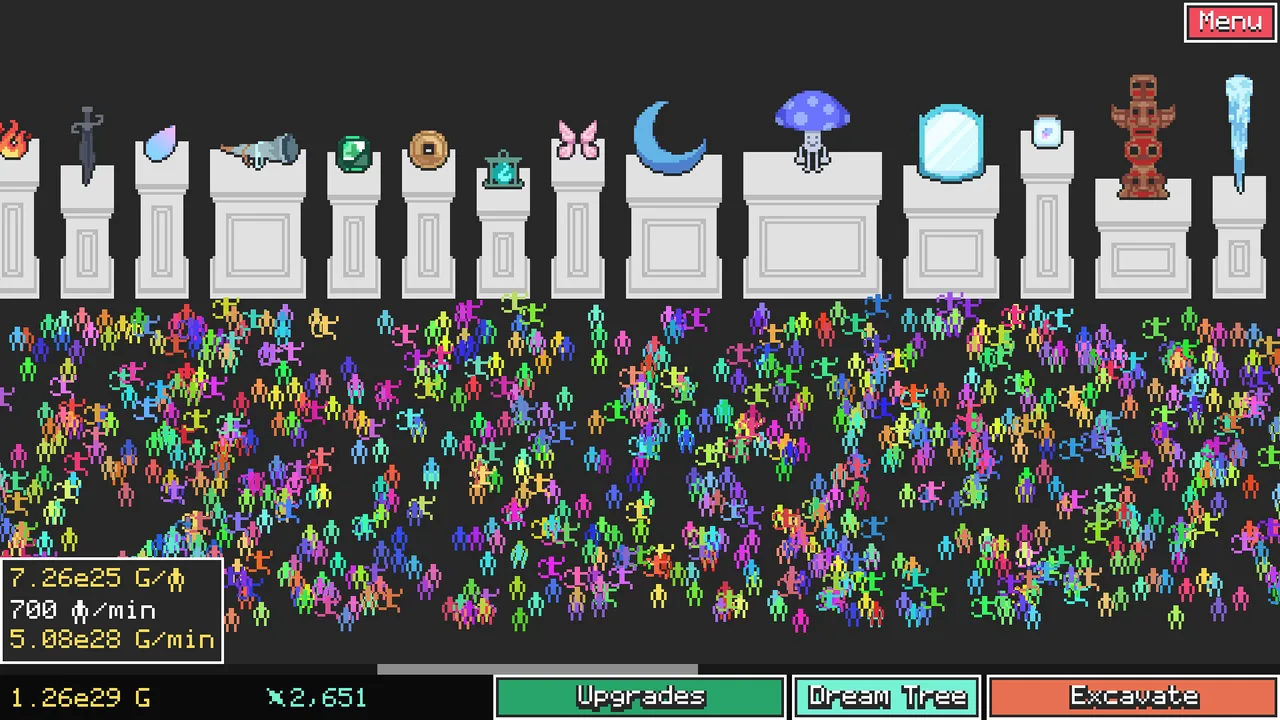
- The pixel-art museum fills in visibly as relics go on display, giving the "building a collection" fantasy a genuine on-screen payoff instead of just a growing number
Biggest weaknesses
- A consistent slice of player feedback describes the same crash-and-recover pattern recurring every few minutes in longer sessions, with no patch addressing it since shortly after launch
- The back half of the run recycles earlier dig sites at higher speed rather than introducing new mechanics, so the choices that mattered early stop mattering once the curve breaks
- A "Quick Restart" shortcut reportedly bypasses the gold cost the prestige loop is built around, undercutting the pacing the whole system depends on
Who it's for: Incremental-genre regulars who want something they can actually finish in an evening, and anyone curious about the genre who's been put off by games designed to never end.
Our recommendation: Worth the asking price for a single focused sitting, especially on sale — just go in expecting a tight vignette rather than a game with legs.
7.5 / 10
A museum built from a minesweeper board
Digseum's pitch is disarmingly small: dig up junk, put the good pieces behind glass, charge admission, repeat until you own the greatest museum in the world. Rat Monthly, the solo studio behind it, calls it a "short, unique incremental journey" right there on the store page, and for once that's not marketing softening a bloated runtime — most players clear everything the game has to offer in something like two to three hours.
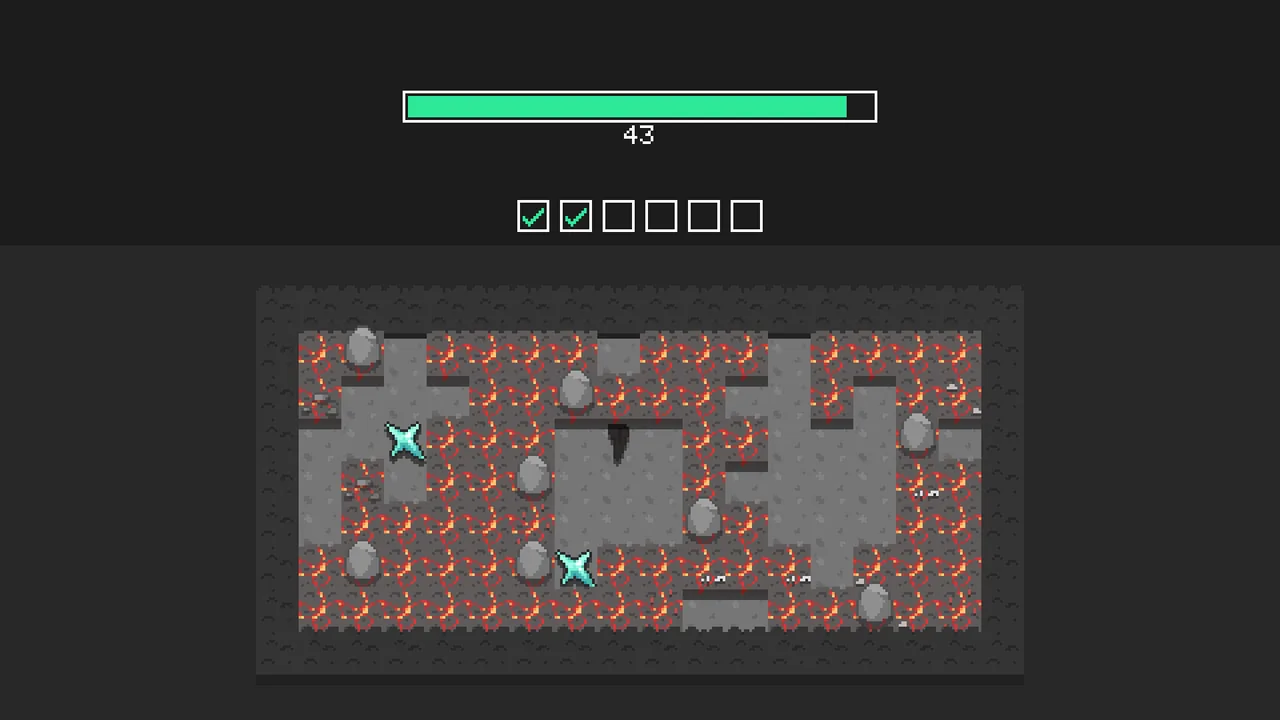
The core loop plays out on a grid that reads like a cross between Minesweeper and a scratch ticket. Each dig site is a field of buried tiles; clearing them costs a chunk of your limited excavation resource per click, and clearing the right tiles reveals relics — pottery shards, old coins, the occasional genuine centrepiece — that get carted back to the museum and put on permanent display. Display the same relic type enough times and it starts generating passive revenue on its own, which funds the next round of pickaxe and radius upgrades, which lets you clear bigger fields faster. It's a familiar incremental skeleton, but the tile-clearing layer gives it more texture than a bare "click here for number" loop: relics aren't spread uniformly, so learning to read a field's early clues genuinely changes how efficiently you dig, at least for the first several hours.
Prestige that behaves like an upgrade tree, not a reset button
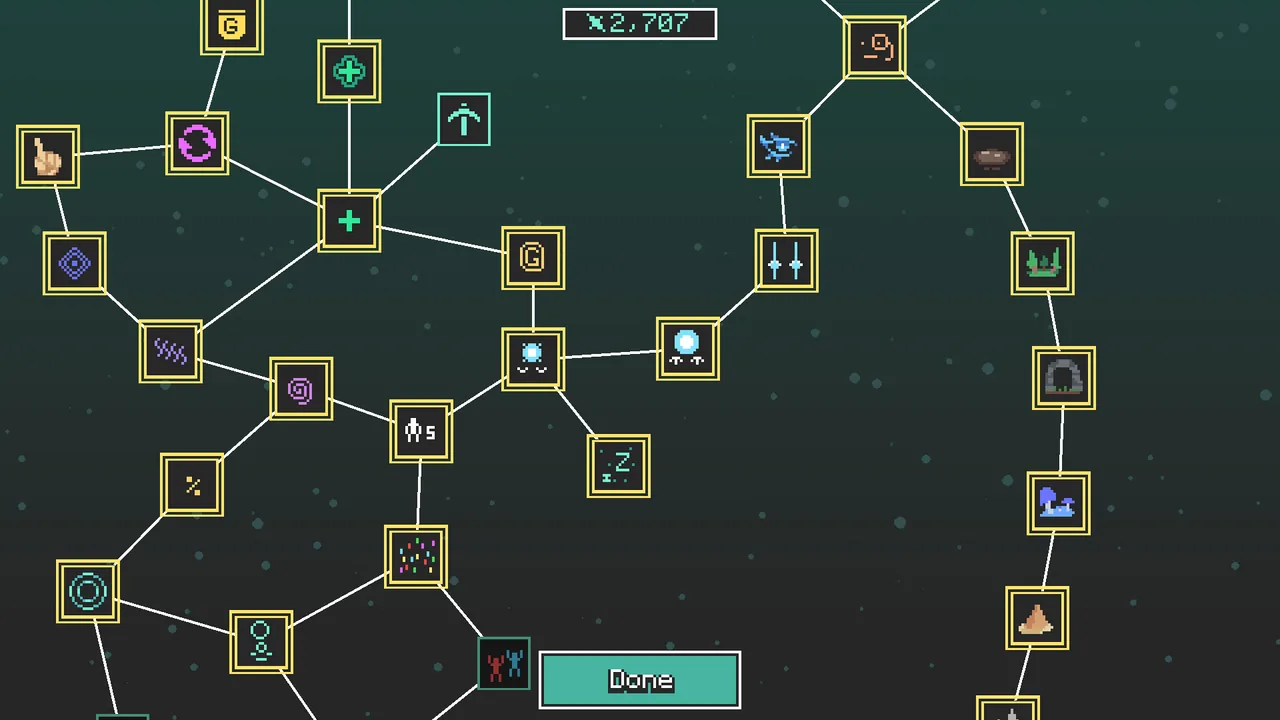
The prestige system is where the design earns most of its goodwill. Digging also turns up star fragments, a currency that survives a full reset and buys permanent upgrades to your dig speed, starting resources and unlock pace. Player feedback consistently singles this out as the game's best-executed idea: every purchased upgrade produces an immediately visible difference on the very next run, rather than the vague, back-loaded payoff that makes a lot of incremental prestige systems feel like busywork. One relic type doesn't just sit on a shelf looking pretty either — the more times you've dug up the same piece, the more money it earns for the museum, which nudges you toward digging thoroughly rather than skimming for rarity alone.
That said, more critical players have a fair point buried in their praise: because prestige upgrades scale so aggressively, the actual act of finding relics stops being necessary well before the game ends. Once movement speed and dig radius are high enough, a run turns into holding down a button through fields you've already fully mapped, and the "which tile do I clear next" decision that made the opening hour interesting quietly disappears. The prestige tree is less a system for making relic-hunting deeper and more a system for making an increasingly repetitive mechanic pass faster — which works, but only because the mechanic underneath it never grows to match.
A charming shell around a short game
Visually, Digseum earns its "cute" reputation. The pixel art is warm and legible, the museum floor fills in relic by relic in a way that actually sells the "look what I've built" fantasy, and the soundtrack gets specific praise in player feedback for staying pleasant across long stretches of repetitive clicking — no small feat for a game whose core interaction is clicking the same kind of tile a few hundred times. A narrating curator character adds personality without turning into exposition dumps between digs.
None of that changes the fact that the game's content — its dozen-plus dig locations, its handful of stat upgrades, its one prestige tree — is genuinely thin once you're past the opening curve. Community sentiment splits fairly cleanly along expectations: players who went in wanting a tight, one-sitting incremental tend to come away delighted, while players expecting the genre's usual open-ended number-go-up sprawl report boredom setting in well before the credits, sometimes as early as the first prestige. Both reactions are describing the same design decision correctly — Digseum was built to end, and it does.
Stability and a few rough interface edges
The more concerning pattern in player feedback isn't pacing, it's stability. A recurring thread across reviews describes the game crashing and auto-recovering every five to ten minutes during longer sessions — not universal, but frequent enough across independent reports to read as a real, unresolved issue rather than isolated hardware trouble, and one that appears to predate any patch addressing it. A second, more specific complaint concerns the "Quick Restart" option, which is supposed to let you skip back into a fresh dig for a gold cost; multiple players report it currently bypasses that cost entirely, which quietly breaks the economy the prestige loop is tuned around.
The interface has one more avoidable flaw worth flagging directly: the "New Game" button sits close to, and similarly sized as, its own confirmation prompt, and more than one player has lost a completed save to an accidental double-click. For a two-to-three-hour game that's a real loss of player time, not a cosmetic nitpick, and it's the kind of thing a single patch would fix outright.
Value
At NZ$4.49 with nothing else to buy — no ads, no premium currency, no DLC — Digseum's price is honest about what it's selling: a short, well-made afternoon, not a service. Measured purely as cost against completed playtime, it holds up fine even before a sale drops the price further. The harder question is whether a completed incremental game, with no reason to return once its single prestige tree and ten achievements are done, is what a genre built on "number keeps going up forever" fans actually want. Plenty of the Overwhelmingly Positive reviews are effectively saying yes, on the strength of the game simply respecting their time enough to end.
Verdict
Digseum is a well-made miniature: a digging mechanic with just enough texture to hold attention, a prestige system that behaves like a proper upgrade tree instead of a reset punishment, and presentation charming enough to make repeated clicking pleasant rather than grim. It falls short of a higher score for reasons that have nothing to do with its scope and everything to do with loose ends — a back half that trades new content for faster repetition, stability reports that suggest a patch is overdue, and an interface slip that has genuinely cost players their progress.
Buy it if you want an incremental that fits in an evening and doesn't ask for a second one. Skip it, or wait for a deeper sale, if what draws you to the genre is the promise that the numbers never stop climbing — Digseum's numbers stop climbing right when the credits do. Players who want that same idle-progression itch scratched over the long term, with systems that keep advancing whether or not they're at the keyboard, may want to look at Wanderer instead.
Pros and cons
Pros
- The digging grid gives spatial reasoning a real payoff once you notice which tiles cluster relics, rather than reducing every click to a coin flip
- Prestige stars buy permanent, immediately felt upgrades on the very next run, so resetting never feels like punishment
- The pixel-art museum fills in visibly as relics go on display, giving the "building a collection" fantasy a genuine on-screen payoff instead of just a growing number
- A clean, honest length for players who want an incremental that actually concludes, with a full 10-achievement clear reachable in one sitting
- NZ$4.49 with no in-app purchases, ads, energy timers or DLC of any kind
Cons
- A consistent slice of player feedback describes the same crash-and-recover pattern recurring every few minutes in longer sessions, with no patch addressing it since shortly after launch
- The back half of the run recycles earlier dig sites at higher speed rather than introducing new mechanics, so the choices that mattered early stop mattering once the curve breaks
- A "Quick Restart" shortcut reportedly bypasses the gold cost the prestige loop is built around, undercutting the pacing the whole system depends on
- The oversized "New Game" control sits close enough to its confirmation prompt that an accidental double-click has wiped completed saves for multiple players
- At two to three hours to see everything, there is nothing left to do once the achievement list is clear, and no meaningful reason to start a second file
Screenshots
-
DigseumImage: Rat Monthly via Steam -
DigseumImage: Rat Monthly via Steam -
DigseumImage: Rat Monthly via Steam -
How the review scores each part of the gameWanderer Editorial -
The short versionWanderer Editorial