Game review
Cricket Captain 2026
7 / 10
- Developer
- Childish Things Ltd
- Publisher
- Childish Things Ltd
- Released
- 18 June 2026
- Platforms
- Windows
- Genre
- Simulation, Sports, Strategy
- Monetisation
- paid
- Players
- false
The short version
Biggest strengths
- Forty-five new playable domestic teams across Afghanistan, Bangladesh, Ireland, Sri Lanka and Zimbabwe, widely praised as adding real variety and depth to long-term rebuild saves
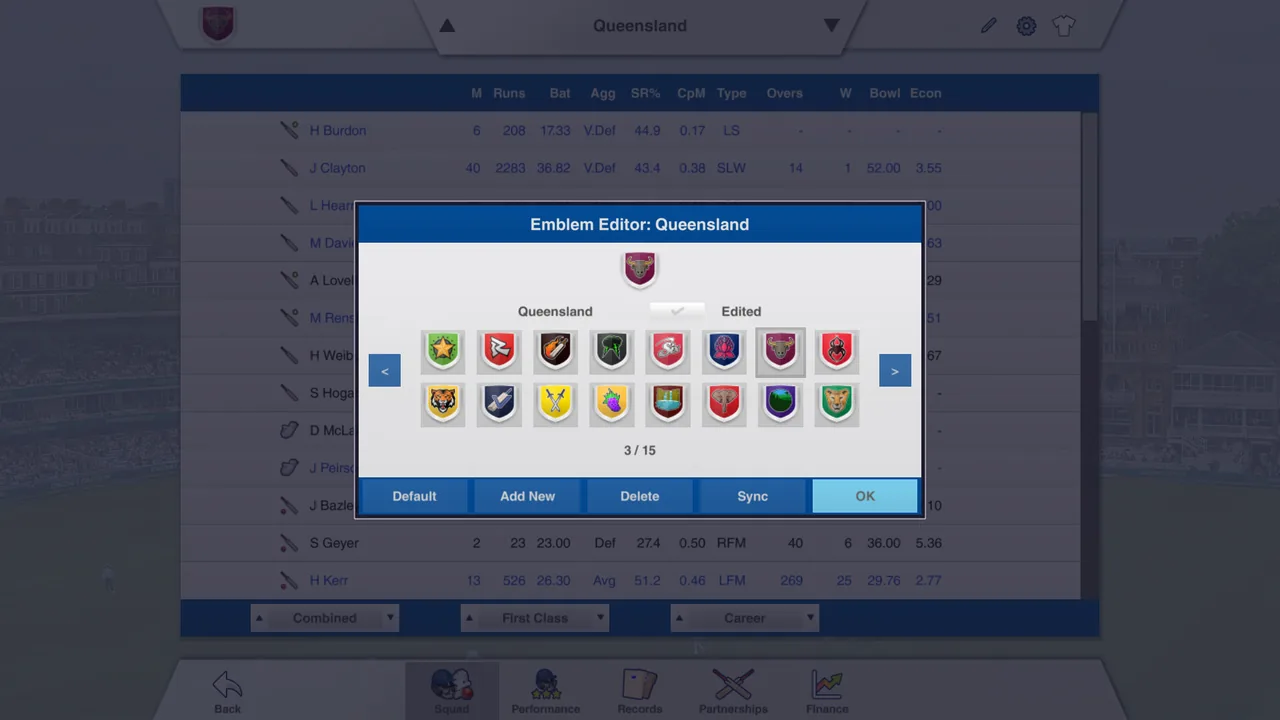
- Substantially deeper customisation options, including custom kits, team emblems, competition logos, and player/team/competition renaming
- Improved T20 match engine producing more believable scoring and fewer implausible full-team collapses, according to multiple longtime players
Biggest weaknesses
- A vocal minority found the underlying player-development and tactical systems opaque and unintuitive, with one detailed reviewer describing training and player strengths as having 'no rhyme or reason'
- Default rosters lack many real player names due to licensing restrictions, requiring manual file edits or community-made fixes to feel fully up to date
- Annual-sequel fatigue is a real, recurring complaint, with some longtime players feeling the core game has changed little since a much earlier era of the series
Who it's for: Longtime fans of the Cricket Captain series and cricket management sim enthusiasts who enjoy long-term rebuild saves, not recommended for newcomers wanting a gentle onboarding or players frustrated by annualized-sequel fatigue
Our recommendation: recommended
7 / 10
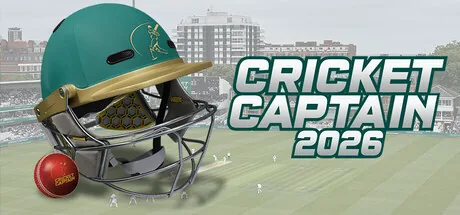
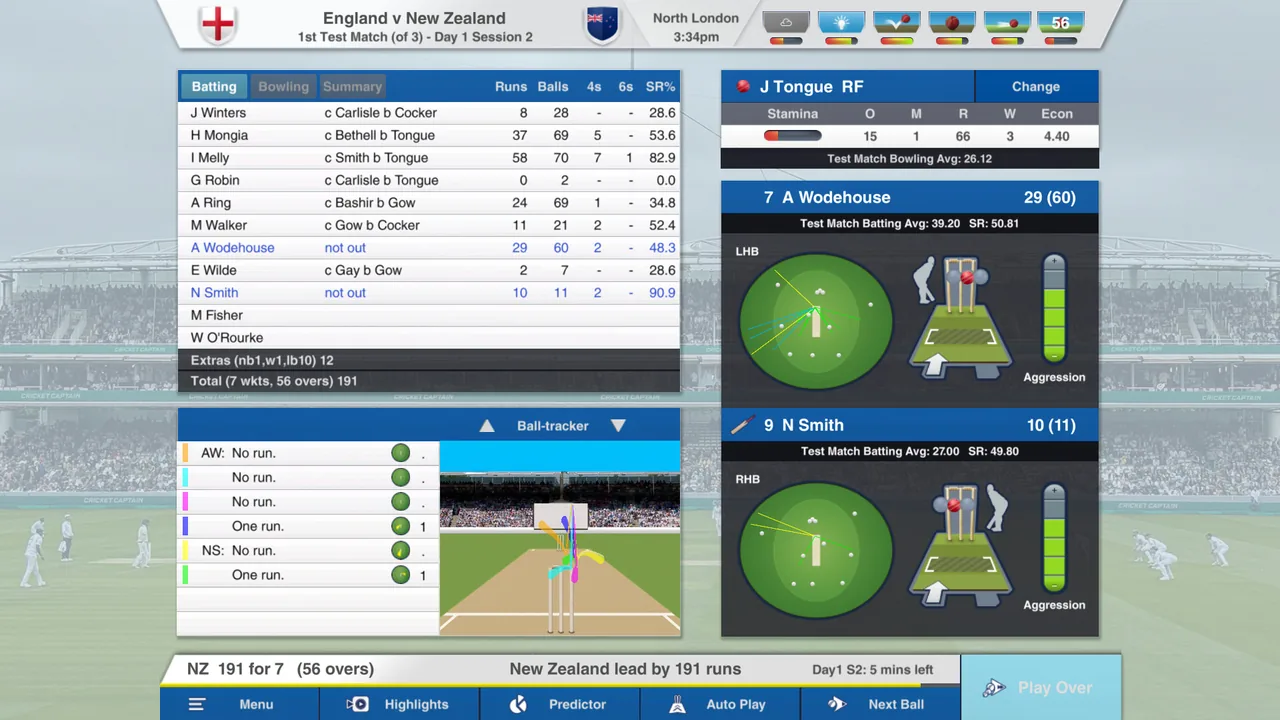
Cricket Captain 2026 released in full on Steam on June 18, 2026, from Childish Things Ltd, the latest yearly entry in a cricket management simulation series with roots stretching back over two decades, this edition adding forty-five new playable domestic teams across Afghanistan, Bangladesh, Ireland, Sri Lanka and Zimbabwe, alongside match engine improvements, deeper editor customisation, and faster general gameplay. Its 27-review English pool sits at Positive (22 up, 5 down, 81.5%), and the reviews describe a franchise that has genuinely found new life this year for its long-term fanbase, even as some familiar structural complaints persist.
The new domestic teams and expanded customisation draw the pool's most enthusiastic, detailed praise, with several longtime players specifically calling this the best entry in the series to date. One detailed reviewer titled their review "The Best Cricket Captain Yet," writing that the new teams add "far more variety and gives players many more opportunities to get deeply invested in long-term rebuild saves," while separately praising being able to "add custom kits, team emblems, competition logos, player names, team names and competition names," which "makes the game feel far more realistic." A separate reviewer echoed the same excitement about the editor tools, calling themselves "very glad there is a logo and emblem editor," and praising the match engine as "working very well" with "added commentary" as "an excellent bonus." A third reviewer, having played the series for "the last few CC games," specifically credited "the addition of the retire/unretire to the editor" and "the new coloured helmets" as small but meaningful realism improvements.
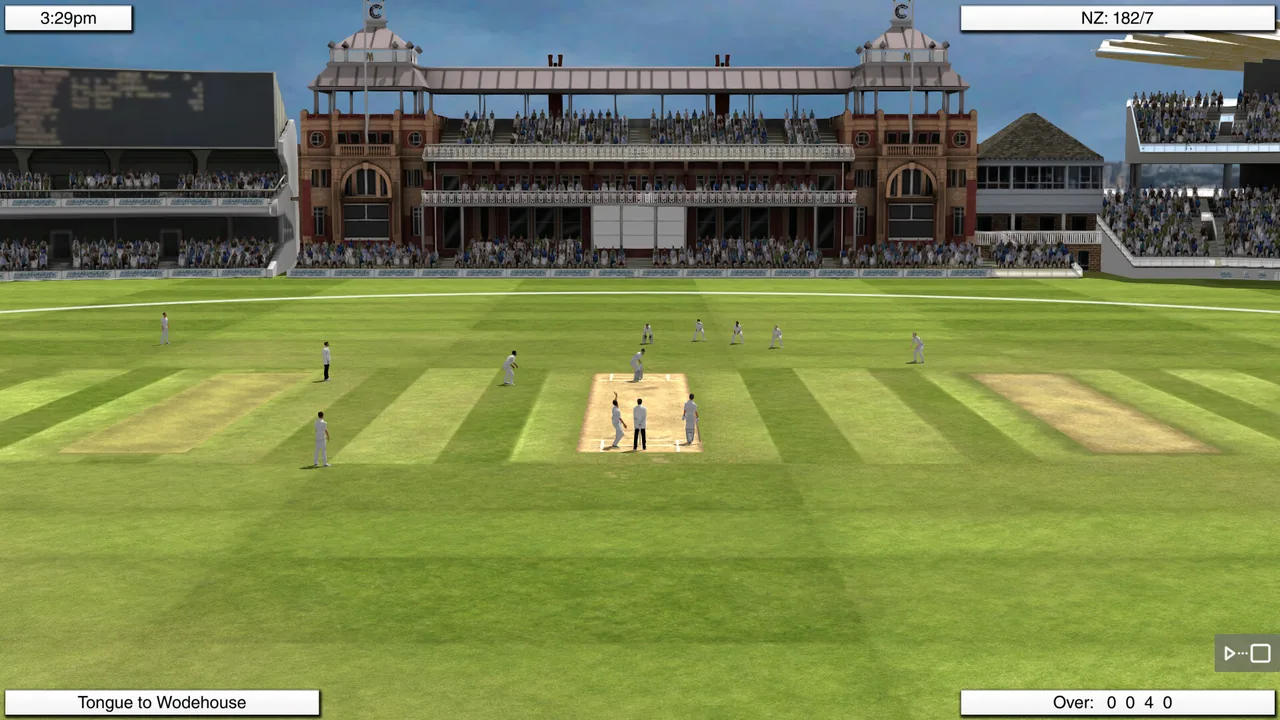
The T20 match engine's rebalancing drew its own specific, corroborated praise as a genuine gameplay improvement rather than a cosmetic one. The same detailed reviewer noted that "scoring rates are more realistic, matches feel better balanced and there seem to be far fewer ridiculous collapses where teams are regularly bowled out for around 50," concluding that "T20 matches now produce more believable scores while still retaining enough unpredictability to keep them interesting." That said, not every reviewer experienced the game's balance the same way: a self-described "cricketing bore/purist" who sticks to the longer red-ball format reported the opposite problem in their preferred mode, finding "top order collapses are much more frequent and absolutely impossible to counter" this year, and separately flagged that "winning the toss is unbelievably overpowered," sometimes making a match's outcome "feel like you know the result before the match has started."
The series' devoted community and its heavy reliance on third-party fixes and tutorials came up repeatedly and specifically, painting a picture of a passionate but self-sustaining fanbase that compensates for the base game's licensing limitations. One reviewer explicitly credited watching "Rob's cricket rebuilds on YouTube... for over a year" before finally buying the game, while another simply noted following "nRob's tutorials on YT on how to get real names, comp names and team names and emblems." That community workaround exists because, as one reviewer explained plainly, "due to licensing, the default doesn't allow for many of the real player names," a limitation that shows up across multiple reviews as an accepted, if mildly annoying, cost of playing a licensed-adjacent sports management sim rather than a fully licensed one.
Accessibility and mechanical clarity form the pool's clearest area of genuine, unresolved frustration for a minority of reviewers. One detailed negative reviewer wrote bluntly, "I have tried so very hard to like this game but it's like it actively wants to punish you for playing it. There is no rhyme or reason as to what works, what you are supposed to do, how to train players, what their strengths are," concluding "save yourself some sanity and play any other sports game." That complaint sits in sharp contrast to the experience of longtime fans who've built up years of series knowledge, and is worth flagging directly for newcomers rather than dismissing as an outlier, since a management sim with genuinely opaque systems is a real onboarding problem regardless of how well those systems reward players who push through them.
Annual-sequel fatigue is the pool's other recurring, long-running complaint, and it comes from a genuinely different angle than the accessibility criticism above: reviewers here aren't confused by the game, they're simply tired of how incrementally it changes year to year. One reviewer wrote flatly, "this game has never changed in all the years its been out," while another put a more measured version of the same point: "while the game remains unchanged since 2013, every year new features are added which make it feel closest to the best cricket simulation manager available as of 2026." That reviewer's framing, unchanged bones with meaningfully improved yearly dressing, captures the split in the pool about as fairly as any single sentence could.
Taken together, Cricket Captain 2026 is a confident, well-received yearly refinement of a very long-running formula, and for the series' substantial dedicated fanbase, this year's new domestic teams, deeper customisation, and rebalanced T20 engine make it an easy purchase, several longtime players specifically called it the best entry yet. Newcomers should go in aware that the core systems have a real learning curve some reviewers found genuinely punishing, and that getting fully up-to-date rosters means leaning on the community's editing tools and tutorials rather than the box as sold. For anyone already invested in the series or genuinely curious about deep cricket management, it's a solid, if unmistakably iterative, recommendation, and one that rewards patience with its systems far more than it rewards expecting a dramatic reinvention.
Pros and cons
Pros
- Forty-five new playable domestic teams across Afghanistan, Bangladesh, Ireland, Sri Lanka and Zimbabwe, widely praised as adding real variety and depth to long-term rebuild saves
- Substantially deeper customisation options, including custom kits, team emblems, competition logos, and player/team/competition renaming
- Improved T20 match engine producing more believable scoring and fewer implausible full-team collapses, according to multiple longtime players
- A genuinely strong, dedicated community with active third-party name and logo fixes, and popular tutorial content that new players lean on heavily
Cons
- A vocal minority found the underlying player-development and tactical systems opaque and unintuitive, with one detailed reviewer describing training and player strengths as having 'no rhyme or reason'
- Default rosters lack many real player names due to licensing restrictions, requiring manual file edits or community-made fixes to feel fully up to date
- Annual-sequel fatigue is a real, recurring complaint, with some longtime players feeling the core game has changed little since a much earlier era of the series
- At least one reviewer felt toss results are disproportionately decisive, sometimes making a match's outcome feel largely determined before it begins
Screenshots
-
Cricket Captain 2026Image: Childish Things Ltd via Steam -
Cricket Captain 2026Image: Childish Things Ltd via Steam -
Cricket Captain 2026Image: Childish Things Ltd via Steam