Game review
Aphelion
6.3 / 10
- Developer
- DON'T NOD
- Publisher
- DON'T NOD
- Released
- 28 April 2026
- Platforms
- [Windows]
- Genre
- Adventure
- Monetisation
- $29.99
- Players
- false
The short version
Aphelion is a beautifully shot, genuinely engaging sci-fi mystery about two astronauts stranded on a hostile world, but its constant climbing sequences, an over-used manual-grip mechanic, and a real spread of bugs make it a much harder game to actually play than it is to watch.
Biggest strengths
- A genuinely engaging, mystery-driven sci-fi story with strong performances and character writing that a large share of reviewers connected with emotionally
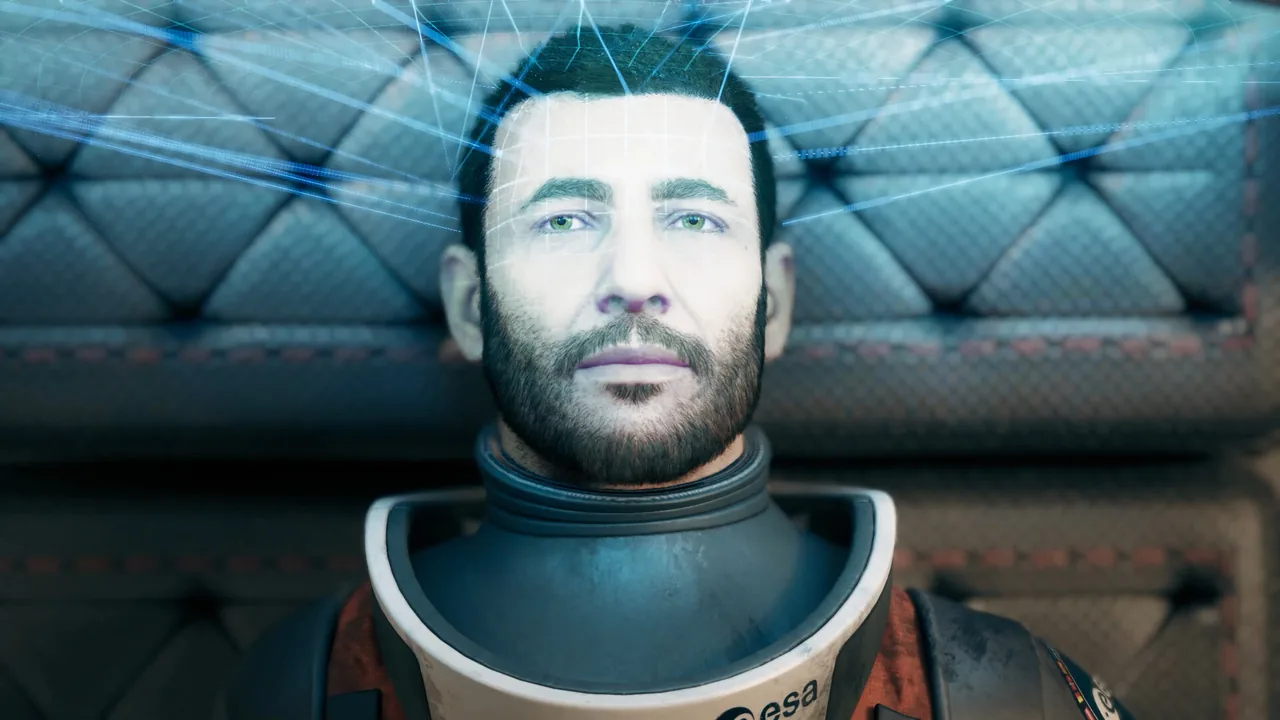
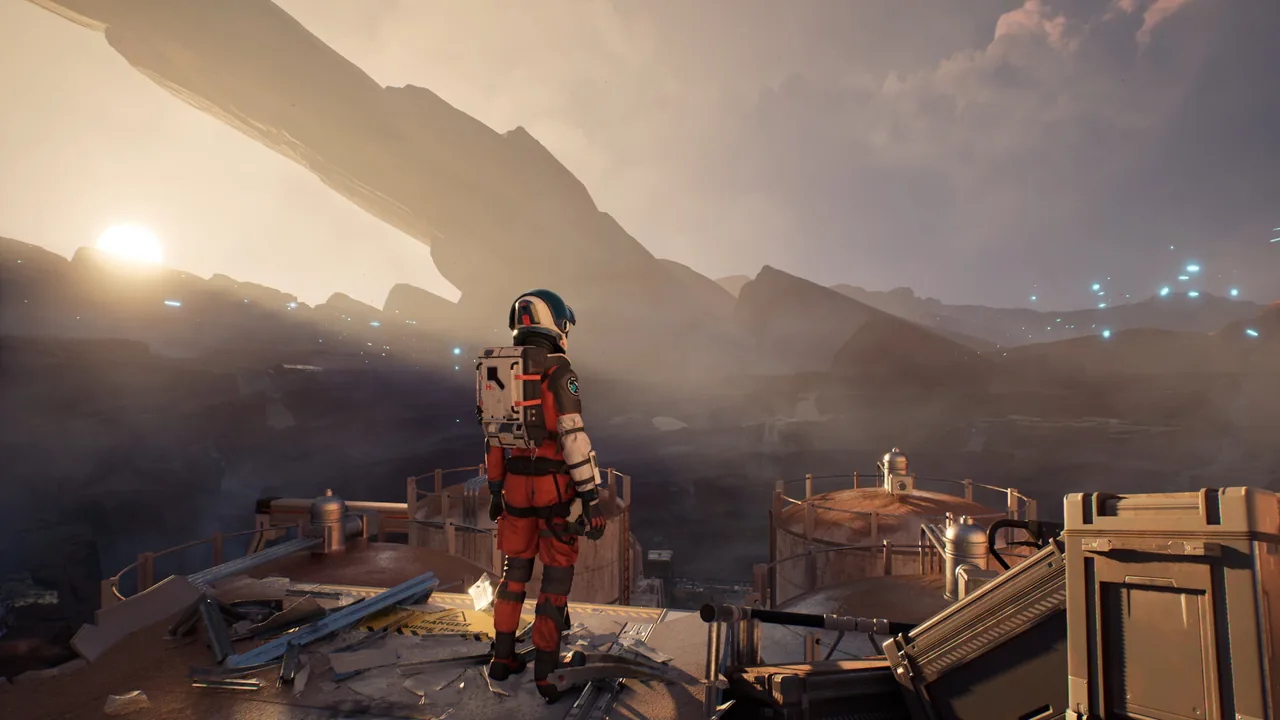
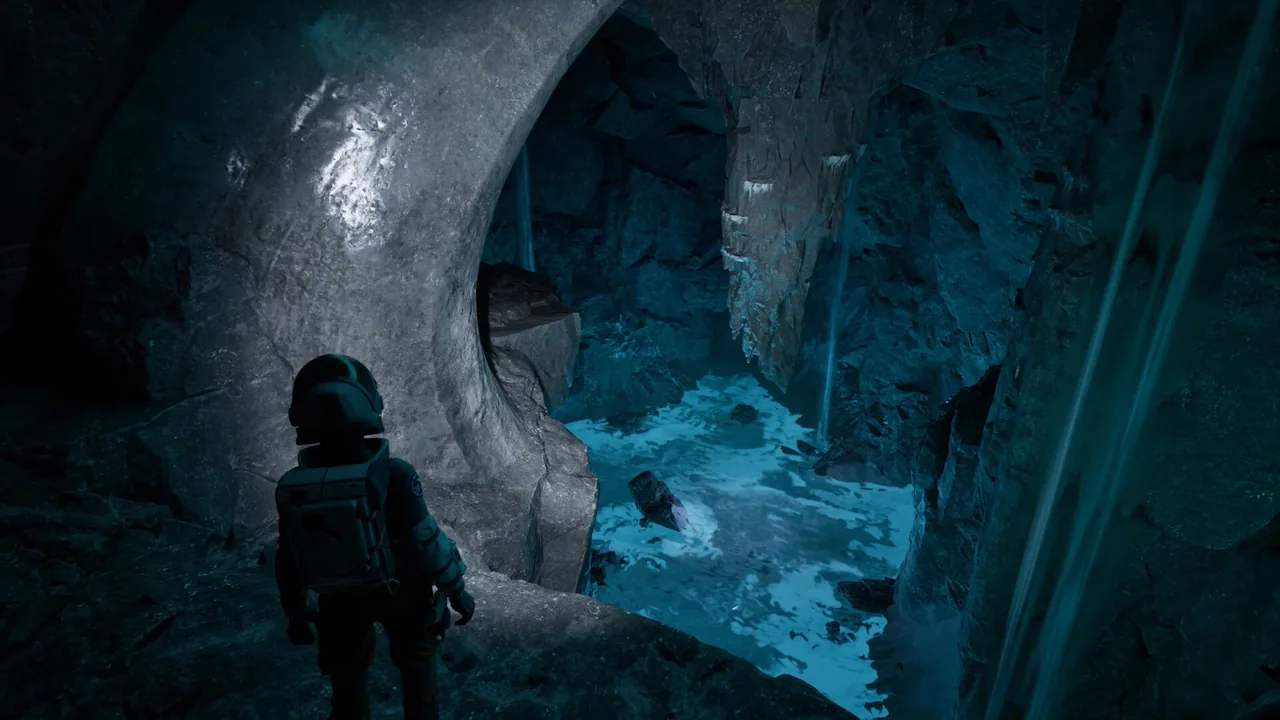
- Outstanding presentation: detailed environments, strong facial animation, and a widely-praised score and sound design
- Some effectively tense stealth sequences against a stalking creature, when the controls cooperate
Biggest weaknesses
- Climbing dominates the moment-to-moment gameplay and gets repetitive fast, compounded by a manual grip button players must press on nearly every handhold
- Controls on both keyboard/mouse and controller are widely described as loose and imprecise, leading to frequent unintended deaths
- A real spread of bugs and glitches, including at least one reported case of a save losing two full chapters of progress
Who it's for: Fans of narrative-first, cinematic sci-fi (Interstellar, Europa Report) who can tolerate a slow, climbing-heavy pace and don't mind a linear, mechanically thin experience.
Our recommendation: Try it on sale
6.3 / 10
Stranded on Persephone
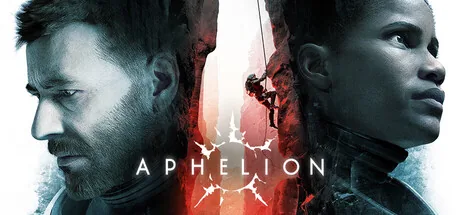
Aphelion follows ESA astronaut Ariane Montclair as she braves the frozen, reality-bending surface of the alien planet Persephone to rescue her wounded partner Thomas Cross, blending exploration, traversal, and stealth against a stalking, otherworldly threat. Developer and publisher DON'T NOD — best known for Life is Strange and, more recently, Banishers — released the game April 28, 2026 at $29.99 to a genuinely split reception: 343 reviews sit at a Mixed 65% positive, and the review sample makes clear exactly why the studio's fans are so divided on this one.
A story that lands for most, even when the gameplay doesn't
The strongest, most consistent thread across the review sample is that Aphelion's narrative and atmosphere work. Reviewers across English, French, German, and Polish describe a genuinely absorbing mystery about the relationship between Ariane and Thomas, layered with strong voice performances and a score several single out as a highlight in its own right — one reviewer specifically credits DON'T NOD with producing what's easily the best-looking game the studio has made. Reviewers repeatedly reach for Interstellar and Europa Report as comparison points, describing the pacing and tone as closer to a slow-burn sci-fi film than a typical action-adventure. It's not universal — some found the dialogue corny or the protagonists' personalities grating, and the ending draws a specific cluster of complaints for feeling unresolved or rushed — but the story and presentation are where the game earns most of its goodwill.
Climbing, climbing, and more climbing
Where the review sample turns sharply negative is the actual moment-to-moment gameplay, which is overwhelmingly built around ledge-climbing traversal. Reviewers repeatedly describe this as the game's central flaw: one bluntly calls it "a ledge climbing simulator with repetitive gameplay," and several others note that a manual grip button, which must be pressed on nearly every single handhold throughout the game, turns what should be atmospheric exploration into a tedious, constant chore. Compounding this, controls on both keyboard-and-mouse and controller are widely described as loose or imprecise — reviewers report unintended falls, characters failing to grab an obvious handhold, and deaths that feel attributable to control friction rather than player error. A German reviewer summarized the frustration bluntly: dying more often in a narrative-focused game than in a Souls-like feels like a fundamental design misstep.
Stealth sections and a fiddly final act
Interspersed with the climbing are stealth sequences built around evading a stalking creature the community refers to as "the Nemesis," and reception here is genuinely split — some reviewers found these sections effectively tense and well-staged, while an equal number describe them as unclear about what actually triggers detection or how to escape once spotted, leading to frustrating trial-and-error deaths. Multiple reviewers single out the final chapters specifically as the weakest stretch, describing a spike in unclear mechanical demands and repeated deaths that clash with the otherwise cinematic pacing established earlier in the game — one English-language reviewer who otherwise enjoyed the game through chapter nine said the last two chapters felt noticeably more stretched and frustrating than everything before them.
Bugs, save issues, and missing display support
A real, cross-language spread of technical complaints rounds out the negative side of the sample: reports of glitchy animations, characters dying and completing a level simultaneously, and outright crashes serious enough that one reviewer called the game literally unplayable at points. More seriously, a French-language reviewer reported losing two full chapters of progress to what they described as an archaic save system, a significant loss for a story-driven game with heavy narrative investment. A separate, recurring complaint flags the lack of ultrawide monitor support (5120x1440 and 32:9 setups specifically), with at least one reviewer refunding the game over this alone.
Length and value
Several reviewers estimate the main story runs somewhere in the four-to-six-hour range, with at least one describing the pacing as stretching what feels like two hours of content across eight through slow movement and heavy cutscene use. Given the $29.99 asking price, this length-to-cost ratio comes up repeatedly as a point of frustration, particularly from reviewers who otherwise liked the story but felt the price should better reflect a linear, mechanically thin experience with limited replay value.
How it compares to DON'T NOD's catalog
For a studio best known for dialogue-driven narrative games like Life is Strange, Aphelion represents a deliberate swing toward physical traversal and survival-horror-adjacent tension, and the review sample is split on whether that swing paid off. Several longtime fans explicitly say this is the weakest game DON'T NOD has released, citing the mechanical friction as a step backward from the studio's usual strengths in writing and character work. Others frame it more charitably as an ambitious, if imperfect, experiment — praising the studio for trying something structurally different rather than repeating the same dialogue-tree formula, even if the execution of the climbing and stealth systems doesn't fully justify the attempt. Either way, it's clearly a more mechanically demanding game than DON'T NOD's narrative-adventure back catalog, and that shift in expectations is worth knowing going in.
Who should visit Persephone
Aphelion is easiest to recommend to players who prioritize story, atmosphere, and presentation over mechanical polish — reviewers who went in expecting a slow, cinematic sci-fi mystery rather than a traditional action-adventure consistently report a positive, sometimes deeply affecting experience. It's a much tougher sell for anyone who needs tight, responsive controls or dislikes repetitive traversal mechanics, since the climbing and grip system dominate so much of the actual playtime. Waiting for a patch cycle (to address the bugs and save issues) and a sale (to better match the shorter runtime) seems like the wiser way in for most players.
The verdict
Aphelion has a genuinely good story buried inside a frustrating shell: gorgeous presentation, strong writing, and real emotional stakes are held back by repetitive, imprecise climbing mechanics, an over-used grip system, and a real list of bugs that occasionally undermine the narrative experience the game is otherwise so clearly built around. It's a game to admire more than it is to play, which for a studio as story-focused as DON'T NOD is a genuinely disappointing trade-off.
Pros and cons
Pros
- A genuinely engaging, mystery-driven sci-fi story with strong performances and character writing that a large share of reviewers connected with emotionally
- Outstanding presentation: detailed environments, strong facial animation, and a widely-praised score and sound design
- Some effectively tense stealth sequences against a stalking creature, when the controls cooperate
- A distinctive, patient pace that several reviewers compare favorably to prestige sci-fi films rather than typical action-adventure games
Cons
- Climbing dominates the moment-to-moment gameplay and gets repetitive fast, compounded by a manual grip button players must press on nearly every handhold
- Controls on both keyboard/mouse and controller are widely described as loose and imprecise, leading to frequent unintended deaths
- A real spread of bugs and glitches, including at least one reported case of a save losing two full chapters of progress
- No ultrawide monitor support, and a short main story (several reviewers estimate 4-6 hours) that some feel doesn't match the $29.99 price
Screenshots
-
AphelionImage: DON'T NOD via Steam -
AphelionImage: DON'T NOD via Steam -
AphelionImage: DON'T NOD via Steam -
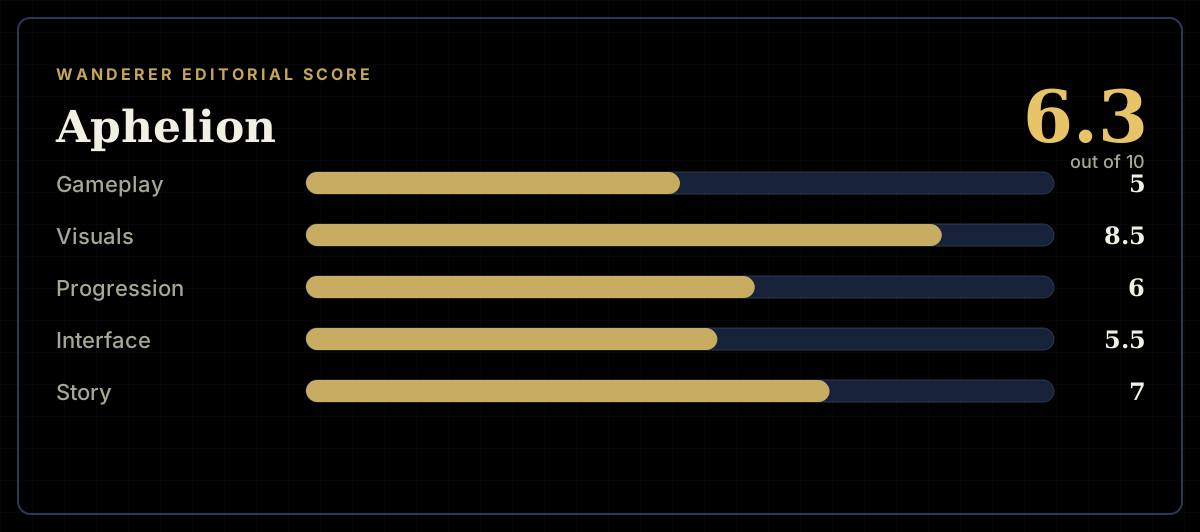
How the review scores each part of the gameWanderer Editorial -
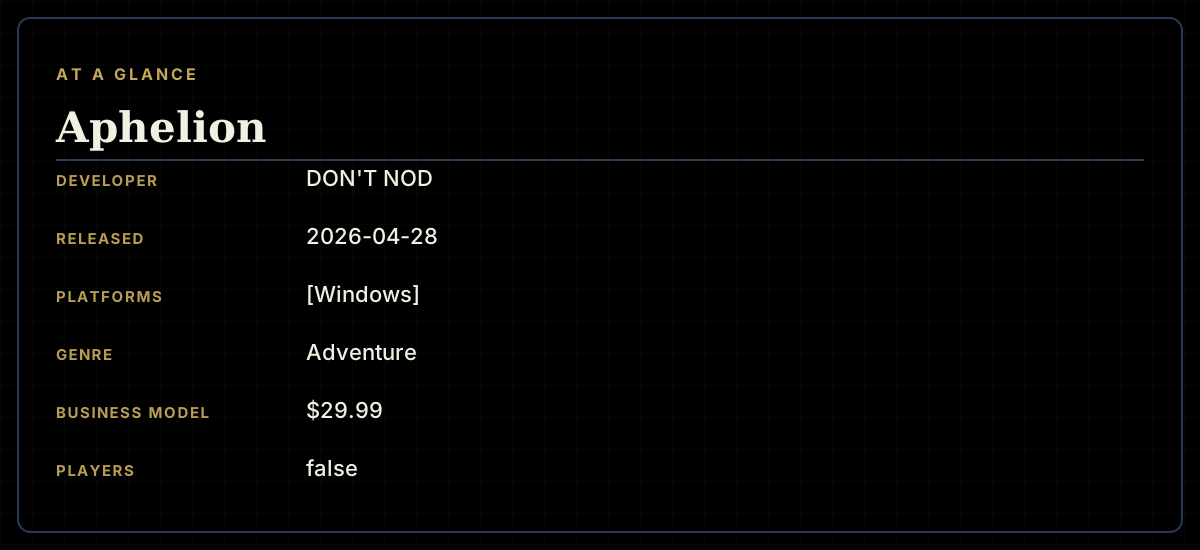
Key facts at a glanceWanderer Editorial -
The short versionWanderer Editorial