Game review
ESKINITA
6 / 10
- Developer
- Machu
- Publisher
- Machu
- Released
- 28 June 2026
- Platforms
- Windows
- Genre
- Adventure, Indie, Horror
- Monetisation
- paid
- Players
- false
The short version
Biggest strengths
- A distinctive, specific setting, working a small Filipino lugawan rice porridge stall, that reviewers found refreshingly grounded and culturally specific for the genre
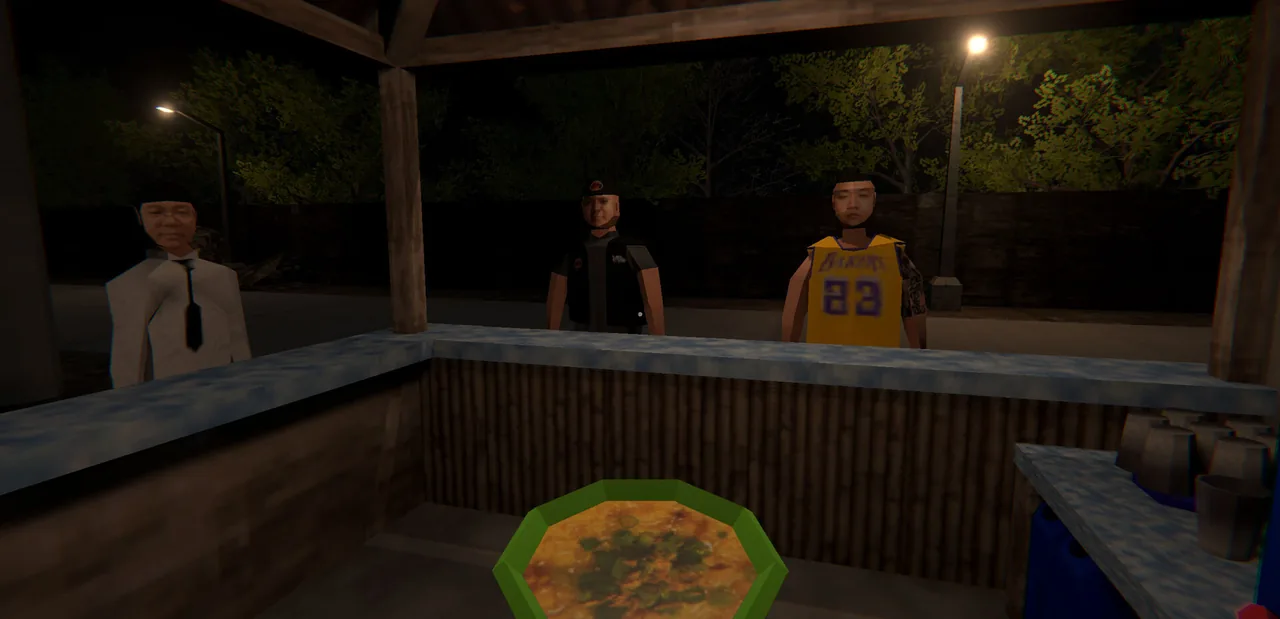
- Unsettling, deliberately low-fidelity visual style, with real human faces mapped onto basic humanoid character models drawing specific, repeated praise as genuinely creepy
- A simple, immediately understood gameplay loop that requires no tutorial and keeps the focus on atmosphere over mechanical complexity
Biggest weaknesses
- An abrupt, unsatisfying ending that is the single most corroborated complaint in the entire review pool, cited by nearly every reviewer regardless of overall score
- Very short even by short-horror-game standards, with most reviewers finishing in around half an hour and wishing for more content and story development
- Achievements tied to what appear to be multiple endings that at least one reviewer could not figure out how to unlock despite multiple playthroughs, suggesting a possible bug
Who it's for: Fans of short, atmospheric night-shift horror games with strong cultural specificity, not recommended for anyone wanting a fully-developed story or a satisfying conclusion
Our recommendation: recommended
6 / 10
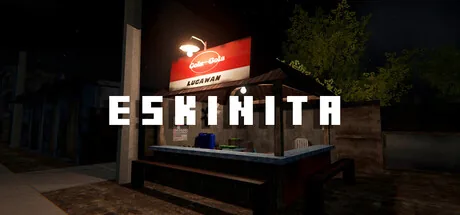
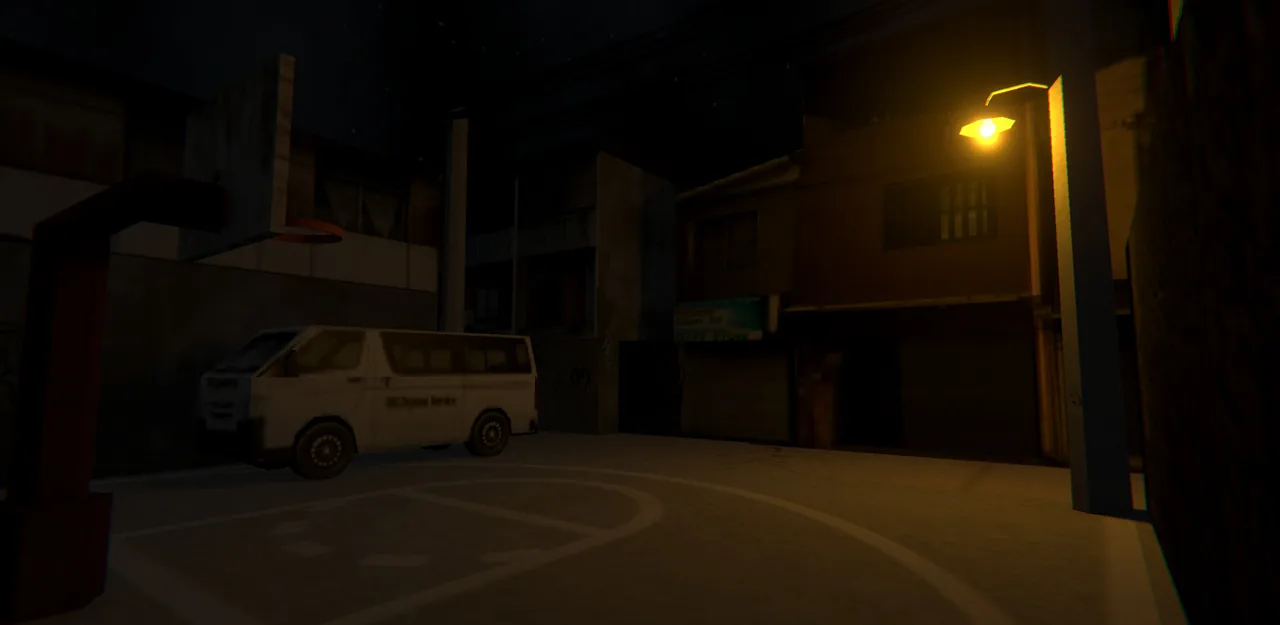
ESKINITA released in full on Steam on June 28, 2026, from solo developer Machu, a short atmospheric horror game set at a small neighborhood lugawan, a Filipino rice porridge stall, where players serve customers over three nights while rumors spread about someone lurking in the surrounding dark alleyways, then must walk home through those same alleys after each shift. Its 16-review English pool sits at Positive (15 up, 1 down, 93.75%), and the reviews describe a genuinely atmospheric, culturally distinctive take on the "night-shift horror" genre whose ending nearly every reviewer singled out as its biggest letdown.
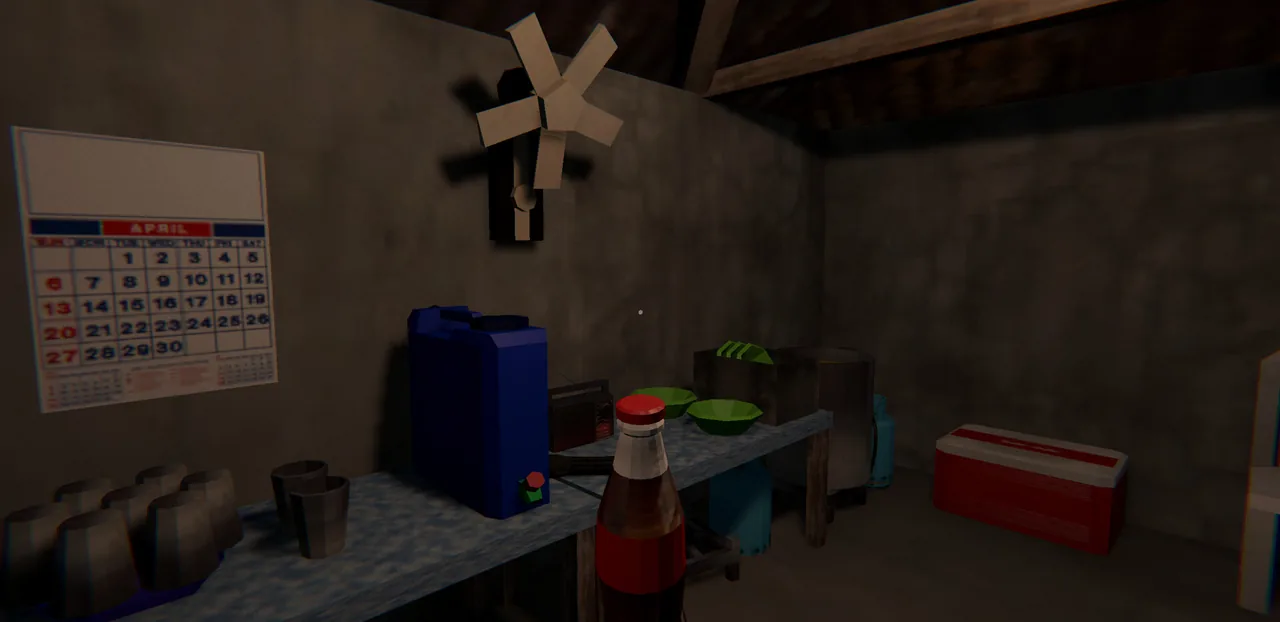
The setting and its cultural specificity draw the pool's most consistent, distinctive praise, with reviewers repeatedly noting how refreshing it felt within a genre that's become fairly formulaic. One detailed reviewer described the format directly: "this one falls into that niche horror genre where you work the night shift, serving customers who stop by to share stories while a killer is on the loose somewhere in the city," but noted "this time, you're working at a lugawan," explaining the gameplay loop of preparing food, serving drinks, collecting payment, and cleaning up before "you make your way home through the alley." A separate reviewer's excitement about that specificity came through in a single enthusiastic line: "loved it! who wants Balut who wants lugawan who wants Jollibee yarn." Another reviewer, addressing the developer directly, wrote "great work, dev. We're here to support you, kabayan. Excited to see your future projects!", a level of community investment that speaks to how much the setting resonated with players familiar with it.
Visual presentation earned specific, repeated praise for how effectively it built unease despite, or because of, its deliberately rough technical fidelity. One detailed reviewer described "blocky environments and simple textures that resemble games from the era before modern graphics cards," adding that "the most disturbing detail has to be the characters, who have real human faces plastered onto basic humanoid models. It looks bizarre, and somehow that makes it even creepier." A separate reviewer echoed the same overall assessment more simply, calling "the atmosphere" "great" even while being critical of other elements, a pattern that recurs consistently: reviewers disappointed by the story or length still consistently credited the game's mood and visual design as genuinely effective.
The ending is, by a wide margin, the pool's most corroborated and consistent complaint, showing up in some form across nearly every review regardless of its overall score. One reviewer wrote plainly, "the ending completely killed it for me. Feels unfinished." Another, more measured but reaching a similar conclusion, said "the game felt rushed from beginning to end. Just when I thought things were about to get interesting, it was already moving on. I never really got the chance to connect with the story or feel genuinely scared," landing at "6.5/10" despite liking "the overall idea." A third reviewer put it in a single line: "the atmosphere is great and the story starting point was pretty ok, but the ending felt really rushed and came out of nowhere." Even reviewers who ultimately recommended the game without reservation still flagged the same issue: one wrote "I was invested in the story, however I will have to say, the ending felt abrupt," while another simply asked for the experience to be "fleshed out more."
Length draws a closely related but distinct complaint, since even reviewers who enjoyed the atmosphere wanted meaningfully more of it. One detailed reviewer noted the game "is also incredibly short, with nothing interesting happening" toward the end, and estimated a full playthrough at "around half an hour." Another wrote simply, "this game is definitely my style of game but I wish it was longer. I also wish there was more to do." A third offered a pragmatic compromise: "not bad, but could be a bit longer. Or cheaper, something in between, I guess," a fair-minded framing given the roughly three-dollar asking price most reviewers otherwise found reasonable for what's on offer.
A possible multiple-endings bug rounds out the pool's technical concerns. The same detailed reviewer who covered the game most thoroughly noted that "based on the achievements, though, there seem to be multiple endings," but after finishing the game twice, hoping dialogue choices during customer conversations would branch the outcome, "got the exact same ending both times," concluding "at this point, I'm starting to think the achievements might just be bugged." That's a specific, checkable claim rather than a vague accusation, and worth flagging directly for anyone chasing full achievement completion.
It's worth noting how much goodwill the developer appears to have banked despite these consistent structural complaints, since it's a meaningful part of the overall picture the pool paints. Multiple reviewers attached full gameplay walkthroughs and let's-play videos directly to their written reviews, a level of engagement well beyond a typical three-dollar indie horror release, and several explicitly framed their criticism as encouragement for a sequel or expanded follow-up rather than a reason to skip the current game entirely. One reviewer, despite finding the game unsatisfying overall, still suggested the developer "maybe in the future make a paresan same like game," referencing a different Filipino culinary setting as a hopeful pitch for what comes next. That combination, real structural criticism paired with genuine enthusiasm for the developer's future work, is consistent with how a young, promising solo project tends to be received rather than a project reviewers were simply trying to be polite about.
Taken together, ESKINITA is a short, genuinely atmospheric horror game with a distinctive, well-realized setting and an unsettlingly effective visual style that clearly connected with players, particularly those familiar with the specific Filipino cultural details it draws on. Its central problem isn't a lack of ideas but a lack of follow-through: nearly every reviewer, including its most enthusiastic supporters, wanted more story, more time to build tension, and a conclusion that actually resolves what the setup promises. At around three dollars for roughly half an hour, it's a fair, low-risk try for horror fans drawn to its premise, so long as expectations for the ending are set appropriately low going in.
Pros and cons
Pros
- A distinctive, specific setting, working a small Filipino lugawan rice porridge stall, that reviewers found refreshingly grounded and culturally specific for the genre
- Unsettling, deliberately low-fidelity visual style, with real human faces mapped onto basic humanoid character models drawing specific, repeated praise as genuinely creepy
- A simple, immediately understood gameplay loop that requires no tutorial and keeps the focus on atmosphere over mechanical complexity
- Strong, effective atmosphere throughout the customer-serving segments and the walk home, repeatedly praised even by reviewers otherwise disappointed by the story
Cons
- An abrupt, unsatisfying ending that is the single most corroborated complaint in the entire review pool, cited by nearly every reviewer regardless of overall score
- Very short even by short-horror-game standards, with most reviewers finishing in around half an hour and wishing for more content and story development
- Achievements tied to what appear to be multiple endings that at least one reviewer could not figure out how to unlock despite multiple playthroughs, suggesting a possible bug
- A story that several reviewers felt was rushed just as it was becoming genuinely interesting, never given enough time to build real tension or investment
Screenshots
-
ESKINITAImage: Machu via Steam -
ESKINITAImage: Machu via Steam -
ESKINITAImage: Machu via Steam