
Game review
A Week in Paradise
7.5 / 10
- Developer
- Etrikia
- Publisher
- Soft Serve Games, Etrikia
- Released
- 5 June 2026
- Platforms
- Windows, Linux
- Genre
- Adventure, Casual, Indie
- Monetisation
- paid
- Players
- false
The short version
Biggest strengths
- Confident, well-reviewed writing that repeatedly gets singled out for making a small, contained story feel weighty and personal
- Strong presentation for the scale of the project: sprinkled voice acting, subtle animation, and a bar setting reviewers described as genuinely atmospheric
- Five distinct endings driven by real, remembered choices across the week, giving the short runtime a reason to be replayed
Biggest weaknesses
- Very short overall length, with most reviewers finishing in one to three hours, which limits how much room the mystery has to breathe
- One reviewer explicitly noted the ending unravels 'a lot quicker than I would have liked' once the mystery starts to pay off
- Minimal mechanical variety outside of dialogue and drink choices, plus small RPG-Maker-style exploration segments
Who it's for: Visual novel fans who want a tight, well-written couple of hours over a much longer commitment, and anyone drawn to introspective stories about addiction and regret
Our recommendation: recommended
7.5 / 10
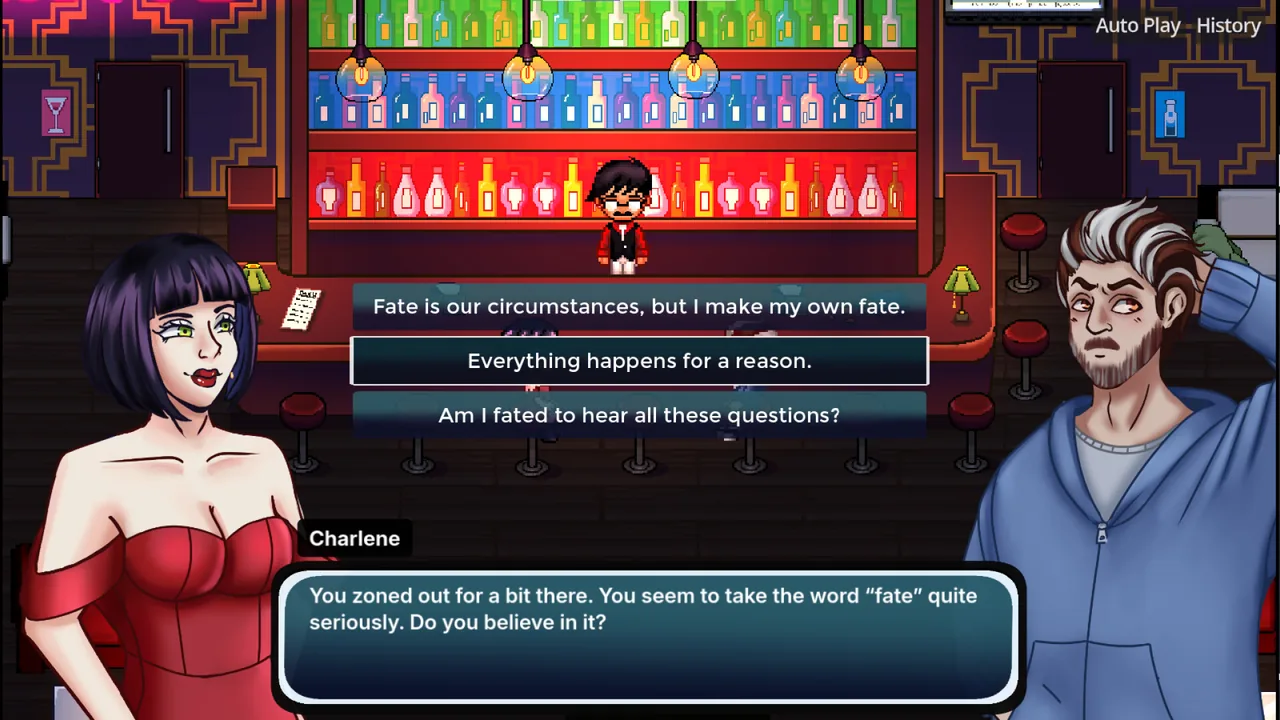
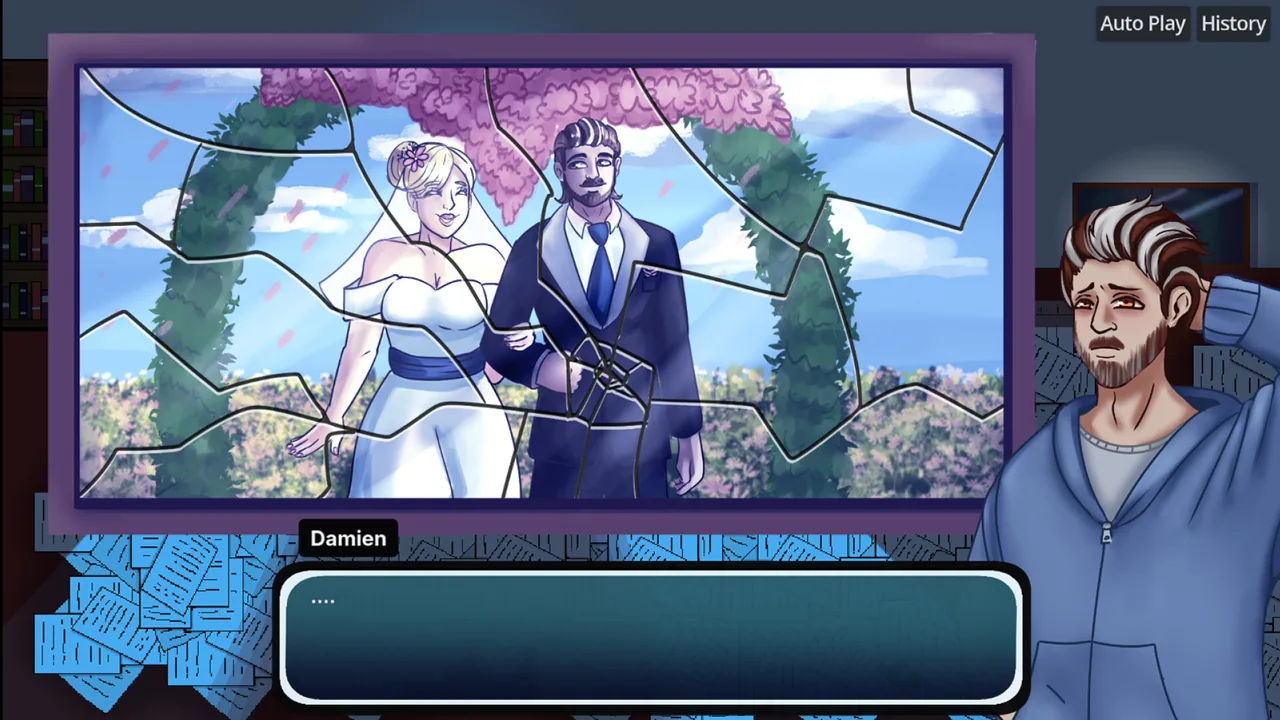
A Week in Paradise released on Steam on June 5, 2026, a $5.99 visual novel from solo-flavoured developer Etrikia, published alongside Soft Serve Games. It casts the player as Damien, an alcoholic writer who keeps stumbling into a bar called Paradise, where he shares a drink each night with Charlene, a jazz singer working through troubles of her own. Across the week, dream sequences and remembered fragments slowly untangle why the two of them keep ending up in the same room, and the choices made along the way steer the story toward one of five different endings. Its 19-review English pool is unanimously Positive, with zero negative reviews recorded, a genuinely rare outcome even among small, low-visibility releases.
The writing is the pool's clear centerpiece, and reviewers describe it with a specificity that goes well beyond generic praise. One player called it "a great story" told with "concise and confusing" pacing that "spoon-feeds you bits and pieces about the narrative until it all begins to make sense," while another wrote that the game "made me love sitting and wondering what it's truly trying to say," crediting it for showing rather than telling the player how to feel. A third reviewer, engaging directly with the game's central figure, wrote at length about Damien specifically: "I feel like I know a lot of people who will relate to Damien. He sucks. But in a way that's super important for the narrative," before diving into spoiler-tagged detail about which of the game's five endings actually lands emotionally. That level of engagement with a five-dollar visual novel, arguing about which ending is "objectively correct," is a strong signal that the writing is doing real work rather than just filling space between choices.
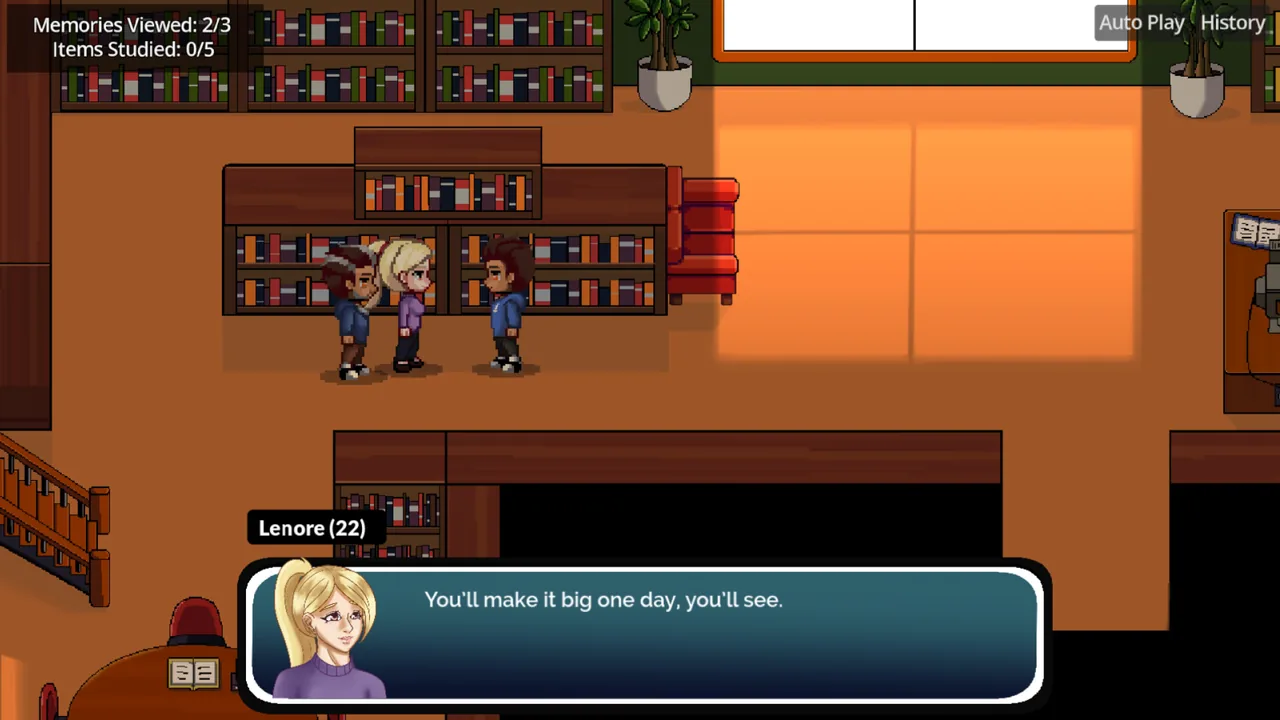
Presentation punches well above the game's price point according to the pool. One reviewer, comparing it to Coffee Talk, wrote that "the sprinkled in voices, subtle animations, and presentation are more than adequate to make the environment and characters feel alive," despite noting upfront that "it is very short and small in scope" with no mechanics beyond "dialogue/drink options and small exploratory sections via an rpg maker like setting." Another reviewer called it simply "a stunning first release by the developer, charming art style and wonderful story that keeps you entranced the entire time." The small dart minigame woven between dialogue sequences drew specific, repeated affection too, described by one player as "addicting (and deceptively simple)," a detail that suggests the developer used its limited scope deliberately rather than as a placeholder.
Where the pool's praise gets more qualified is around the ending. The same reviewer who drew the Coffee Talk comparison was clear that the resolution felt compressed: "It does feel a little rushed at the end, as in once the mystery starts to unravel it unspools a lot quicker than I would have liked." That's a meaningful caveat for a game explicitly built around slowly assembling a mystery across a single week, since a rushed final act undercuts exactly the kind of patient, atmosphere-driven storytelling the rest of the pool praises so consistently. Several reviewers also independently flagged the game's brevity on its own terms, describing it as "short but sweet," finishable "in an afternoon," or, more bluntly, "short and small in scope," with most recorded playtimes sitting between one and three hours.
Value for money is where a prospective buyer should weigh the most carefully. At $5.99 for what several reviewers pegged at one to three hours, A Week in Paradise sits closer to a long short story than a full game, and one reviewer's own framing, "a choose your own adventure movie that's cheaper than a big mac," is an honest way to think about the transaction. The five branching endings do give it some replay incentive beyond a single sitting, and multiple reviewers mentioned deliberately going back to see how different choices played out, which stretches the runtime further than the base playtime numbers suggest on their own.
It's worth noting the review pool's shape honestly: nineteen English reviews with zero negative votes is an unusually clean spread, and a couple of the shorter entries read more like general goodwill toward a debut developer ("the game developer is such a kind and gentle person, i fully support her game") than close critical engagement with the writing itself. That doesn't undercut the more detailed reviews quoted above, which do dig into specific narrative and pacing choices, but it does mean the 100% figure reflects a small, enthusiastic early audience rather than a large, adversarial one, and buyers going in expecting a lengthy or mechanically deep experience should recalibrate accordingly.
The bar-and-drinks framing also does some quiet mechanical work beyond flavour. Each night's conversation with Charlene is steered by drink choices as much as dialogue options, and several reviewers described paying close attention to which orders unlocked which memories, treating the ritual of the nightly drink as a soft difficulty curve for how much of the backstory they'd uncover. It's a small touch, but it fits the game's themes neatly: a story about an alcoholic circling the same bar every night uses the literal act of ordering a drink as its core interaction, rather than bolting on a disconnected minigame or a generic dialogue wheel. Combined with the dream sequences that supply the game's clue-hunting beats, it gives A Week in Paradise a more cohesive identity than a lot of short narrative games manage at this price point, even if none of its individual systems are complex on their own.
Taken as a whole, A Week in Paradise is a confidently written, well-presented short visual novel that mostly earns the goodwill its review pool extends it, with a genuinely engaging central mystery and voice that outpaces its five-dollar price tag, only slightly undercut by a final act that several players felt arrived too fast. For visual novel fans looking for a tight, one-sitting story rather than a lengthy commitment, it's an easy recommendation; for anyone wanting more mechanical substance or a slower-burn resolution, it's worth going in with tempered expectations about scope.
Pros and cons
Pros
- Confident, well-reviewed writing that repeatedly gets singled out for making a small, contained story feel weighty and personal
- Strong presentation for the scale of the project: sprinkled voice acting, subtle animation, and a bar setting reviewers described as genuinely atmospheric
- Five distinct endings driven by real, remembered choices across the week, giving the short runtime a reason to be replayed
- A small, charming dart minigame reviewers called 'addicting' and 'deceptively simple' that breaks up the dialogue-heavy structure
Cons
- Very short overall length, with most reviewers finishing in one to three hours, which limits how much room the mystery has to breathe
- One reviewer explicitly noted the ending unravels 'a lot quicker than I would have liked' once the mystery starts to pay off
- Minimal mechanical variety outside of dialogue and drink choices, plus small RPG-Maker-style exploration segments
- A near-uniformly glowing, small review pool that makes it hard to know how the game lands with players outside its core visual-novel audience
Screenshots
-
A Week in ParadiseImage: Soft Serve Games via Steam -
A Week in ParadiseImage: Soft Serve Games via Steam -
A Week in ParadiseImage: Soft Serve Games via Steam