Game review
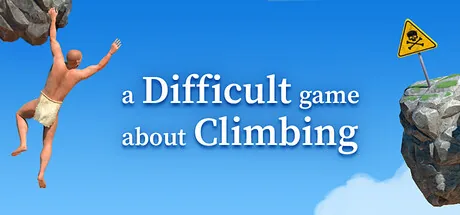
A Difficult Game About Climbing
7 / 10
- Developer
- Pontypants
- Publisher
- Pontypants
- Released
- 6 March 2024
- Platforms
- Windows, macOS
- Genre
- Precision Platformer, Physics Climbing
- Monetisation
- One-time purchase, no DLC; a full second chapter was added as a free content update
The short version
A Difficult Game About Climbing, from solo-ish developer Pontypants, is a mouse-controlled physics climbing game with one goal: reach the peak of a treacherous mountain across seven brutal zones, using only your arms, with no legs, no combat, and no deaths beyond the constant threat of falling and losing your progress. It released 6 March 2024, sits at a Very Positive 88.2% across 3,461 English reviews, and openly invites comparison to the game that inspired it — Bennett Foddy's Getting Over It with Bennett Foddy. This review's full read of the negative sample confirms that comparison is the central story: most critics don't think the game fails on its own terms, they think it doesn't live up to the game it's visibly built from, alongside a real, physical complaint about hand strain and a genuinely controversial 2025 change to how its achievements work.
Biggest strengths
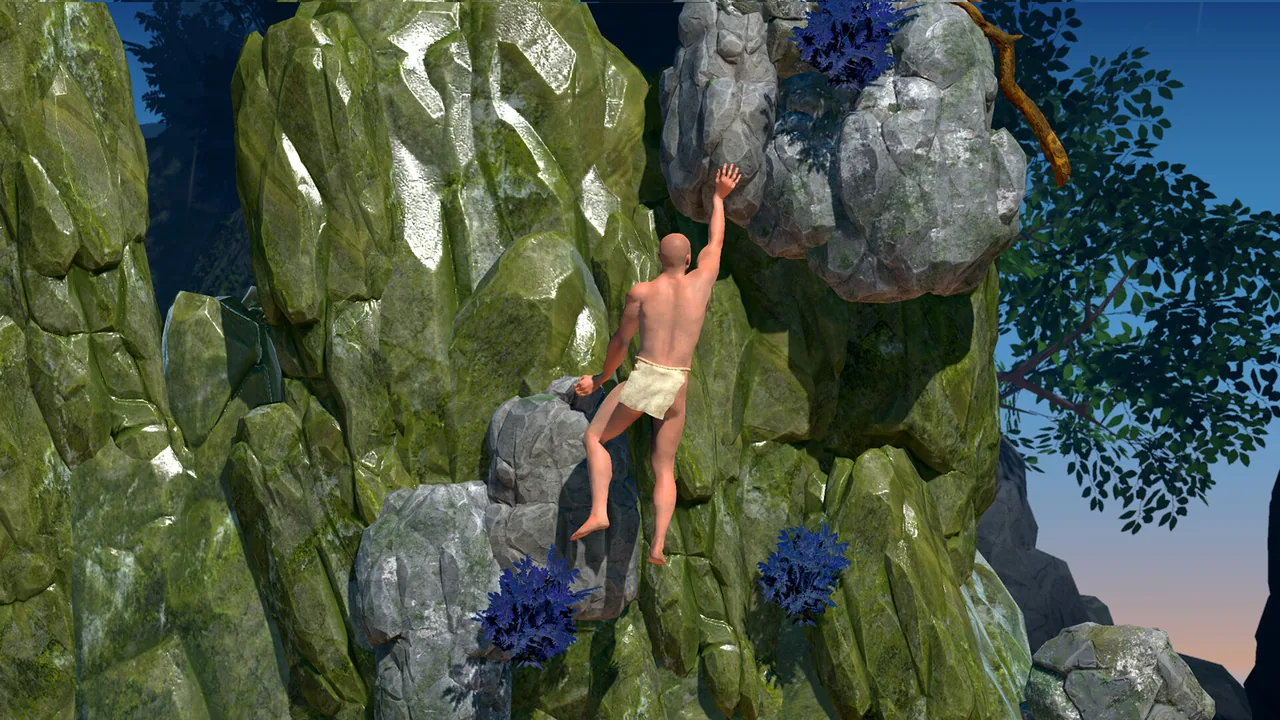
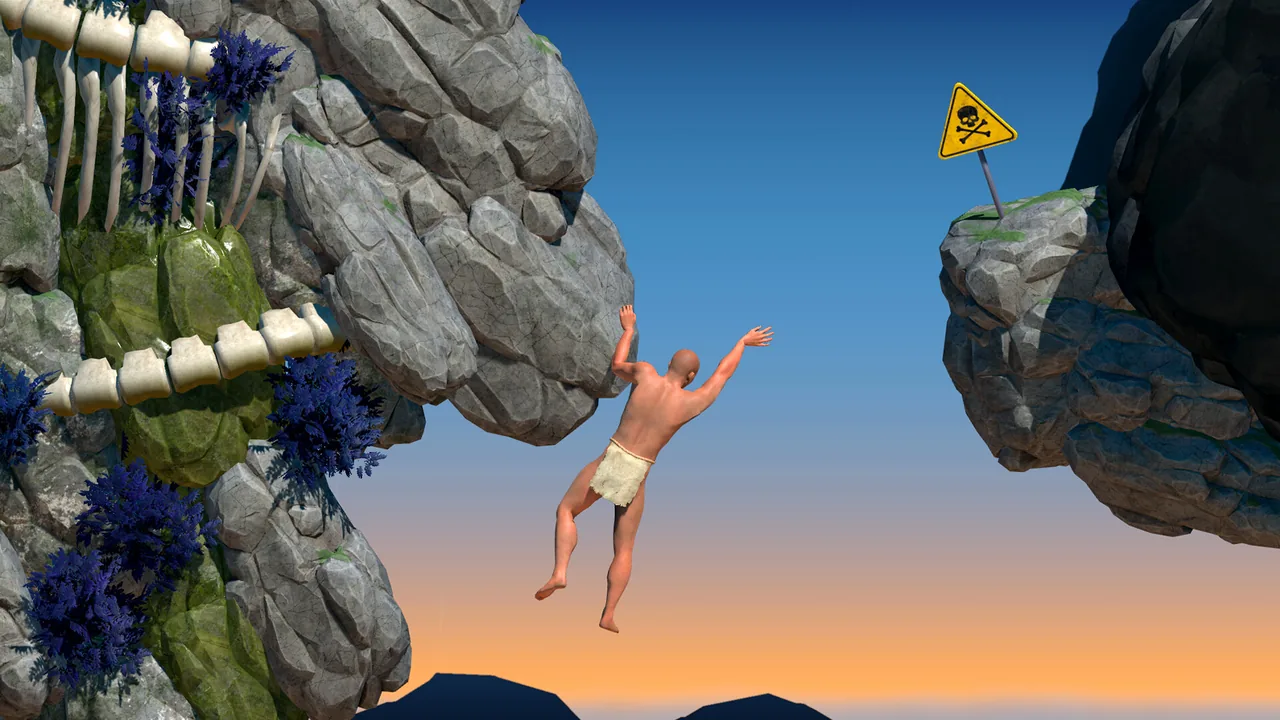
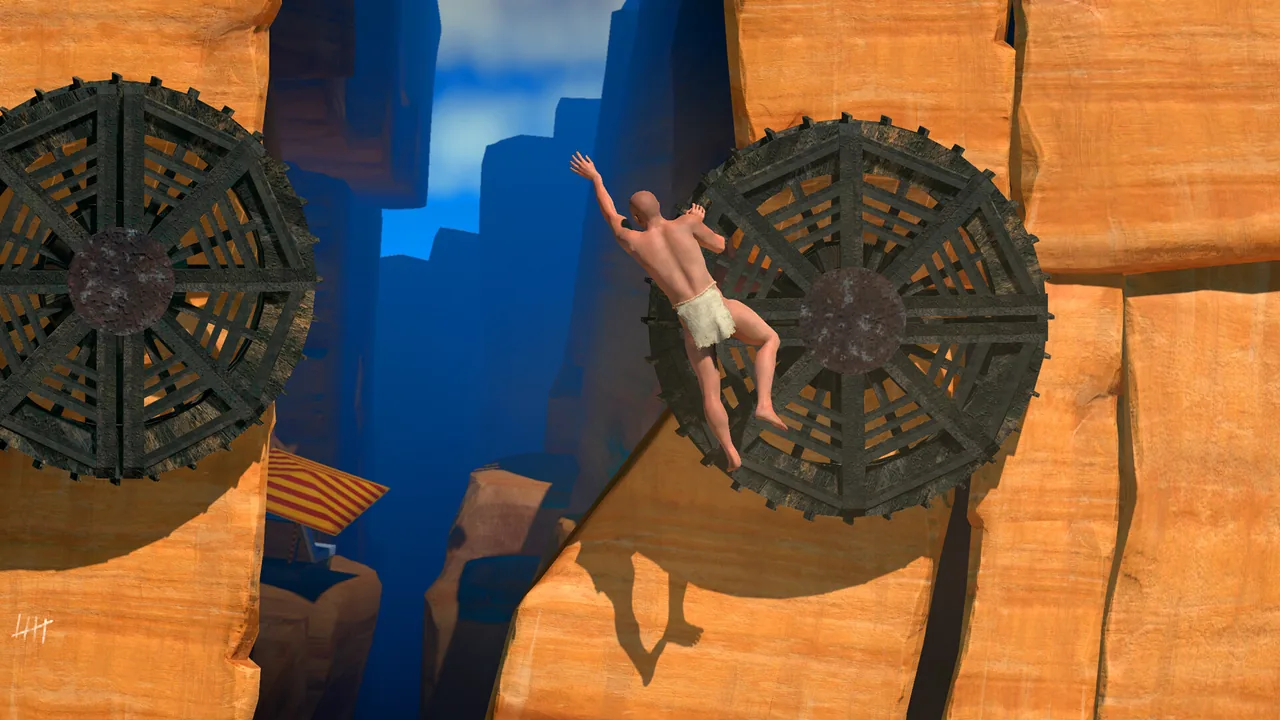
- A satisfying, tactile physics-climbing loop that a large majority of players genuinely enjoy, built entirely around mouse-controlled arm movement
- A full second chapter — nine new zones — was added as a free content update rather than paid DLC, a genuinely generous move for a NZ$14.75 game
- Continued active support well past launch, including a November 2025 key-rebinding update and localisation passes through late 2025
Biggest weaknesses
- Getting Over It is named directly in 35 of the 100 most-helpful English negative reviews, almost always to say this game recycles its inspiration's setup without matching its craft, narrative voice, or sense of purpose
- 30 of 100 negative reviews describe genuine hand or wrist discomfort from having to hold mouse buttons continuously, which several reviewers frame as a real physical barrier rather than ordinary difficulty
- An August 2025 update raising the two hardest achievements from one clear to fifty clears, on both chapters, drew sustained criticism from long-term players well into 2026 — Steam's own data shows those two achievements sit at 0.4% and 0.2% completion
Who it's for: Rage-game and precision-platformer fans who enjoy physics-based climbing and don't mind comparisons to Getting Over It; a poor fit for anyone prone to hand or wrist strain from holding mouse buttons for extended periods, and worth checking current achievement requirements before buying specifically to chase 100%.
Our recommendation: A genuinely fun, generously supported rage-climber that earns its popularity honestly, held back from a higher score by a real physical-comfort issue and a post-launch achievement change its own dedicated players still resent.
7 / 10
Introduction
A Difficult Game About Climbing does not hide what it is: a mouse-controlled climb up a treacherous mountain, arm over arm, with no legs, no combat, and nothing standing between you and the bottom except your own grip and patience. Solo-leaning developer Pontypants released it 6 March 2024, and it built a following fast, sitting today at a Very Positive 88.2% across 3,461 English reviews. It also, by design and by its own store page, invites a direct comparison — this is openly a spiritual successor to Bennett Foddy's Getting Over It with Bennett Foddy, and reading through every corner of its negative review history confirms that comparison is doing almost all of the critical work in this game's reception. Most of its detailed critics don't think the climbing itself is broken; they think it doesn't earn the comparison it invites.
Getting Over It's cousin, not its equal
Community tag votes describe the game precisely — Difficult, Precision Platformer, Physics, Philosophical, alongside Psychological Horror and Survival Horror tags that reflect just how unsettling some of its later zones get. The core loop is genuinely well-liked: pull yourself up using only your mouse-controlled arms, feel the constant threat of a slip sending you back down dozens of minutes of progress, and find real satisfaction in mastering a section through repetition rather than luck. Where the negative sample turns sharp is almost entirely comparative. Getting Over It is named directly in 35 of the 100 most-helpful negative reviews, and the verdict is remarkably consistent: this game "couldn't hope to be as meaningful or clever," shares "recycled assets and low production value feel" without matching "the same level of craft," and — most often — lacks the narrative voice and philosophical framing that made its inspiration more than a rage-game gimmick. One detailed review calls it "a love letter to Bennett Foddy" while still declining to recommend it, which captures the shape of the whole corpus: real affection for the idea, real disappointment that the execution doesn't reach as far as its clear influence did.
The cost is your hands
The second major thread in the negative sample has nothing to do with Getting Over It and everything to do with a genuine physical concern worth taking seriously. Thirty of the 100 most-helpful negative reviews describe real hand or wrist discomfort from the control scheme, which requires holding mouse buttons down continuously to maintain your grip. "This game is carpal tunnel syndrome," reads one; another says plainly, "holding your hands on buttons constantly is the most uncomfortable way to play. I can't say I'm ever having fun because I feel physical pain." This isn't the usual "the difficulty made me angry" complaint that comes with any rage game — it's a specific, physical ergonomics issue distinct from the challenge the game is deliberately selling, and it's frequent enough in the negative sample to be worth flagging directly rather than folding into general difficulty grumbling. Steam's own patch history shows the developer eventually responded with a November 2025 key-rebinding update, though that arrived well over a year and a half after launch.
A free second chapter, and a controversial 50
Pontypants has been genuinely generous with post-launch support in one specific way: a full second chapter, adding nine entirely new zones on top of the original seven, shipped 25 August 2025 as a free update rather than paid DLC — real, substantial content added to a NZ$14.75 game at no extra cost. That update came bundled with a change that has drawn sustained, ongoing criticism from the game's most dedicated players: the two hardest achievements, previously earned by completing each chapter once, were changed to require fifty completions each. Steam's own achievement data shows exactly how brutal that bar is — 0.4% and 0.2% of all players respectively, against 13.5% and 2.3% for simply finishing each chapter once. Reviews raising this specifically span from the update's immediate aftermath through mid-2026, including one from a player 26 hours in who calls the original single-completion goal "reasonable" and asks the developer to at least lower the new requirement to 25. It's a fair complaint to weigh against the goodwill of a free expansion: adding content generously and then making the achievement list drastically harder to fully clear are two different decisions, and this review's negative sample shows real, sustained frustration specifically with the second one.
Final Verdict
A Difficult Game About Climbing is a genuinely satisfying, well-supported rage-climber that mostly earns its popularity — the core mechanic works, the developer added a full free chapter rather than monetising it, and the comparisons to Getting Over It exist because the game invites them directly rather than because critics are reaching for an unfair yardstick. What keeps it from scoring higher is exactly what its own detailed reviewers say: it doesn't quite reach the craft of the game it's built from, a real share of players report genuine hand discomfort from the control scheme, and a 2025 achievement change turned what used to be a reasonable completionist goal into a fifty-times grind that's still generating frustrated reviews a year later. Play it for the climbing and the free content — take breaks for your hands, and check the current achievement requirements before you commit to chasing 100%.
Pros and cons
Pros
- A satisfying, tactile physics-climbing loop that a large majority of players genuinely enjoy, built entirely around mouse-controlled arm movement
- A full second chapter — nine new zones — was added as a free content update rather than paid DLC, a genuinely generous move for a NZ$14.75 game
- Continued active support well past launch, including a November 2025 key-rebinding update and localisation passes through late 2025
- No deaths, gore, or combat of any kind — the entire challenge is physical and mental rather than punishing in a violent sense
Cons
- Getting Over It is named directly in 35 of the 100 most-helpful English negative reviews, almost always to say this game recycles its inspiration's setup without matching its craft, narrative voice, or sense of purpose
- 30 of 100 negative reviews describe genuine hand or wrist discomfort from having to hold mouse buttons continuously, which several reviewers frame as a real physical barrier rather than ordinary difficulty
- An August 2025 update raising the two hardest achievements from one clear to fifty clears, on both chapters, drew sustained criticism from long-term players well into 2026 — Steam's own data shows those two achievements sit at 0.4% and 0.2% completion
- 23 of 100 negative reviews describe the climbing physics as inconsistent or luck-dependent, arguing that failure often comes down to unpredictable grip rather than a mistake the player can learn from
Screenshots
-
A Difficult Game About ClimbingImage: Pontypants via Steam -
A Difficult Game About ClimbingImage: Pontypants via Steam -
A Difficult Game About ClimbingImage: Pontypants via Steam -
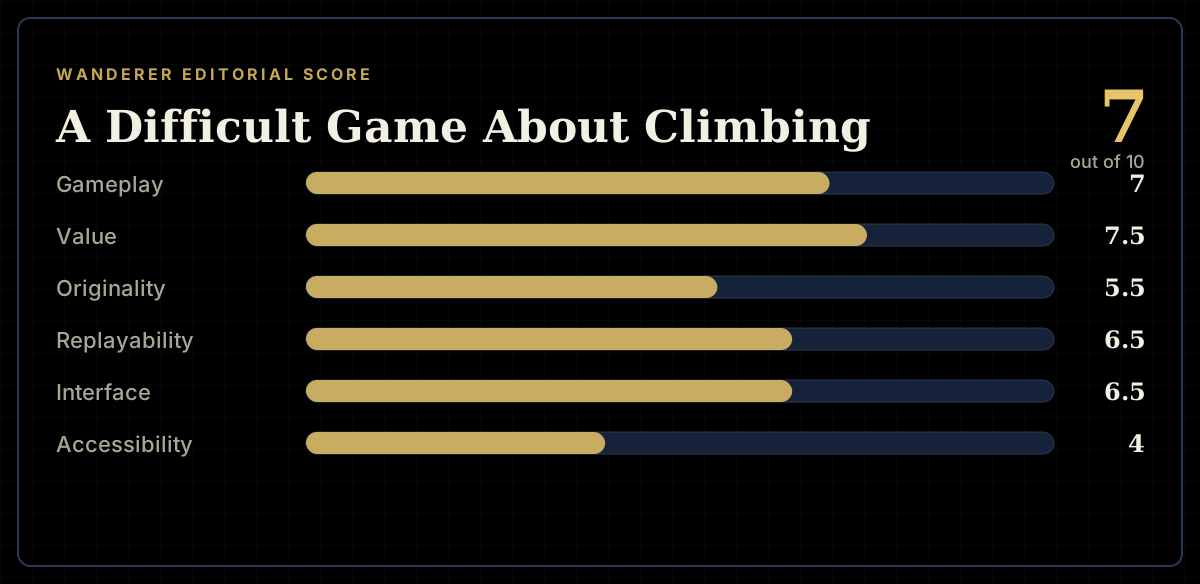
How the review scores each part of the gameWanderer Editorial -
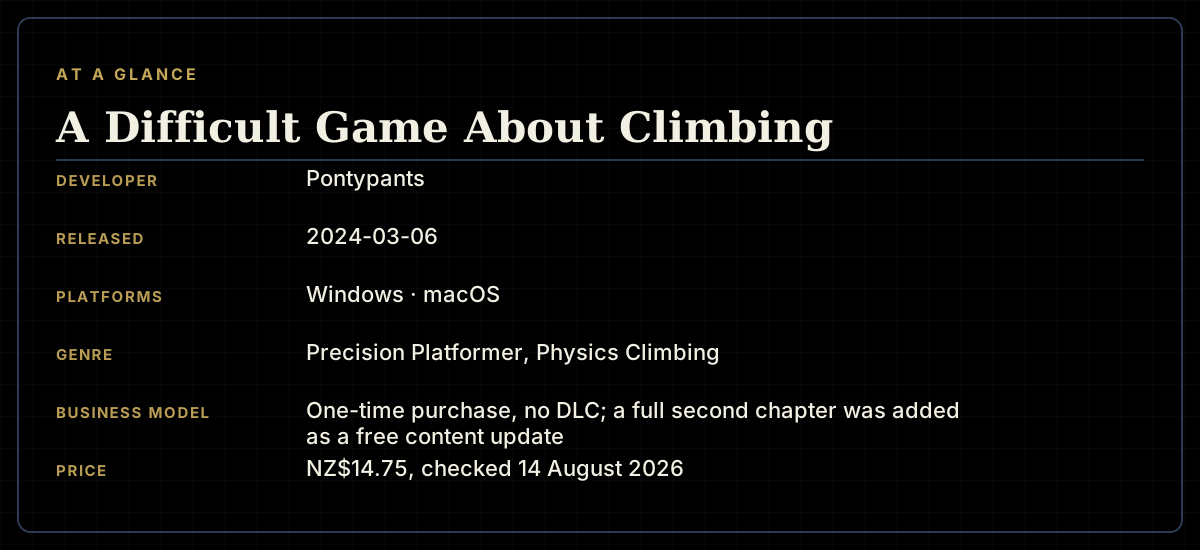
The essentials at a glanceWanderer Editorial -
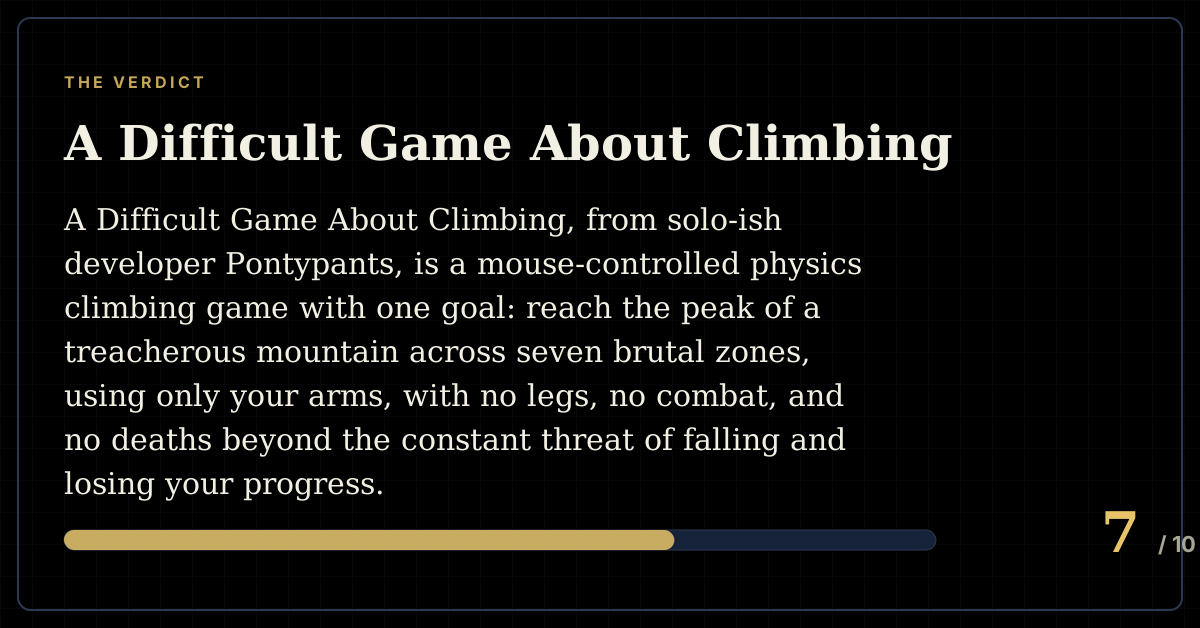
The short versionWanderer Editorial