Game review
We Gotta Go
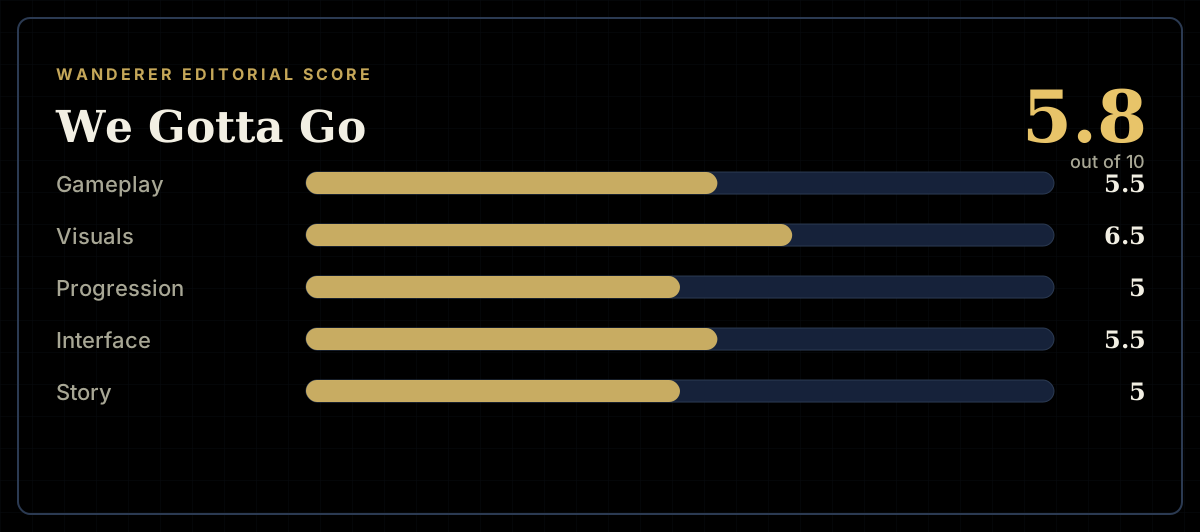
5.8 / 10
- Developer
- FuzzyBot
- Publisher
- Mad Mushroom
- Released
- 14 April 2026
- Platforms
- [Windows]
- Genre
- Action
- Monetisation
- $9.99
- Players
- true
The short version
We Gotta Go nails its ridiculous premise well enough to be genuinely funny for one or two sessions with friends, but a shallow, repetitive loop, a punishing spectator-mode death mechanic, and reports of the developer moving on within weeks of launch make it hard to recommend at full price.
Biggest strengths
- A genuinely funny, committed-to-the-bit premise — escaping a haunted mansion before your bowels betray you — that lands well for players who enjoy toilet humor
- A creative mix of exploration, survival management, and environmental interaction that several reviewers call inventive even when they didn't love the execution
- Best enjoyed exactly as intended — screaming and laughing through a short session with friends
Biggest weaknesses
- A dominant, corroborated complaint that the game is thin and repetitive — fun for one or two sessions before the loop wears out its welcome
- No public matchmaking; joining requires a friend to send you a room code directly, which multiple reviewers call out as a real limitation for a game built around groups
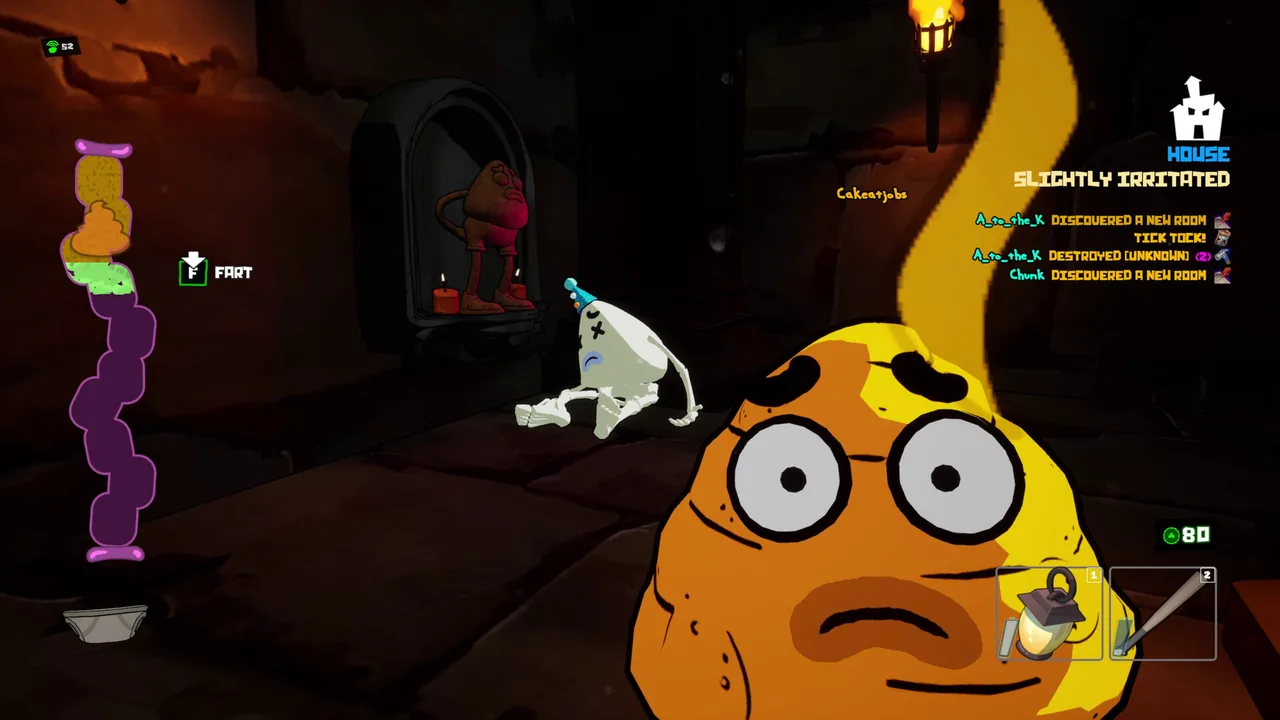
- Dying turns you into a spectator until revived, and running out of teammates to bring you back means watching the rest of the match play out
Who it's for: Groups of friends who want one goofy, low-commitment horror-comedy session and don't mind a game with thin long-term content.
Our recommendation: Wait for a sale
5.8 / 10
The porcelain promised land
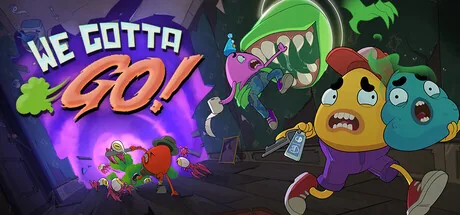
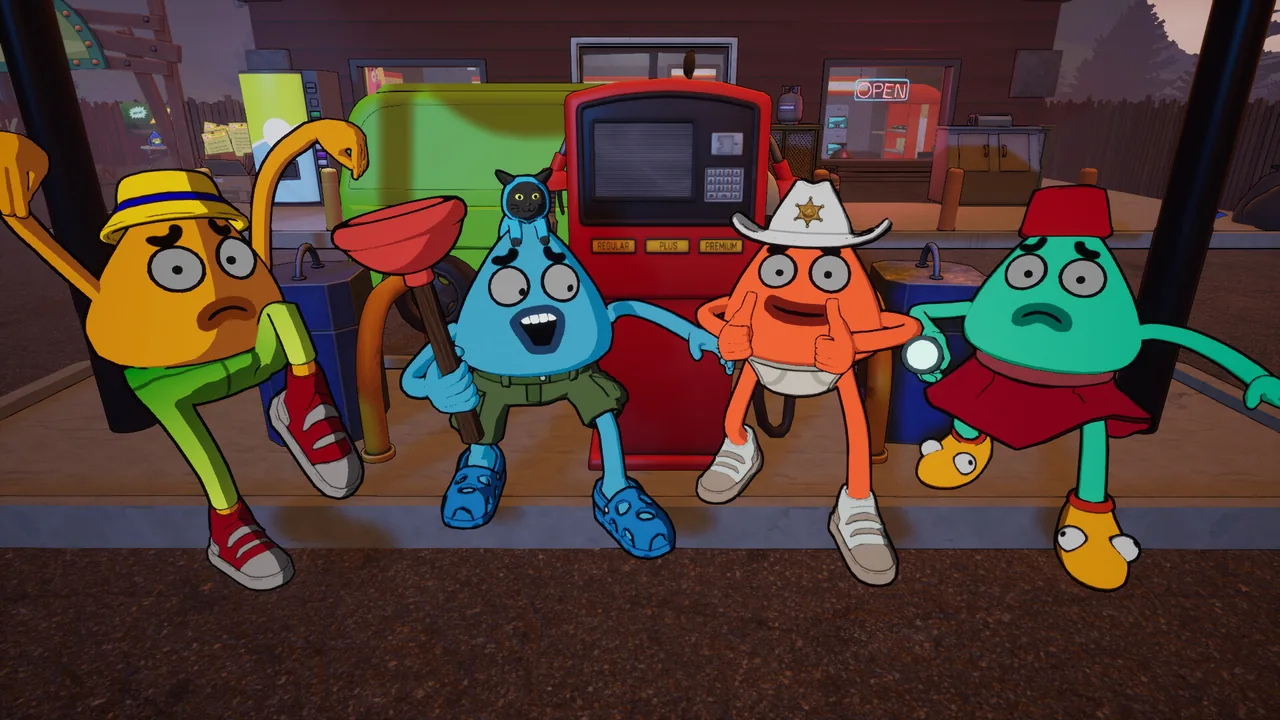
We Gotta Go, released April 14, 2026 by developer FuzzyBot and publisher Mad Mushroom, commits fully to a single ridiculous premise: you and up to a few friends are trapped in a haunted mansion, and the only way out is to find the mansion's one bathroom before your character's bowels give out. It's a co-op horror comedy built on fart-and-poop humor, and the review sample makes clear that premise works exactly as well as you'd expect — reviewers who came in for the joke mostly got the laughs they wanted, at least at first. Reception landed Mixed overall (339 reviews, roughly 60% positive), and the negative half of that sample is specific enough to be worth taking seriously rather than dismissing as humor-averse pearl-clutching.
Committing to the bit
The core joke lands. Reviewers across languages — English, Chinese, Korean, Russian, Turkish — describe genuine, repeated laughter playing with friends, and several specifically credit the game with delivering exactly the kind of stupid, over-the-top comedy experience its premise promises. Managing your character's rising "pressure" through food choices, farting for relief, and racing toward the bathroom before disaster strikes is silly by design, and it mostly works as intended in short bursts with the right group.
An inventive loop that runs out of ideas fast
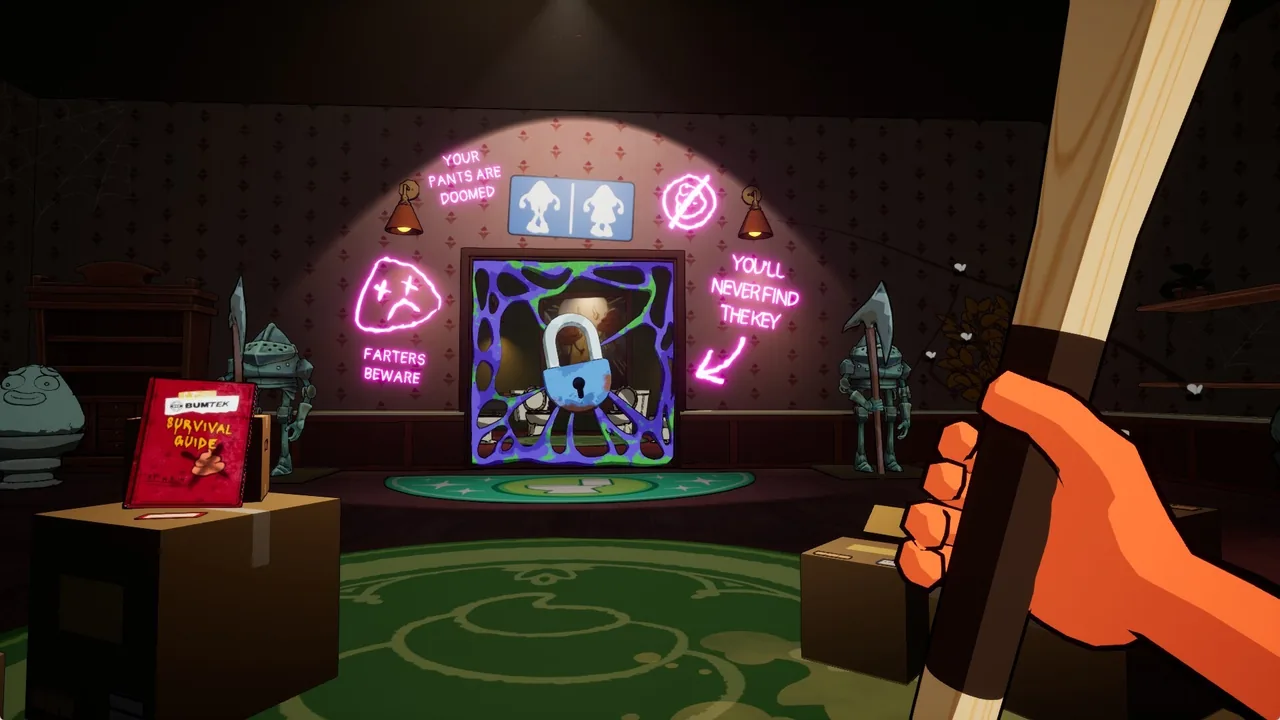
Underneath the humor, We Gotta Go blends exploration, survival management, and environmental interaction, kicking down doors and objects to search rooms while fending off ghosts and managing your bowel meter. Several reviewers call the concept genuinely creative. But the single most common complaint in the sample, appearing across nearly every language represented, is that the loop is thin and repeats quickly — searching rooms, kicking objects, fighting the same handful of encounters — with reviewers describing the experience as fun for an hour or two before becoming monotonous even with friends along for the ride.
Finding people to play with is harder than it should be
A game built entirely around group play stumbles on a basic feature: there's no public matchmaking. Joining a session requires a friend to send you a direct room code, and multiple reviewers flag this as a real limitation, with at least one noting they'd been led to expect public lobbies that don't actually exist. For a horror comedy whose entire appeal depends on having the right group of friends online at the same time, the absence of any way to find or join strangers meaningfully narrows who can enjoy it.
Dying means watching, not playing
A specific and recurring structural complaint concerns what happens when you die. Downed players can be revived, but once a group runs out of available bodies, remaining players are left spectating the rest of the match rather than participating, which reviewers describe as turning an intense comedy horror game into a frustrating waiting simulator right when the tension should be highest. It's a mechanical choice that undercuts the game's pacing in exactly the moments it should be at its funniest.
Rough edges and a support drought
Beyond the design complaints, a cluster of reviewers report real technical issues — crashes, stuttering, and what at least one describes as a persistent memory leak that worsens in later levels even on capable hardware. Compounding that, a recurring and fairly specific complaint holds that the developer shipped a single update shortly after launch and then went quiet, leaving bugs and crashes unaddressed for months. The public news history supports the shape of that complaint: an update posted four days after launch is the only post-release news item on record since. Reviewers citing this — in English, French, and Russian — describe it as a dealbreaker distinct from the game's inherent thinness, since it suggests the content gap isn't likely to close.
Smaller frustrations add up
A few other complaints surface repeatedly without being dealbreakers on their own. Combat against the mansion's ghosts feels weak to several reviewers, who describe hits landing without meaningful feedback and weapon durability that doesn't hold up against how frequently enemies appear. Non-English speakers, particularly a French reviewer hoping to remap controls for an AZERTY keyboard, note basic accessibility options are missing. There's no achievement support at all, which at least one reviewer calls out as a strange omission for a game clearly built around goofy milestones worth commemorating. None of these are severe on their own, but stacked on top of the thin content and support concerns, they reinforce the sense of a game that shipped competent but unfinished.
Who should hunt for the bathroom
We Gotta Go is easiest to recommend to a group of friends looking for one loud, silly session rather than a game to return to repeatedly — that's the experience most positive reviewers describe having, and it's a genuinely fun one while it lasts. It's a much harder sell for anyone without an existing group to invite via room code, or for players hoping for a game that keeps expanding after launch.
The verdict
We Gotta Go delivers exactly the ridiculous, laugh-out-loud premise it promises for a session or two with the right friends, but a thin and repetitive core loop, a frustrating death mechanic, real technical rough edges, and credible reports that development support dried up within weeks of launch make it hard to recommend at full price. Wait for a discount, and go in expecting one great night rather than a game you'll keep coming back to.
Pros and cons
Pros
- A genuinely funny, committed-to-the-bit premise — escaping a haunted mansion before your bowels betray you — that lands well for players who enjoy toilet humor
- A creative mix of exploration, survival management, and environmental interaction that several reviewers call inventive even when they didn't love the execution
- Best enjoyed exactly as intended — screaming and laughing through a short session with friends
- Reasonably priced for what it offers, with a couple of reviewers specifically noting it's fair value even amid other complaints
Cons
- A dominant, corroborated complaint that the game is thin and repetitive — fun for one or two sessions before the loop wears out its welcome
- No public matchmaking; joining requires a friend to send you a room code directly, which multiple reviewers call out as a real limitation for a game built around groups
- Dying turns you into a spectator until revived, and running out of teammates to bring you back means watching the rest of the match play out
- A recurring, credible complaint that the developer shipped one update shortly after launch and then went quiet, leaving crashes, stuttering, and other bugs unaddressed
Screenshots
-
We Gotta GoImage: Mad Mushroom via Steam -
We Gotta GoImage: Mad Mushroom via Steam -
We Gotta GoImage: Mad Mushroom via Steam -
How the review scores each part of the gameWanderer Editorial -

Key facts at a glanceWanderer Editorial -
The short versionWanderer Editorial